
Persistent low mood without manic episodes — clinically identified as unipolar depression — measurably impairs executive function, working memory, and processing speed. These deficits compound over time. For high-performing professionals, this is not a personal struggle confined to emotional experience. It is a cognitive performance variable with documented neurobiological consequences, including structural brain changes visible on neuroimaging. Unaddressed, unipolar depression accelerates functional decline, reduces decision-making precision, and introduces compounding risk to both professional output and long-term cognitive longevity.
What Unipolar Depression Is — and What It Is Not

Unipolar depression refers to a mood disorder characterized by persistent low mood, loss of interest, and diminished energy — without the manic or hypomanic episodes seen in bipolar disorder. Clinicians diagnose it when five or more depressive symptoms persist for at least two weeks and represent a clear departure from baseline functioning. The Diagnostic and Statistical Manual of Mental Disorders, Fifth Edition (DSM-5), outlines these criteria precisely.
This distinction matters clinically. Misidentifying unipolar depression as general stress or burnout delays accurate diagnosis and appropriate intervention. For professionals operating under sustained cognitive demand, that delay carries measurable cost. Each unaddressed depressive episode reshapes neural architecture in ways that do not fully reverse without targeted treatment.
The condition affects approximately 280 million people globally, according to the World Health Organization. Among high-functioning adults, it frequently goes unrecognized because professional performance can mask symptom severity. Executives and founders often compensate through structure and routine — until the cognitive load of compensation itself becomes unsustainable.
The Neurobiological Mechanism Behind Cognitive Impairment
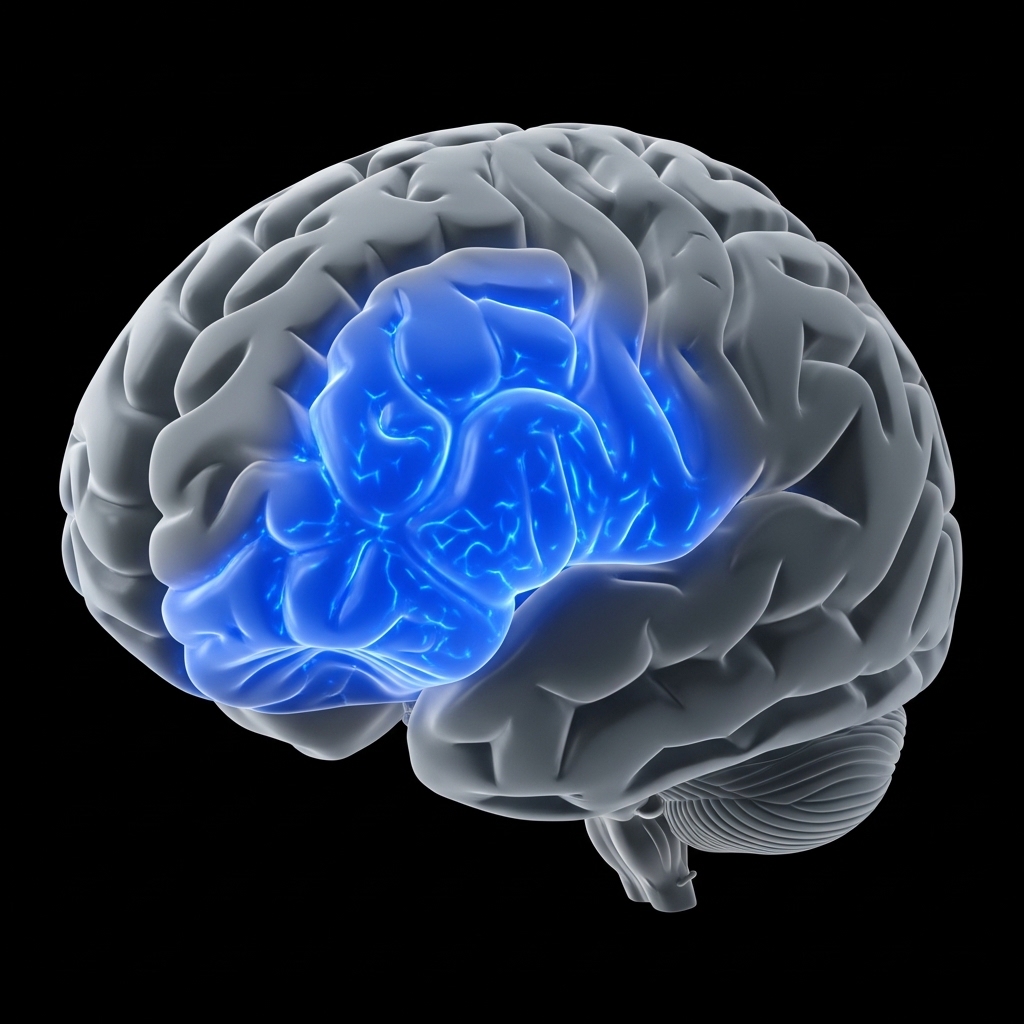
Unipolar depression does not simply lower mood. It alters brain structure and chemistry in measurable ways. Research published in journals including Nature Neuroscience has identified reduced gray matter volume in the prefrontal cortex and hippocampus among individuals with recurrent depressive episodes. These regions govern decision-making, memory consolidation, and emotional regulation.
Dysregulation of monoamine neurotransmitters — particularly serotonin, dopamine, and norepinephrine — disrupts signal transmission across key neural networks. This disruption manifests as slowed processing speed, impaired working memory, and reduced cognitive flexibility. These are not subjective complaints. Neuropsychological testing consistently quantifies these deficits in clinical populations.
Beyond neurotransmitter dysfunction, unipolar depression activates the hypothalamic-pituitary-adrenal (HPA) axis. Chronic HPA activation elevates cortisol. Sustained cortisol elevation damages hippocampal neurons, further impairing memory encoding and recall. This creates a reinforcing biological cycle that deepens cognitive impairment the longer depression goes untreated.
How Cortisol Elevation Compounds Cognitive Decline

Cortisol is the body's primary stress hormone. In acute situations, it sharpens alertness and mobilizes energy. In chronic states — as seen in unipolar depression — elevated cortisol becomes neurotoxic. The hippocampus, dense with cortisol receptors, shows measurable volume reduction in individuals with long-term depressive illness.
Research from the National Institutes of Health has consistently linked hypercortisolemia to accelerated cognitive aging. Professionals with unipolar depression often maintain high cortisol baselines due to the compounding effect of occupational stress layered on top of neurobiological dysregulation. This combination accelerates the rate at which cognitive performance deteriorates.
Cortisol also suppresses brain-derived neurotrophic factor (BDNF), a protein essential for neuronal growth and synaptic plasticity. Reduced BDNF limits the brain's capacity to form new connections and recover from cognitive strain. For professionals whose careers demand continuous learning and adaptive thinking, this suppression represents a direct performance liability.
READ ALSO: The Role of Psychotherapy in Managing Postpartum Depression
Executive Function: The Specific Cognitive Domains at Risk

Executive function is not a single capacity. It encompasses working memory, cognitive flexibility, inhibitory control, and planning. Unipolar depression measurably impairs each of these domains. A 2020 meta-analysis published in Psychological Medicine examined over 100 studies and confirmed significant deficits across all executive function subdomains in individuals with major depressive disorder.
Working memory — the ability to hold and manipulate information in real time — declines notably during depressive episodes. This affects the capacity to synthesize data during negotiations, process complex financial information, or track multiple variables during strategic planning. The deficit is not always visible to colleagues. It is, however, consistently detectable in objective cognitive assessments.
Cognitive flexibility, the ability to shift between concepts and adapt to new information, also degrades. Individuals with unipolar depression often report difficulty seeing alternative perspectives or pivoting under pressure. This rigidity is not a personality trait. It reflects disrupted prefrontal-subcortical connectivity driven by neurobiological changes associated with the depressive state.
Sleep Architecture Disruption and Its Downstream Effects

Unipolar depression consistently disrupts sleep architecture. It reduces slow-wave sleep, the stage most critical for memory consolidation and metabolic restoration. It also alters REM sleep distribution, which affects emotional processing and cognitive integration. These disruptions occur even when total sleep duration appears adequate.
Poor sleep quality compounds every cognitive deficit associated with depression. The glymphatic system — the brain's waste-clearance mechanism — operates primarily during deep sleep. When slow-wave sleep decreases, glymphatic clearance of metabolic byproducts, including amyloid-beta proteins, slows. Research published in Science has linked impaired glymphatic function to accelerated neurodegenerative risk.
For professionals who rely on peak cognitive output, disrupted sleep architecture is not a minor inconvenience. It directly reduces next-day processing speed, working memory capacity, and emotional regulation. The interaction between depressive sleep disruption and occupational cognitive demand creates a compounding deficit cycle that standard sleep hygiene interventions rarely fully resolve without addressing the underlying depressive pathology.
Inflammatory Markers and the Depression-Longevity Link

Unipolar depression is increasingly understood as an inflammatory condition. Elevated levels of pro-inflammatory cytokines — including interleukin-6 (IL-6) and tumor necrosis factor-alpha (TNF-α) — appear consistently in individuals with depressive episodes. These markers do not merely correlate with depression. They actively contribute to its neurobiological progression.
Chronic low-grade inflammation accelerates biological aging. Research from the Harvard T.H. Chan School of Public Health and affiliated institutions has demonstrated that elevated inflammatory markers correlate with shorter telomere length — a direct indicator of cellular aging. Professionals with untreated unipolar depression thus carry an elevated biological age relative to their chronological age.
Elevated inflammatory markers also compromise cardiovascular function. IL-6 and TNF-α contribute to arterial inflammation, endothelial dysfunction, and increased cardiovascular risk. This means unipolar depression is not confined to cognitive and emotional consequences. It introduces measurable cardiovascular longevity risk that accumulates with each untreated depressive episode.
READ ALSO: Severe Depression, Executive Function Impairment, and the Evidence-Based Protocols That Support Recovery
Metabolic Disruption as a Secondary Consequence

Unipolar depression alters appetite regulation, physical activity levels, and metabolic rate. These changes compound over time. Reduced motivation for physical activity decreases VO2 max — a key indicator of cardiovascular fitness and longevity — and accelerates muscle mass loss associated with sedentary behavior.
Appetite dysregulation in depression can manifest as either hyperphagia or appetite suppression. Both disrupt metabolic function. Hyperphagia with high-glycemic food preference elevates fasting glucose and insulin resistance over time. These metabolic shifts increase risk for type 2 diabetes and metabolic syndrome — conditions that further impair cognitive performance and cardiovascular health.
The interaction between depression, inactivity, and metabolic dysfunction creates a physiological environment that accelerates aging across multiple systems simultaneously. This is not a linear process. It is a networked deterioration where each variable amplifies the others. Addressing only one dimension — mood alone, or metabolic health alone — without acknowledging their interdependence produces incomplete outcomes.
Why High Performers Are Diagnostically Underserved

High-performing professionals present atypically. They often maintain professional output during early and moderate depressive episodes through compensatory effort. This masks symptom severity in clinical interviews and delays diagnosis. By the time performance measurably declines, the neurobiological impact of sustained depression is already significant.
Stigma within high-performance cultures further delays help-seeking. Executives and founders frequently associate seeking mental health care with vulnerability or professional risk. This perception conflicts directly with the evidence: untreated depression poses far greater risk to sustained performance than the act of pursuing clinical assessment.
Screening tools such as the Patient Health Questionnaire-9 (PHQ-9) offer a validated, brief method for quantifying depressive symptom severity. Mental health professionals trained in occupational contexts understand how to interpret these assessments within the demands of high-performance environments. Early clinical identification dramatically improves treatment outcomes and reduces neurobiological progression.
The Role of Psychotherapy in Cognitive Recovery

Cognitive-behavioral therapy (CBT) is one of the most extensively researched interventions for unipolar depression. Meta-analyses across multiple decades consistently demonstrate its efficacy in reducing depressive symptom severity and relapse frequency. CBT targets maladaptive thought patterns that sustain low mood and avoidance behaviors — both of which directly impair daily cognitive functioning.
Interpersonal therapy (IPT) addresses relational and role-based stressors that precipitate or maintain depressive episodes. For professionals navigating high-stakes organizational dynamics, IPT provides a structured framework for resolving interpersonal contributors to depressive load. Both CBT and IPT show durable effects beyond the active treatment period.
Emerging evidence also supports mindfulness-based cognitive therapy (MBCT) for individuals with recurrent depressive episodes. Research published in The Lancet demonstrated that MBCT reduces depressive relapse rates comparably to maintenance antidepressant medication in certain populations. These findings position psychotherapy not as an alternative to biological treatment, but as a neurologically active intervention in its own right.
READ ALSO: Natural Remedies for Depression: A Gentle, Holistic Approach
Pharmacological Interventions: What the Evidence Supports

Antidepressant medications — particularly selective serotonin reuptake inhibitors (SSRIs) and serotonin-norepinephrine reuptake inhibitors (SNRIs) — represent the most widely used pharmacological treatment for unipolar depression. Their efficacy in reducing acute depressive symptoms is well-established across large randomized controlled trials.
Beyond symptom relief, antidepressants demonstrate neuroprotective properties in some research contexts. Certain SSRIs promote BDNF expression, which supports neuroplasticity and may partially reverse hippocampal volume loss associated with prolonged depressive episodes. This mechanism suggests that pharmacological treatment carries structural brain benefits beyond mood stabilization alone.
Treatment-resistant depression — defined as inadequate response to two or more adequate antidepressant trials — affects a clinically significant subset of individuals. In these cases, adjunctive strategies including augmentation pharmacotherapy, transcranial magnetic stimulation (TMS), or ketamine-based interventions may be considered under specialist supervision. Decisions in this domain require individual clinical assessment rather than generalized guidance.
Lifestyle Variables That Modulate Depressive Severity

Physical exercise is among the most robustly supported non-pharmacological interventions for unipolar depression. A meta-analysis published in JAMA Psychiatry found that regular aerobic exercise produced effect sizes comparable to antidepressant medication in reducing depressive symptom severity. Exercise elevates BDNF, reduces inflammatory cytokines, and improves sleep architecture — addressing three core neurobiological mechanisms simultaneously.
Sleep optimization — specifically targeting slow-wave sleep and circadian alignment — reduces HPA axis dysregulation and supports glymphatic clearance. Consistent sleep and wake times, reduced light exposure in the evening, and appropriate management of stimulant intake are evidence-based behavioral strategies for improving sleep architecture in the context of depression.
Nutritional patterns also modulate inflammatory burden and mood neurobiology. A dietary pattern high in omega-3 fatty acids, polyphenols, and fermented foods supports gut-brain axis function and reduces systemic inflammation. Research from institutions including the Harvard T.H. Chan School of Public Health links Mediterranean-style dietary patterns to reduced depression risk and improved cognitive outcomes over time.
Evidence-Based Pathways for High-Performing Professionals

Early clinical assessment by a psychiatrist or clinical psychologist provides an accurate diagnostic picture and enables a structured treatment plan calibrated to individual neurobiological and occupational context. Combining psychotherapy with pharmacological intervention — where clinically indicated — produces stronger outcomes than either approach alone, particularly in moderate to severe presentations. Structured aerobic exercise, sleep architecture optimization, and anti-inflammatory dietary patterns address the full physiological scope of unipolar depression's impact alongside clinical treatment. Ongoing cognitive monitoring through validated neuropsychological tools tracks functional recovery objectively — treating cognitive restoration as a measurable performance variable rather than an abstract emotional process. This approach reflects both the evidence base and the practical orientation of professionals who manage health through data, not assumption.
UP NEXT: Fighting Depression with Natural Remedies
Untreated unipolar depression elevates pro-inflammatory cytokines and sustains chronically high cortisol levels — two mechanisms directly linked to accelerated telomere shortening and measurable increases in biological age that can place high-performing professionals years ahead of their chronological age on key longevity markers. WholeLiving's Biological Age Estimation Model incorporates this factor directly — your assessment takes under five minutes.
Ready to understand how these factors are influencing your biological age right now? [Take the Biological Age Assessment →]