
Suboptimal riboflavin status directly impairs mitochondrial energy production, accelerating fatigue, reducing cognitive output, and contributing to measurable declines in metabolic efficiency among high-performing professionals. This analysis of vitamin b2 benefits is designed for individuals operating under sustained cognitive and physiological demand, where even marginal micronutrient insufficiencies can influence oxidative stress markers, redox balance, and cellular repair capacity. Riboflavin functions as a critical cofactor in flavoprotein-mediated pathways that regulate ATP synthesis and antioxidant defense, making its adequacy essential for preserving performance consistency, mitigating biological age acceleration, and maintaining long-term metabolic resilience
Riboflavin as a Core Determinant of Mitochondrial Energy Metabolism
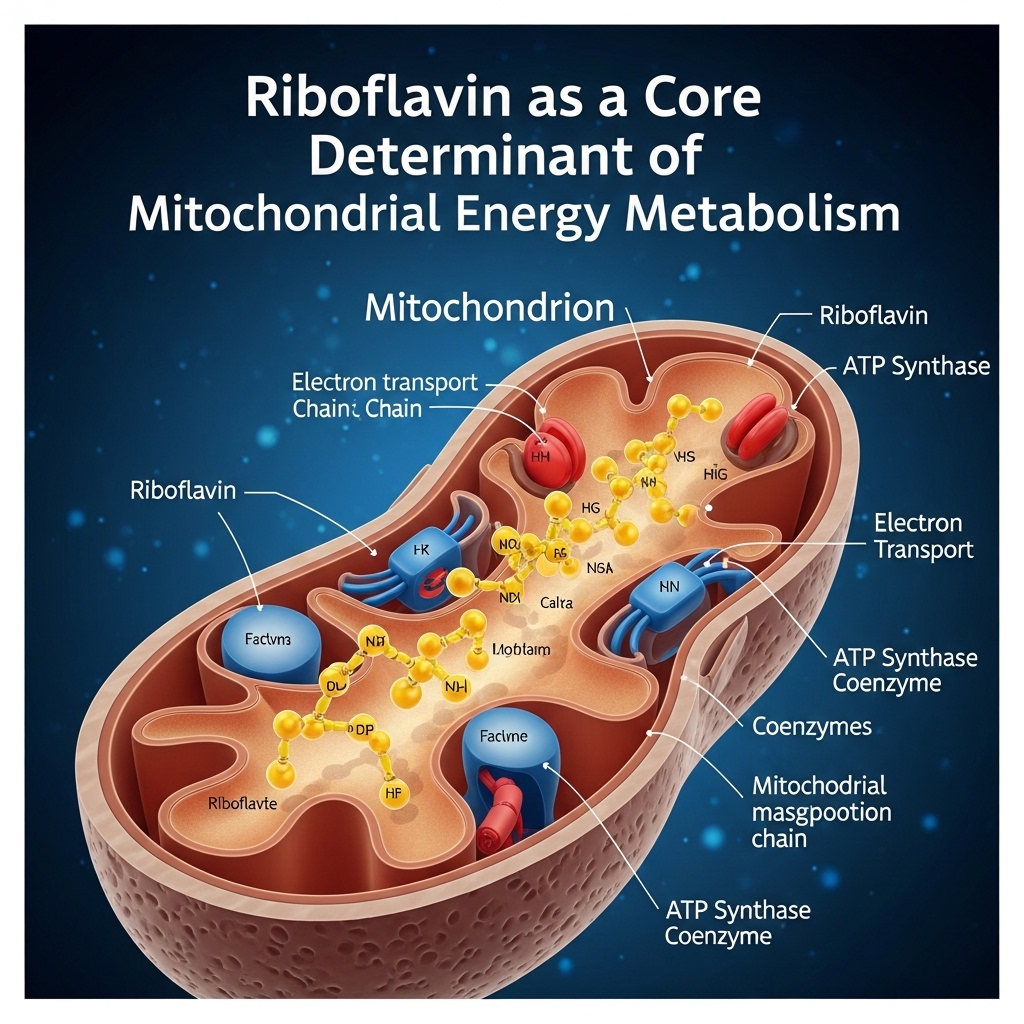
Riboflavin, or vitamin B2, supports energy production by forming FAD and FMN, which drive the electron transport chain. As a result, cells produce ATP more efficiently and sustain both mental and physical output. For high-performing professionals, even small gaps in this process can reduce daily energy stability.
In addition, the vitamin b2 benefits tied to mitochondrial function include better use of fuel sources. Cells switch between sugar and fat more easily, which supports endurance and steady energy levels. Because of this, the body handles long work hours with less fatigue.
According to the National Institutes of Health, riboflavin helps key enzymes in cellular respiration. Therefore, this support keeps energy systems stable and helps maintain strong metabolic function over time.
Oxidative Stress Modulation and Redox Balance
Riboflavin helps control oxidative stress by supporting glutathione recycling. This process protects cells from damage caused by free radicals. Over time, too much oxidative stress can speed up aging at the cellular level.
At the same time, the vitamin b2 benefits include stronger protection against daily cellular stress. It keeps a balance between oxidation and repair processes. As a result, DNA, proteins, and cell membranes stay more stable.
Research from the Harvard T.H. Chan School of Public Health highlights how nutrients help manage oxidative stress. Consequently, riboflavin plays a clear role in protecting cells.
Influence on Cognitive Performance and Neural Efficiency
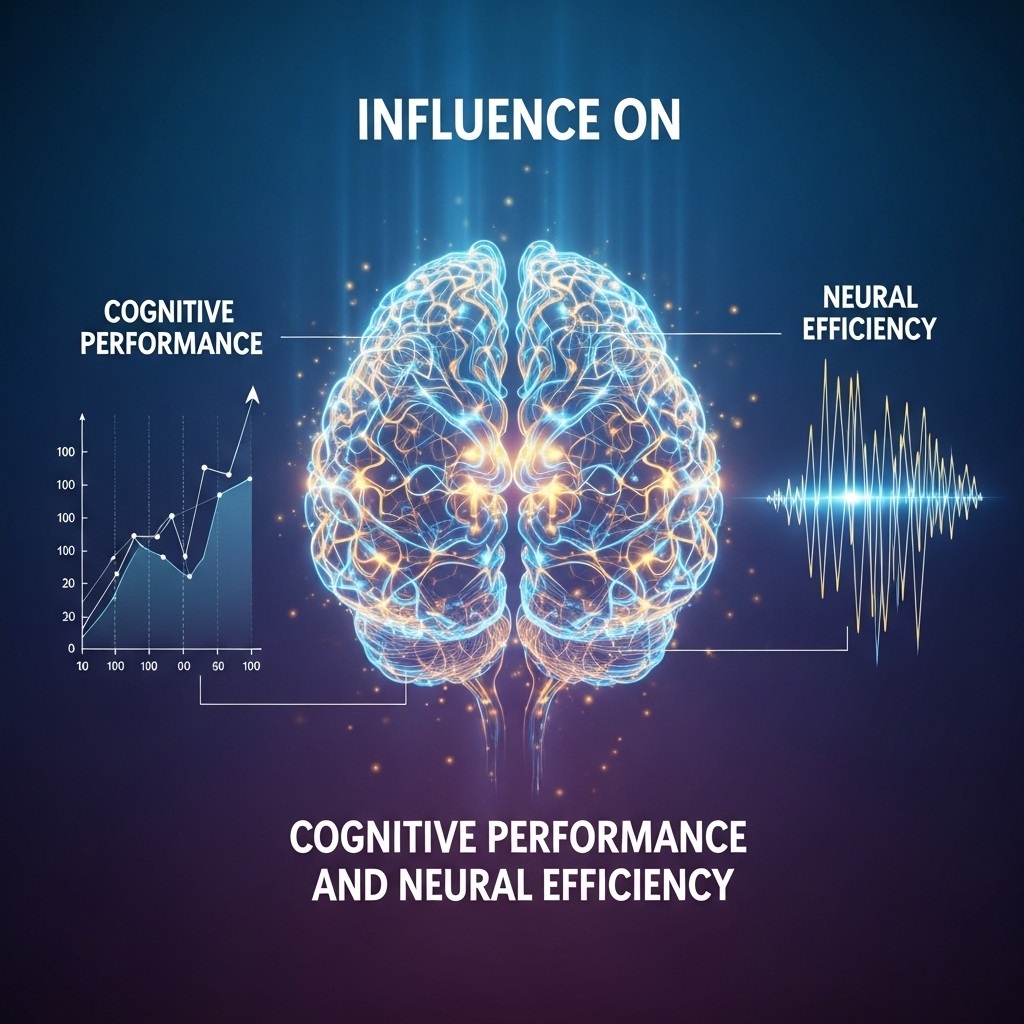
Riboflavin supports brain function by helping produce energy in neurons. Because of this, the brain stays sharp during long work periods. High-demand roles benefit from this steady mental output.
Furthermore, the vitamin b2 benefits include support for brain chemicals and reduced inflammation. These effects improve memory, focus, and thinking speed. Over time, this supports better mental performance.
Clinical findings also link riboflavin to fewer migraines. Therefore, this suggests a broader role in maintaining brain stability and function.
Cardiovascular Function and Homocysteine Regulation
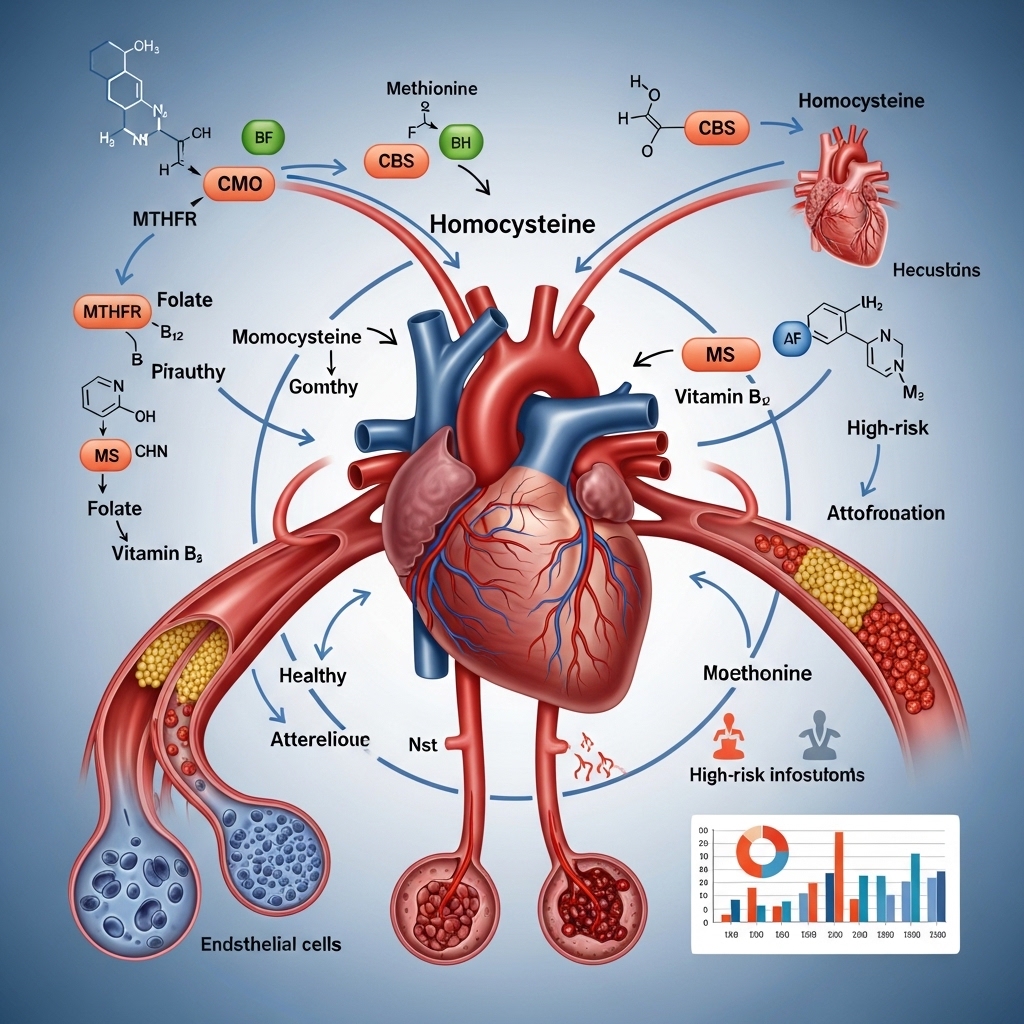
Riboflavin supports heart health by helping control homocysteine levels. High levels of this marker can damage blood vessels and affect circulation. By aiding enzyme activity, riboflavin helps keep it in a safer range.
In addition, the vitamin b2 benefits include better blood vessel function. This reduces strain on the heart over time. As a result, overall cardiovascular health improves.
The American Heart Association identifies homocysteine as a key risk factor. Therefore, riboflavin supports long-term heart health.
Riboflavin and Inflammatory Marker Regulation
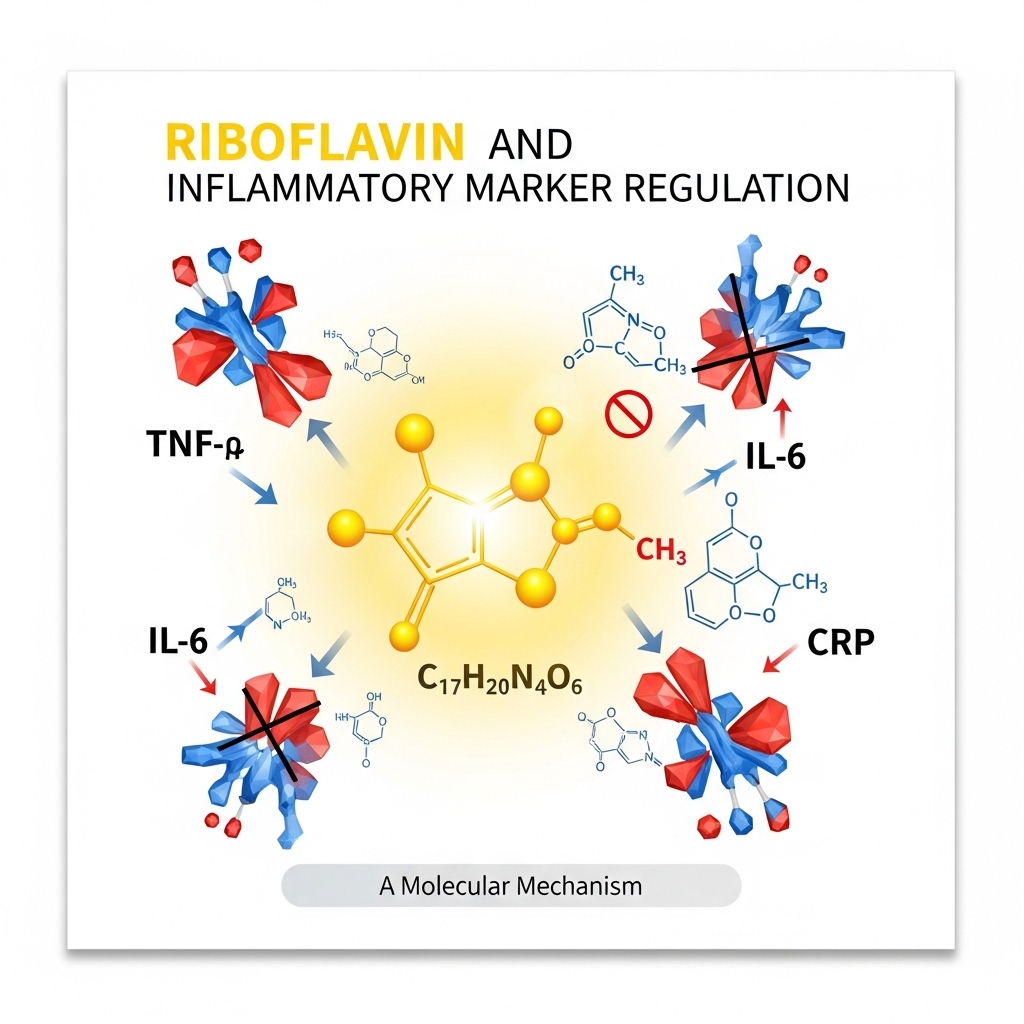
Inflammation drives many long-term health issues and speeds up aging. Riboflavin helps lower inflammation by supporting energy balance and reducing oxidative stress. As a result, the body experiences fewer inflammatory triggers.
Moreover, the vitamin b2 benefits include lower levels of markers such as CRP. This supports recovery and helps maintain immune balance. Consequently, the body stays more stable over time.
Research continues to show that nutrients affect inflammation. Because of this, riboflavin plays a role in keeping inflammation under control.
Impact on Metabolic Function and Energy Use
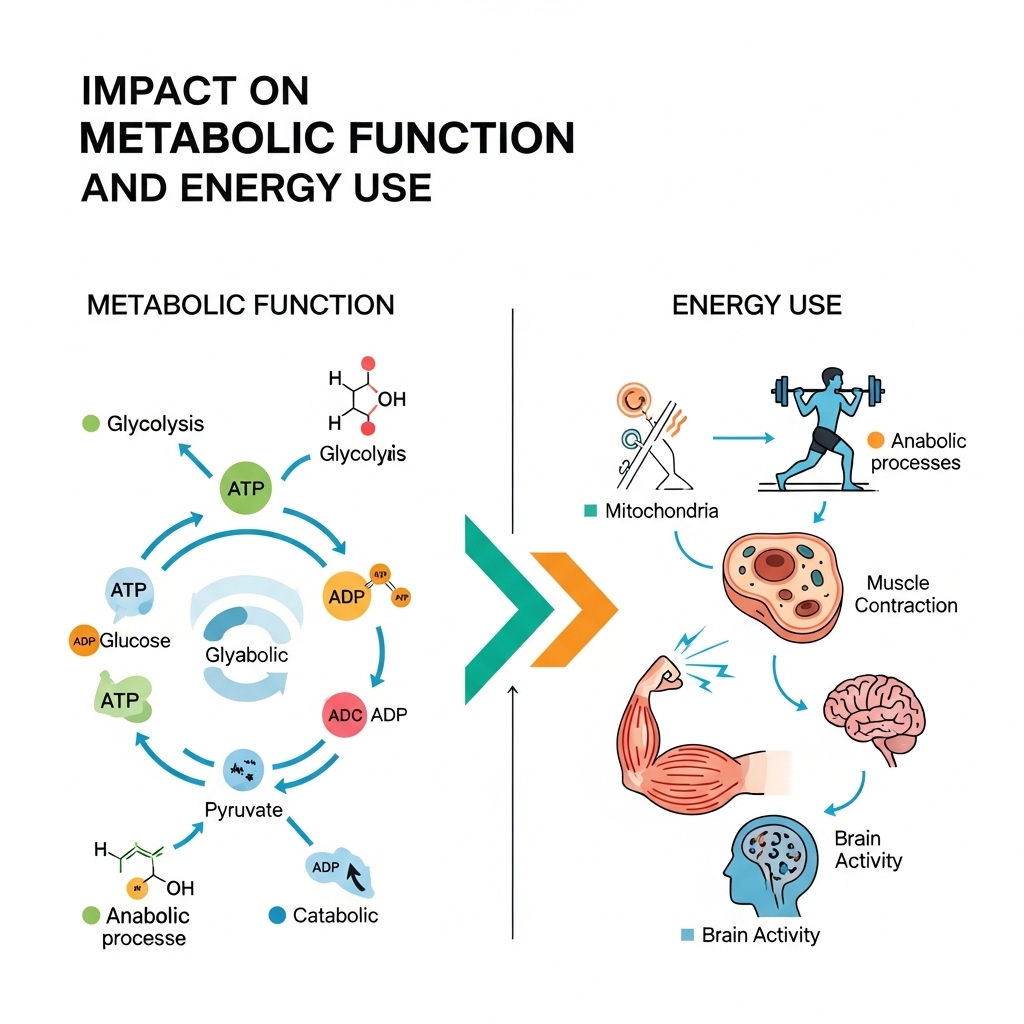
Riboflavin helps the body break down carbs and fats for energy. As a result, fuel is used more efficiently throughout the day. This improves overall energy stability.
Additionally, the vitamin b2 benefits include less fatigue during heavy workloads. Efficient energy use helps maintain focus and output. Therefore, productivity improves.
Better metabolic function also supports long-term health outcomes. Thus, riboflavin helps keep this system running well.
Riboflavin and Stress Response
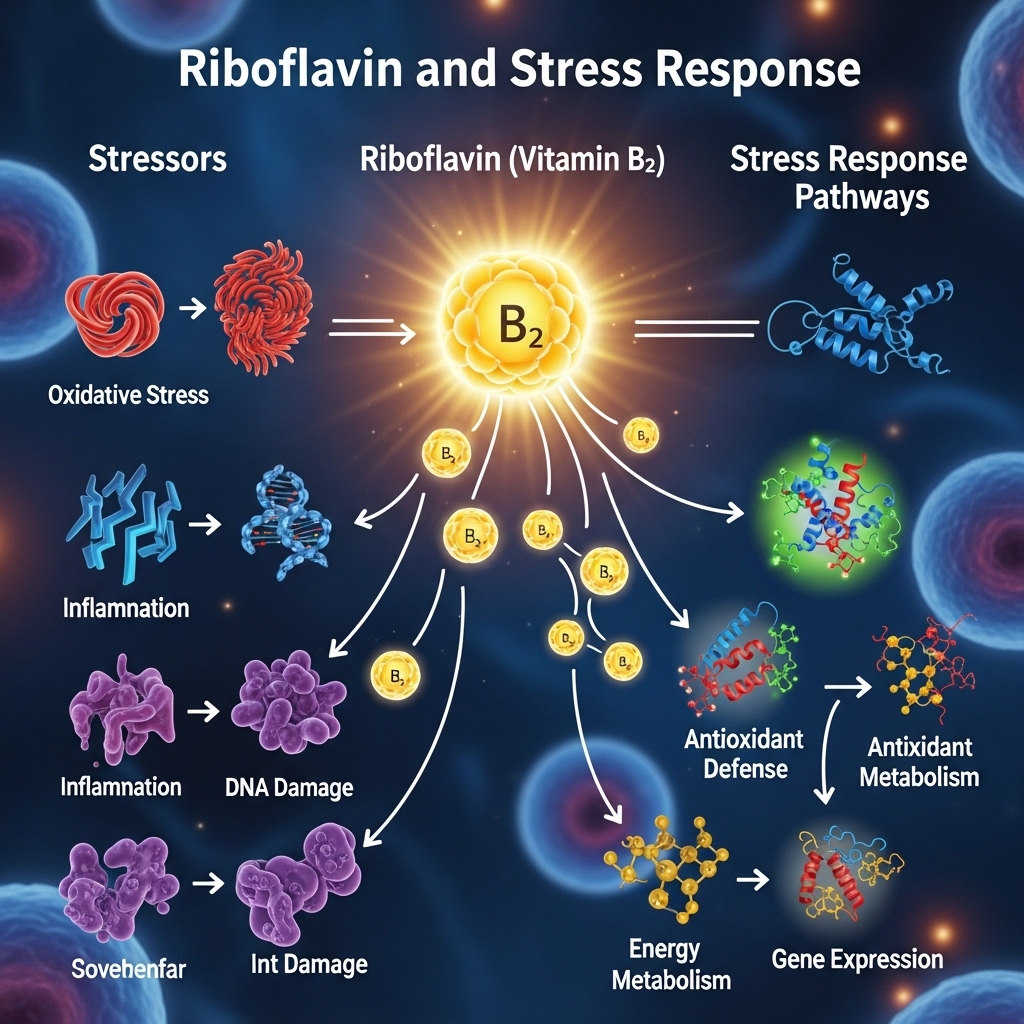
Stress increases energy demand and raises pressure on the body. Riboflavin helps by supporting energy production and lowering oxidative stress. As a result, the body handles stress more effectively.
At the same time, the vitamin b2 benefits include better response to high cortisol levels. Stable energy helps reduce the effects of long-term stress. Consequently, recovery improves.
Over time, this balance helps prevent burnout. Therefore, riboflavin supports a more stable stress system.
READ ALSO: Best Vitamins and Minerals for Immunity: What You Need
Role in Cellular Repair and Longevity

Cells repair damage daily to stay healthy. Riboflavin supports this by providing energy and lowering oxidative harm. As a result, cells recover more efficiently.
Furthermore, the vitamin b2 benefits include slower buildup of damage in cells. Healthy cells support longer life and better function. Consequently, aging slows at the cellular level.
Research shows that nutrients support repair systems. Thus, riboflavin plays a key role in this process.
READ ALSO: Vegan Vitamin B12 Supplements for Mindful Nourishment
Riboflavin and Muscle Function
Muscles need steady energy to perform well. Riboflavin helps improve energy production in muscle cells. As a result, strength and endurance improve.
In addition, the vitamin b2 benefits include less muscle fatigue and better recovery. Lower oxidative stress also protects muscle tissue. Therefore, performance stays consistent.
Muscle health supports overall metabolism. Thus, riboflavin helps maintain strong muscle function over time.
READ ALSO: The Benefits of B Vitamins – Whole Living Wellness
Nutritional Status and Absorption Factors

Riboflavin levels depend on diet and how well the body absorbs nutrients. Common sources include dairy, eggs, and green vegetables. However, lifestyle factors can affect intake.
Moreover, the vitamin b2 benefits depend on steady intake and proper use in the body. High stress or heavy workload can increase the need for this nutrient. As a result, monitoring intake becomes useful.
Data from the National Institutes of Health show the importance of balanced nutrient intake. Therefore, riboflavin supports this balance.
High-performing individuals assessing vitamin b2 benefits may explore structured nutrition reviews, adjust dietary patterns, and track markers such as homocysteine or oxidative stress. In addition, including riboflavin-rich foods within a balanced diet supports energy systems and cell health. Over time, aligning nutrient intake with workload demands provides a practical, evidence-based approach to maintaining performance, recovery, and long-term health stability
UP NEXT: Good Vitamin Supplements for Men to Boost Your Vitality Now
Adequate riboflavin levels help reduce oxidative stress and improve mitochondrial function, slowing the accumulation of cellular damage that contributes to biological age. WholeLiving's Biological Age Estimation Model incorporates this factor directly — your assessment takes under five minutes.
Ready to understand how these factors are influencing your biological age right now? [Take the Biological Age Assessment →]