

If you're looking for the best vitamins for hair growth, you've come to the right place. Many of us dream of healthy hair that grows long and strong, but hair thinning and hair loss can make this seem difficult. The good news is, vitamins can help support hair growth and restore hair health naturally. With a few changes to your diet and lifestyle, you can encourage hair follicles to become more active and support healthy hair growth over time.
The Importance of Vitamin to Increase Hair Growth for Healthy Hair

Vitamins play an essential role in hair health by nourishing the hair follicles and supporting the natural hair growth cycle. If you don’t get enough certain vitamins, such as biotin, a deficiency can cause brittle hair, making it weak and prone to breakage. A balanced diet rich in essential nutrients like vitamin C, vitamin D, and B vitamins can help maintain a vibrant head of healthy hair. Although biotin deficiency is rare, it can contribute to hair loss. Thankfully, most people can cover all their nutritional needs through a healthy, balanced diet.
Introduction to Hair Health

Hair health is an important reflection of your overall well-being. Achieving healthy hair growth begins from within. Just like your skin and nails, your hair needs a steady supply of essential nutrients to stay strong, shiny, and resilient. A balanced diet packed with vitamins, minerals, and proteins is crucial for supporting hair growth and preventing hair loss.
When your body gets all the nutrients it needs, your hair follicles are better equipped to produce healthy hair strands. For those who struggle to get enough nutrients from food alone, hair growth supplements can be a great addition, helping to fill in any nutritional gaps and promote healthy hair growth. By prioritizing hair health through proper nutrition, hydration, and care, you can enjoy fuller, healthier hair and reduce the risk of hair loss.
Understanding Hair Loss

Hair loss, or alopecia, is a widespread concern that can affect anyone. It can result from many factors, including genetics, hormonal changes, nutritional deficiencies, psychological stress, and health conditions. One of the most common types in women is female pattern hair loss, also known as androgenetic alopecia, which causes thinning hair across the scalp.
Experiencing hair loss can be emotionally challenging, but understanding its root cause is the first step toward treatment. Whether related to a vitamin deficiency, hormonal imbalance, or another factor, there are options available—from targeted hair growth supplements to lifestyle changes—that can help restore overall hair health and encourage new hair growth. Consulting with a health care professional can help you find the best approach for your unique needs.
Key Vitamins That Promote Hair Growth
The first step in encouraging healthy hair growth is ensuring that your body has the vitamins and minerals it needs. Here’s a breakdown of the best vitamins for hair growth:
- Vitamin C: Vitamin C is essential for collagen production, which helps protect hair follicles from damage and supports hair health. As a powerful antioxidant, it protects against oxidative stress caused by free radicals, which can hinder hair growth. Vitamin C also aids in iron absorption, an important process for maintaining healthy hair growth.
- Vitamin D: This vitamin plays a significant role in stimulating new hair growth and creating new hair follicles. A deficiency in vitamin D can lead to hair thinning and even hair loss.
- B Vitamins: These include biotin, pantothenic acid, and folic acid, all of which help prevent hair thinning, promote hair regrowth, and stimulate hair growth by nourishing hair follicles and supporting the hair growth cycle.
- Iron: Iron is crucial because it helps red blood cells carry oxygen to hair follicles, which is vital for promoting hair growth.
Vitamin A and Its Role in Hair Health
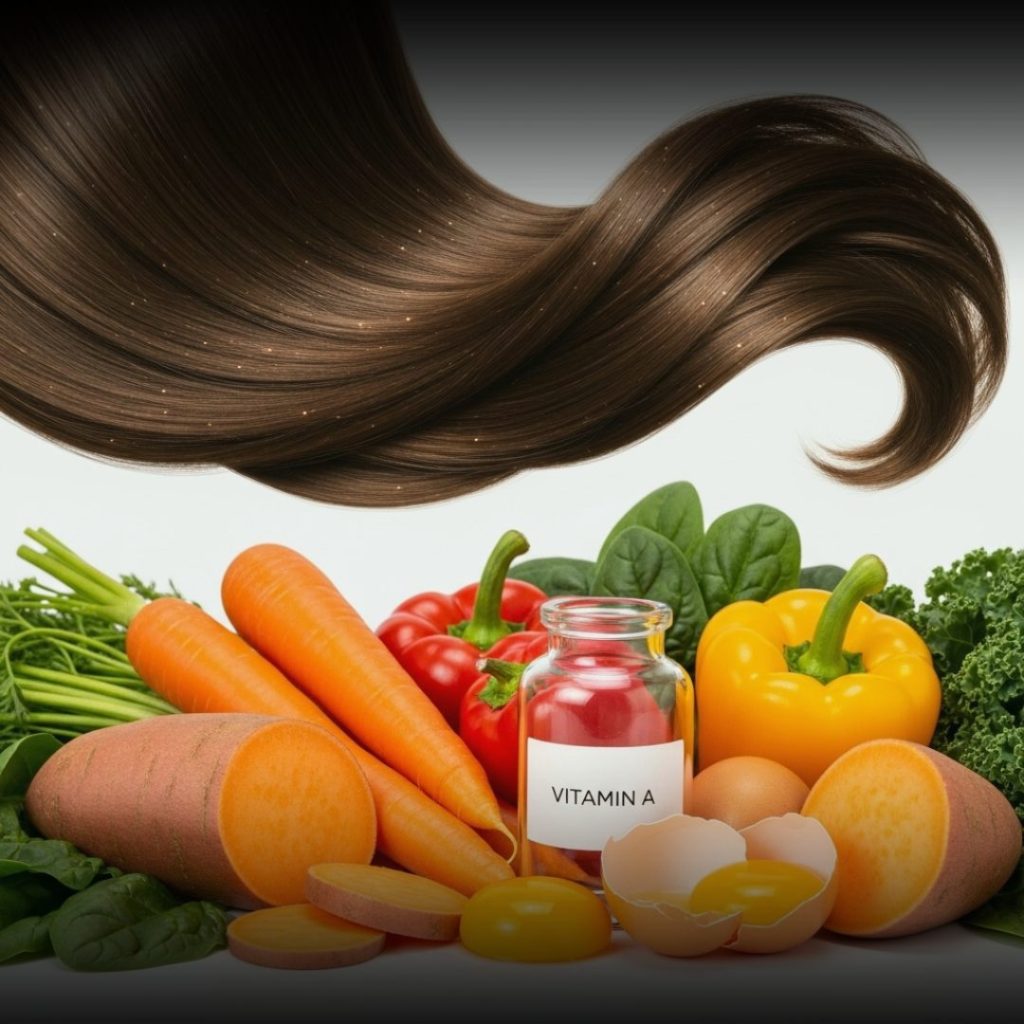
Vitamin A plays an important role in maintaining healthy hair by supporting scalp moisture. It helps skin glands produce sebum, which naturally moisturizes the scalp and prevents hair breakage. Vitamin A is found in many foods, including sweet potatoes, carrots, salmon, kale, and spinach. This vitamin maintains hair structure and ensures that your hair follicles are nourished and functioning properly. However, excessive intake of vitamin A can lead to hair loss. It’s important to strike the right balance when it comes to vitamin A intake.
Check out this Nutrafol Women's Balance Hair Growth Supplements here.
Iron Deficiency and Hair Growth
The Iron deficiency is a common cause of hair loss in both men and women. Iron helps carry oxygen to your hair follicles, which is essential for promoting healthy hair growth. If you lack enough iron, your hair may begin to fall out or become weak. Foods rich in iron, like spinach and lean meats, can help prevent hair thinning caused by iron deficiency.
Omega-3 Fatty Acids for Hair Thickness
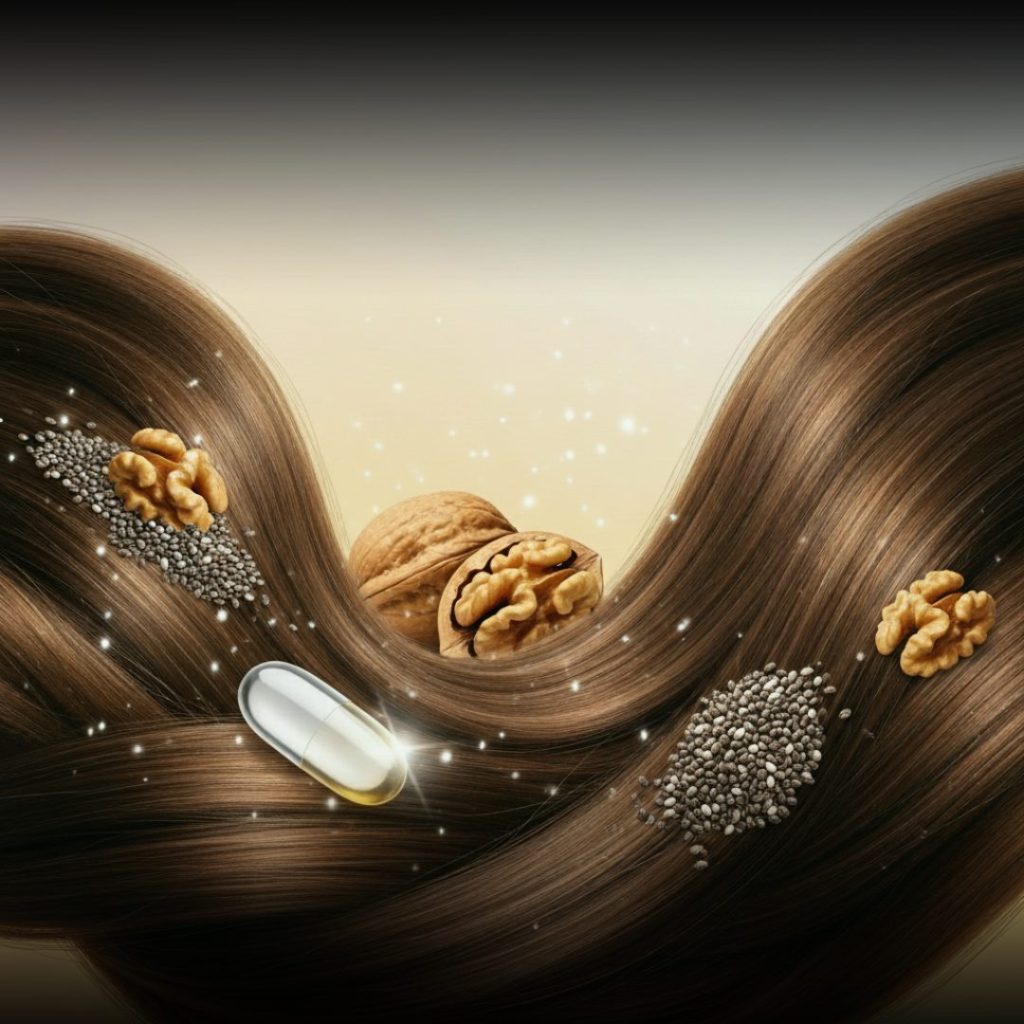
Omega-3 fatty acids, found in fatty fish like salmon, are vital for maintaining the health of your scalp and hair follicles. These fatty acids also help promote shiny hair, supporting overall hair health and shine. They improve blood circulation to the scalp, which can stimulate new hair growth. By incorporating omega-3 fatty acids into your diet, you can support hair health from within.
Omega-3 fatty acids play a key role in reducing inflammation, which is a major contributor to hair thinning and hair loss. They nourish your scalp, keeping it hydrated and free from dryness. This creates the ideal environment for healthy hair growth. Including foods like flaxseeds, walnuts, and chia seeds in your diet can further enhance the benefits of omega-3 fatty acids, giving you healthier, more vibrant hair.
Check out this Triple Strength Omega 3 Fish Oil here.
The Power of Zinc in Hair Growth
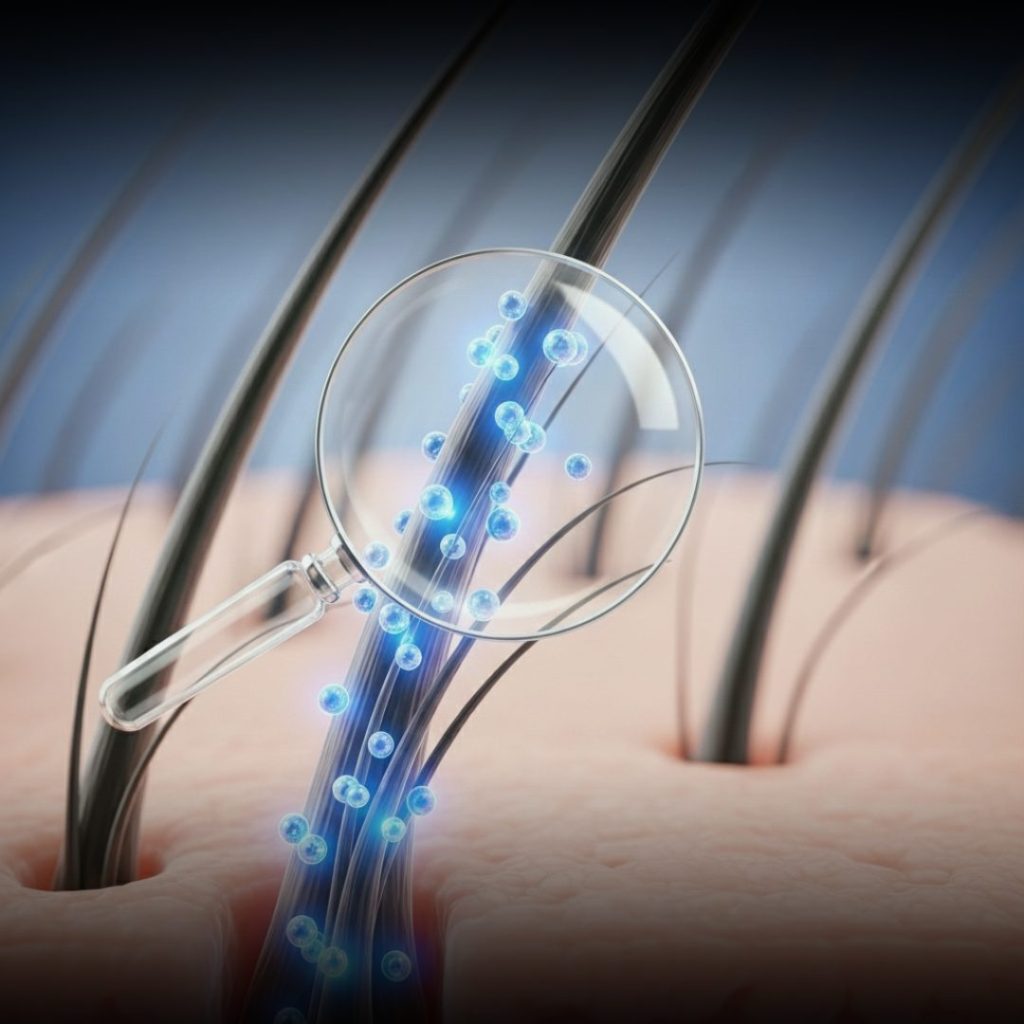
Zinc plays a vital role in maintaining hair health by supporting hair follicles and regulating the oil glands around them. If you experience a zinc deficiency, supplementation may be necessary to prevent or reduce hair loss.
Zinc is essential for hair tissue growth and repair. It helps keep the sebaceous glands around hair follicles functioning properly. A zinc deficiency can lead to hair thinning and even hair loss. Including zinc-rich foods like nuts, seeds, and oysters in your diet can help promote hair growth.
How to Choose the Right Hair Growth Supplements

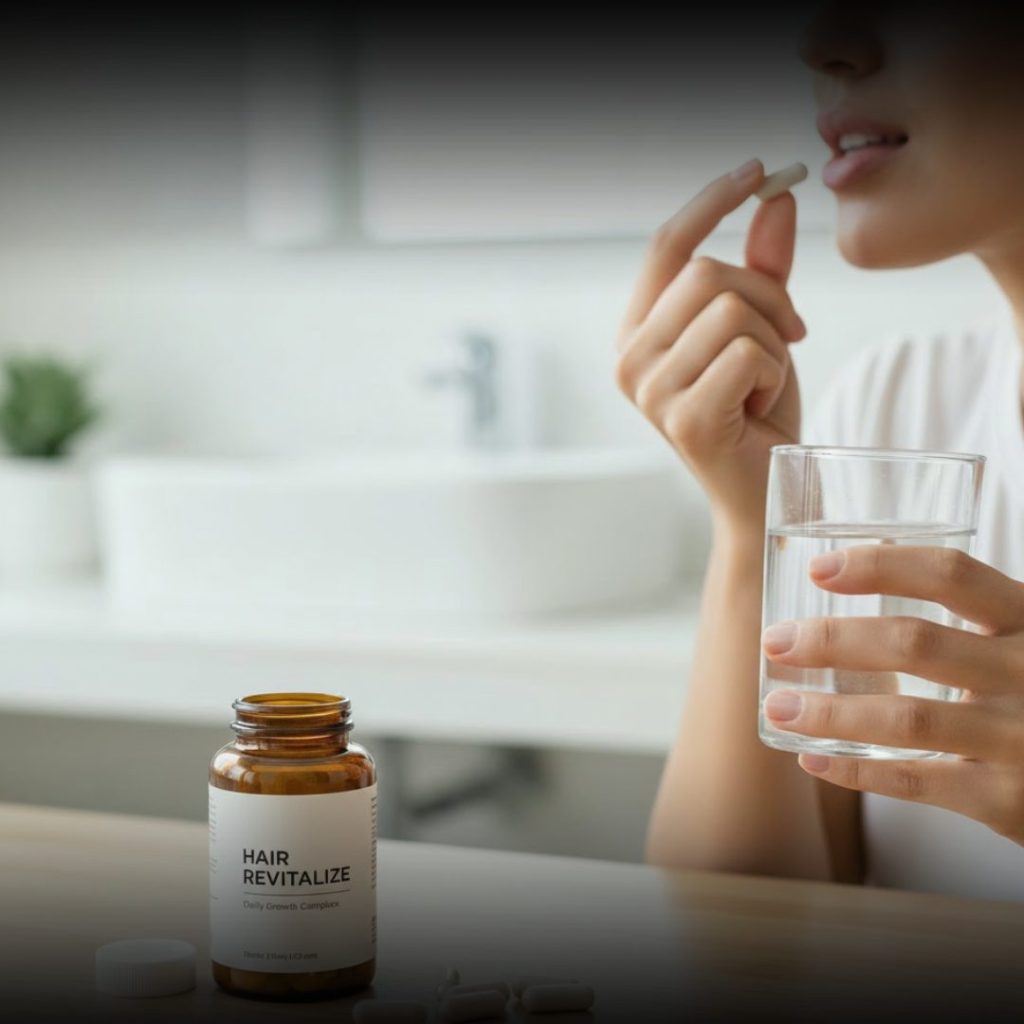
If you struggle to get enough vitamins for hair growth through diet alone, dietary supplements can help support hair growth, especially if there are specific deficiencies. Hair growth supplements typically contain a blend of vitamins, minerals, and other essential nutrients formulated to encourage hair growth.
When choosing a hair growth supplement, look for products that include high-quality supplements such as biotin, vitamin D, vitamin C, and zinc. These vitamins for hair growth are proven effective in promoting healthy hair. Long-term use of some supplements, especially those with high doses, may increase the risk of chronic conditions, so consult a healthcare professional before starting any new supplement regimen.
READ ALSO: Best Shampoo for Damaged Hair: Revive and Restore
The Role of Biotin in Hair Growth
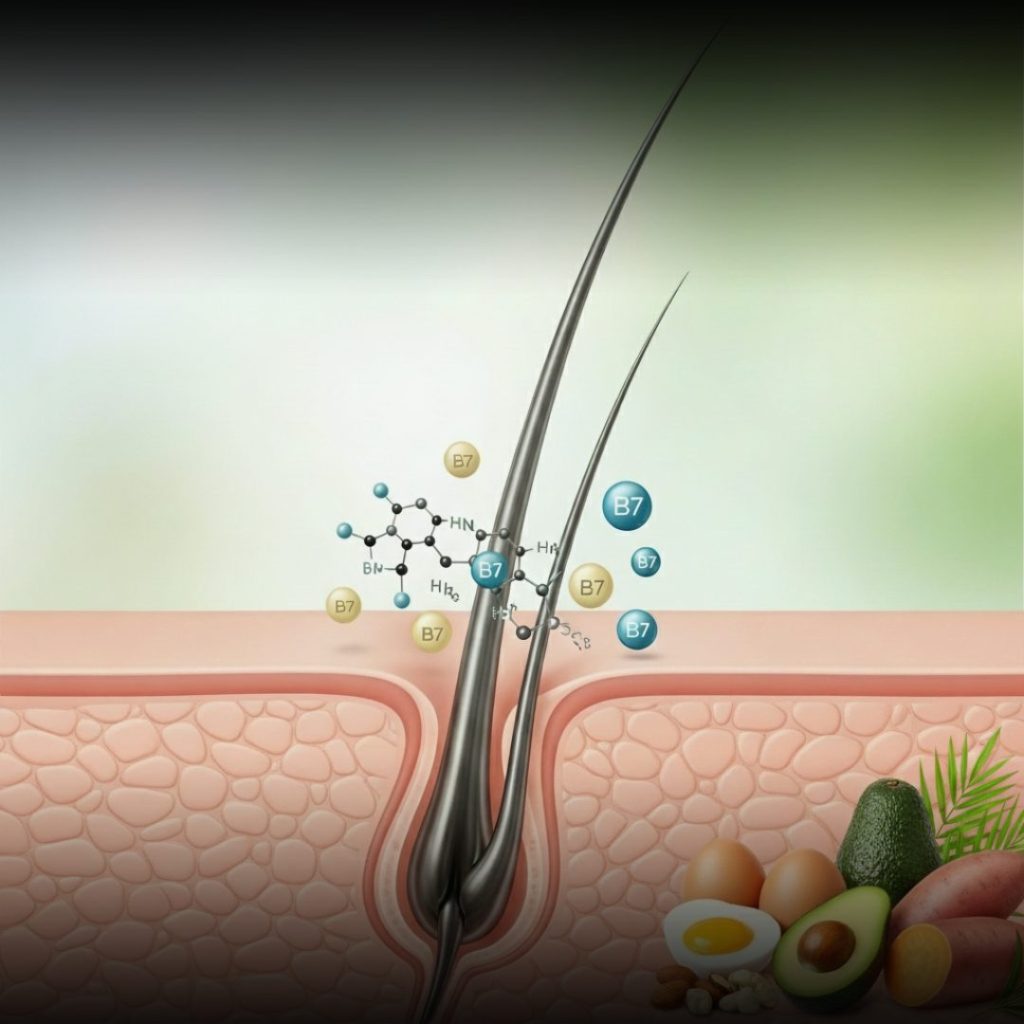
Biotin, also known as vitamin B7, is a popular choice among vitamins for hair growth. It is commonly included in nail supplements that aim to improve hair, skin, and nails. This water-soluble vitamin strengthens hair strands, improves hair thickness, and stimulates new hair growth. If you have biotin deficiency, your hair may become brittle and thin, making it harder to achieve healthy hair growth. You can find biotin in foods like eggs, liver, wheat and oat cereals, vegetables, rice, and dairy products.
The Impact of Vitamin E on Hair Health

Vitamin E is an antioxidant that helps improve blood circulation to the scalp, promoting hair regrowth and strengthening hair follicles. It protects the hair structure from oxidative stress, which can contribute to hair loss and hair thinning.
Regular intake of vitamin E, through food sources like almonds, spinach, and sunflower seeds, can significantly improve hair health. Vitamin E aids in the regeneration of scalp cells, creating an ideal environment for hair follicles to thrive.
Food Sources of Vitamins for Hair Growth
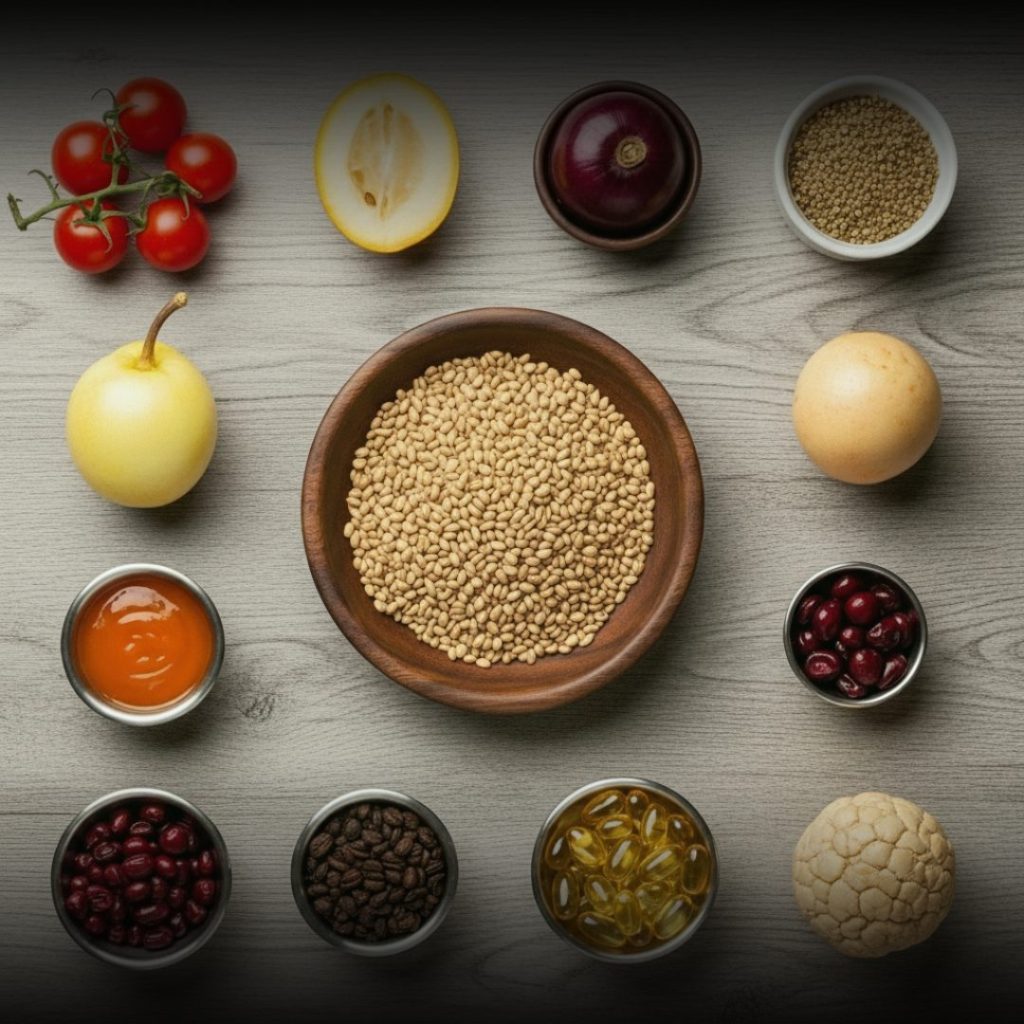
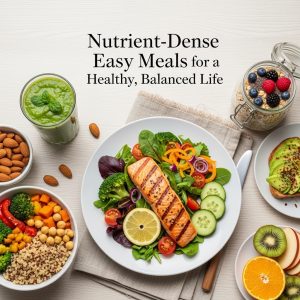
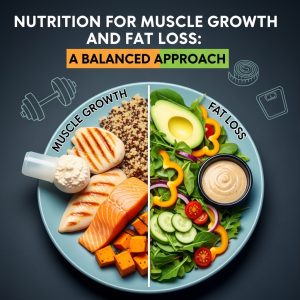
While hair growth vitamins are available in supplement form, you can also find these nutrients in everyday foods. A balanced diet rich in vitamins and minerals can support healthy hair growth naturally. Here are some food sources to include in your diet:
- Vitamin A: Sweet potatoes, carrots, and spinach are rich in beta-carotene, a precursor of vitamin A.
- Vitamin C: Citrus fruits, red and green bell peppers, tomatoes, broccoli, and strawberries.
- Vitamin D: Fatty fish like salmon, fortified foods, mushrooms, and dairy products.
- B Vitamins: Whole grains, eggs, avocados, and legumes.
- Iron: Spinach, lentils, and red meat.
- Omega-3 Fatty Acids: Fatty fish, walnuts, and flaxseeds.
- Vitamin E: Wheat germ oil, avocados, almonds, and sunflower seeds.
- Zinc: Oysters, meat, eggs, fish, nuts, dark chocolate, pumpkin seeds, and chickpeas.
READ ALSO: Professional Health Products That Do More With Less
Addressing Female Pattern Hair Loss
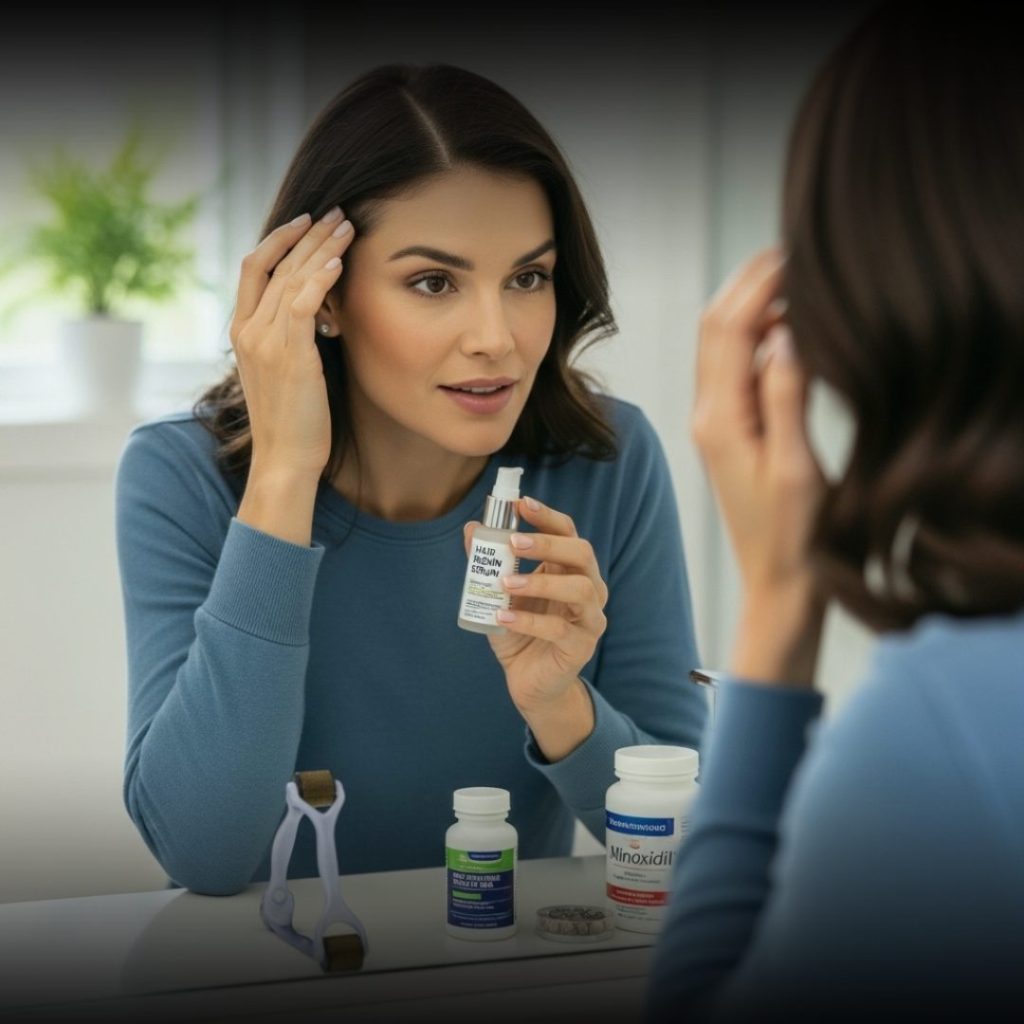
For women experiencing female pattern hair loss, certain vitamins and minerals can be especially helpful. Hormonal changes, like those caused by polycystic ovary syndrome (PCOS), can contribute to hair thinning or loss. Vitamin D and iron are essential for promoting hair growth and preventing hair thinning. Vitamin D helps create new hair follicles, supporting hair regrowth.
Managing Stress and Its Impact on Hair Health
Psychological stress can negatively affect your hair growth cycle, leading to hair thinning and hair loss. Stress triggers cortisol production, disrupting the hair follicles and causing hair loss. Incorporating stress-management techniques, like mindfulness, exercise, and proper sleep, can reduce stress-induced hair loss.
Vitamin C and B vitamins help manage stress and support the body’s ability to handle it, protecting your hair from stress-induced hair loss. Vitamin C also shields your hair follicles from oxidative stress.
Best Practices for Hair Growth 
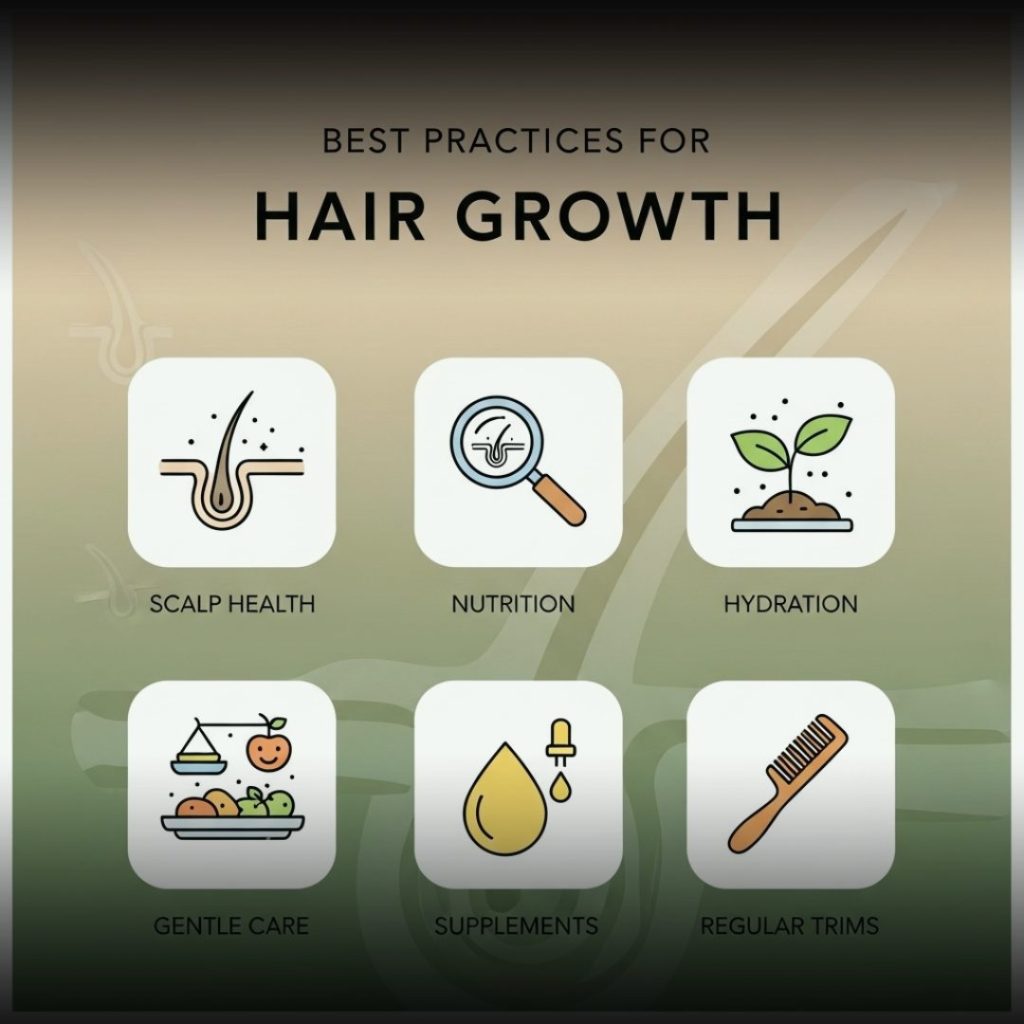
Supporting hair growth and maintaining healthy hair requires smart lifestyle choices. Start with a balanced diet full of essential nutrients, which are the building blocks for strong hair. Staying hydrated and managing stress are also key factors. For those with dietary restrictions or deficiencies, hair growth supplements can provide added support. Additionally, adopting gentle hair care practices—like using mild shampoos and conditioners—can help protect your hair and encourage healthy hair growth.
READ ALSO: Winter Hair Care
Embrace a Holistic Approach to Hair Health
Achieving healthy hair growth is about more than just taking the right vitamins for hair growth. It’s about embracing a holistic approach. Proper nutrition, supplementation, and stress management are all key components. Magnesium also supports hair growth, though evidence is lacking on its connection to hair loss. With patience and the right nutrients, you can encourage new hair growth, support healthy hair, and restore your confidence.
UP NEXT: Detox Body Cleanser to Ease You Into the New Season