

When you embark on a weight loss journey, the idea of weight loss nutrition diet can feel overwhelming. You might be searching for that perfect healthy diet to help you lose weight while maintaining your well-being. What if I told you that a diet could be tailored to your natural rhythm, allowing you to reach your weight loss goals in a way that feels nourishing and sustainable?
Let me guide you through a journey where healthy eating meets balance, and every step feels more like a celebration than a restriction. Together, we will explore a healthy weight approach that honors your body, your lifestyle, and your health needs.
The Foundation of Weight Loss Nutrition: It's All About Balance
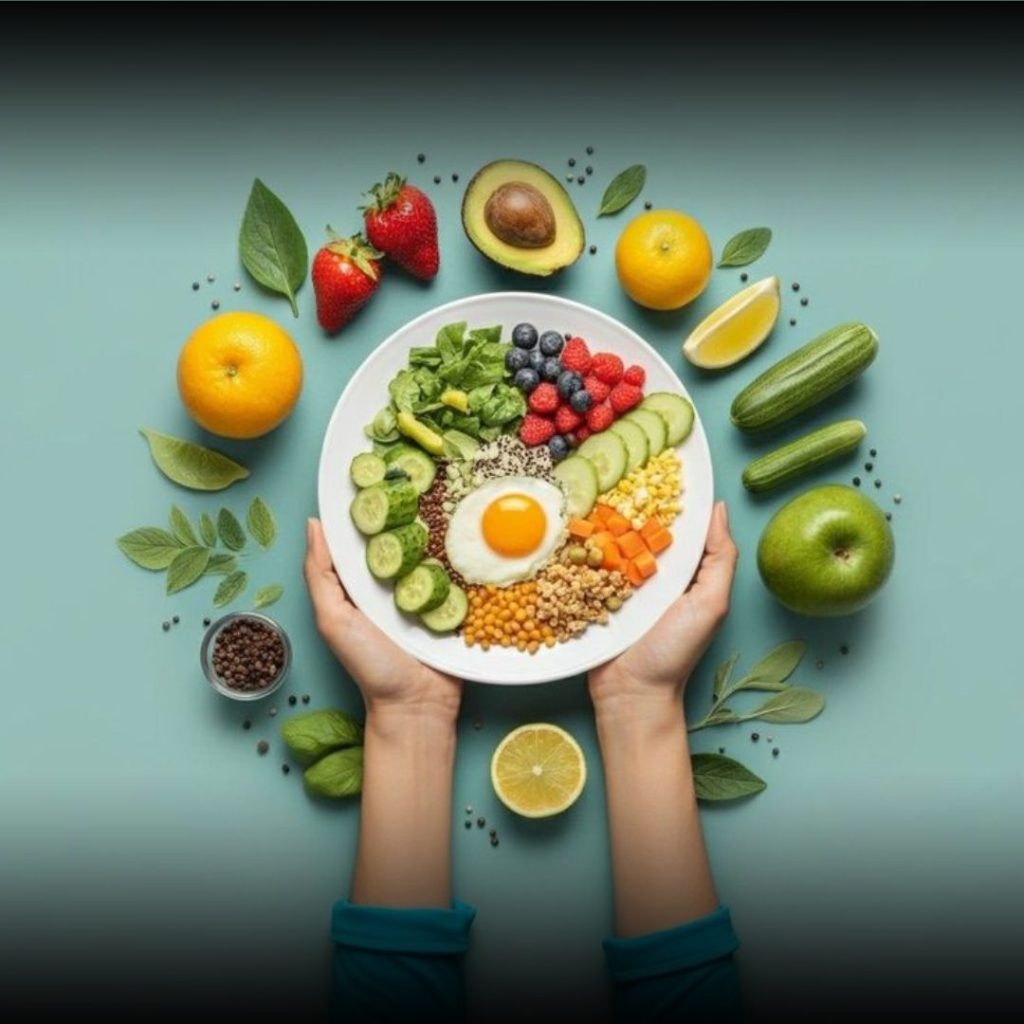
A healthy eating plan doesn't mean depriving yourself of the foods you love. In fact, it's the complete opposite. A successful weight loss nutrition diet is about creating balance with every meal. It’s about being kind to your body and focusing on eating habits that make you feel good inside and out.
If you’ve been struggling with restrictive fad diets, it might be time to rethink your approach. Healthy foods like whole grains, lean meats, and plenty of fruits and vegetables are the foundation of a diet that helps you feel energized, vibrant, and satisfied. Yes, even when you’re aiming to lose weight. The key is eating fewer calories in a way that feels like a positive shift toward your best self—not a punishment.
Start with Real, Unprocessed Foods
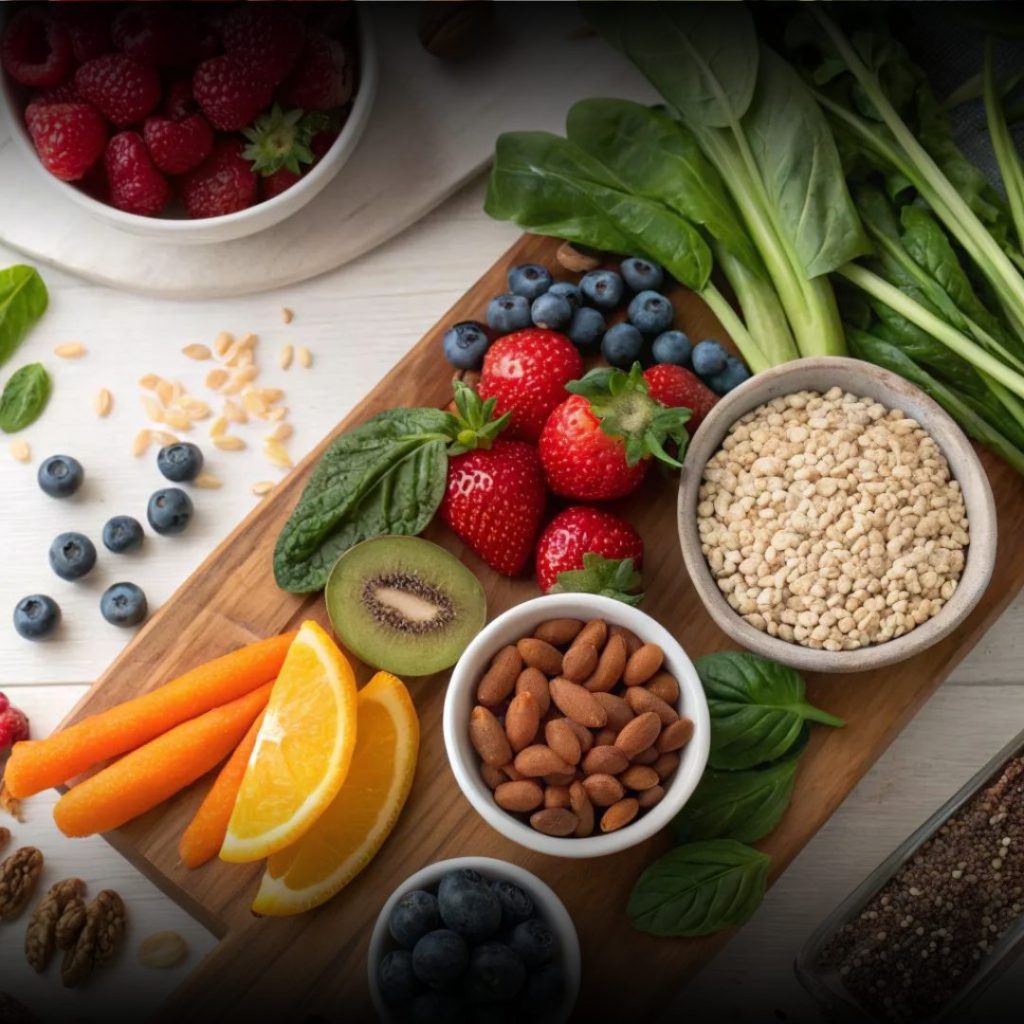
As you craft your weight loss nutrition diet, start by focusing on unprocessed foods. These foods are not only more nutritious but also packed with the vitamins, minerals, and fiber that will support metabolic health and boost your energy levels. Opt for foods that are free from additives and preservatives, and fill your plate with healthy fats, lean meats, whole grains, and low fat dairy foods. This is a healthy eating plan that helps support your cardiovascular risk factors, keep your blood sugar stable, and reduce the risk of heart disease.
One of the easiest ways to make smarter food choices is by incorporating foods that are naturally low in sugar and rich in fiber, like fruits and vegetables and whole grains. The fiber content helps you feel full longer, making it easier to control your daily calorie intake without feeling deprived.
Focus on Healthy Fats and Lean Proteins
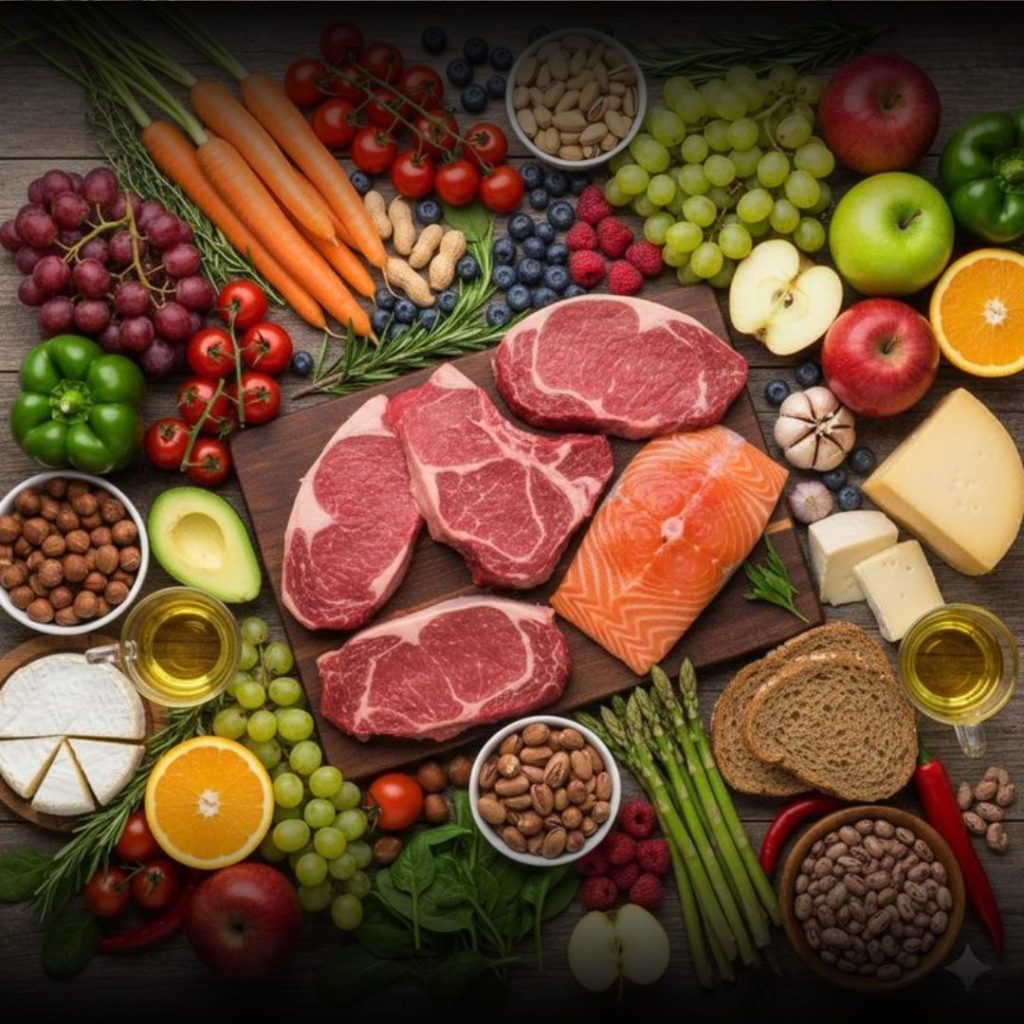
When it comes to healthy eating, one of the most crucial aspects is fat intake. Yes, fats are an essential part of a balanced diet, but it’s important to choose the right types. While saturated fats found in processed foods and red meat can be harmful, healthy fats found in sources like avocado, olive oil, and nuts provide much-needed nutrition without sabotaging your weight management goals. These healthy fats help regulate blood pressure, balance hormones, and keep your skin glowing.
Along with healthy fats, lean proteins like chicken, turkey, and fish, as well as low fat dairy foods like Greek yogurt, should be central to your dietary strategy. Lean meats are packed with protein that fuels your muscles and supports a healthy metabolism. So, the next time you're planning your meals, consider adding a serving of lean meats paired with a colorful salad full of fruits and vegetables.
Avoid the Pitfalls of Counting Calories
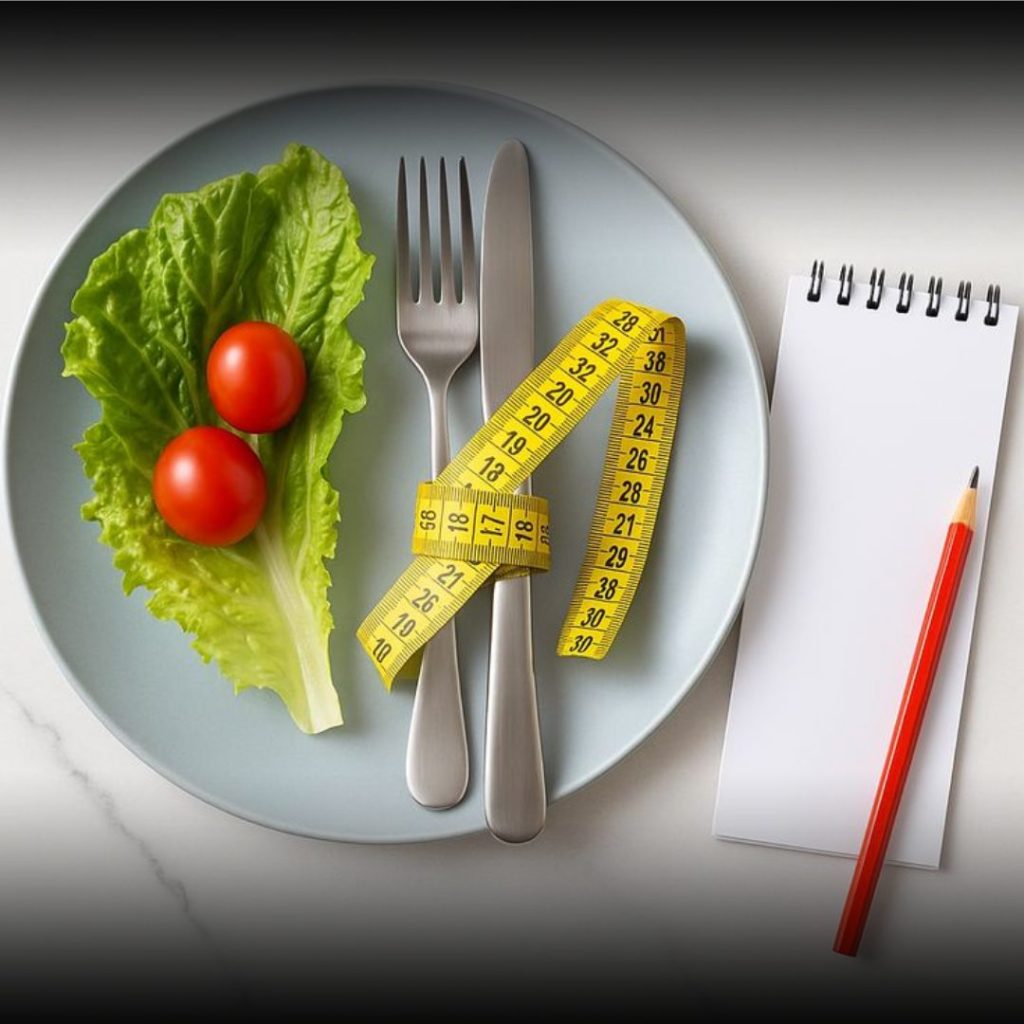
In our modern world, it’s easy to get caught up in counting calories and obsessing over every bite. While it's true that managing your energy intake is important for successful weight loss, eating fewer calories should not feel like a punishment. Instead, aim to create a sustainable diet plan that nourishes you from the inside out.
If you’re following an intermittent fasting regimen, be mindful not to overeat during your eating window. Listen to your body and eat healthy foods that keep you full, energized, and satisfied. Ultimately, it's the long-term lifestyle habits that make the most difference, rather than constantly checking labels or obsessing over carbohydrate intake.
Mind Your Macros: Carbs, Fats, and Proteins in Harmony
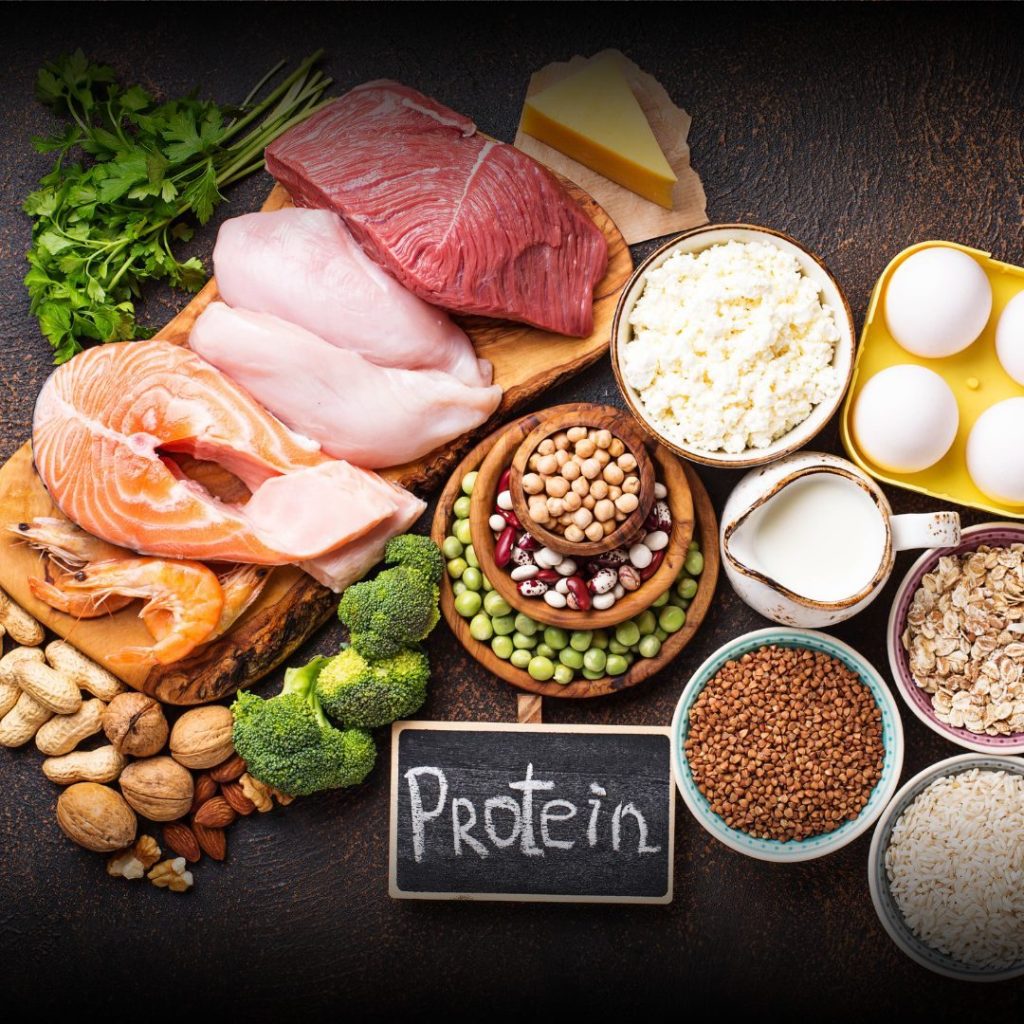
When it comes to a healthy weight, there’s no one-size-fits-all solution. However, understanding how to balance carbohydrates, proteins, and healthy fats can make a huge difference. A low fat, low calorie diet might be suitable for some, but for others, embracing a Mediterranean diet or nordic diet might offer better weight loss outcomes.
The key is to find a dietary approach that suits your body and lifestyle. A low fat dietary strategy could involve reducing your intake of fatty meats and focusing on plant-based fats like those found in nuts and seeds. At the same time, don’t be afraid of carbs—just focus on the right ones, like whole grains and vegetables, rather than refined grains and sugars.
Hydration and Portion Control
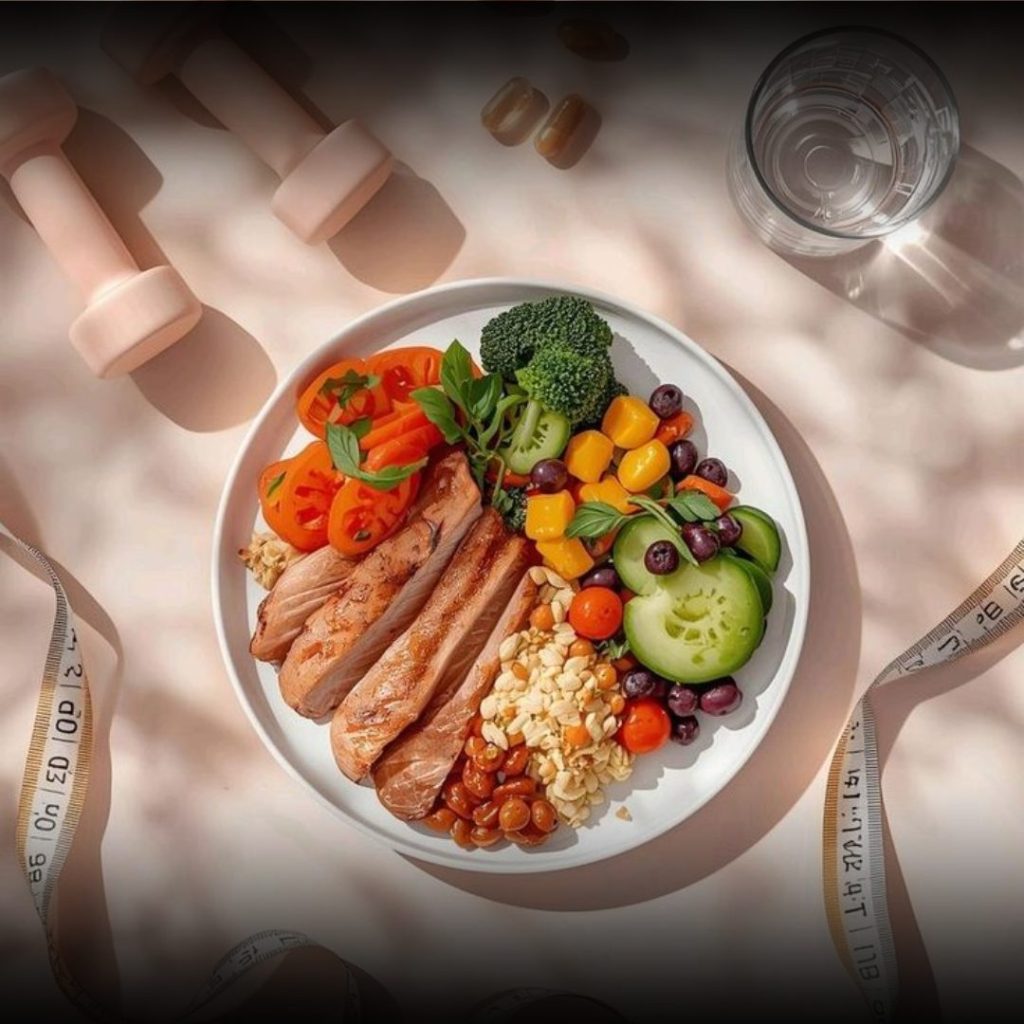
While food is essential, don’t forget the power of hydration. Water plays a vital role in your metabolism and can help with successful weight loss. Sometimes, thirst is mistaken for hunger, so make sure to drink enough water throughout the day. Additionally, portion control is a simple yet effective way to keep your weight loss nutrition diet on track. Aiming for smaller, balanced meals will prevent overeating and keep your body composition in check.
READ ALSO: Start Your Day with Hydration
Incorporate Physical Activity into Your Daily Routine

No weight loss nutrition diet would be complete without physical activity. Whether it’s yoga, walking, cycling, or strength training, moving your body is essential for weight management. Regular exercise helps with metabolic syndrome prevention, boosts energy intake, and promotes a healthy weight.
Start small and choose an activity you enjoy. The goal is to make physical activity a daily part of your life. It doesn’t need to be a strenuous workout at first; even a brisk walk can help regulate your metabolism and contribute to successful weight loss.
Sustainability is Key: Long-Term Healthy Eating Habits

The weight loss nutrition diet that works best is one that can be sustained long term. Quick fixes like very low calorie diets or meal replacements might offer short-term weight loss but rarely provide lasting results. Instead, focus on building healthier eating habits that you can maintain for life.
Remember, the ultimate goal is not just to lose weight but to embrace a lifestyle that supports your overall health benefits—mentally, physically, and emotionally. Make each meal a chance to nourish your body and embrace your journey, and celebrate your progress along the way.
READ ALSO: Breaking Bad Eating Habits – Whole Living Balance
Mindful Eating: A Simple Yet Powerful Tool

Mindful eating is one of the most transformative practices in a weight loss nutrition diet. By taking the time to fully engage with your food, you become more in tune with your hunger cues, helping you avoid overeating.
Focus on eating slowly, savoring every bite, and noticing how each food makes you feel. This practice not only helps with weight loss but also cultivates a deeper sense of appreciation for the nourishment that food provides.
READ ALSO: How to Eat Healthy When You’re Always Busy
The Power of Support: Surround Yourself with Encouragement

Finally, always remember that you’re not alone on this journey. Surround yourself with people who support your weight loss goals, whether it's family, friends, or an online community. Lean on them when things get tough and celebrate your victories together.
This weight loss nutrition diet is not just about the food—it’s about creating a life that reflects your values, your health, and your well-being. Keep moving forward, one step at a time, and trust the process. You've got this.
Find Your Balance

The key to a successful weight loss journey is balance. Embrace a healthy diet that respects your body's needs and rhythm. Make healthier eating habits a part of your lifestyle and remember that each step forward is progress. By prioritizing healthy eating, healthy fats, and physical activity, you're not just aiming to lose weight—you're aiming to live a life that feels good inside and out. Stay committed to your journey and trust in your ability to create lasting change.
UP NEXT: Nutrition Solutions to Heal Your Relationship with Food