
Have you ever experienced eye muscle twitching? It's that sudden, involuntary movement of your eyelid that can be both annoying and unsettling. Often referred to as eyelid twitching, it happens when the eyelid muscles contract without your control. In most cases, eye twitching is harmless, but understanding why it happens can help you address it. Let’s walk through some common causes, treatments, and when it’s time to see an eye doctor.
Sometimes, eyelid spasms are just temporary and will go away on their own. Other times, they can last longer, leaving you wondering what’s going on. Factors such as stress, fatigue, or even too much caffeine can trigger these twitching episodes. While most causes are benign, understanding when to seek help is essential for your peace of mind.
Throughout this article, we’ll dive into the causes of eye twitching, how to prevent it, and when you should see a specialist. If you've been dealing with this issue, you are not alone—many people experience eye twitching at some point. So, let’s explore this common occurrence and how to manage it together.
Common Causes of Eye Muscle Twitching
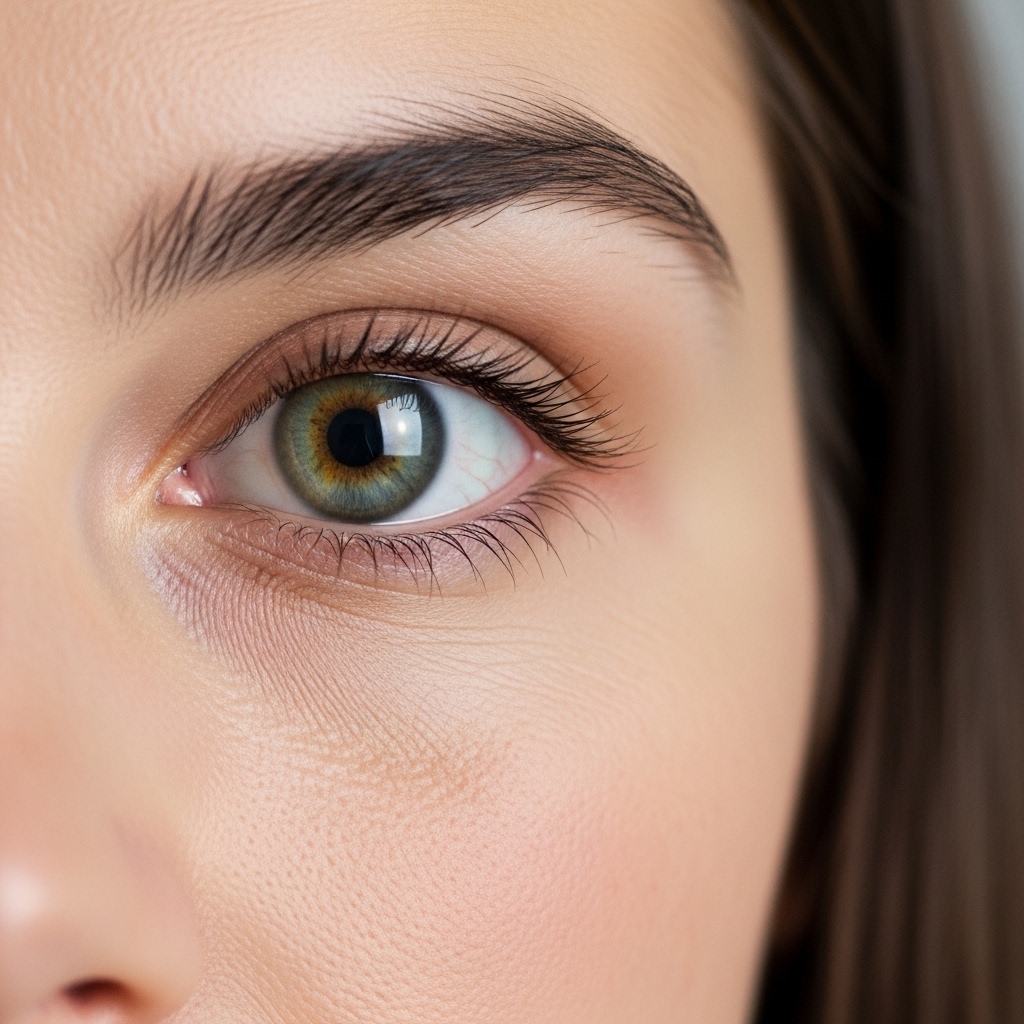
Several factors can trigger eye muscle twitching. For some, it's as simple as stress or fatigue. Too much caffeine or eye strain can also be culprits. When your nervous system gets overstimulated, it can lead to muscle spasms like these. If you’ve been glued to digital devices for hours, this could easily be contributing to your eyelid spasms. In such cases, the key is to take frequent breaks to reduce strain and calm your muscles.
Stress and fatigue go hand-in-hand, often making the problem worse. If you’ve been feeling stressed lately or not getting enough sleep, your body may react by manifesting that stress through physical symptoms like twitching eyelids. It’s the body’s way of signaling that it’s been overworked. Practicing relaxation techniques or indulging in a calming evening routine can help reduce the frequency of these twitches.
Sometimes, the cause is simpler than you think—eye strain from staring at a screen for hours can cause your eyelid muscles to overwork. If you’ve been spending too much time on a computer or smartphone, the best thing you can do is take a break. By resting your eyes for even a few minutes, you can help relieve eye irritation and prevent further twitching.
READ ALSO: Body Sensor Network Is The Key to Optimize Your Health
Eyelid Twitching vs. Other Eye Spasms
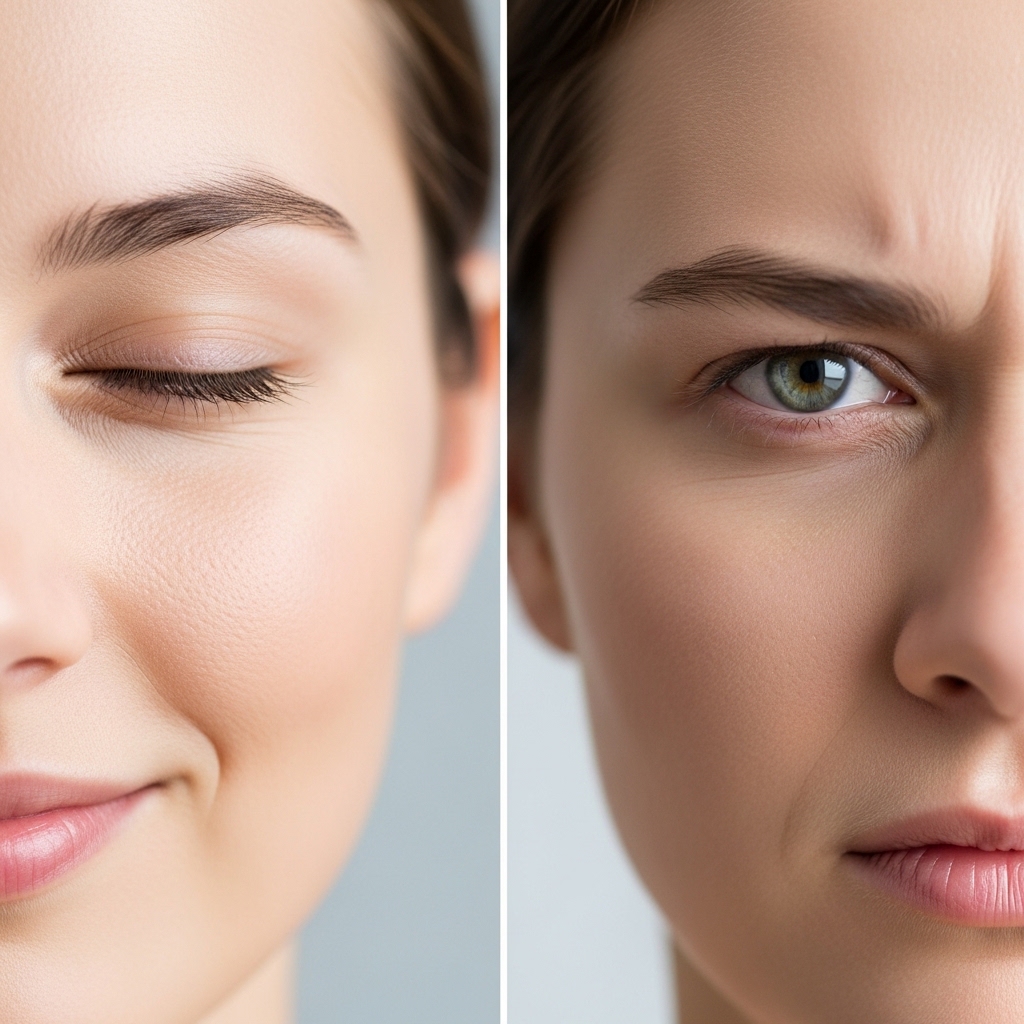
While eyelid twitching is typically benign, there are more serious conditions to consider. For instance, benign essential blepharospasm is a rare condition that causes uncontrollable spasms in the eyelid muscles. It usually affects both eyes and can interfere with your ability to keep them open. If your twitching eyelid is accompanied by other symptoms, such as blurry vision or light sensitivity, it might be a sign of a deeper issue. This is when you should consult with a specialist in neuro ophthalmology.
Another condition to be aware of is eyelid myokymia, which often results in mild, localized twitching. It’s a more common occurrence and doesn’t typically indicate anything serious. However, if the spasms persist for an extended period of time, or if they are linked with facial spasms, it could point to a condition that requires medical attention. Eye spasms that affect the side of the face might be a sign of hemifacial spasm, which is more complex and requires treatment from a healthcare provider.
In rare cases, eye twitching could be a symptom of something more severe, such as a nervous system disorder or even a brain tumor. While these causes are rare, they should be ruled out if your eye twitching becomes more frequent or severe. If you notice any other concerning symptoms, don’t hesitate to visit an eye doctor to discuss your options.
READ ALSO: The Body Keeps the Score—Here’s What That Means
When Twitching Becomes a Concern

In rare cases, eye twitching can be a sign of nervous system disorders or even brain tumors. If the twitching is persistent and worsens, especially when paired with facial spasms or weakness in the facial muscles, it could indicate something more serious like hemifacial spasm. Eye twitching worse with other symptoms is a red flag, and you should seek professional help for a proper eye exam to rule out these conditions.
Another cause for concern is when the twitching lasts for an extended period, typically a few days or more. If your twitching eyelid becomes progressively worse and doesn’t respond to common treatments, it’s important to consult a healthcare provider. Botulinum toxin injections are sometimes used to treat severe cases of eyelid spasms, helping to relax the facial muscles and reduce twitching.
The presence of other symptoms, such as blurry vision or changes in your vision alongside the twitching, should be addressed immediately. These symptoms could point to underlying neurological or systemic issues that require further evaluation and intervention. A thorough eye exam with your doctor will help you get to the bottom of the issue.
READ ALSO: Gut Feeling: What Your Body’s Trying to Tell You
Stress, Fatigue, and Eye Twitching
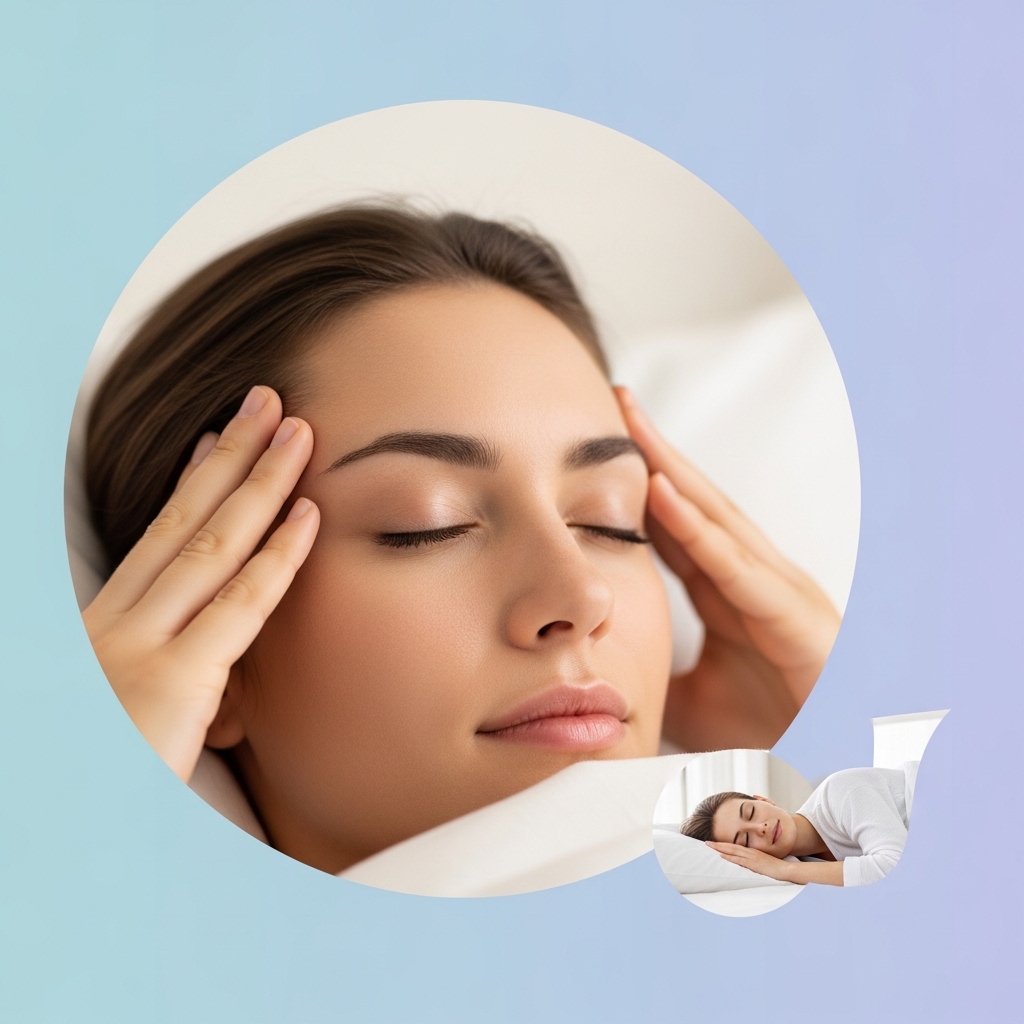
Life can be busy, and sometimes stress and fatigue take a toll on your body in unexpected ways, including eye twitching. Stress can lead to muscle tension, including in the delicate muscles around your eyes. This is particularly true if you are not getting enough sleep or consuming too much caffeine. By managing stress and getting more sleep, you can give your eye muscles a chance to relax. A good night's sleep can work wonders for calming your twitching eyes.
Too much caffeine can also exacerbate eyelid spasms. If you’re someone who drinks several cups of coffee a day, it might be contributing to your eye twitching. Reducing caffeine intake or cutting back on energy drinks can help minimize muscle spasms. If you find that stress is playing a role, try practicing mindfulness techniques such as deep breathing or meditation to relieve tension and balance your body’s natural rhythm.
On top of stress, fatigue plays a significant role in how your body responds. Eye twitching worse due to lack of sleep is a common experience. Your body requires proper rest to restore its functions, including the delicate movements of your eyelid muscles. Make a habit of prioritizing enough sleep to maintain balance and reduce unnecessary strain on your body.
Simple Ways to Treat Eye Twitching

So, how can you treat eye twitching at home? First, reduce screen time and remember to take frequent breaks from your digital devices. Apply warm compresses to your eyelid or use artificial tears to soothe dryness and irritation. If you wear contact lenses, make sure they aren’t contributing to eye irritation. These simple solutions can often help relieve the discomfort caused by eyelid twitching.
A warm compress can help relax the muscles around your eyes and soothe any irritation. Simply use a clean cloth soaked in warm water and gently place it over your eyelid for a few minutes. This can provide relief from muscle spasms and help reduce inflammation. Another useful treatment is using eye drops if you experience dryness or eye irritation. If you spend long hours on digital devices, incorporating frequent breaks and eye exercises can also help prevent eye strain.
Additionally, remember to hydrate well. Dehydration can exacerbate muscle spasms, including in your eyelids. Drinking plenty of water and using eye drops can help keep your tear film intact, providing essential moisture to your eyes and reducing eye twitching caused by dryness.
When to Seek Medical Help for Eye Twitching

While most cases of eye twitching are harmless, there are times when you need to see an eye doctor. If your symptoms persist for more than a few days, worsen, or cause discomfort, it’s time for an eye exam. In some cases, botulinum toxin injections (commonly known as Botox) can be used to stop eyelid spasms caused by benign essential blepharospasm. Your healthcare provider can guide you toward the best treatment options based on the underlying cause.
If the twitching starts affecting your vision or becomes painful, it’s time to seek professional help. An eye doctor can perform a thorough examination to determine whether there is an underlying health issue contributing to the twitching. Even if the twitching seems minor, it's always a good idea to rule out other causes and get peace of mind.
Sometimes, botulinum toxin is used for severe cases of eyelid twitching. This treatment can help alleviate the symptoms by relaxing the muscles around your eyes. If you are struggling with persistent facial spasms or other neurological symptoms, your doctor may suggest additional treatments or therapies to address the root cause.
Nutritional Support for Eye Health

What you eat can also play a role in the health of your eye muscles. Certain nutrients like magnesium and potassium are important for muscle function. A diet rich in leafy greens, nuts, and whole grains can help nourish your body, supporting muscle spasms prevention. Hydrating well with eye drops can also reduce eye strain and soothe tired eyelid muscles.
Incorporating a diet full of certain nutrients is essential for overall health and wellness. For your eye health, focus on foods rich in vitamin B6, magnesium, and potassium. These nutrients support proper muscle function and can reduce the likelihood of twitching eyelids. Be sure to also hydrate throughout the day to keep your tear film intact and your eyes properly lubricated, which can help reduce eye irritation and strain.
Can Caffeine and Medications Trigger Eye Twitching?

Yes, caffeine intake and some medications can trigger eye twitching. If you find that your twitching eyelid worsens after a cup of coffee or a change in medication, it might be time to evaluate your habits. Reducing your caffeine intake or discussing possible side effects with your doctor could help ease the twitching. In some cases, certain drugs may cause muscle spasms, and adjusting your prescription could be a viable option.
If you're taking medications that list eye twitching or muscle spasms as potential side effects, it's essential to talk with your healthcare provider. They may recommend adjusting your dose or trying an alternative medication. Eye twitching can also be exacerbated by certain lifestyle factors, including stress or lack of sleep. Being mindful of these triggers can help reduce the frequency and severity of your symptoms.
Treating Severe Cases of Eye Twitching

In severe cases, where eye twitching becomes debilitating, medical intervention may be necessary. Botulinum toxin treatments are often used for eyelid myokymia or more serious movement disorders. For those suffering from nervous system disorders or facial spasms, additional treatments like physical therapy or nerve blocks may be recommended by your healthcare provider.
If your eye twitching becomes painful or begins affecting your daily life, seeking treatment options like botulinum toxin injections can offer relief. This treatment works by temporarily paralyzing the muscles around your eyes, reducing the spasms. If more invasive treatments are required, your doctor will help you navigate through these options to find the best course of action.
Conclusion: Embrace Balance to Prevent Eye Twitching
Eye muscle twitching can be frustrating, but it’s often a temporary issue that can be managed with a few lifestyle changes and proper care. By reducing stress, taking frequent breaks, adjusting your caffeine habits, and prioritizing sleep, you can keep your eyelid muscles in balance. If needed, consult your eye doctor to discuss treatment options tailored to your specific symptoms. Remember, taking intentional steps to care for your body is the key to living with ease and confidence.