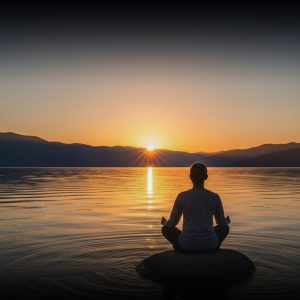


You can use a yoga posture to feel steadier, kinder, and more present today. You are not chasing perfection, you are choosing alignment, breath, and gratitude, one yoga pose at a time.
Also, You will notice something simple when you begin. Your mind quiets when your body feels organized. Your breath becomes your anchor, and your practice becomes a gentle place to return.
Why Alignment Feels Like Self Respect
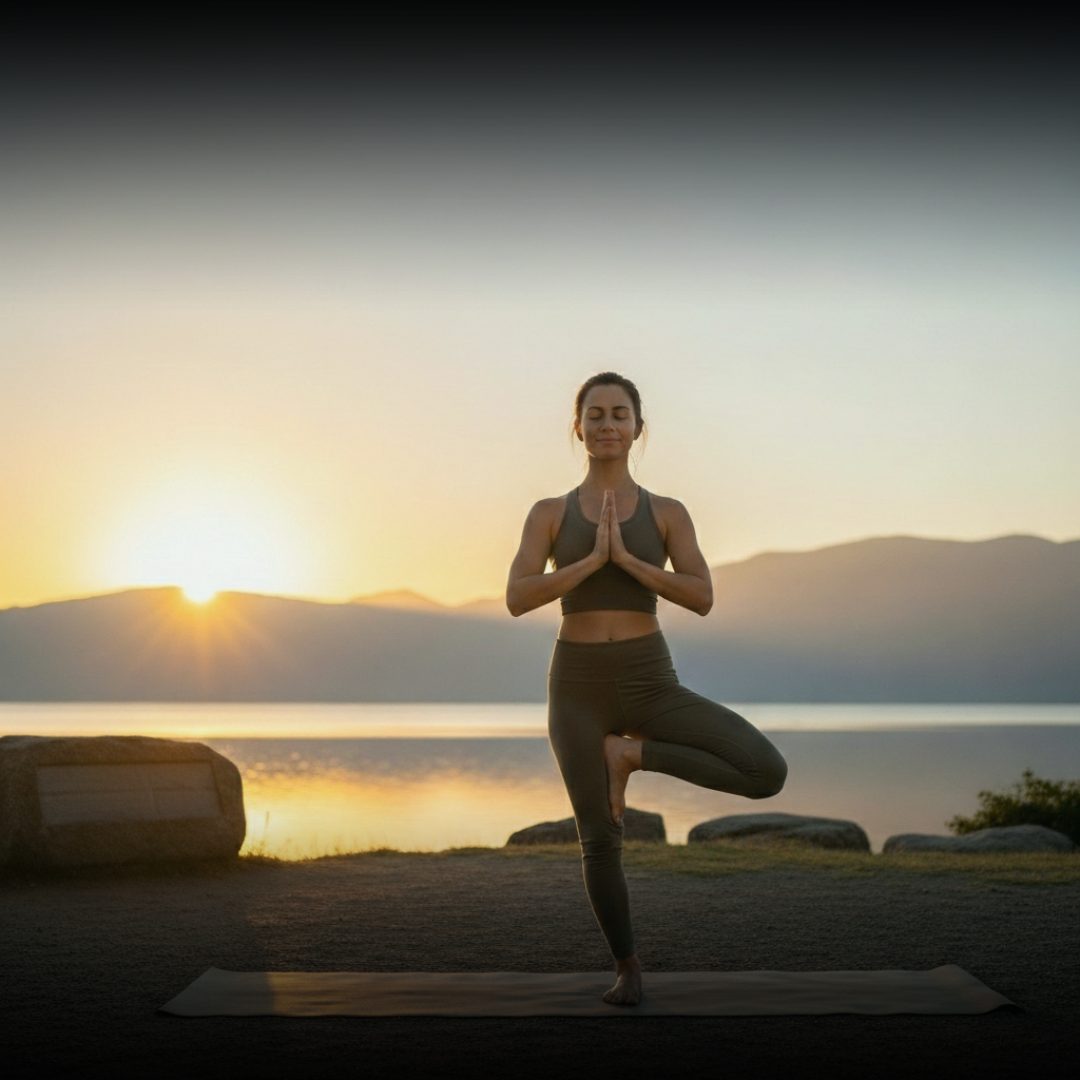
Alignment is not about looking a certain way. It is about meeting your body with care. When you choose proper alignment, you reduce strain and build trust with yourself. You can start with small cues, you stack joints with patience. And you feel the upper and lower body working together, instead of fighting each other.
You will also notice a shift in your attention. Alignment invites mental focus without forcing it. It becomes easier to stay present when your structure feels clear. Your gratitude grows from that presence. You stop rushing through your body. You start listening to it.
READ ALSO: Mindful Body Whispers the Path to Inner Balance
Breath, Nervous System, and Gentle Calm
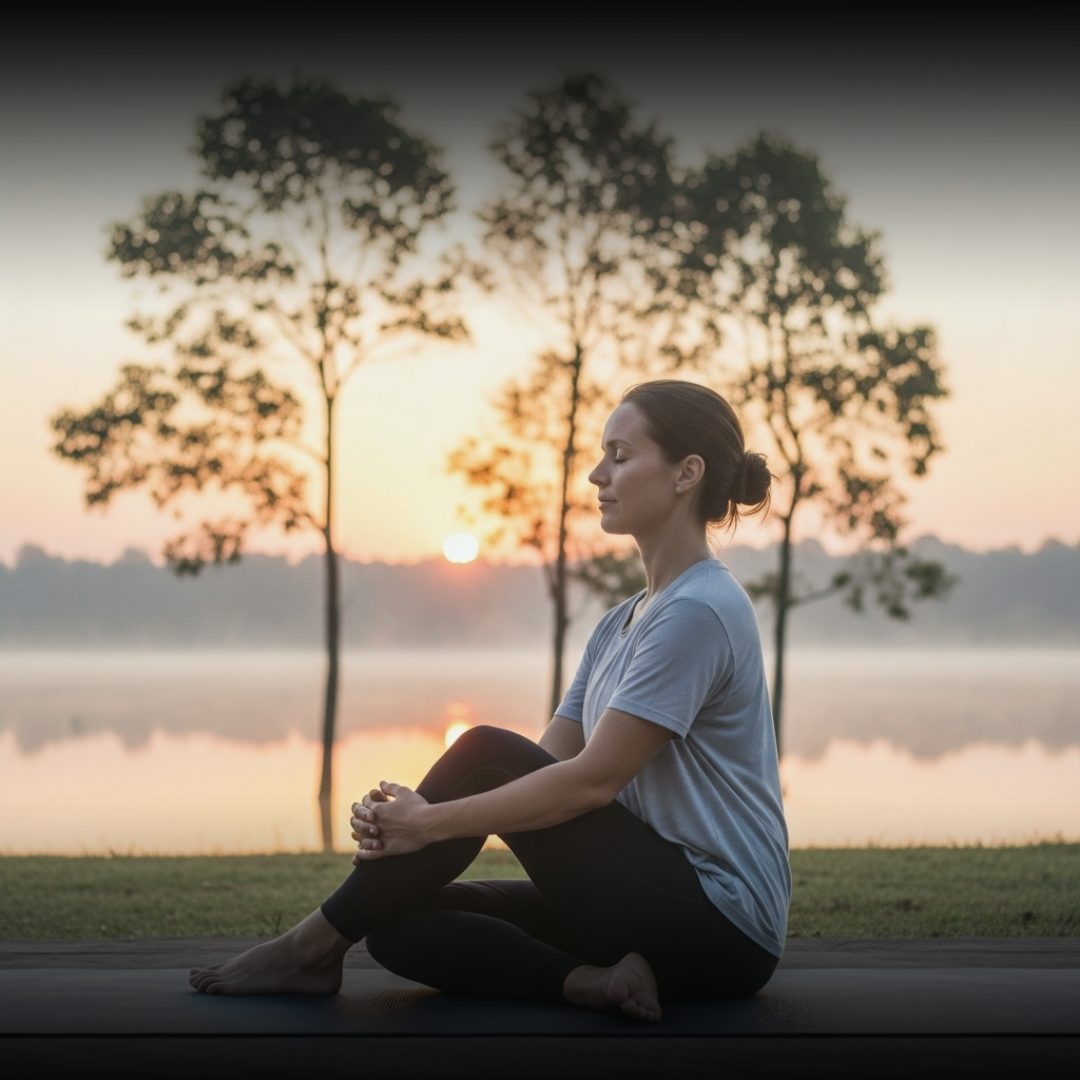
Breath is your most reliable teacher. It helps you notice effort and ease. It also supports your nervous system when stress tries to take the wheel. Slow exhalations can soften tension fast. They tell the body it is safe. Over time, this steady breathing supports emotional balance.
When you pair breath with a yoga practice, you train resilience. You learn how to stay with sensation. You learn how to move with respect, even on hard days. This is how yoga helps your everyday life. You respond with more patience. You choose clarity over reaction.
READ ALSO: Mobility Exercise: The Best Daily Moves to Help If You Sit All Day
Mountain Pose as Your Home Base
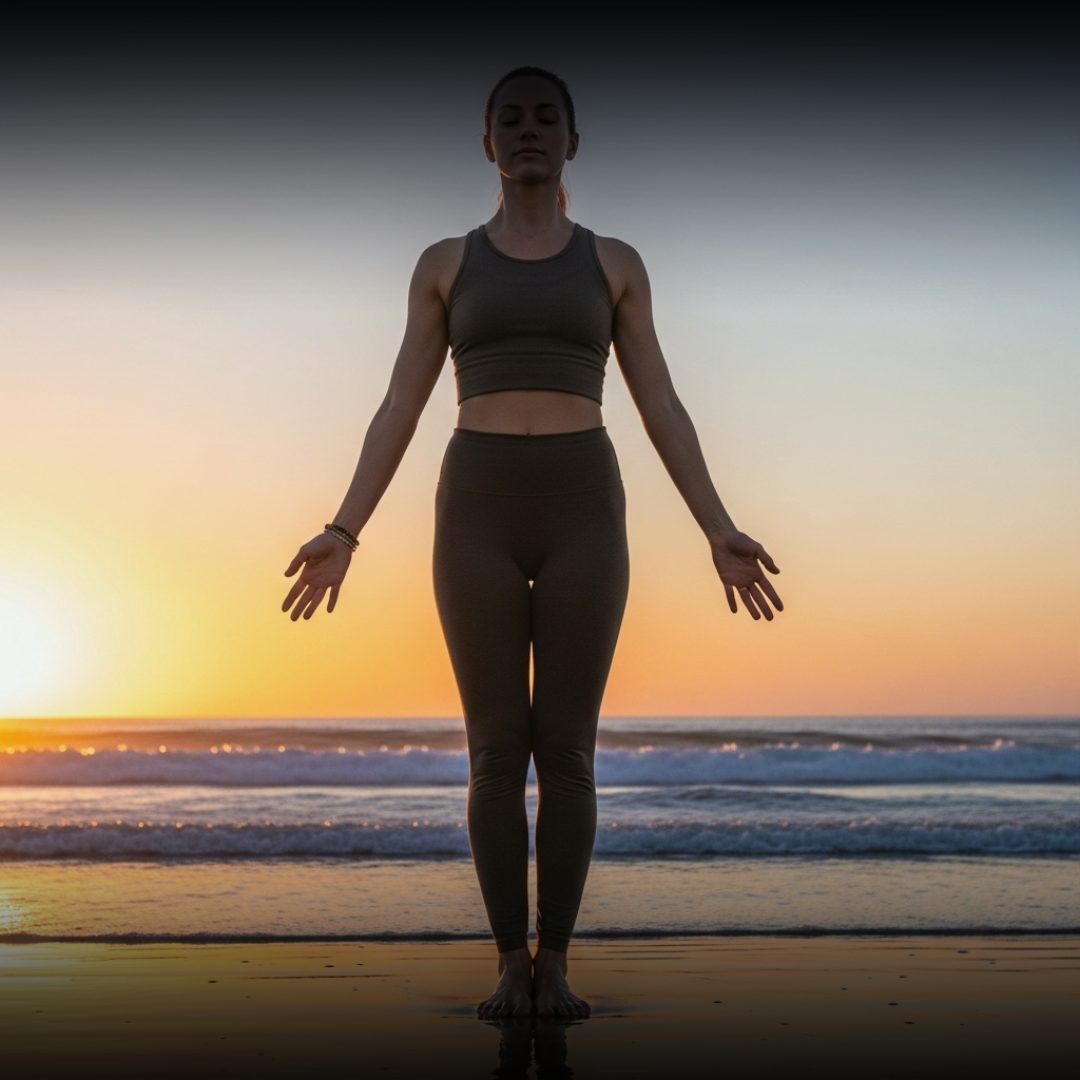
Mountain pose is simple, yet powerful. It teaches you how to stand with honesty. You are not stiff. You are awake. Stand with your feet hip width apart if that feels best. You can also try feet parallel and notice your balance. Let your toes spread, and feel the ground support you.
Bring your pelvis into a neutral position. Avoid tipping the pelvis forward too much. Imagine your spine lengthening with ease. Picture a straight line from crown to heels. Some days it feels like one straight line. Some days it feels like many tiny adjustments. Soften your shoulders and feel your shoulder blades rest gently. Your upper body stays lifted without gripping. You stand tall, yet calm, in this steady standing position.
Standing Poses That Build Strength and Confidence
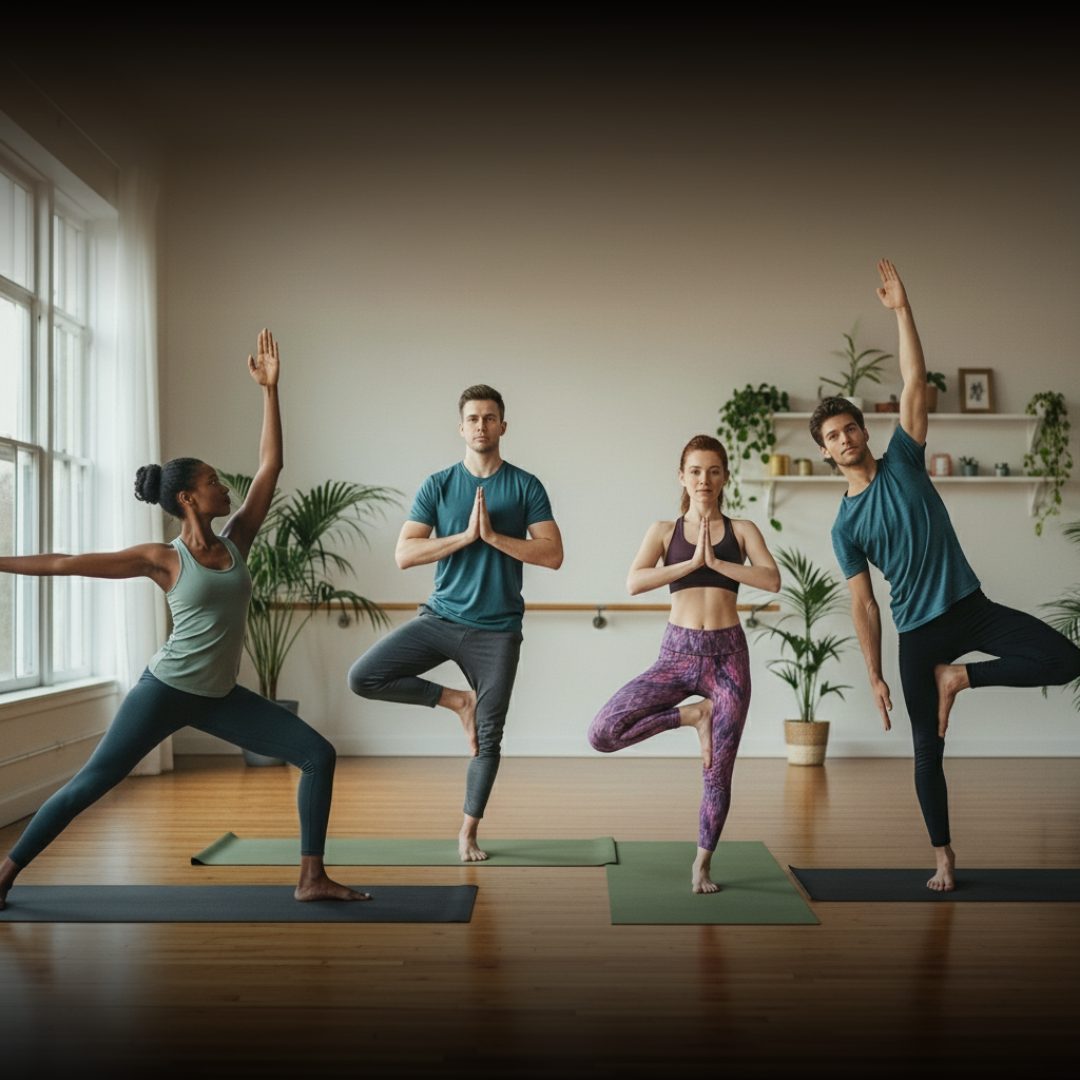
Standing poses teach you stability in motion. They build leg strength and improve balance. They also reveal habits you can soften. You will feel your leg muscles working in a clear, honest way. You will also feel how your feet influence your hips. This is body awareness you can carry anywhere.
When your foundation is steady, your breath stays smoother. That steadiness supports your spinal health. It also supports a more grounded mood. You do not need to rush into advanced yoga poses. You can build a strong base first. Your progress will feel safer and more sustainable.
Warrior I for Direction and Heart
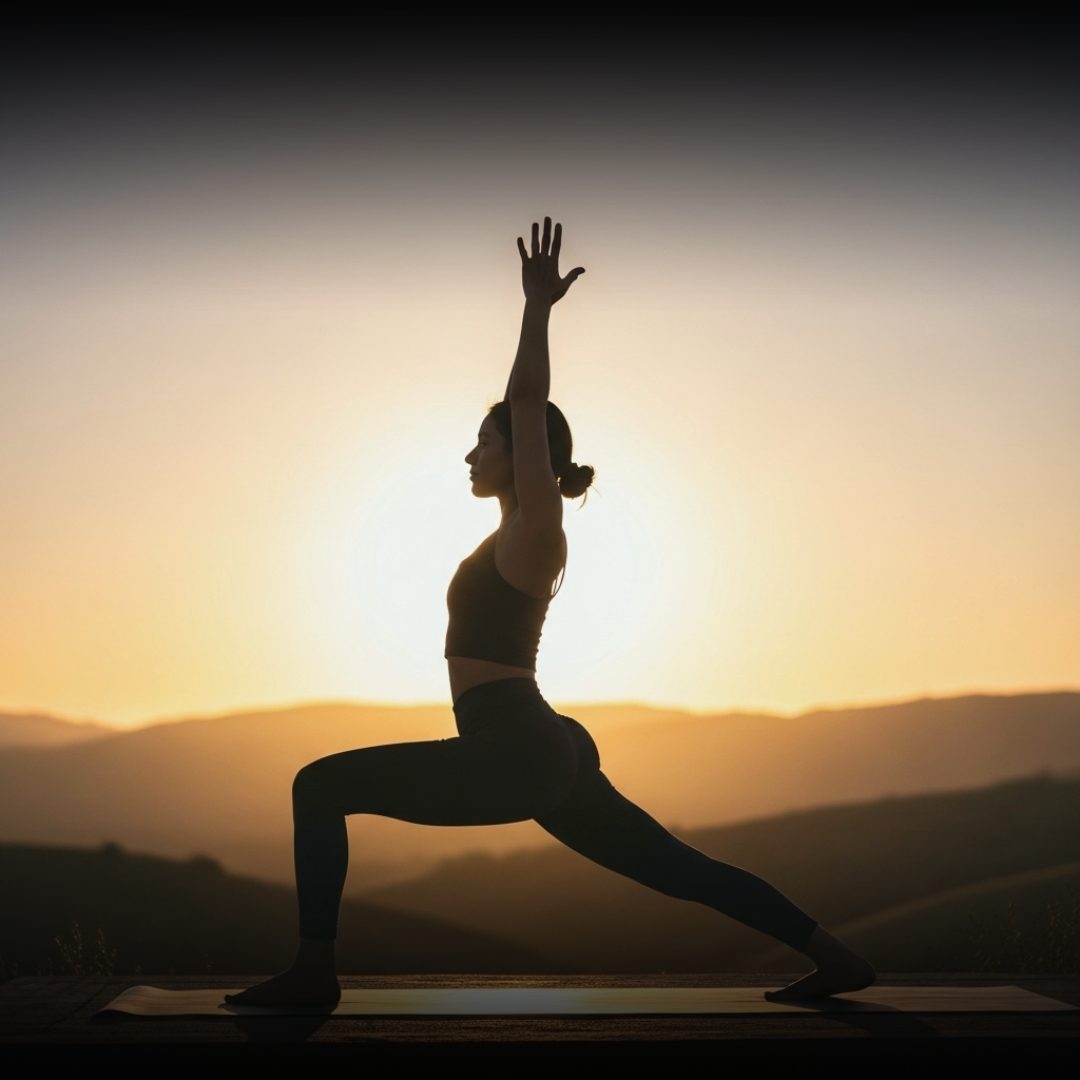
In warrior i, you practice direction. You learn to aim your energy without forcing it. You step into courage, then soften into breath. Step your right foot back and keep the front foot planted. Your front toes point forward with care. You can adjust your stance for comfort.
Bend the right knee when it is your front knee in this variation. Keep the knee tracking over the toes. Your back leg stays strong and steady. Lift your arms and lengthen through the ribs. Let the chest rise without pushing too hard. Your upper arms stay active, while your neck stays easy. If your shoulders feel tight, use a yoga block under each hand for support. You can also lower your arms and focus on alignment first. You are still practicing courage.
Warrior II for Stability and Presence
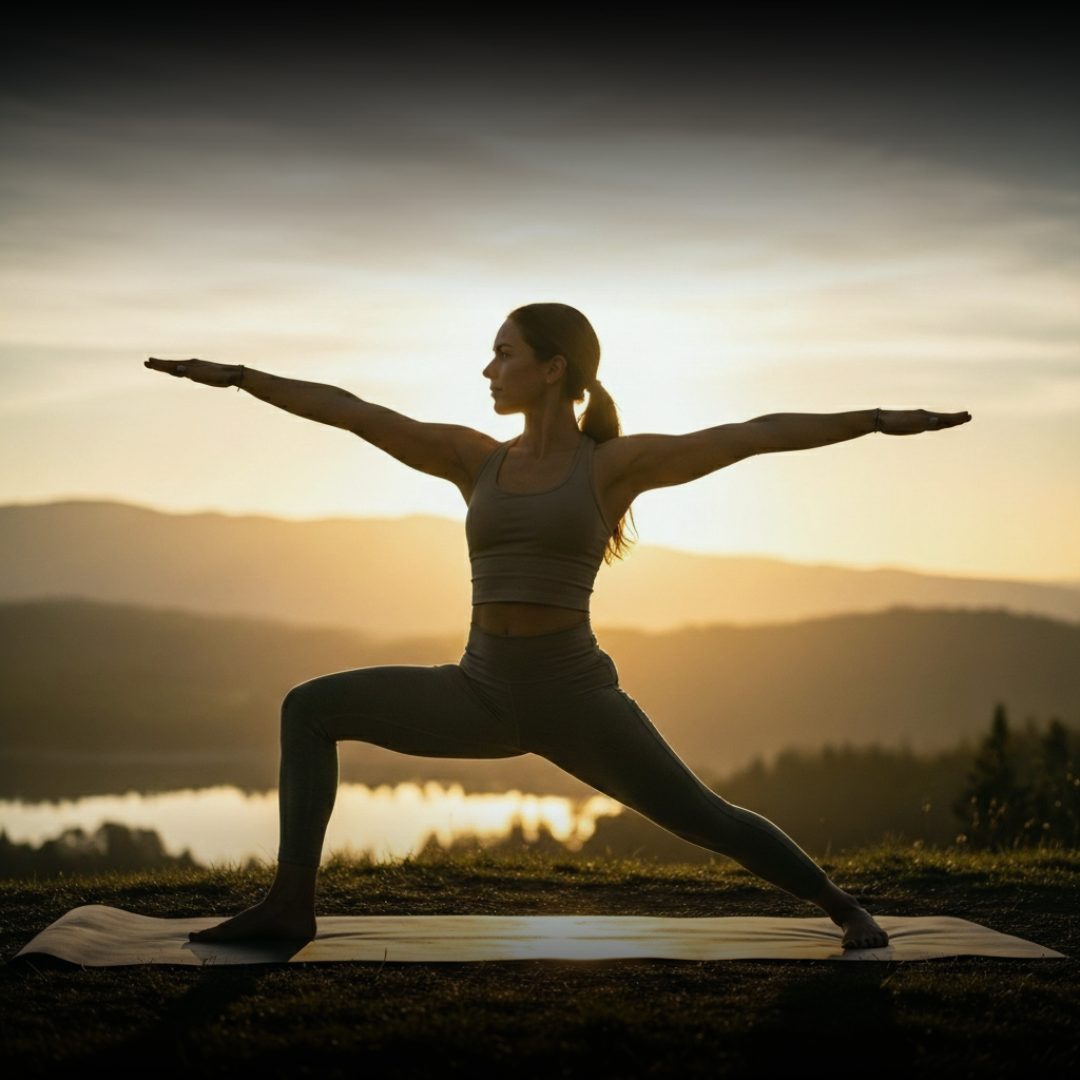
Warrior ii teaches you to stay steady while life moves around you. It builds strength through the hips and legs. It also invites calm confidence. Turn your right foot outward for the front leg. Angle your back foot slightly inward. Keep the feet grounded, and feel your stance widen.
Bend the right knee over the ankle. Keep your thigh active and supported. Notice your inner thighs and outer legs working together. Extend your arms long, with the right arm reaching forward. Your left arm reaches back with equal energy. Keep your gaze soft, and your breath steady. You can feel your shoulders settle as your shoulder blades move down the back. Your chest stays open, not strained. This is strength with dignity.
Angle Pose for Side Body Ease
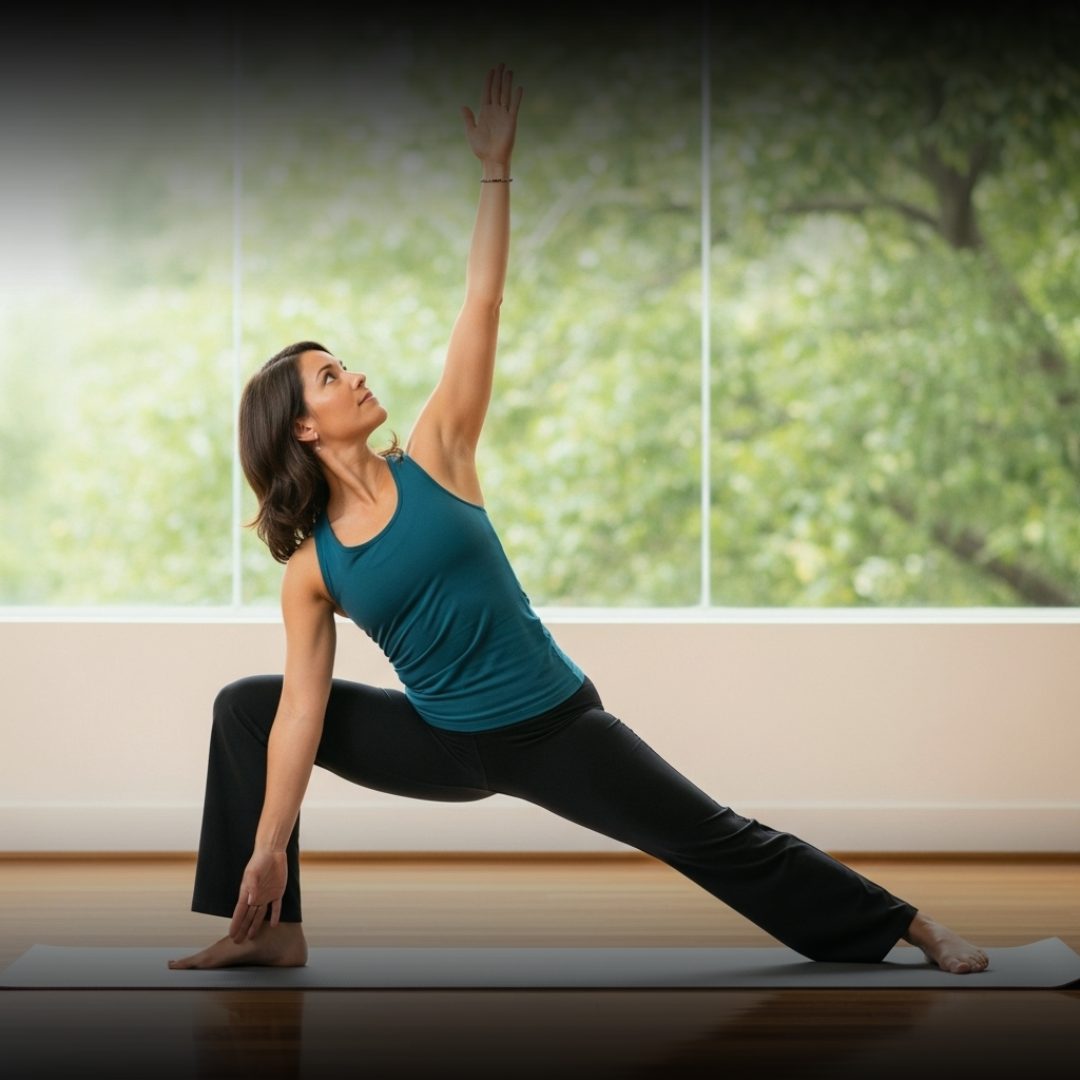
Angle pose is a gift for your side body. It lengthens the ribs and opens the hips. It can feel both strong and soothing. From Warrior II, lower your front forearm. Your right forearm can rest on your front thigh. Keep your chest broad and your breath smooth.
Reach your left arm overhead, and lengthen through the side ribs. Press the back leg strong. Let the pose feel spacious. If you want more support, place a yoga block outside your front foot. This helps you keep the spine long. It also helps the chest stay open. Feel the work in your legs and the lift in your torso. You are training balance between effort and ease. That balance supports you in daily life.
Downward Facing Dog as a Full Body Reset
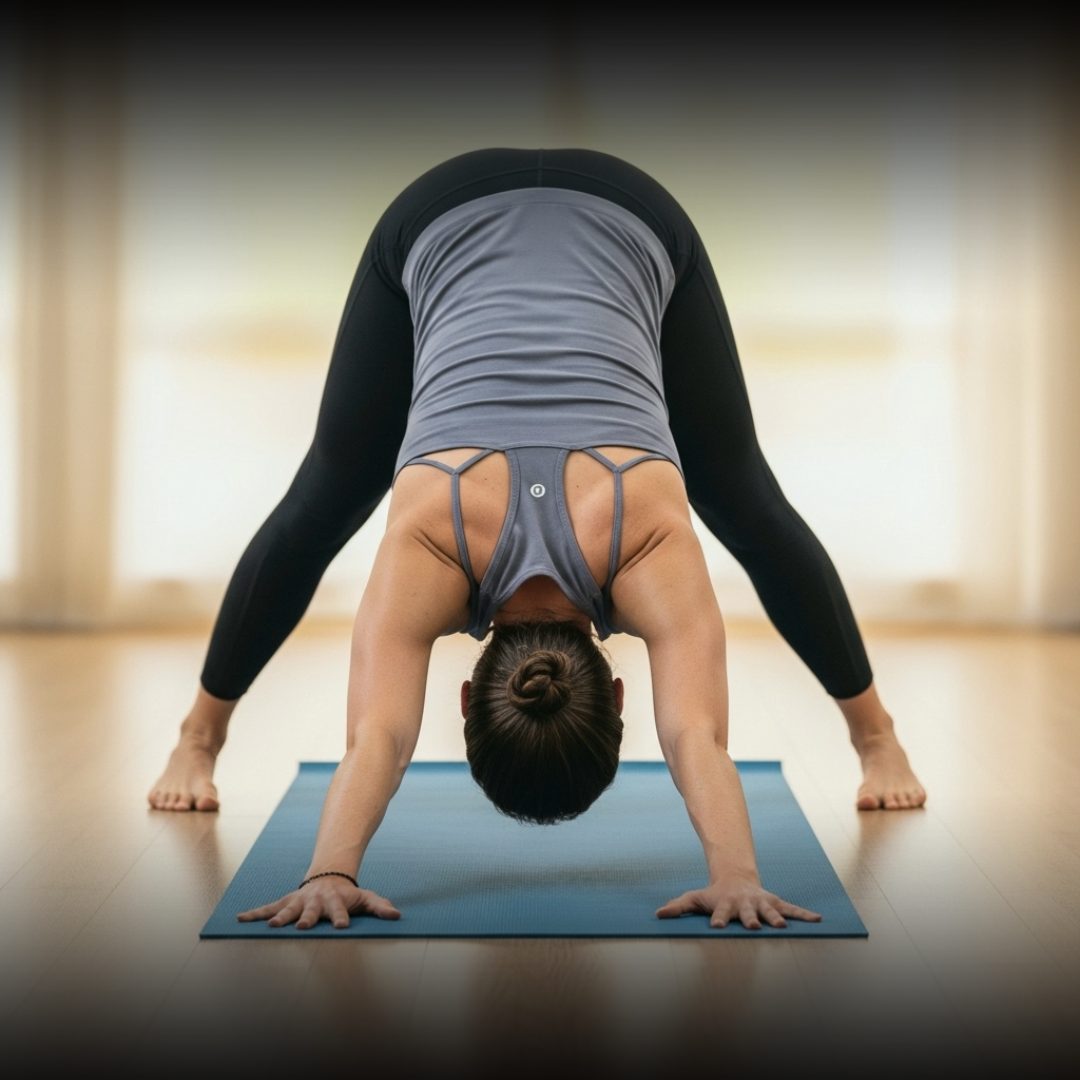
Downward facing dog is both restful and active. It offers a full body stretch when done with patience. It can also strengthen your shoulders and arms. Place your hands on the mat and step back. Keep your hands shoulder width apart. Spread your fingers and press through the palms.
Lift your hips and let your head hang heavy. Keep your neck relaxed. You are not trying to force your heels down. Engage your core muscles gently. Feel the upper back widen as the shoulders move away from the ears. Your back muscles support the shape. You can keep your knees bent if your hamstrings feel tight. This helps the spine stay long. It also protects your lower back.
Plank Pose for Core Strength and Integrity
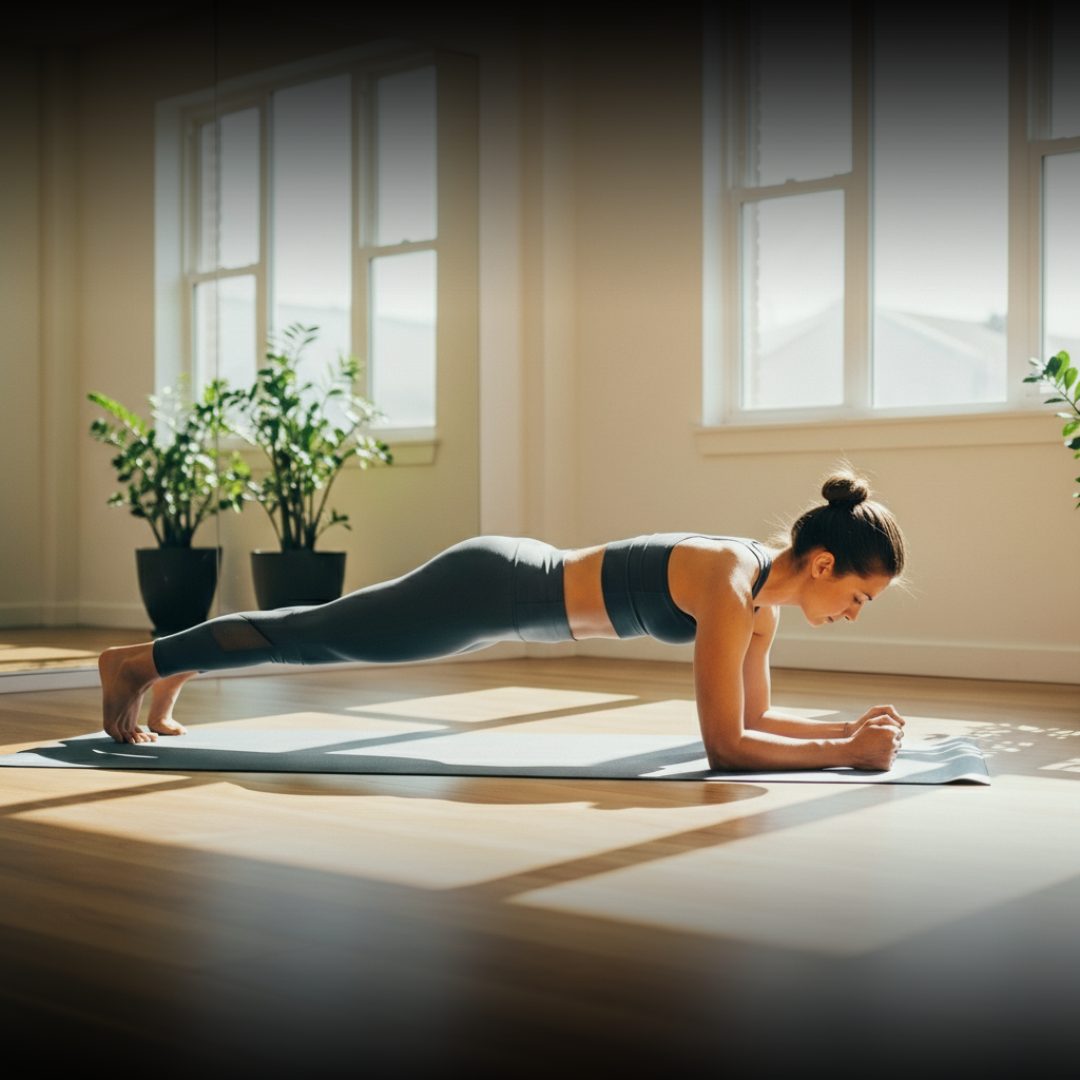
Plank pose teaches you integrity. It asks you to hold steady without collapsing. It also builds reliable core strength. Set your hands under your shoulders. Press the floor away. Feel the belly draw gently inward, without gripping.
Keep your body in a straight line from head to heels. Some days it becomes that clear one straight line. Some days you build it piece by piece. Engage the legs and support the hips. Feel your upper body stay strong, while the face stays soft. You are practicing strength without aggression. This stability supports your posture off the mat. It supports your confidence in movement. It supports your calm in hard moments.
Cow Pose to Wake Up the Spine
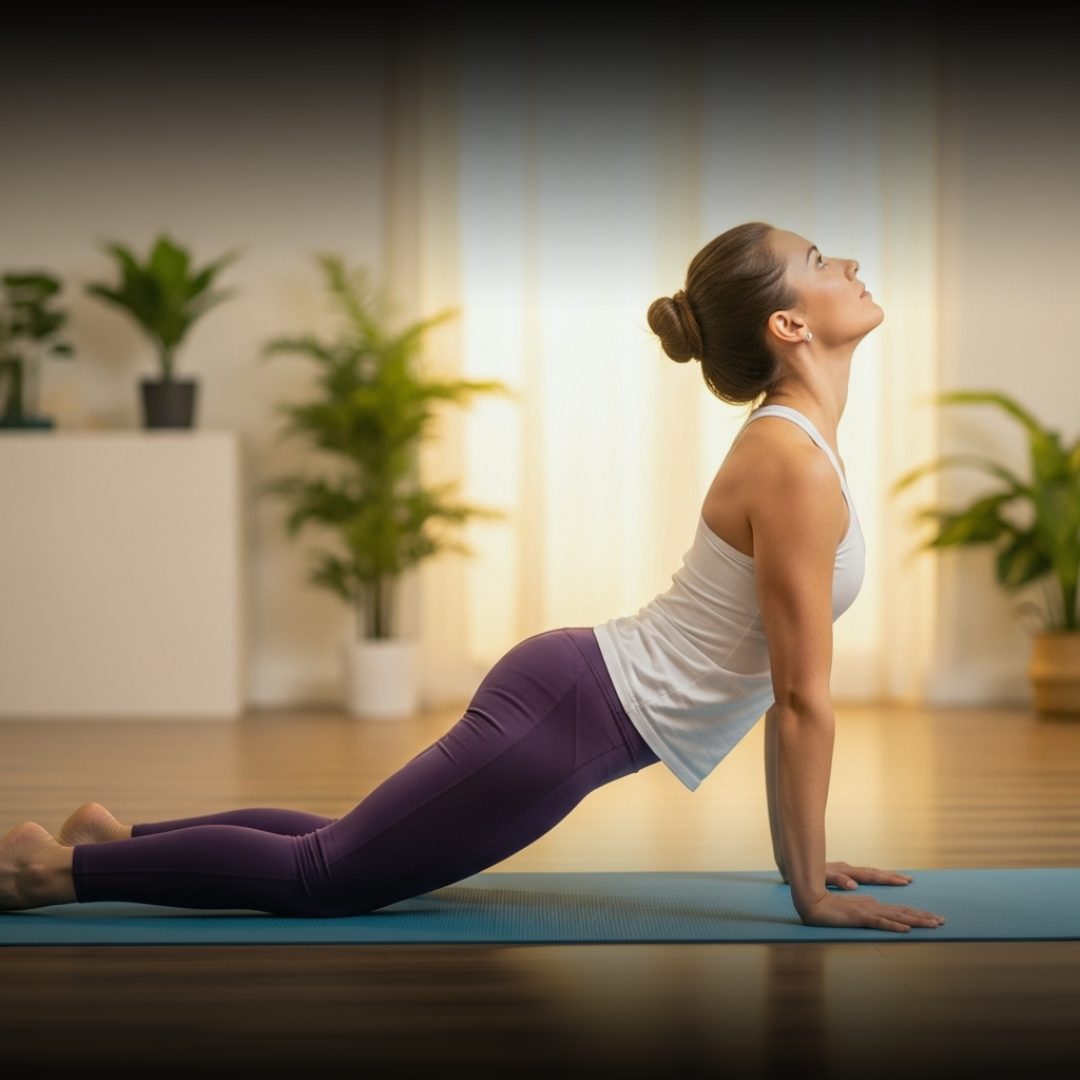
Cow pose is a simple way to bring movement into your spine. It invites breath into the ribs. It can also reduce stiffness after long sitting. Come to hands and knees. Keep wrists under shoulders and knees under hips. Find a steady neutral position first.
Inhale and lift your chest. Let the chest forward move come from the upper spine, not from cranking the neck. Feel the belly soften as you breathe. Notice how your shoulder blades glide down the back. Feel the upper back broaden. You are creating space for ease. This gentle movement supports your abdominal organs through steady breath and posture. It also supports a calmer nervous system.
Forward Bend for Release and Listening
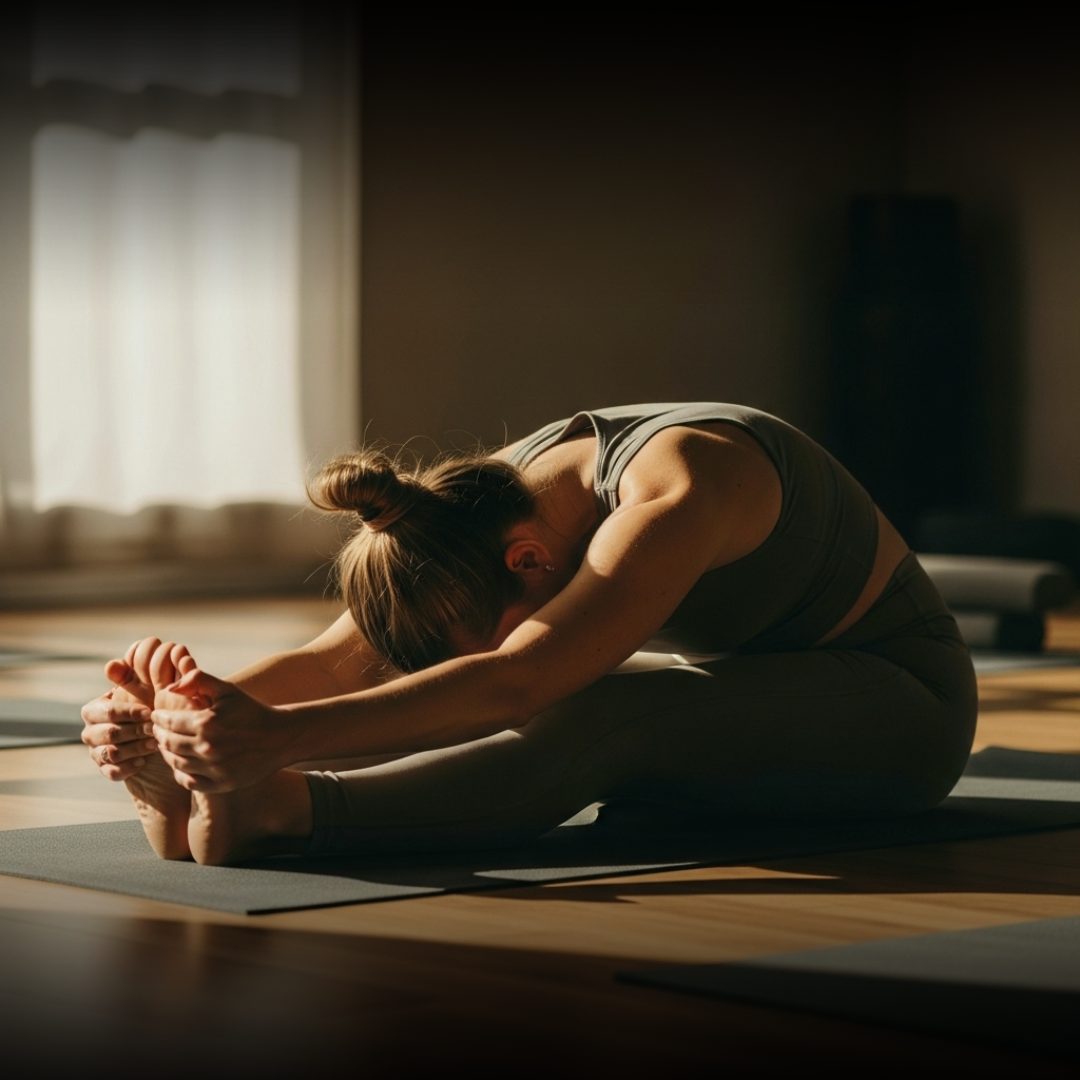
A forward bend can feel like an exhale for the whole body. It releases the back and legs when you approach it with care. It also invites reflection. From standing, fold slowly. Let your head relax. Keep the knees soft if needed.
Feel the stretch along the hamstrings and the back line. Let your hip crease fold be the hinge, not the lower back. This keeps the spine friendlier. Bring your hands to blocks if the floor feels far. A yoga block can help you stay long. It can also help you breathe more freely. Each forward bend can become a moment of gratitude. You are not forcing your body into a shape. You are meeting yourself where you are.
One Leg Balance to Build Quiet Confidence
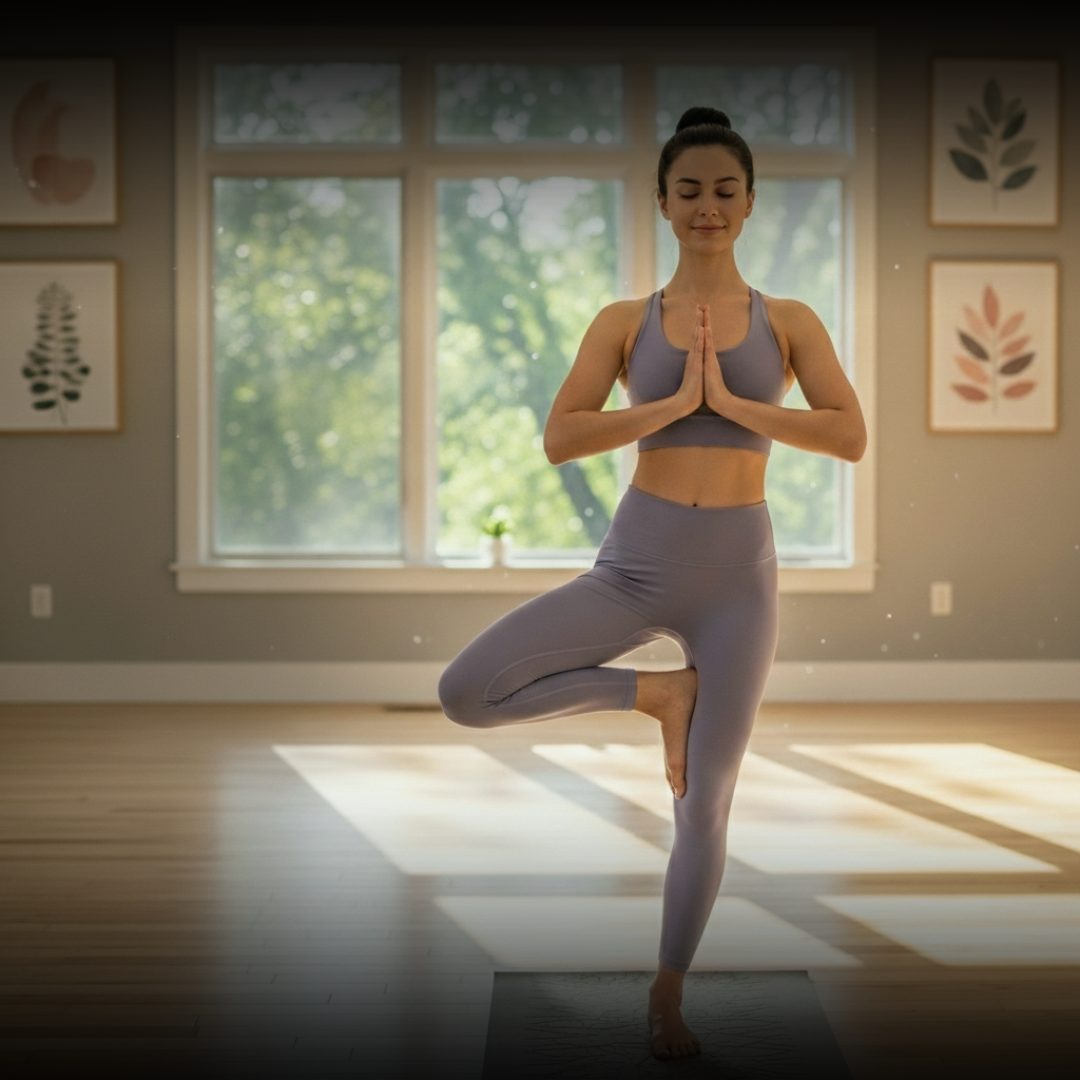
Balancing on one leg teaches you calm concentration. It trains stability without drama. It also improves coordination and focus. Try tree pose when you want a simple, steady challenge. Stand tall in Mountain Pose first. Then shift weight into your left leg and feel your base.
Place your left foot on the ankle or calf of the standing leg. Avoid the knee joint. Keep the pelvis level and the breath soft. Bring your hands to heart, or lift the arms overhead. If you lift, keep your shoulders relaxed. Let the ribs stay gentle. When you wobble, you learn kindness. You come back to center. That return is the real practice.
One Leg Flow for Strength and Hip Mobility
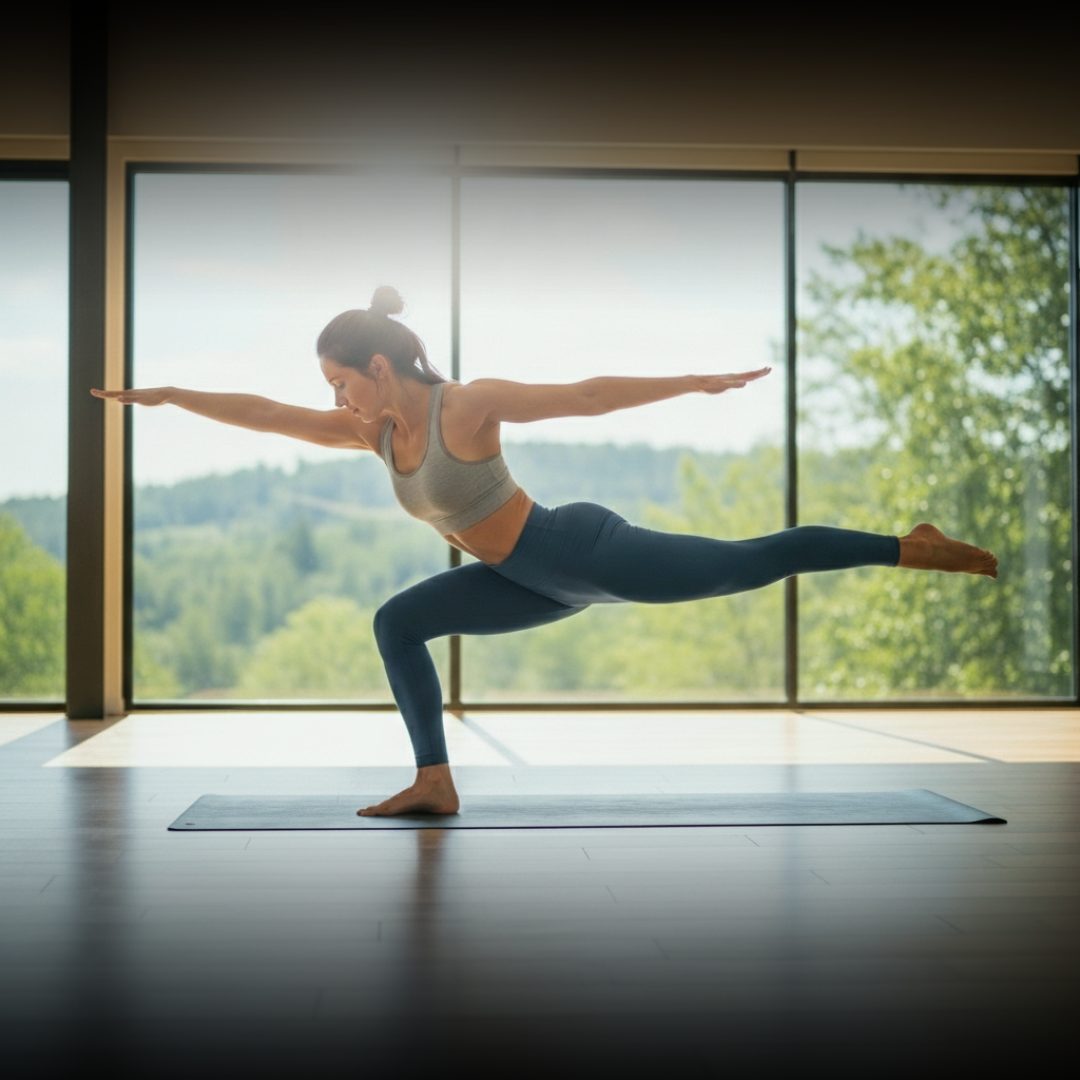
A one leg flow can wake up stabilizers fast. It can also build strength in the ankles and hips. It supports hip mobility when done slowly. Step into a lunge with the left foot forward. Keep your right foot back and strong. Feel the ground under your feet.
Shift weight forward and lift the back leg slightly. Now you balance on one leg again. Keep your gaze steady and your breath even. Reach the right arm forward if it helps counterbalance. You can also keep hands on hips. Stay in a steady neutral position through the spine. Feel the work in the outer hips and the standing leg. This is strength that supports your walking and standing. It helps you feel lighter in motion.
Gentle Backbend for Heart and Upper Body Space
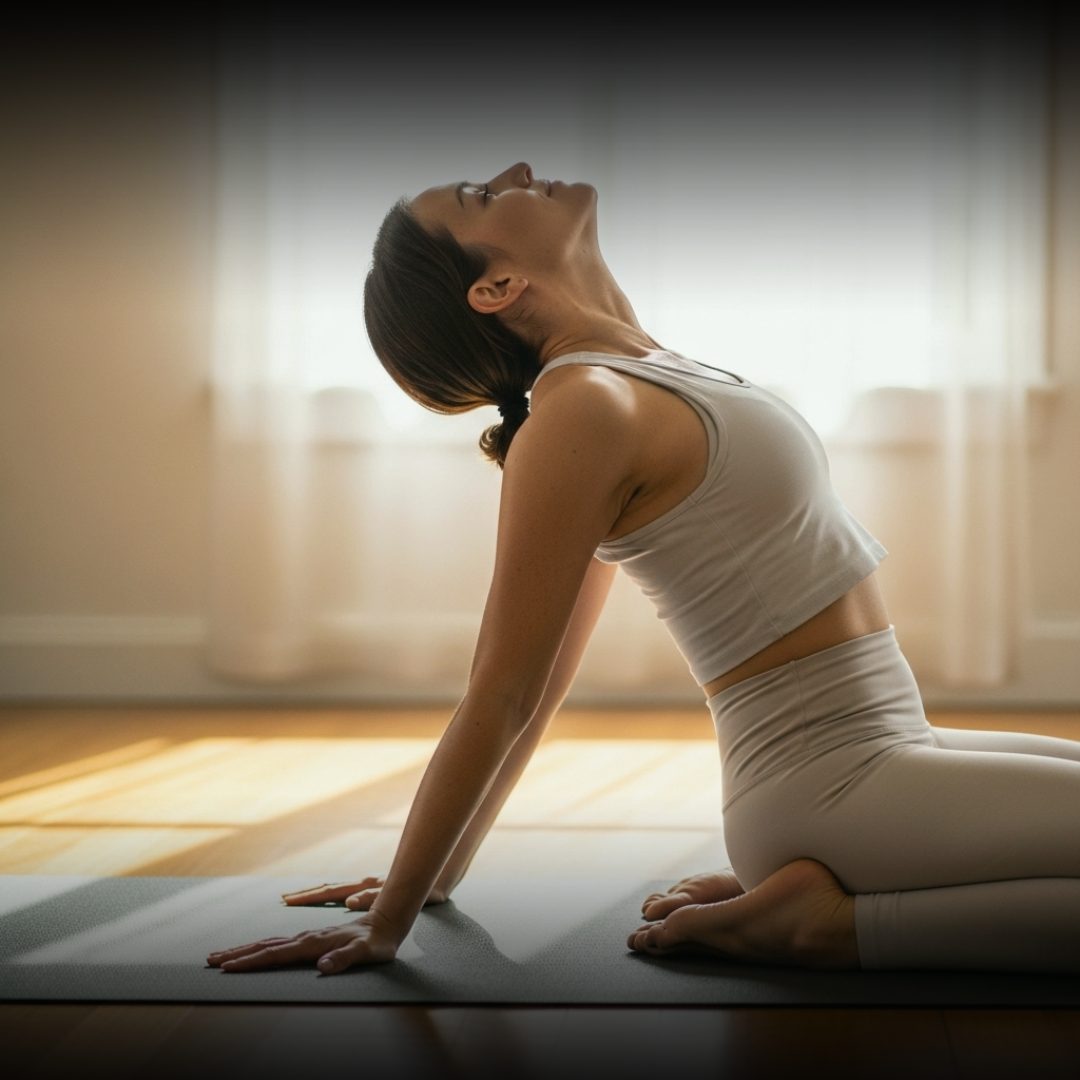
A gentle backbend can lift your mood fast. It opens the front body with care. It also builds strength in the upper body. Try sphinx pose for a simple option. Lie on your belly and place forearms down. Keep elbows under shoulders.
Press lightly into the forearms. Lift the chest without forcing. Feel the support in the upper back and the back muscles. Keep the neck long and the gaze soft. Let the ribs stay quiet and supported. You are creating openness with patience. This kind of backbend supports posture in your chair too. It helps you breathe deeper. It reminds you that you can soften and rise.
Using Props and Yoga Classes for Smart Support
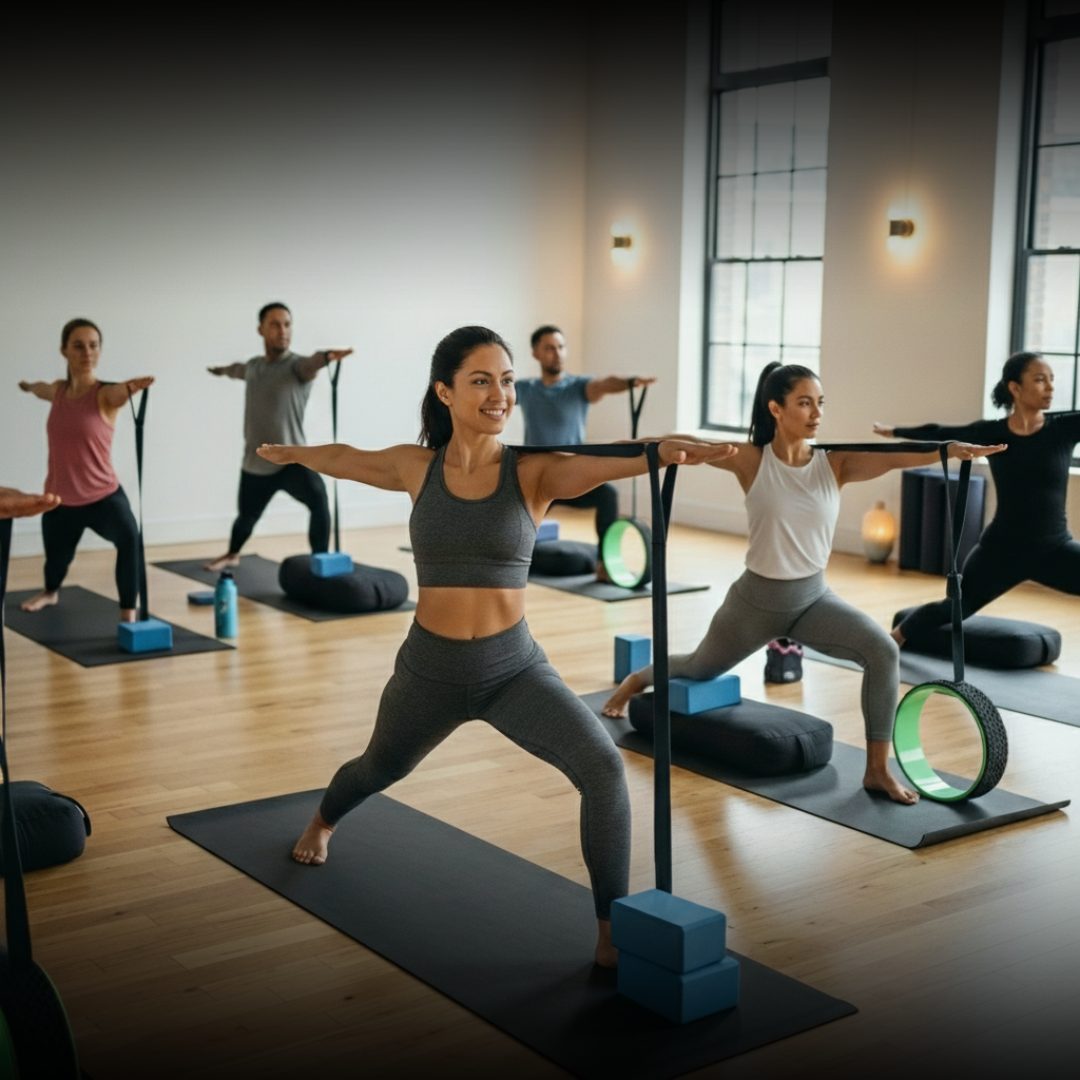
Props are not a shortcut. They are a way to meet your body with respect. A yoga block can help you find length and safety. Use a block under your hand in Angle Pose. Use it in a Forward Bend, use it to reduce strain, so you can breathe easier.
If you are new, try yoga classes with a supportive teacher. A good teacher helps you see habits you cannot see alone. They guide you back to your center. You can also explore flow yoga when you want rhythm and warmth. You move with breath and attention, you learn how transitions teach as much as poses.
Advanced Yoga Poses With Patience and Care
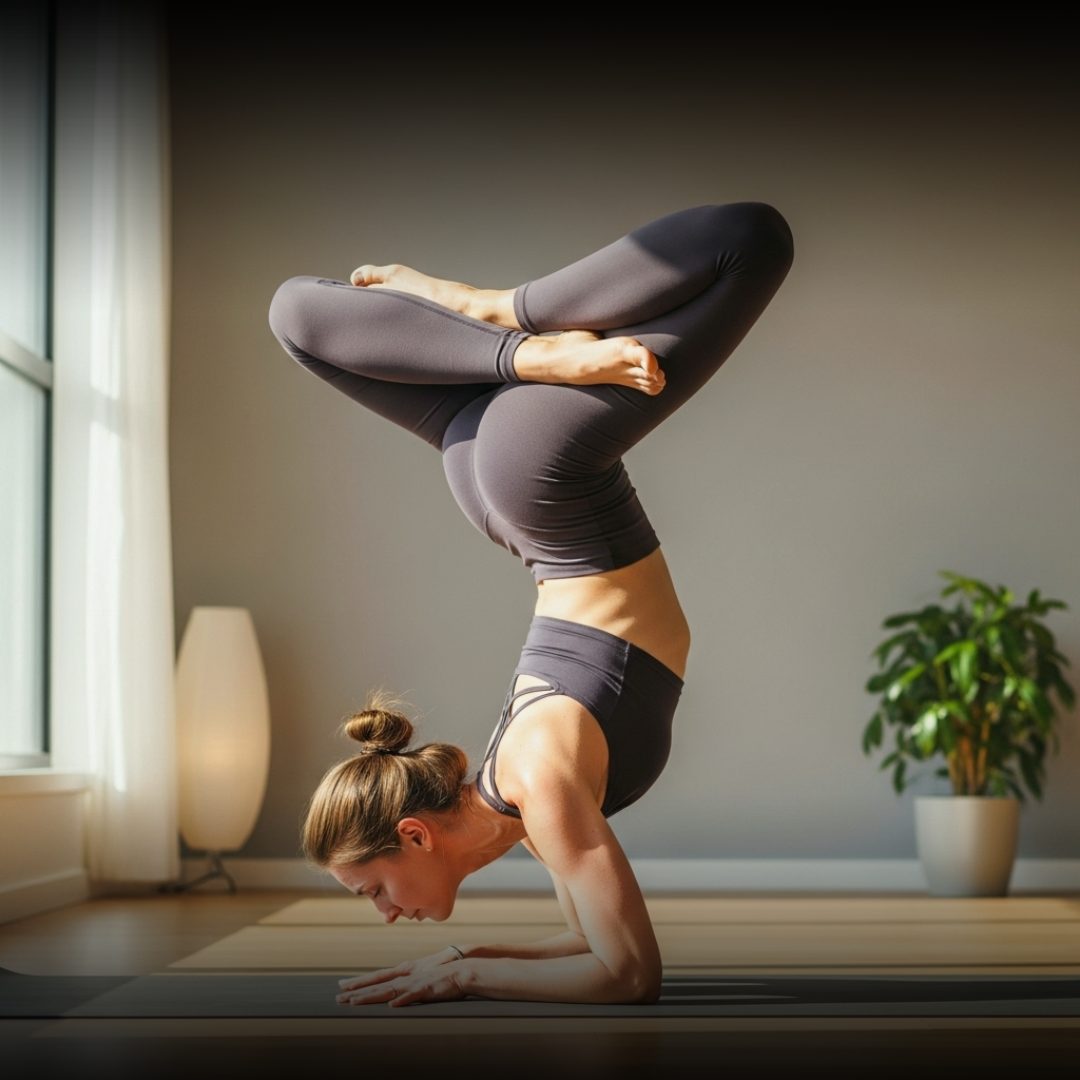
You may feel curious about advanced yoga poses. That curiosity is natural. You can honor it while staying safe. First, build strength in basics. Repeat Mountain, Warrior, and Plank often. Let your joints learn the patterns.
You can also refine small details. Feel the hands press evenly. Feel the shoulders settle. Let the breath lead the pace. When you try advanced yoga poses, do it with support. Use props and a teacher when possible. Choose progress that protects your body. Your goal is not to perform, your goal is to practice. Your gratitude grows when you choose care.
Corpse Pose to Seal Gratitude
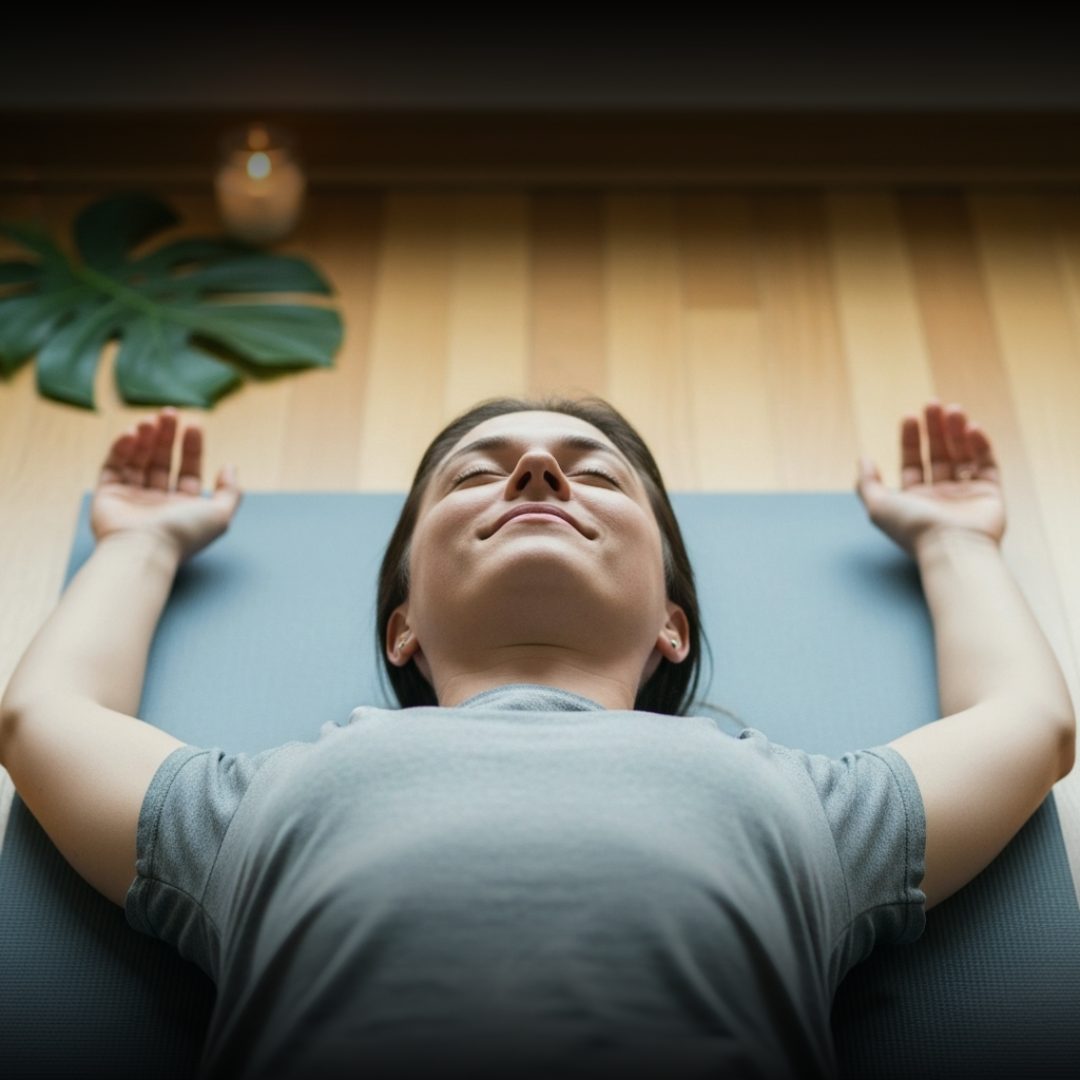
Corpse pose is where practice becomes integration. You stop doing and start receiving. Your body learns that rest is part of growth. Lie down and let your feet fall open. Place your arms alongside your body. Let the palms face up if that feels good.
Soften the jaw and relax the eyes. Feel the breath move quietly. Notice your entire body supported by the floor. Stay for at least two minutes. Let the nervous system settle. Let your mind rest in quiet gratitude. When you rise, move slowly. Carry that calm into your choices. This is how yoga becomes a way of living.
A Gentle Weekly Plan You Can Actually Follow
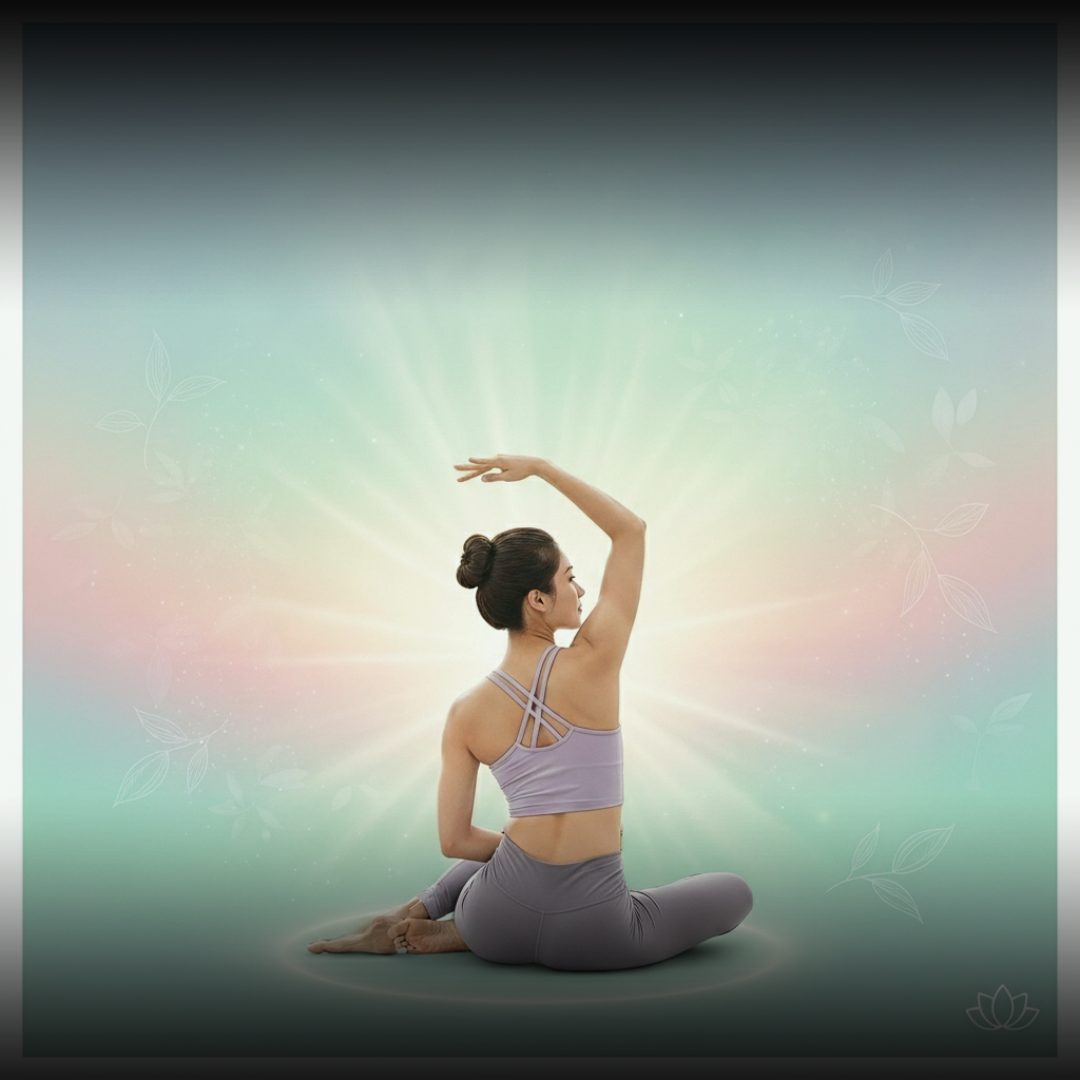
You do not need long sessions to feel the benefits. Consistency matters more than intensity. You can practice in small, steady steps. On busy days, do Mountain Pose, Cow Pose, and Downward Facing Dog. Add a short Forward Bend and finish with Corpse Pose. This can take ten minutes. On open days, add Warrior I, Warrior II, and Angle Pose. Add Plank Pose for strength. Then rest longer in Corpse Pose.
As weeks pass, notice how you carry yourself. Notice your breath in conversations. Notice how your posture supports your mood. This is the quiet magic of practice. You align your body and your choices. You grow gratitude from the inside out.
READ ALSO: Oblique Muscle Guide With Simple Core Workouts
Your Motivating Takeaway
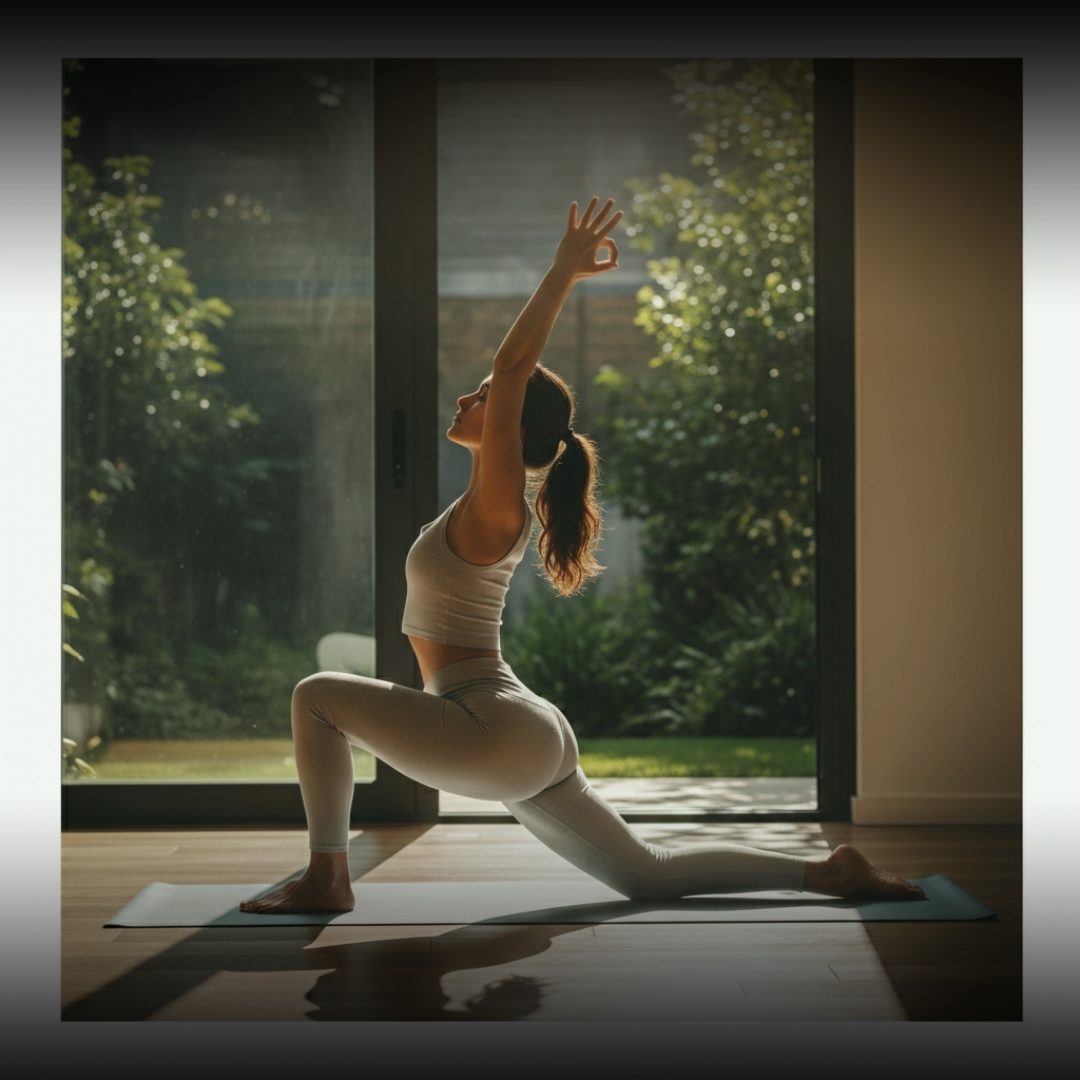
You do not have to earn gratitude by doing more. You can feel it by noticing more. A steady yoga pose can become a daily reminder. Each time you return to alignment, you return to yourself.
Each breath becomes a small act of care, each session becomes a gentle promise you keep. Let your practice stay simple and honest. Let it grow with you. You are building a life that feels steady, clear, and kind.
UP NEXT: Stretching Exercise for Lower Back Pain You Can Do in Bed