

You want youth emotional support that feels steady and human. You want positivity that does not deny hard days. With the right support, teens can feel safer.
Many young people carry quiet challenges. Some children hide stress behind jokes or anger. Your calm emotional support can make a real difference. This guide helps you support youth without overwhelm, you will build daily habits for mental health and wellbeing, you will also improve access to helpful services.
You do not need perfect answers. You need steady presence and honest talk. That kind of support can change a teen’s life. Keep each step simple. Consider each teen’s age, temperament, and needs. You are building safety, connection, and hope.
Create safety through routines, boundaries, and belonging

Safety grows when the day feels predictable. Teens settle when rules stay consistent. This is daily support and practical prevention. Set clear boundaries with warmth. Explain the why, then repeat it calmly. Parents and other adults create stability through tone.
Keep routines simple for children and adolescents. Prioritize sleep, meals, and movement. These habits support mental health and physical health. Add belonging cues that feel easy. Use a hello, a smile, and a real compliment. This youth emotional support practice lowers daily risk.
Listen deeply and use talk that lowers tension

Listening is active support, not silent waiting. It helps teens feel heard without pressure. Feeling heard supports mental health. Start with permission before you problem solve. Ask, “Do you want to talk or rest?” That simple question respects their identity.
Use reflective phrases that calm the room. Say, “That sounds hard,” or “I get why you feel stuck.” This builds awareness and strengthens relationships. When emotions rise, slow everything down. Keep your voice low and your words short. Calm talk becomes steady emotional support.
Build emotional awareness and a stronger feeling vocabulary

Feelings feel safer when they have names. Naming feelings builds emotional clarity for teens. It supports youth mental health in real life. Use simple feelings with children first. Try sad, angry, worried, and lonely. Then offer one next step of support.
For adolescents and teenagers, add nuance. Try overwhelmed, embarrassed, rejected, and numb. This helps their brain keep developing. Tie feelings to body signals in a gentle way. Mention tight shoulders or fast breathing. This supports mental health and self awareness.
READ ALSO: Think Positive Be Positive: The Mood Shift You Need
Teach coping skills that fit school, home, and social challenges

Positivity grows from skill, not denial. You can teach teens healthier ways to cope. Coping skills are reliable support. Offer a short reset routine for stress. Try slow breathing, stretching, or a short walk. These tools can reduce anxiety and protect relationships.
Help children practice coping through play. Use drawing, music, or simple movement. Play can be powerful emotional support. Plan coping before pressure hits. Prepare for exams, performances, or conflict. Planning improves access to support when emotions spike.
Encourage peer support, friendships, and safe relationships

Healthy peer support helps young people feel less alone. Friends can normalize feelings and reduce shame. Still, teens need guidance for safe support. Teach a friendship script that protects both sides. “Do you want advice or listening?” is respectful. It strengthens relationships and reduces social risk.
Encourage a small circle of steady friends. One safe friend can change a teen’s life. That is real youth emotional support. Model healthy conflict repair in your own relationships. Name the issue, then name the goal. Repair creates stronger relationships and stronger support.
Strengthen families, parents, and trusted adults as the base

Home support matters more than perfect speeches. Parents and caregivers shape the emotional climate. Strong families create safer youth. Keep daily connection short and consistent. Use a five minute check in after school. Ask one question, then listen and talk.
Support routines that include shared meals and shared chores. These rituals build belonging for children and teens. Belonging supports mental health. Invite other safe adults to stay involved. Coaches, aunties, and mentors can help. A caring adult network adds steady support.
Use education support, school services, and community programs

School is a major part of teen life. It can offer structure and extra services. Your goal is better access for students. Ask about school mental health services and referral pathways. Some schools offer counseling and group support. These services help with mental health issues.
Use education staff as partners, not opponents. Teachers notice patterns and stress signs. Their input can guide early intervention. Look for a program in the wider community. Try sports, arts, tutoring, and volunteering. Community programs keep youth involved and supported.
Improve access to mental health resources and practical services

Access barriers can block care for months. Cost, travel, stigma, and waitlists create real challenges. You can help families improve access to services. Build a simple list of resources for your area. Include clinics, school contacts, and support groups. Strong mental health resources reduce panic.
Ask providers about telehealth and flexible hours. Some mental health services offer sliding fees and weekend slots. Better access supports wellbeing. Share the list with parents and trusted adults. Make it easy to find when stress hits. Easy access is practical mental health support.
Partner with health professionals and mental health professionals

Sometimes home support is not enough. Persistent symptoms deserve skilled care. Reaching out is wise support for teens. Start with health professionals you already know. A doctor or school nurse can guide next steps. They can connect you to mental health services.
When needed, work with mental health professionals directly. They can offer therapy, skill building, and family plans. This supports youth mental health. Ask how you can support treatment at home. Ask what to practice and what to track. Teamwork makes services more effective.
Recognize mental illness, disorders, and treatment paths

Some patterns point to deeper concerns. Ongoing sadness, panic, or withdrawal can be mental illness. Many teens face mental health issues at some point. Watch for changes that last weeks, not days. Notice sleep changes, appetite changes, and school decline. These can connect to depression and anxiety.
Also watch for signs of stress around food and body image. Some teens develop eating disorders or related disorders. These needs deserve respectful support. Support a clear care plan when needed. Plans may include treatment, therapy, and home skills. Consistent support helps teens follow services.
READ ALSO: Mindful Health Solutions That Start With Stillness
Respond to crisis signals, self harm concerns, and suicide prevention

A crisis can feel sudden and frightening. You can still act with calm, direct support. Calm action helps teens feel less alone. If a teen mentions self harm, stay compassionate and steady. Avoid blame, threats, or shame. Focus on safety and immediate intervention.
If you believe there is immediate danger, contact local emergency help. Involve trusted adults right away. This is basic suicide prevention. After the urgent moment, keep support consistent. Follow the care plan and check in daily. Consistent support strengthens prevention and reduces risk.
READ ALSO: How to Get Out of Severe Depression With Gentle Help
Support long-term wellbeing with digital balance and modern awareness

Modern stress is real for teens. Online comparison and conflict can drain wellbeing fast. Balanced screen time supports mental health. Co create digital rules with teens. Agree on phone free meals and sleep time. Shared rules feel like support, not control.
Teach teens to curate their feeds. Encourage unfollowing content that triggers shame or anger. This strengthens awareness and protects wellbeing. If online conflict happens, treat it seriously. Social stress can raise risk for depression and anxiety. Strong support and services can help.
Address substance use, behavioral needs, and complex situations
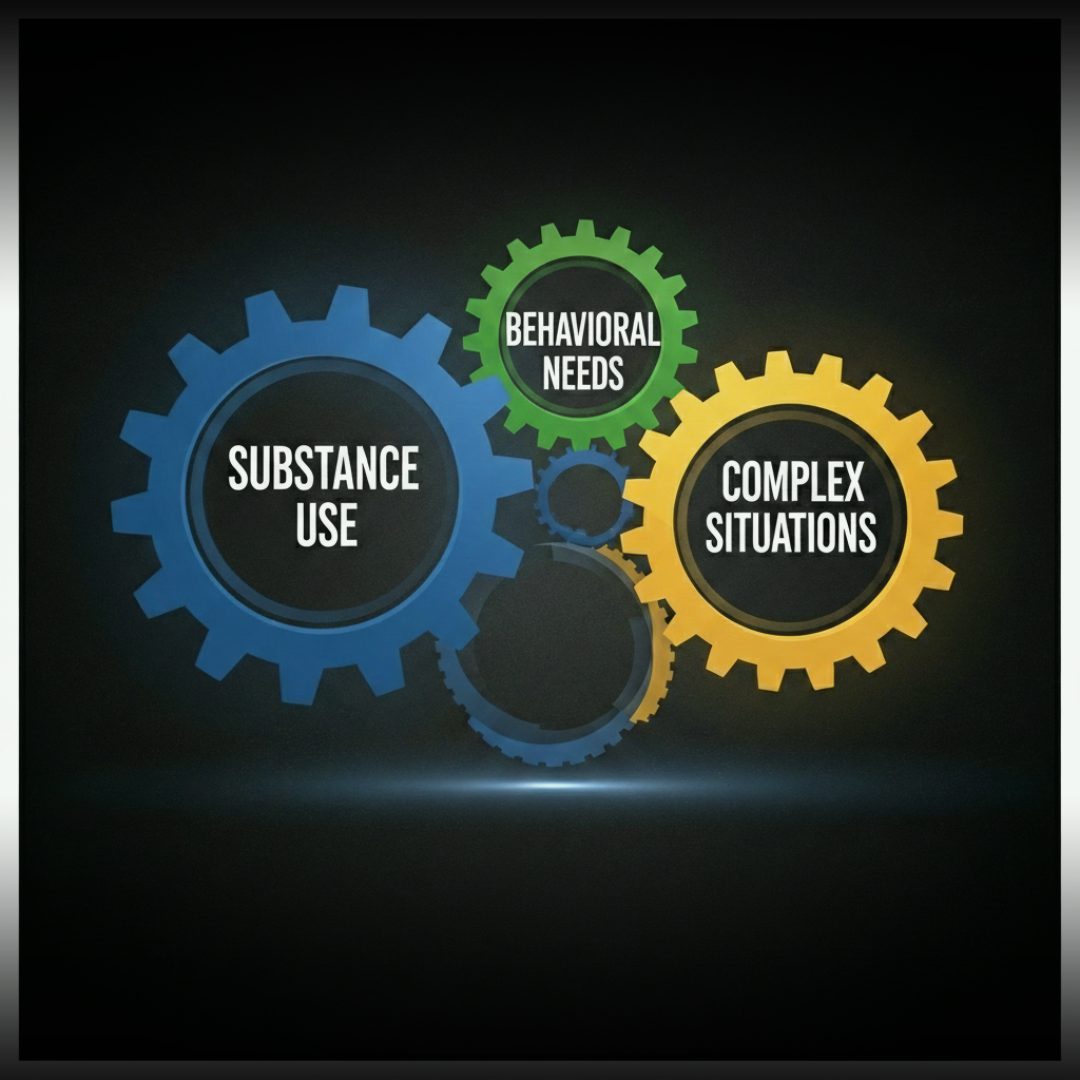
Some topics carry heavy shame for teens. This includes substance use and risky behavior. Your respectful tone keeps the door open for talk. Use calm curiosity, not lectures. Describe what you notice and ask what is going on. This supports honesty and protects relationships.
Some teens live with behavioral challenges or learning disabilities. School and friendships can feel more complex for them. Strong services and support can help. If substance concerns grow, act early. Involve parents and health professionals quickly. Early intervention protects wellbeing and lowers risk.
Use training, research, and evidence based practices for prevention

Many young people need more than one helper. That is why systems matter in community and school. Strong systems improve access to services. Choose programs that match research and real outcomes. Look for evidence based practices in youth settings. Quality programs strengthen prevention.
Ask about staff training for teachers, coaches, and leaders. Training helps adults spot risk and respond early. It improves how services treat young clients. Stay aware of trusted news and public guidance. The surgeon general's advisory highlights youth stress and social pressure. Disease control guidance supports prevention planning for society.
A motivating takeaway you can return to on hard days

You are not meant to carry everything alone. Your job is steady daily support and connection. That is the heart of youth emotional support.
Pick three small actions you can repeat. Listen for two minutes, share one meal, and take one walk. Small steps can change a teen’s life. When a teen is struggling, return to basics. Stay calm, keep talk open, and stay involved. Consistent support creates real difference.
If symptoms persist, bring in the right help. Use mental health resources, mental health services, and mental health professionals. With the right services, many teens find steady healing. Hold onto your purpose on tough days. You are guiding youth toward healthier choices and stronger relationships. Your steady emotional support can help them carry hope into adulthood.
UP NEXT: Mind Control Habits for Stress-Free Living