


You may notice emotional projection shaping reactions before you notice the feeling itself. Emotional projection happens when feelings feel safer placed outside yourself. You may sense relief when emotions move onto others. This guide walks beside you with calm clarity and kindness.
You live among many feelings each day. Some feel warm and clear. Others feel sharp and confusing. Emotional projection can quietly shape how you see someone else. You are not broken for noticing this.
Understanding Emotional Projection With Care

Emotional projection is a common human tendency rooted in self protection. It appears when uncomfortable emotions feel heavy to hold alone. You may place those feelings onto others to find balance. This process is also called psychological projection. It acts as a defense mechanism that shields the heart. It may offer temporary relief when inner tension rises. That relief rarely lasts.
You may notice projection in everyday life projection moments. A co worker feels threatening. A loved one feels critical. Often, the feeling reflects your own feelings seeking care. These moments act as mirrors, showing you parts of yourself that may need attention. When you recognize this, you can approach the situation with compassion rather than defensiveness. By understanding your own emotions, you open the door to healing and healthier connections.
Where Projection Comes From Inside You

Projection has deep roots in psychoanalytic theory and modern social psychology. Sigmund Freud described it as a psychological defense mechanism. He believed it protects the ego from pain. Freudian defense mechanisms include defensive projection and reaction formation. These patterns help you avoid confronting inner discomfort. They also shape biased person perception.
Projection serves ego protection during stress. It moves negative emotions onto others. This can reduce emotional discomfort briefly. Awareness gently restores balance. By recognizing when projection occurs, you begin to understand the deeper emotions at play. Awareness allows you to pause, reflect, and choose a healthier response, bringing a sense of calm. As you integrate this understanding, emotional balance becomes a natural part of your everyday life.
How Projection Shows Up In Daily Life
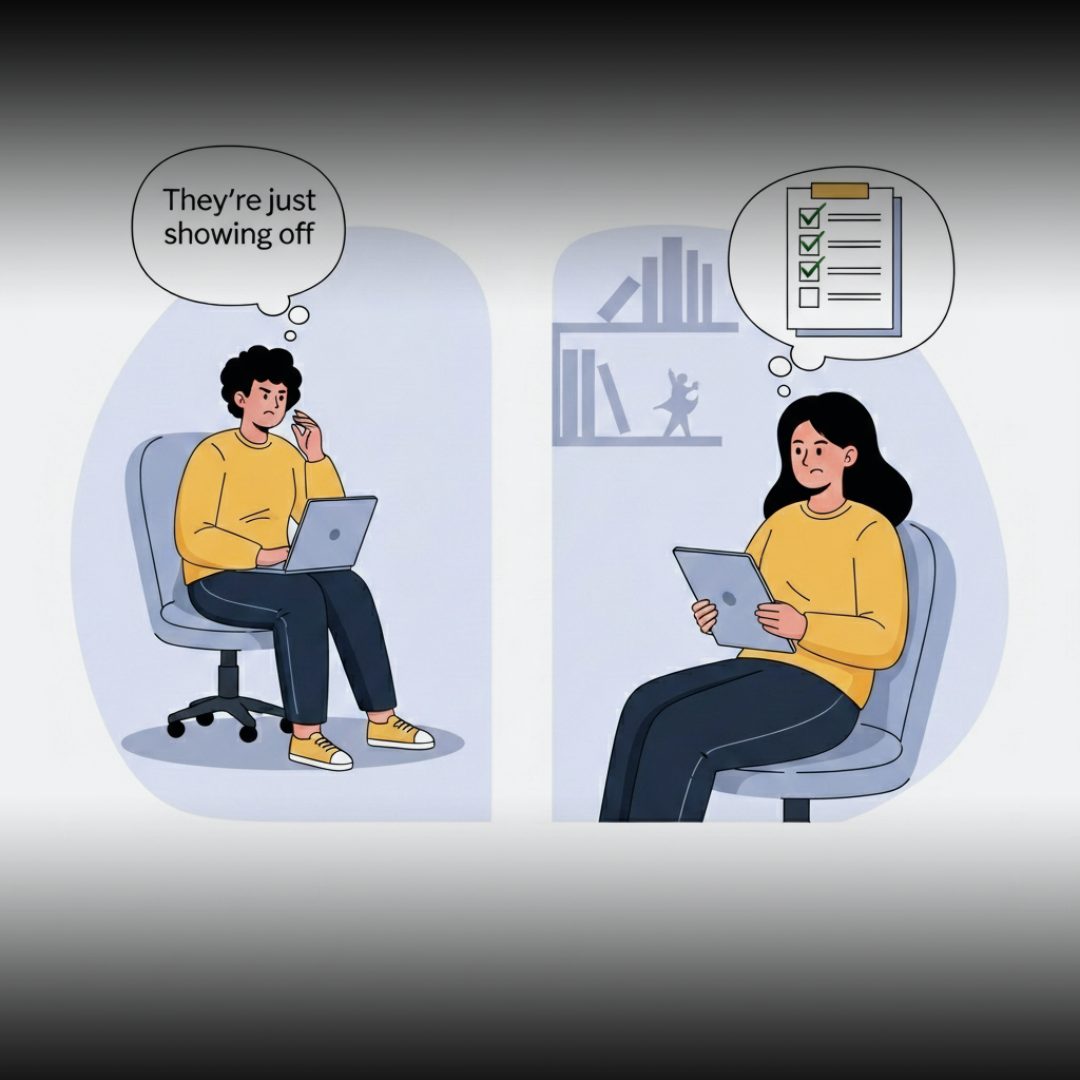
You may notice projection in daily life through frequent misunderstandings. People project fears onto a co worker or someone else. Unfounded accusations can quietly grow. You may frequently accuse others of the same qualities you dislike. This often reflects own insecurities or low self esteem. The outside world becomes a mirror.
These moments examples illustrate recurring patterns. They can create relationship problems and strain trust. Noticing patterns supports personal growth. By observing these patterns, you begin to recognize the impact of your actions on others. This awareness allows you to make more conscious choices, improving your connections and emotional health. As you grow, you find greater trust in yourself and those around you.
READ ALSO: Magical Mindset to Transform Your Daily Self-Care Routine
Projection And Your Mental Health

Projection affects mental health when patterns repeat. It can increase stress and emotional discomfort. Health effects may include anxiety and lowered self esteem. People project to avoid confronting own unresolved issues. This can hide underlying issues for years. Gentle awareness supports everyday health.
Certain conditions like borderline personality disorder may intensify projection. Supportive care and self awareness reduce harm. You deserve steady compassion. Recognizing the impact of these conditions helps you seek the right support and healing. Through care and understanding, you create a path to emotional well-being, free from the weight of projection. With consistent self-awareness and kindness, you begin to break free from these intensified patterns.
Projection In Romantic Relationships

Projection often appears in romantic relationships. You may feel misunderstood by a romantic partner. Feelings may be placed onto others during conflict. Unresolved issues can surface as criticism. You may see undesirable traits in someone else. Often, those traits echo internal struggles.
Honest conversation invites healing. Self reflection opens space for emotional maturity. Connection grows through shared responsibility. By embracing open dialogue, you foster trust and understanding in your relationships. Through reflection, you unlock deeper emotional wisdom, enhancing your ability to navigate challenges with grace. As you share responsibility, you create a foundation of mutual respect and growth, strengthening the bonds you hold.
Positive And Negative Projection Patterns
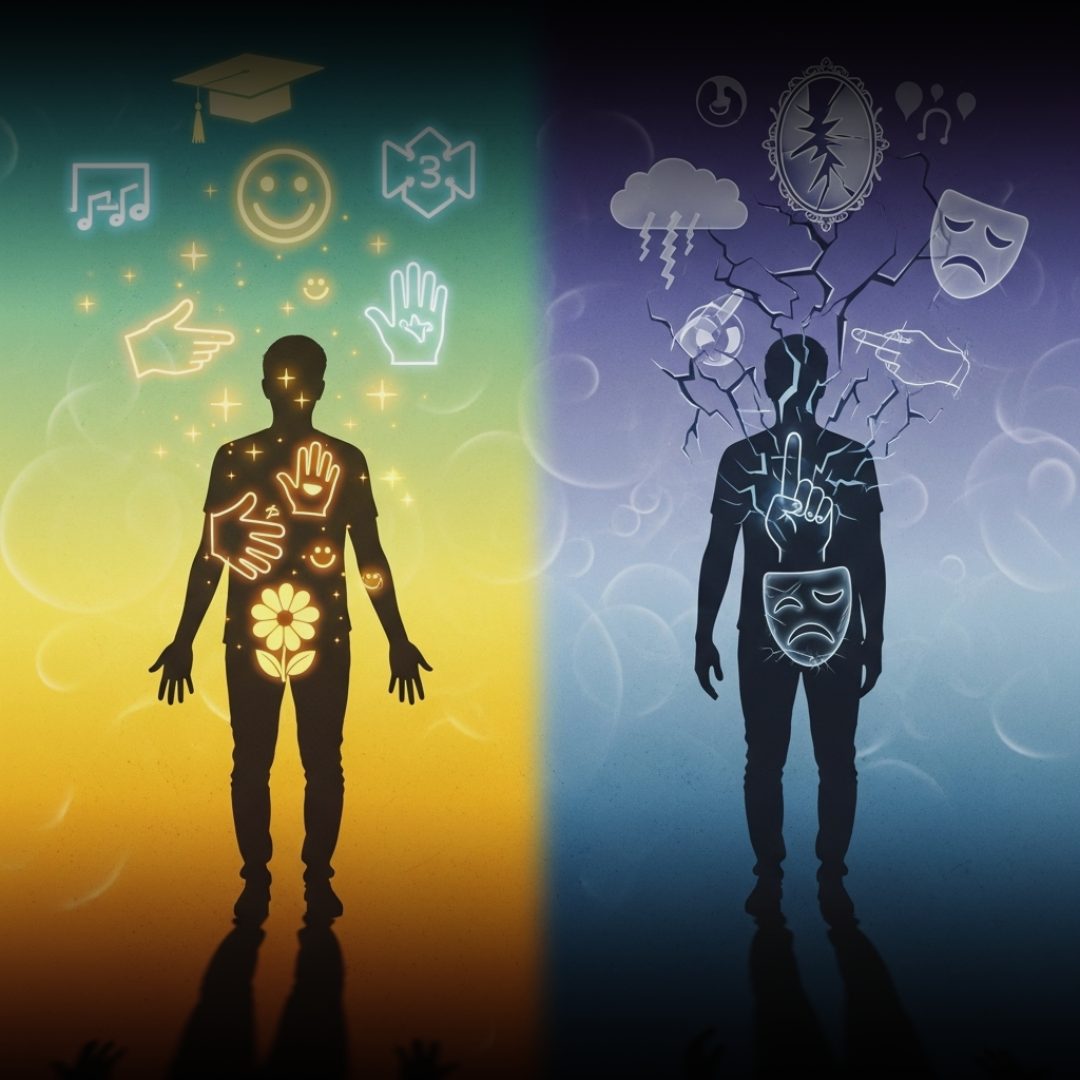
Projection is not always harmful. Positive projection can place hope onto others. It can inspire kindness and admiration. Negative patterns emerge when projection hides unacceptable impulses. You may label others as overly critical. Negative characteristics feel easier to assign outward.
Recognizing negative patterns builds conscious awareness. You learn to separate feelings from facts. This supports healthier coping mechanisms. By identifying these patterns, you gain the ability to respond rather than react. This awareness creates space for growth, allowing you to choose actions that nurture your well-being. As you separate emotion from reality, you create a balanced approach to handling life's challenges.
The Psychology Behind Projection Today

Modern social psychology studies projection within cognitive processes. Research explores how people project undesirable traits. Empirical findings provide valuable insights. Social psychology shows projection can justify prejudice. It may support unfounded beliefs about someone else. Awareness reduces harm.
These studies provide valuable insights for self discovery. They invite curiosity instead of judgment. Learning becomes gentle and empowering. With an open mind, you embrace growth through each new understanding. Rather than criticize, you welcome the opportunity to evolve and grow. This shift in perspective allows you to approach life with more kindness and confidence.
READ ALSO: Mindful Souls Grow at Their Own Pace
How To Stop Projecting With Kindness

You can stop projecting by slowing reactions. Pause when feelings rise sharply. Ask what emotion feels present. Naming feelings builds self awareness. It helps you own your own behavior. This supports taking responsibility.
You begin to stop projecting when you breathe. You choose self reflection instead of blame. Balance grows through patience.Each breath brings clarity, allowing you to see your emotions without judgment. Through self-reflection, you discover the strength within to face your feelings with compassion. In this peaceful space, balance and understanding flourish, guiding you toward emotional harmony.
Healthier Ways To Cope With Strong Feelings
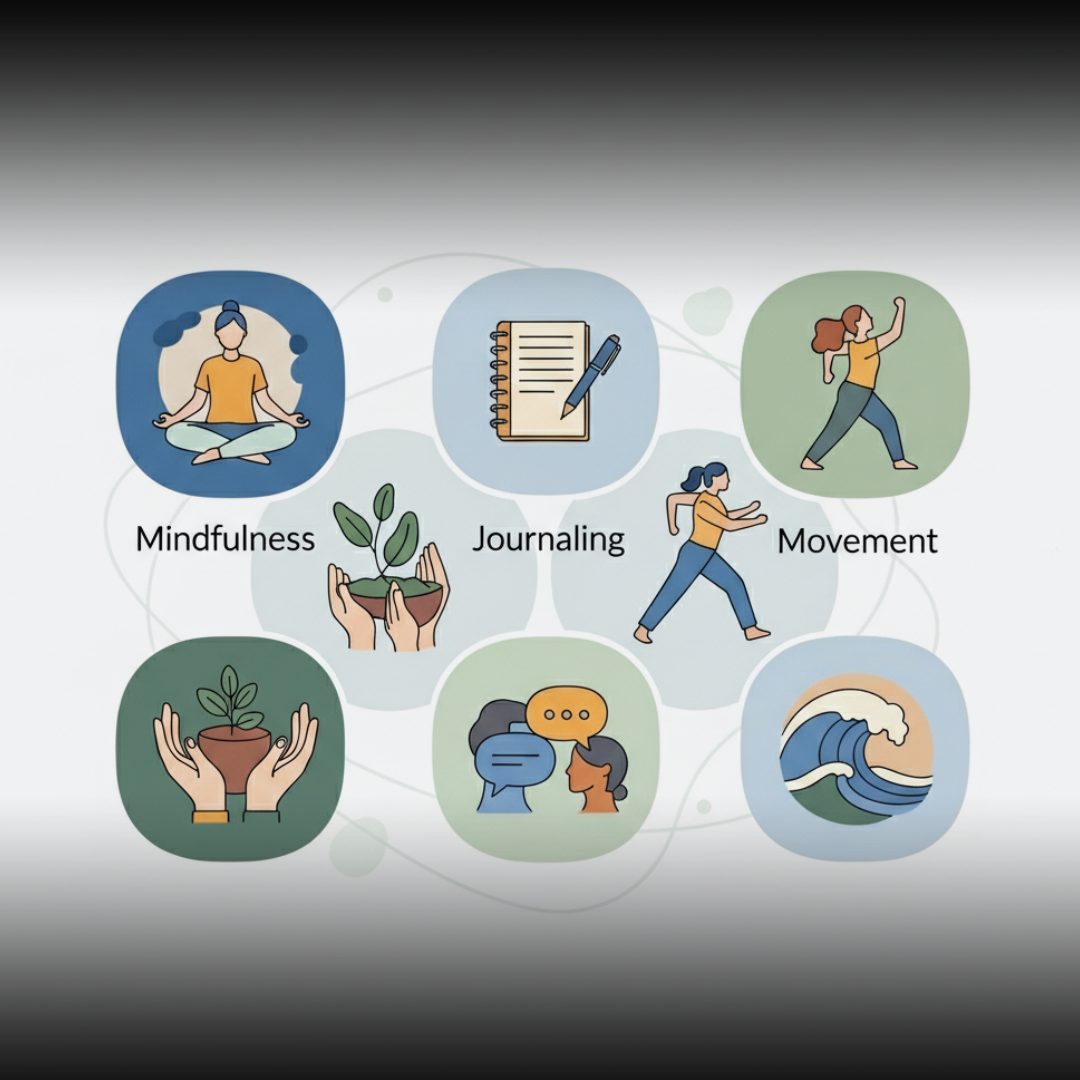
You can develop healthier coping mechanisms with practice. Journaling supports conscious awareness. It reveals difficult emotions safely. Movement and rest support mental health. Talking with support builds self esteem. These are healthier coping mechanisms.
As you develop healthier coping mechanisms, projection fades. You learn to break free from old habits. Growth feels steady.With each positive change, you gain a deeper understanding of your emotional triggers and patterns. By consistently practicing self-awareness, you nurture a more balanced, grounded approach to life. The path to growth becomes clearer, and each day feels like a fresh opportunity for transformation.
READ ALSO: Think Positive Be Positive: The Mood Shift You Need
Addressing Projection For Lasting Growth

Addressing projection requires personal responsibility. You gently notice when feelings move onto others. Curiosity replaces shame. Projective techniques in therapy can help. They explore unacceptable thoughts with care. Support builds emotional maturity.
You grow through self discovery and reflection. You strengthen self esteem, you move toward personal growth. Embracing your inner challenges with patience empowers you to break free from limiting patterns. Each step you take builds a stronger sense of self-worth and confidence. As you continue this journey, you become more aligned with your true potential and authentic self.
A Gentle Takeaway For Your Journey

Projection is a natural defense mechanism. It reflects a human tendency toward ego protection. You are not failing by noticing it. Self awareness invites healing. You learn from internal struggles. You choose compassion over criticism.
With time, you stop projecting and grow. You meet feelings with honesty. Your journey continues with grace. Embracing your emotions fully nurtures deeper self-awareness and healing. Each moment of clarity brings you closer to understanding your inner world. As you evolve, you choose kindness over blame, and your emotional maturity flourishes.
UP NEXT: Youth Emotional Support Practices to Encourage Positivity