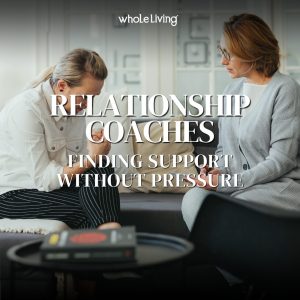


Emotional damage can leave a lasting impact, affecting how you think, feel, and behave. Emotional trauma often arises from painful experiences like betrayal, loss, or abusive relationships, making it hard to find peace. When we go through these struggles, it’s important to address the emotional pain we carry and work toward healing. This journey might seem overwhelming, but with the right tools and support, emotional well-being is possible.
Understanding Emotional Damage

Emotional damage often stems from experiences that affect our sense of safety, trust, and identity. Whether it’s caused by past traumas, difficult relationships, or challenging life events, the effects of emotional distress can linger, sometimes for years. Understanding that emotional trauma doesn’t define you is the first step toward recovery.
It’s also essential to recognize that emotional distress manifests differently in everyone. Some might experience symptoms like anxiety, anger, or sadness, while others may struggle with feelings of isolation or guilt. No matter the form, acknowledging the presence of emotional damage is the beginning of healing.
READ ALSO: Trauma Bonds Deplete—It’s Time to Refuel Differently
The Importance of Seeking Professional Help

Healing from trauma isn’t always something we can do alone. While practicing self-compassion and implementing coping strategies can go a long way, seeking professional help is often crucial for deep-rooted healing. A therapist can provide valuable support, guiding you through techniques like somatic experiencing and trauma-focused therapy.
Therapeutic approaches help you understand the emotional patterns that arise from past trauma and develop effective coping strategies. Seeking professional help is not a sign of weakness; it’s a crucial part of restoring your emotional well-being.
Coping Strategies for Healing

There are many coping strategies you can incorporate into your life that will support your healing journey. Mindfulness is one such strategy that focuses on being present and observing your thoughts and feelings without judgment. It can reduce the symptoms of emotional pain by helping you create a sense of safety and control.
Self-care activities like exercise, journaling, or spending time in nature can also help manage emotional distress. These activities allow you to reconnect with yourself and remind you that you are worthy of care. Over time, these habits will contribute to healing emotional wounds and enhance your overall well-being.
The Role of Support Groups

Sometimes, the best way to heal is by connecting with others who understand your experience. Support groups offer a safe space to share your journey, express your vulnerability, and receive empathy from others who have encountered similar challenges. These connections can be deeply healing, providing a sense of community and emotional well-being.
Being part of a support group can also remind you that you are not alone. These spaces offer the kind of valuable support that can be a powerful tool in managing symptoms of post traumatic stress disorder and emotional distress.
READ ALSO: Symptoms of Trauma That Show Up Seasonally
Practicing Self-Compassion

Self-compassion is an essential part of the healing process. It involves treating yourself with the same kindness, understanding, and patience that you would offer to a loved one. When you’re struggling with emotional damage, it’s easy to become critical of yourself, but practicing self-compassion helps to break that cycle.
Instead of focusing on what you did wrong or how you “should” have handled things differently, remind yourself that emotional pain is a part of being human. By accepting your emotions and healing trauma with love, you can gradually release the grip that past traumas hold over you.
Exploring Effective Coping Strategies

There are many paths to healing, and it’s important to find what works for you. While some find relief in somatic experiencing or therapy, others may find comfort in journaling or creative expression. The key is to experiment with effective coping strategies that support your emotional well-being.
Incorporating daily life practices that nurture your sense of safety and joy is essential. Over time, these small steps can lead to lasting changes in how you manage emotional distress and approach healing trauma.
The Importance of Boundaries

Creating healthy boundaries is a significant part of emotional well-being. Boundaries help protect your emotional energy, allowing you to create a safe space for yourself. Whether it’s setting limits in relationships or taking time for self-care activities, healthy boundaries are essential for healing.
Boundaries help you develop emotional resilience and ensure that you have the space to nurture your emotional health without feeling overwhelmed by the needs of others.
Healing from Trauma with Mindfulness

Mindfulness isn’t just a buzzword—it’s a powerful tool in the healing process. By focusing on the present moment and acceptance, mindfulness helps reduce the emotional pain that comes from lingering thoughts about past events. This practice allows you to release emotional distress and embrace the healing journey with more clarity and peace.
When you’re able to acknowledge and observe your emotions without judgment, you can create space for healing. Mindfulness allows you to reconnect with yourself in a way that promotes balance and emotional well-being.
READ ALSO: Mind and Peace Tips to Achieve Calm and Clarity
The Role of Empathy in Healing

Empathy plays a vital role in healing from emotional damage. When you feel understood and supported, your ability to heal trauma is strengthened. Empathy from others can create a safe space for emotional expression, fostering healing in a nurturing environment.
Being able to offer empathy to yourself is also important. Treating yourself with compassion and understanding allows you to heal and move forward with a sense of empowerment and emotional well-being.
The Healing Journey: Moving Forward with Intentionality

The healing journey is not always linear, and it’s important to approach it with patience. By embracing healthy coping mechanisms, practicing self-compassion, and seeking professional help, you will continue to grow. Over time, your emotional well-being will improve, and the emotional damage will feel less overwhelming.
Remember, healing is a lifelong process. Each step you take toward healing—whether big or small—contributes to your overall sense of peace. Embrace the journey with trust, knowing that with time, compassion, and care, healing trauma is possible.
A Final Word: You Are Not Alone

No matter how deep the emotional pain runs, you are never alone in your healing process. With effective coping strategies, the right support, and a commitment to healing, you can find balance, peace, and growth. The healing journey may take time, but every step you take is a step toward reclaiming your emotional well-being.
Be gentle with yourself. You have the ability to heal and create a life filled with compassion, peace, and joy. Trust in the process and know that each day is an opportunity to embrace healing.
UP NEXT: Mindful Souls Grow at Their Own Pace