


You begin this journey understanding that exercise for overall health supports balance, strength, and calm through steady physical activity. You are not chasing perfection, only consistency that honors your body and protects long term health and emotional wellbeing. This moment invites you to slow down, breathe deeply, and notice how movement can feel supportive instead of demanding. You are learning that health grows when exercise becomes a caring habit rather than a stressful obligation.
Why Movement Matters More Than Ever

You live in a modern rhythm that often limits movement, making regular physical activity essential for protecting physical and mental health. Exercise supports disease prevention and lowers the risk of heart disease through steady circulation and improved metabolic balance. When you move often, you support health promotion and reduce daily stress held within your body. This practice quietly strengthens resilience while guiding you toward healthier lives with more ease.
You may not notice changes immediately, yet your body responds positively to consistent exercise behind the scenes. Physical activity supports heart disease management and reduces risk linked to metabolic syndrome and chronic health problems. These health benefits build gradually, protecting your future self with every intentional step you take. Movement becomes an investment in stability, confidence, and long term wellbeing.
READ ALSO: Mobility Exercise: The Best Daily Moves to Help If You Sit All Day
Listening to Your Body First

You do not need extreme effort to gain benefits, because listening to your body guides safe and effective exercise choices. Physical activity works best when you respect signals like fatigue, tension, and comfort during movement. This awareness protects you from injury while supporting steady improvement in strength and endurance. You learn that rest and motion work together to support overall health.
When you listen closely, you remain physically active without burnout or frustration. Exercise becomes a conversation rather than a command, allowing trust to grow within yourself. Your fitness level improves naturally when movement feels supportive instead of forced. This approach builds consistency, which matters more than intensity alone.
READ ALSO: Mindful Body Whispers the Path to Inner Balance
Understanding Physical Activity Guidelines

You may wonder how much physical activity truly supports health without overwhelming your schedule or energy. Physical activity guidelines from national institute sources and health and human services offer clear, supportive direction. These guidelines explain minutes of moderate movement recommended per week for most adults. They exist to protect health while allowing flexibility and personal choice.
You are encouraged to follow physical activity guidelines as tools, not strict rules. Health and human services emphasize balance between aerobic activity and muscle strengthening activities. This structure helps you stay physically active while reducing risk of injury or exhaustion. Guidance supports confidence as you build a routine that fits your life.
Finding Your Ideal Intensity
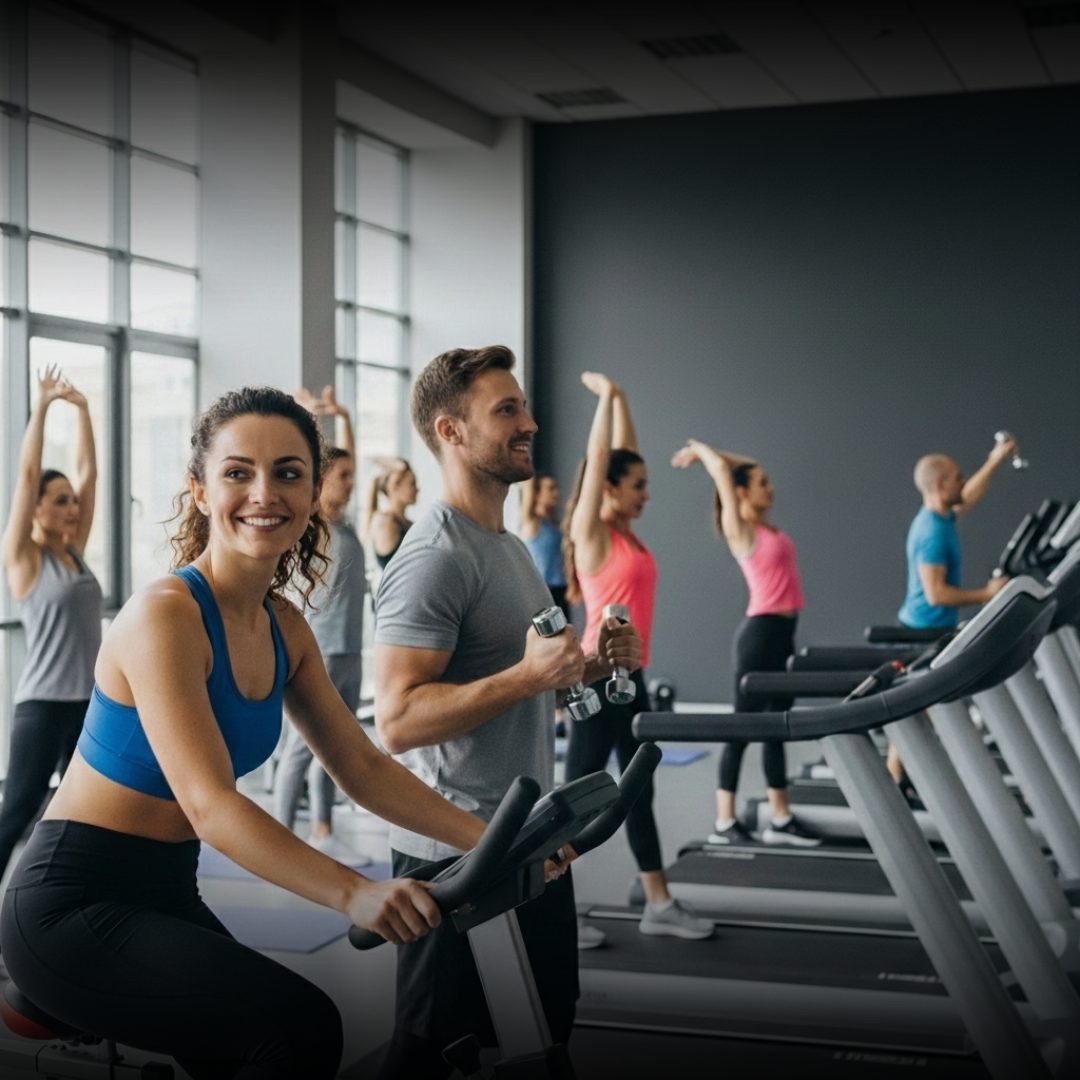
Moderate intensity exercise feels steady, controlled, and sustainable for most days. You can speak comfortably while moving, which defines moderate intensity physical activity. This level supports heart health, weight management, and lower risk for many health conditions. It also builds confidence and enjoyment in daily exercise.
Vigorous intensity activity feels faster and more demanding, raising breathing and heart rate quickly. Vigorous intensity supports endurance, burn calories efficiently, and improves cardiovascular strength over time. Both moderate and vigorous intensity activity serve important roles in overall health. You choose based on energy, goals, and comfort.
Exploring Aerobic Activity Options

Aerobic activity strengthens your heart and lungs through rhythmic, continuous movement patterns. You may enjoy brisk walking, swimming laps, or water aerobics for gentle support. Moderate aerobic activity fits easily into daily routines without special equipment or pressure. These movements improve blood pressure and cholesterol levels steadily.
Vigorous aerobic activity challenges stamina and increases calorie use in shorter periods. Vigorous intensity aerobic activities include climbing stairs or fast cycling sessions. Aerobic exercise supports heart disease prevention and improves circulation throughout your body. You choose options that feel enjoyable and realistic.
Strengthening Your Body With Care

Muscle strengthening activities support posture, balance, and daily function across major muscle groups. Muscle strengthening protects joints and supports muscle strength needed for everyday tasks. These strengthening activities reduce risk of injury and support independence as you age. You build strength with intention, not strain.
You may use your own body weight, resistance bands, or weight machines safely. Lifting weights and strength training support muscle groups without needing excessive load. Muscle strengthening also supports weight management and metabolic health. This practice strengthens confidence alongside physical ability.
READ ALSO: Body Sensor Network Is The Key to Optimize Your Health
Balancing Strength and Movement

Strengthening activities work best when balanced with aerobic activity throughout the week. This balance supports weight bearing benefits and protects bones and joints. Muscle strengthening combined with aerobic activity improves overall health outcomes significantly. You create harmony between effort and recovery.
Weight bearing exercise supports bone density and long term mobility. Strength training helps you lose weight safely while preserving muscle tissue. This balance reduces risk and supports sustainable weight loss goals. Your body responds best to thoughtful variety.
Everyday Movement Counts Too

You remain physically active through daily choices like grocery shopping or walking short distances. More physical activity happens naturally when you choose stairs instead of elevators. These moments burn more calories than expected and support regular physical activity. Small actions build powerful habits.
You do not need formal workouts daily to support health. Brisk walking or light chores still count toward minutes of moderate movement. Regular physical activity fits into real life without disruption. Consistency matters more than perfection.
Managing Health Risks Gently

Exercise lowers the risk of heart disease and supports stable blood pressure levels. Regular physical activity reduces high blood pressure and improves vascular function. Movement also lowers risk linked to metabolic syndrome and heart disease progression. These changes protect long term health.
Exercise supports management of digestive and kidney diseases through improved circulation and metabolism. Regular activity reduces risk associated with kidney diseases and related health problems. Movement supports disease prevention across multiple body systems. Gentle consistency makes lasting impact.
Special Considerations for Life Stages
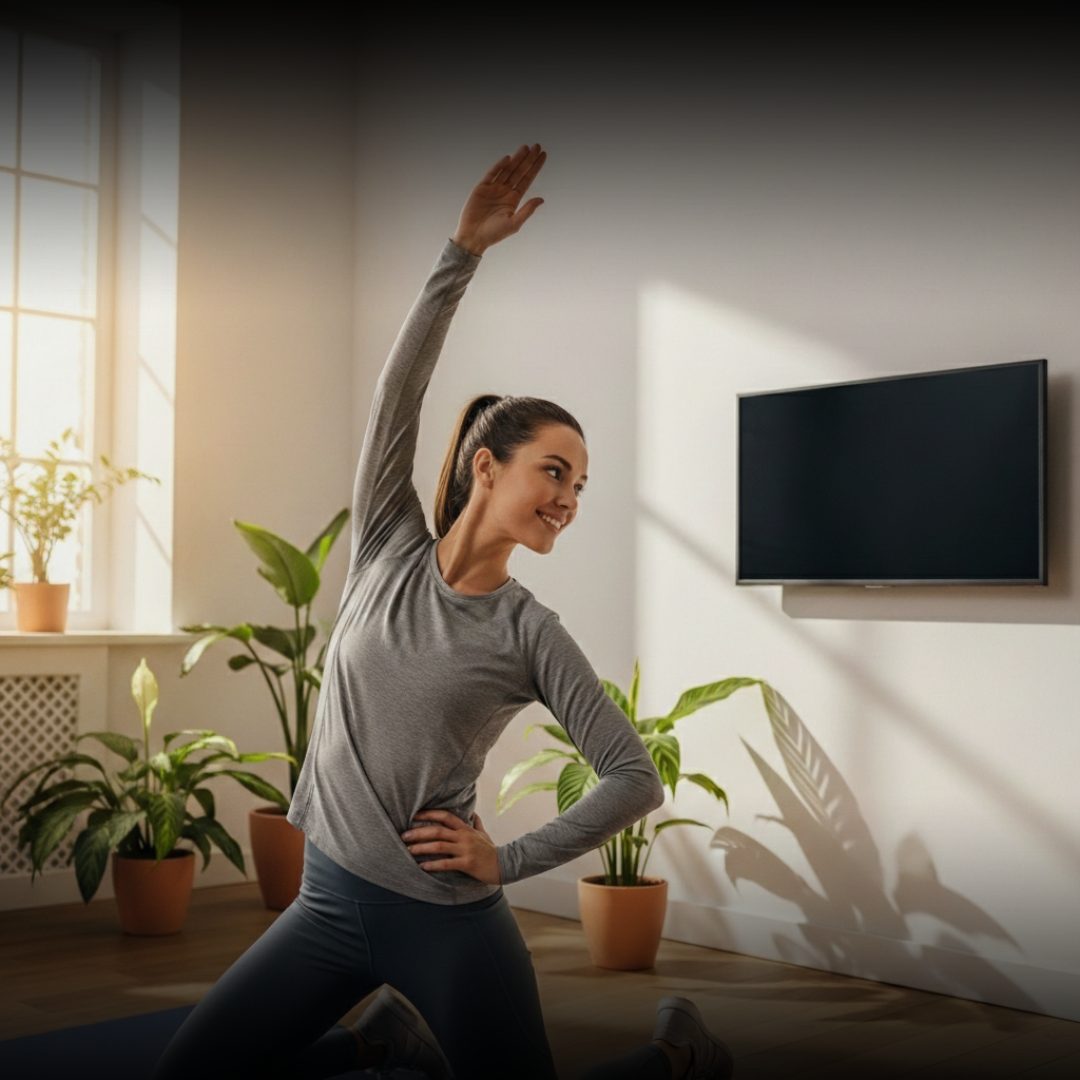
Older adults benefit from regular physical activity that improves balance and coordination. Strengthening activities help prevent falls and support better quality of life. Exercise maintains independence and confidence during aging years. Movement keeps the body responsive and strong.
Pregnant women should consult a healthcare provider before beginning any exercise routine. Gentle aerobic activity often supports comfort, circulation, and better sleep. Exercise during pregnancy should feel supportive and safe. Guidance ensures health for both parent and baby.
Creating a Sustainable Exercise Program
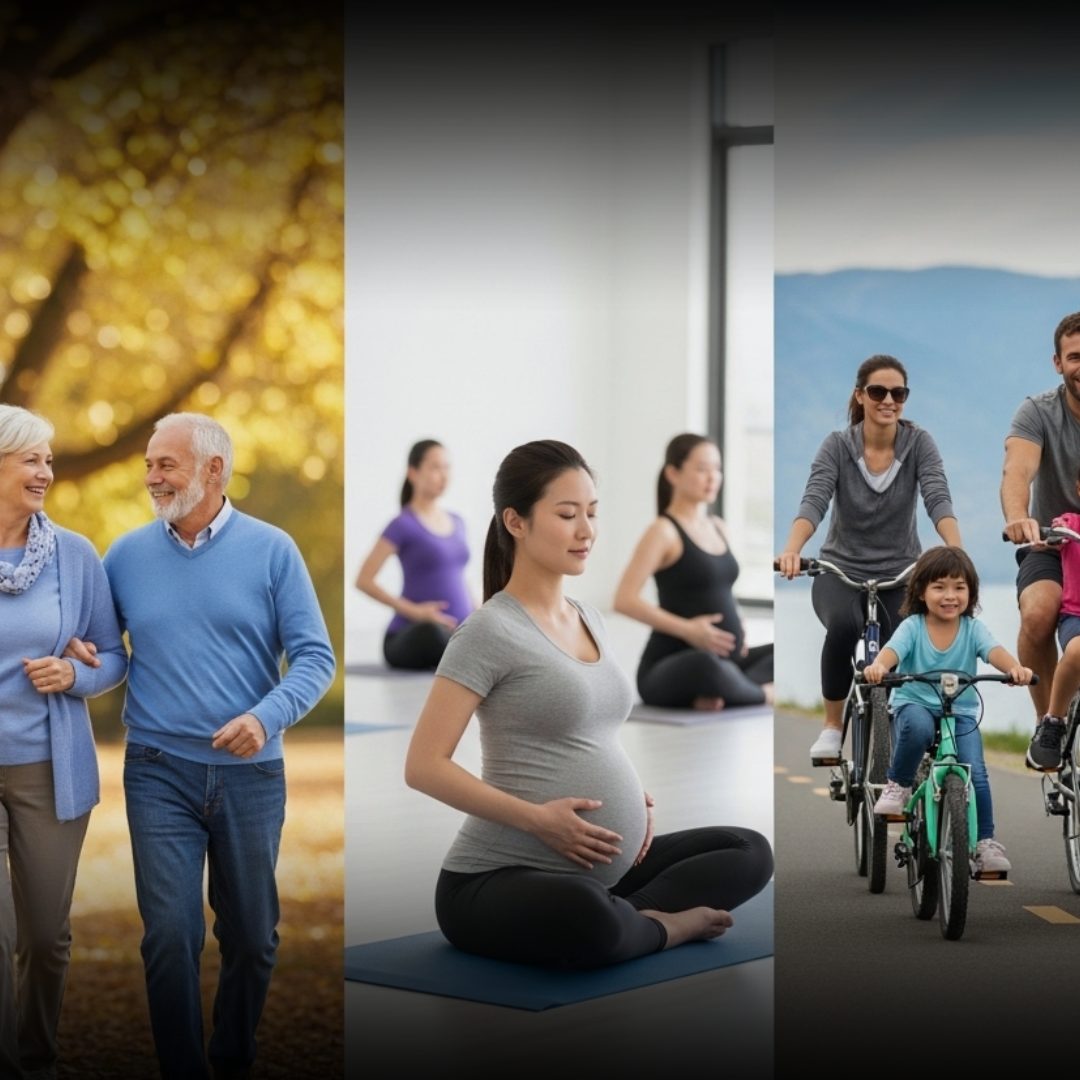
Your exercise program should match your lifestyle, energy, and responsibilities realistically. You choose days a week that feel manageable and supportive. Even short sessions per week provide meaningful health benefits. Consistency builds momentum.
American heart association recommendations encourage moderate to vigorous movement weekly. These recommendations support heart health without demanding extremes. You adapt guidance to your own needs and preferences. Sustainability remains the priority.
Staying Motivated Without Pressure

You stay motivated by remembering why exercise supports your health and happiness. Movement improves mood, clarity, and daily energy levels. Exercise lowers risk and supports healthier lives long term. Purpose fuels consistency.
You are not exercising only to lose weight or change appearance. Weight loss may occur, yet balance remains the goal. Exercise becomes an act of self respect and care. Motivation grows through kindness.
A Calm and Encouraging Takeaway

You now understand how exercise supports overall health through balance and intention. Moderate to vigorous activity both serve unique purposes. Physical activity becomes a steady companion rather than a burden. Confidence replaces doubt.
You move forward staying physically active in ways that feel nurturing. Regular physical activity supports health, resilience, and joy. Each step lowers risk and builds strength. You are supported every step forward.
UP NEXT: Yoga Posture to Align Your Body and Embrace Gratitude