
Embarking on a fitness journey is one of the most empowering decisions you can make. Whether you’re just starting out or have been working on your fitness goals for some time, creating a sustainable workout routine is key to long-term success. The benefits of sustainable routines include improved overall health, increased motivation, and a better quality of life. Think of your exercise journey as a personalized process that involves guidance, support, and gradual progress toward your goals. As your fitness authority, I’m here to guide you through crafting a fitness plan that not only motivates you but also helps you stay consistent while building sustainable exercise habits.
Introduction to Fitness

Starting your fitness journey is an exciting step toward a healthier, more vibrant life. For many, the idea of committing to a regular fitness routine can feel overwhelming, but the rewards are well worth the effort. A sustainable fitness routine is the foundation for long-term success, supporting not only your physical health but also your mental health and overall well-being.
The key to building a sustainable fitness routine is to set realistic goals that fit your lifestyle and current abilities. Consistency is essential—rather than aiming for perfection, focus on making physical activity a regular part of your daily life. Incorporate a variety of exercises to keep things interesting and prevent boredom, whether that’s trying new classes, exploring outdoor activities, or mixing up your workouts at the gym. Remember, a sustainable fitness routine should enhance your quality of life, helping you feel energized, confident, and motivated for the long term.
What Are Sustainable Workouts?
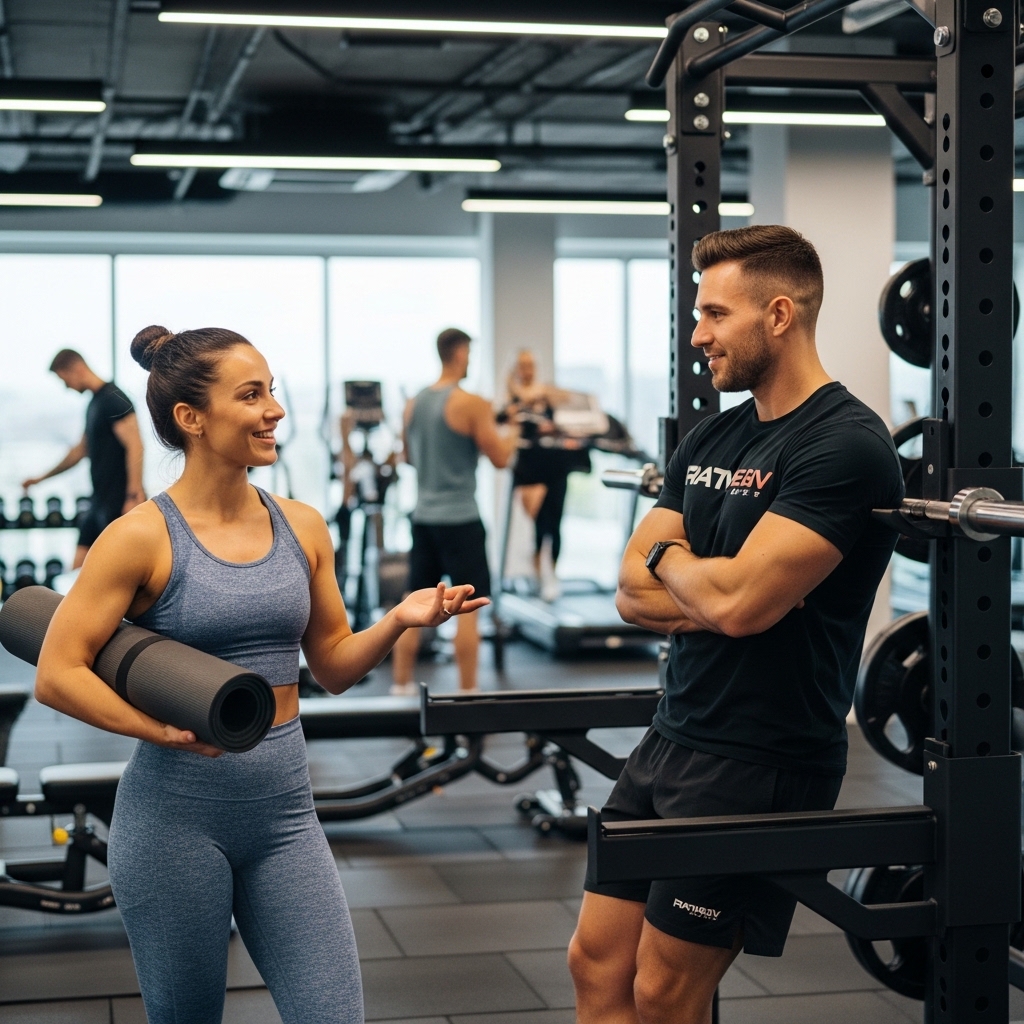
Sustainable workouts are exercises that you can maintain in the long term, without burning out or losing motivation. A sustainable fitness routine focuses on balance—one that includes both strength training and cardiovascular health, along with adequate rest and recovery. A sustainable routine is enjoyable, varied, and adaptable to individual preferences, making it easier to stick with over time. It’s about finding an exercise routine that fits seamlessly into your life, leaving you feeling energized rather than exhausted. By following a sustainable routine, you can help maintain high energy levels throughout the day.
The goal is to create a routine that feels fulfilling, not overwhelming. It’s important to choose exercises that bring you joy, so they become a regular part of your life. By listening to your body and adjusting your routine when needed, you’ll achieve long-term fitness goals without compromising your health or well-being. Sustainable workouts prioritize long-term consistency, focusing on enjoyment, balance, and injury prevention.
Creating a Consistent Fitness Routine

One of the most important aspects of fitness is consistency. Your fitness journey will thrive on a regular fitness routine that aligns with your lifestyle. The key to staying consistent is to start slow, then gradually increase the intensity as your body becomes stronger and more capable. It’s not about pushing yourself too hard—it's about making fitness a habit that becomes second nature.
Start by setting small, realistic goals that you can build on. If you're a fitness beginner, focus on simple exercises that you can incorporate into your day. Over time, as your confidence grows, you’ll naturally want to increase your workout intensity and diversify your fitness routine. Remember, the secret to success lies in finding your rhythm and embracing the journey at your own pace.
Understanding the Importance of Rest and Recovery

A sustainable fitness routine doesn’t just mean regular workouts; it also includes regular rest days. Rest is where the magic happens—it’s when your muscles recover, repair, and grow. Without enough rest, your body can become fatigued, which can hinder your progress. Prioritizing recovery is just as important as your workout itself. Make it a point to prioritize recovery, as incorporating proper rest and recovery is essential to protect joints and prevent burnout.
Listen to your body and honor the need for rest. This is a crucial part of maintaining sustainable exercise habits. Schedule rest days throughout the week to give your muscles time to heal. Remember, rest is not a sign of weakness; it’s a vital component of achieving your long-term fitness goals.
Building Workout Motivation

One of the most common challenges in maintaining a fitness plan is finding workout motivation. Some days, you may feel motivated, while others, it might seem impossible to lace up your shoes. The key is to develop a mindset that makes fitness non-negotiable, rather than something to fit in when you feel like it.
To stay motivated, focus on the reasons you started your fitness journey in the first place. Write them down, so you can easily return to them when you need a boost. Celebrate small victories, and don’t be too hard on yourself if things don’t always go as planned. Stepping outside your comfort zone to try new activities can make your workouts more enjoyable and sustainable. Fitness is a lifelong journey, and every step forward counts.
Setting Realistic Fitness Goals

When setting fitness goals, it’s important to be realistic and specific. Sustainable fitness goals are attainable and measurable, providing a sense of accomplishment as you progress. Whether your goal is to improve strength training, run longer distances, or simply be more active, setting clear, achievable goals is the foundation of any fitness plan.
Start by defining both short-term and long-term fitness goals. Short-term goals could include increasing the number of steps you take daily, improving your flexibility, or adding an extra set to your workout. Long-term goals might be focused on building strength, improving cardiovascular health, or maintaining a consistent workout schedule for a year. Break down your goals into manageable steps, and remember to celebrate your progress along the way.
READ ALSO: Emotional Projection: A Gentle Guide to Self-Reflection
Strength Training: Building a Stronger You

Incorporating strength training into your workout routine is an essential part of any sustainable fitness plan. Strength training helps build lean muscle, boosts metabolism, and improves overall strength. Building and maintaining muscle mass not only increases strength and flexibility but also plays a key role in injury prevention. It also enhances your bone health and reduces the risk of injury.
Whether you’re using bodyweight exercises or weights, strength training should be a regular part of your fitness routine. Aim for at least two strength training sessions per week, targeting different muscle groups. As you build strength, you’ll notice improvements in your daily life—whether that’s carrying groceries with ease or feeling more energized.
Cardiovascular Health: Your Heart’s Workout

Cardiovascular exercise is just as important as strength training in a sustainable workout plan. It improves heart health, increases stamina, and helps burn calories. Incorporating cardio into your exercise routine is a great way to support overall fitness and longevity.
Choose a form of cardio that you enjoy, whether it's jogging, swimming, cycling, or dancing. Start with moderate-intensity sessions and gradually work your way up. The goal is to find a cardiovascular workout that feels good, so it’s something you’ll want to do regularly.
Fitness for Beginners: Where to Start

If you're new to fitness, it's important to ease into your exercise routine and gradually build up your stamina. Begin with basic movements that work your entire body. Start slow and listen to your body’s signals. As you gain more experience, you’ll begin to understand how your body responds to different workouts.
Consistency is key, so aim for at least 30 minutes of physical activity each day, even if it's just a brisk walk. Incorporate strength training and cardio in a way that feels manageable. It’s okay to start small—what matters is creating a foundation that you can build upon as your fitness journey progresses.
Creating a Sustainable Exercise Routine
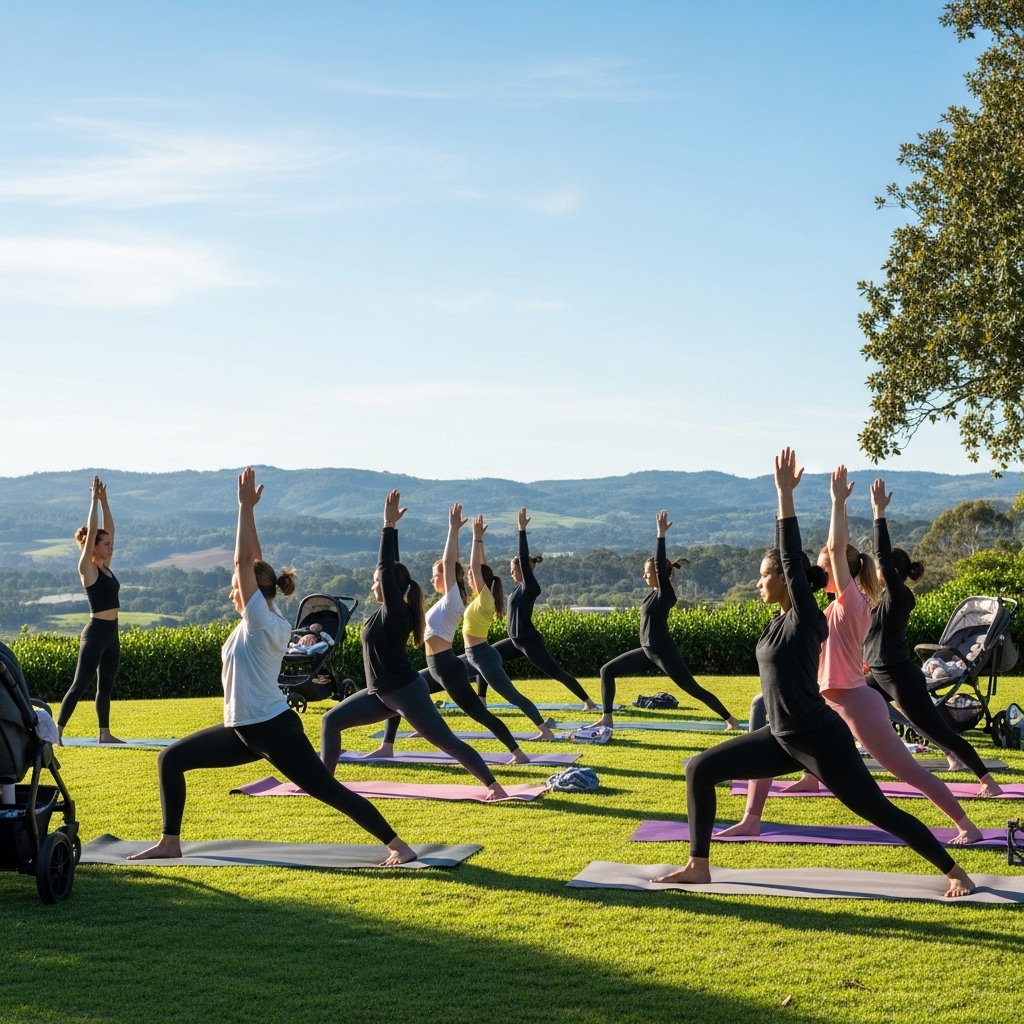
A sustainable exercise routine includes a balance of strength training, cardio, flexibility, and rest. By rotating different activities, you’ll keep your workout routine exciting and engaging. Incorporating variety, such as adding yoga sessions, keeps things interesting and helps maintain long-term motivation. Yoga is also excellent for improving flexibility, reducing stress, and providing active recovery, making it a valuable addition to a balanced fitness regimen. This variety also helps prevent overuse injuries and ensures that all aspects of your physical fitness are addressed.
Consistency is still the most important factor in a sustainable fitness plan. Set a realistic schedule for yourself, whether that’s three or five workouts a week. To remove barriers to consistent exercise, keep a water bottle and a spare pair of running shoes in your car, office, or gym locker so you’re always prepared. Allow yourself to adjust as needed, but always stay focused on your long-term fitness goals. Your routine should evolve with your progress, but it should always feel enjoyable and achievable.
For added sustainability, consider choosing outdoor activities or using eco-friendly gear to support environmental responsibility in your fitness journey.
READ ALSO: Snacks for Low Carb Diet That Satisfy Without Stress
Building a Support System

No fitness journey is meant to be traveled alone. Building a strong support system can make all the difference in staying motivated and consistent with your fitness goals. Whether you join group fitness classes, find a workout buddy, or connect with a personal trainer, having others to share your journey with provides encouragement, accountability, and a sense of community.
Sharing your fitness goals with friends or family can help keep you on track, while joining a fitness community—either in person or online—offers valuable advice and positive reinforcement. Group fitness classes, in particular, can boost motivation and make workouts more enjoyable. Remember, a supportive network is a powerful tool for overcoming challenges and achieving your long-term fitness goals, helping you stay focused and inspired every step of the way.
Tailoring Your Workouts
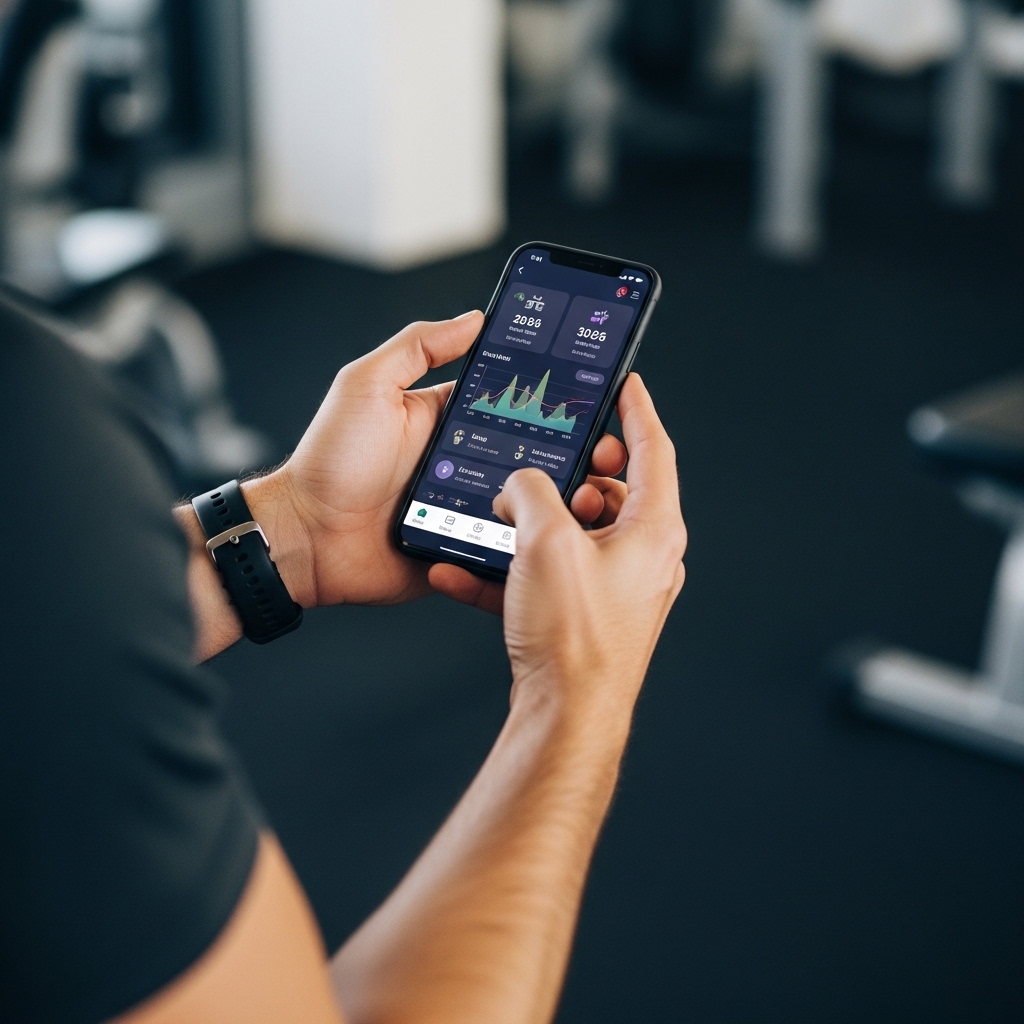
Creating a sustainable fitness routine means designing workouts that fit your unique needs, preferences, and lifestyle. Start by assessing your current abilities and choosing exercises that you genuinely enjoy—this makes it much easier to stay consistent over the long term. Mix up your fitness routine with different workouts, such as strength training, cardio, flexibility, and stability exercises, to keep things fresh and engaging.
As you progress, gradually increase your workout intensity and duration to continue challenging your body and avoid plateaus. Don’t forget that rest days are an essential part of any fitness plan, giving your body the recovery time it needs to grow stronger and prevent burnout. By tailoring your workouts and listening to your body, you’ll create a sustainable fitness routine that supports your long-term success and keeps you motivated for the long haul.
The Role of Fitness Progress in Motivation

Tracking your fitness progress is a great way to stay motivated and see how far you’ve come. Keep a fitness journal, use a fitness app, or take progress photos to monitor your growth. When you notice the improvements—whether it's increased strength, better endurance, or enhanced flexibility—it will fuel your desire to keep going.
Focus on the positive changes, and don’t get discouraged by setbacks. Remember, fitness is not a race but a journey. Celebrate every milestone, no matter how small, and be proud of your achievements. Sustainable workouts aren’t about perfection; they’re about consistent progress.
READ ALSO: Five Languages of Love: Nurturing Connections Everyday
Overcoming Common Challenges

Even with the best intentions, sticking to a sustainable fitness routine can be challenging. Life gets busy, motivation can wane, and setbacks like injury or fatigue may arise. The key is to focus on steady progress rather than perfection. Celebrate small wins along your fitness journey, and remember that every bit of progress counts.
If you hit a plateau or feel your motivation slipping, try seeking advice from a fitness professional or mixing up your workouts to reignite your enthusiasm. Don’t be afraid to adjust your routine to fit your current life circumstances—flexibility is essential for long-term success. Most importantly, be patient with yourself and stay consistent. Sustainable fitness is about making gradual, positive changes that add up over time, leading to lasting improvements in your health and well-being.
Staying Consistent: Your Path to Long-Term Fitness

Staying consistent with your fitness routine requires patience and dedication, but the rewards are worth it. By making small, sustainable changes to your workout plan, you’ll gradually build healthy exercise habits that will last for years. Remember, fitness is about progress, not perfection.
Whether you’re focusing on building strength, improving cardiovascular health, or simply staying active, consistency is the key to long-term success. Keep your fitness goals in sight, listen to your body, and don’t forget to enjoy the process. With a steady, consistent routine, you’ll not only achieve your fitness goals but also develop a healthier lifestyle that lasts.
Key Takeaways:
- Sustainable workouts are key to long-term fitness success.
- Consistency in your exercise routine helps build lasting fitness habits.
- Strength training and cardiovascular health are crucial for a balanced routine.
- Prioritize rest and recovery for overall well-being and performance.
- Track your fitness progress to stay motivated and see growth.
With patience, dedication, and the right mindset, you can build a sustainable fitness plan that supports your long-term health and well-being.
Conclusion
Building a sustainable fitness routine is a journey that unfolds over time, requiring patience, consistency, and a positive mindset. By understanding your motivations, starting small, making exercise enjoyable, planning flexibly, removing barriers, building a support system, tailoring your workouts, and overcoming common challenges, you set yourself up for long-term success. Remember, fitness is not a destination but a lifelong journey—every step forward, no matter how small, brings you closer to your goals. With the right approach, your sustainable fitness routine will enhance your overall well-being, improve your quality of life, and become a rewarding, essential part of your daily routine.