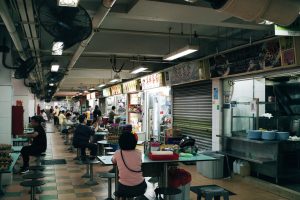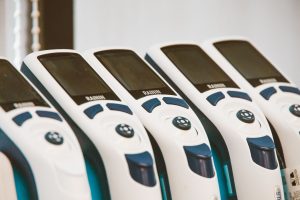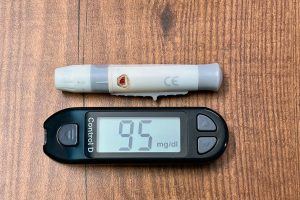
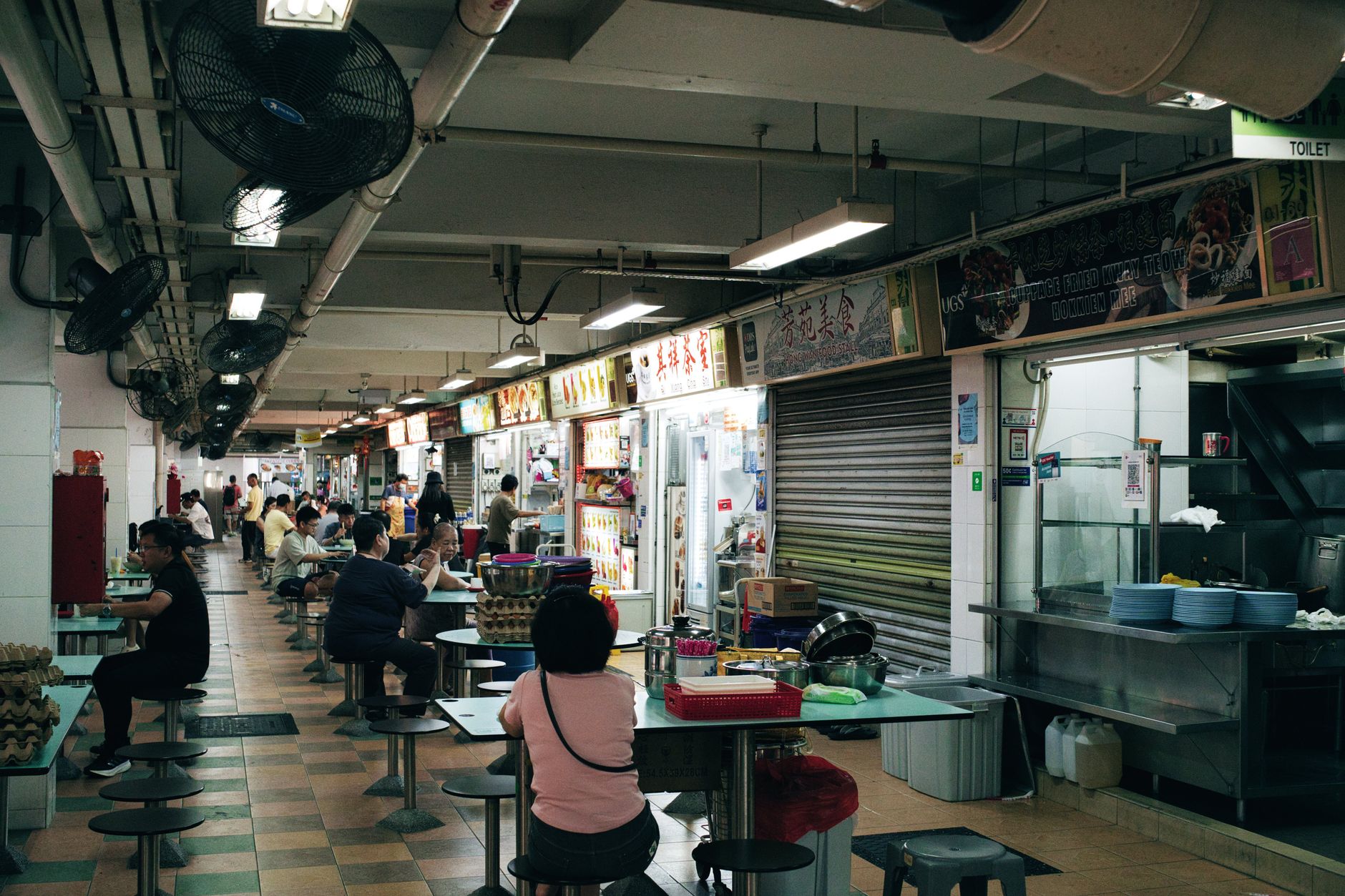
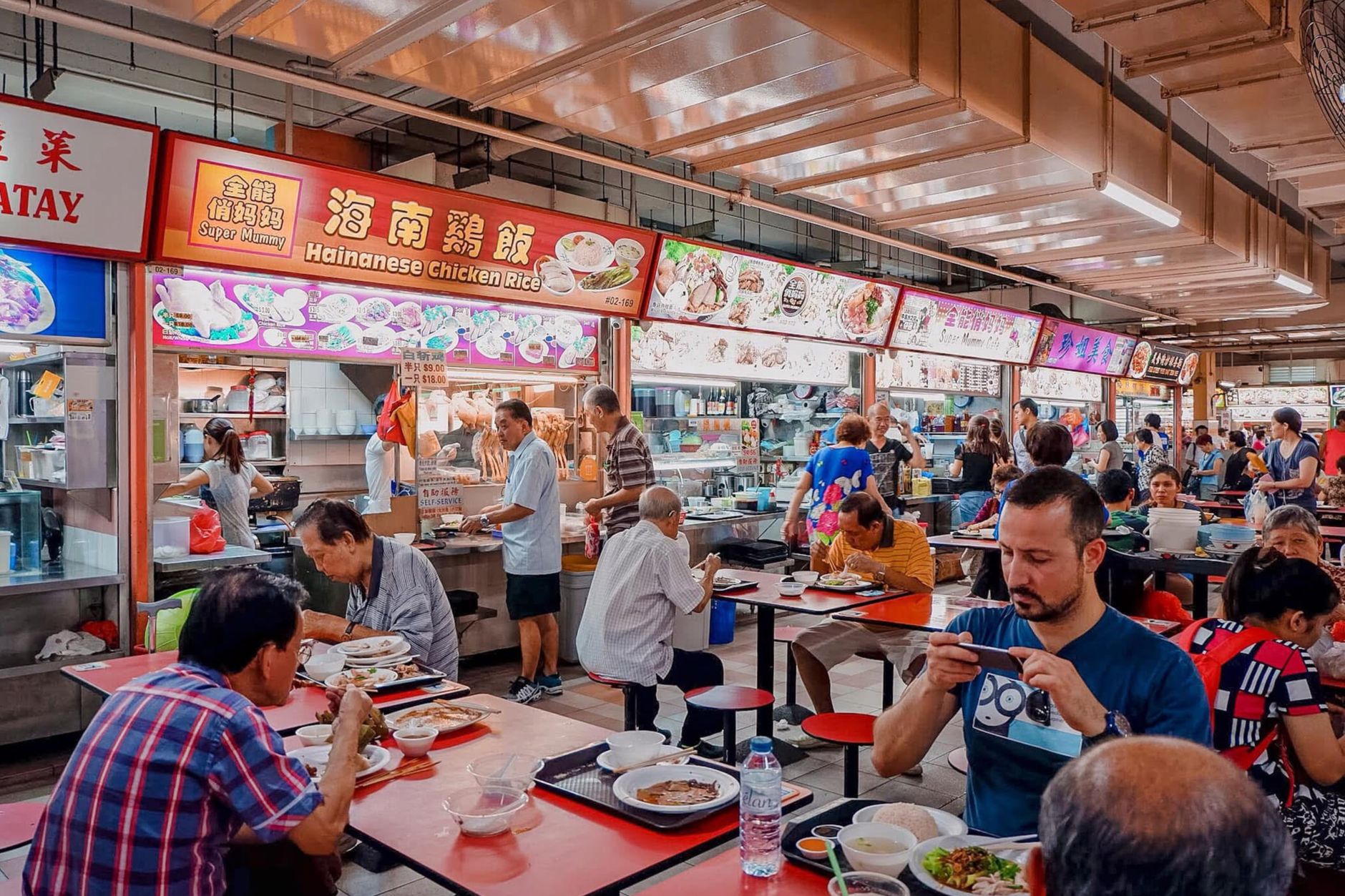
Three meals a day at the hawker centre is not a dietary exception for most Singaporeans — it is the dietary baseline. The Ministry of Health (MOH) estimates that Singaporeans eat out or buy takeaway food for more than half of all meals. What you order at the yong tau foo stall or the economy rice counter shapes your postprandial glucose response, your daily protein synthesis load, and — compounded across years — your trajectory on the metabolic biomarkers most closely linked to longevity.
The Health Promotion Board (HPB) — Singapore's national body for population nutrition — has measured the nutritional composition of hundreds of hawker dishes through its Healthier Dining Programme. That data, combined with published research on glycaemic index and dietary protein, provides enough signal to rank the most common dishes against two criteria with the strongest evidence base: glycaemic stability and protein density.
Why Your Hawker Choice Shapes Your Longevity Biomarkers

Postprandial glucose — the rise in blood glucose in the one to two hours after a meal — is a dynamic signal, not a static reading. The research confirms that habitual large postprandial glucose excursions are independently associated with increased cardiovascular risk and accelerated glycation of structural proteins, even in individuals whose fasting glucose sits within the clinical normal range. Prospective data published in the Journal of the American College of Cardiology (JACC) documents that glycaemic variability predicts major adverse cardiovascular events separately from fasting glucose levels.
Protein density matters for a distinct but equally well-supported reason. The research confirms that adequate dietary protein — approximately 1.6–2.2 g per kilogram of body weight daily — is the primary nutritional driver of muscle protein synthesis, the key modifiable factor in preserving lean mass across the life course. Longitudinal cohort data from the Harvard T.H. Chan School of Public Health associates higher midlife protein intake with better physical function and lower all-cause mortality at long-term follow-up.
The clinical standard and the longevity-optimised target are not the same number:
| Biomarker | Standard Clinical Range (MOH / WHO) | Longevity-Optimised Range | The Gap |
|---|---|---|---|
| Fasting glucose | 4.0–6.0 mmol/L | 4.4–5.5 mmol/L | The upper 0.5 mmol/L of “normal” carries measurably elevated glycation burden |
| HbA1c (glycated haemoglobin — the three-month average glucose marker) | Below 5.7% (non-diabetic) | 4.8–5.4% | Values at 5.4–5.7% are clinically normal but sit in an elevated cardiovascular risk zone; a landmark study by Selvin et al. published in the New England Journal of Medicine (2010) found a graded relationship between HbA1c and cardiovascular risk beginning well below the diabetes threshold |
Three hawker meals per day, across 250 working days per year, accumulates into a substantial dose. The gap between these ranges is where daily food choices operate.
How to Rank Hawker Meals: The Three Criteria
Each dish is assessed on three criteria in combination:
- Glycaemic index (GI): how rapidly the carbohydrates raise blood glucose on a 0–100 scale. Below 55 is low; 56–69 medium; 70 and above, high. Values are drawn from the University of Sydney's Glycaemic Index Research Service, the international reference database.
- Glycaemic load (GL): GI adjusted for actual serving size. GL below 10 is low; 11–19 medium; 20 and above, high. A dish can have a moderate GI but a high GL when the portion is large.
- Protein density: grams of protein per 100 kcal, using HPB's published nutritional data as baseline. Above 5 g per 100 kcal is the target for a longevity-aligned meal.
READ ALSO: Placeholder — reviewer to replace with a published same-pillar article
The Ranked Dishes
1. Yong Tau Foo — Soup Base, Tang Hoon or No Noodles
Yong tau foo in clear soup, without noodles or with a small portion of tang hoon (mung bean glass noodles), is the most consistently longevity-aligned meal available across Singapore hawker centres. A bowl of eight to ten items — tofu, fish cake, fish balls, fu pei — delivers approximately 20–28 g of protein at a very low overall GI. Tang hoon has a measured GI of approximately 45, well below white rice (GI 72–83) as documented in the University of Sydney database. The clear broth base adds volume with negligible glycaemic impact.
Order instruction: choose tang hoon over mee or bee hoon; select at least four tofu-based or fish paste items to anchor protein density.
2. Fish Soup — Clear Broth, Light on Noodles
Sliced fish in clear soup — typically batang (Spanish mackerel), red snapper, or grouper — delivers approximately 25–32 g of protein per serving from a low-GI base. The broth itself contributes negligible glycaemic load; the noodle choice is the decisive variable. Bee hoon (rice vermicelli) carries a GI of approximately 58–65. Substituting tang hoon reduces the glycaemic load of the noodle component by roughly 30%. The research confirms that regular fish consumption is associated with reduced cardiovascular mortality; the American Heart Association recommends fish at least twice weekly, citing consistent prospective cohort data linking habitual fish intake with lower rates of fatal cardiac events.
Order instruction: request tang hoon or no noodles; ask for extra fish slices if the stall charges per piece.
3. Bak Kut Teh — Without Rice, Teochew Variant
Teochew-style bak kut teh — pork ribs in clear, peppery herbal broth — provides approximately 28–35 g of protein per serving from ribs, tofu puffs, and mushrooms. Ordered without rice and with a side of stir-fried kailan or chye sim, it is one of the highest-protein, lowest-GI hawker meals available for under $8 SGD (2026). The caveat: sodium content in bak kut teh broth typically reaches 900–1,200 mg per bowl based on HPB's meal analyses. If you are managing blood pressure, limit the broth volume. The ribs, not the broth, are the protein vehicle.
Order instruction: skip the rice; add a side of stir-fried Chinese greens to increase fibre and further moderate the GL from the tofu puffs.
READ ALSO: Placeholder — reviewer to replace with a published same-pillar article
4. Economy Rice / Cai Fan — Strategic Selection
Economy rice is Singapore's most variable meal. The same counter can produce a longevity-aligned plate or a high-glycaemic one depending entirely on what you choose. A standard plate with one full cup of cooked white rice (~200 g) carries a GL of approximately 22 — solidly in the high range. Halving the rice and substituting an extra vegetable dish brings GL to approximately 11. The research confirms that dietary fibre consistently attenuates postprandial glucose; a Cochrane systematic review of fibre interventions found reduced postprandial glucose responses across diverse study populations. Steamed egg, braised tofu, and poached or steamed fish are the highest protein-density choices at most cai fan counters.
Order instruction: request “shao fan” (less rice), double vegetables, and one steamed, braised, or poached protein item rather than fried.
5. Chicken Rice — Modified Portion
Hainanese chicken rice provides approximately 30–38 g of protein per serving — one of the highest absolute protein contents of any common hawker meal. The constraint is the seasoned white rice, which has a GI of approximately 80 and delivers a high GL at a full portion. Halving the rice while keeping the same chicken quantity shifts the protein-to-carbohydrate ratio substantially. The HPB's Healthier Dining Programme has certified reduced-rice options at selected stalls, identifiable by the Healthier Choice Symbol; at uncertified stalls, requesting a smaller scoop is standard practice. The chilli and ginger sauces carry negligible glycaemic load at typical volumes.
Order instruction: request half rice, extra chicken, and a side of clear soup or cucumber.
Three Modifications That Apply Across All Dishes

Beyond dish selection, three cross-cutting modifications consistently improve both glycaemic stability and protein density without requiring a different stall or a higher bill:
- Eat vegetables first. The research confirms that eating vegetables before the carbohydrate component of a meal reduces postprandial glucose by slowing carbohydrate absorption through viscosity effects in the small intestine. A 2015 study by Shukla et al. published in Diabetes Care demonstrated a 29% reduction in postprandial glucose when vegetables were consumed before rice rather than after — a measurable effect with no change in total food intake.
- Reduce the rice or noodle portion by half. This single change reduces the glycaemic load of most hawker meals by 35–50%. At most stalls, a smaller portion is available on request at no additional charge.
- Add one protein item. A braised egg, a side of tofu, or extra steamed fish adds 8–15 g of protein. Protein co-ingestion with carbohydrates slows gastric emptying and attenuates the postprandial glucose curve — a mechanism well-documented in controlled meal trials and summarised in dietary guidance from the Mayo Clinic.
READ ALSO: Placeholder — reviewer to replace with a published same-pillar article
FAQ: Hawker Meals and Longevity
What should I drink alongside a hawker meal?
Kopi-O kosong (black coffee, no sugar) and plain Chinese tea are the lowest-glycaemic options. Teh tarik and kopi with condensed milk add approximately 30–40 g of sugar per cup — equivalent in glycaemic load to a second portion of rice. Barley water and chrysanthemum tea at most stalls are pre-sweetened; request “kosong” (no sugar) or confirm the formulation before ordering.
Is it realistic to hit daily protein targets from hawker meals alone?
Yes. A strategic hawker order — fish soup with extra fish slices plus a braised egg, or yong tau foo with ten items — delivers 35–42 g of protein per meal. Across three meals that is 105–126 g daily, sufficient for a 70 kg individual at the longevity-aligned 1.6 g/kg target. The constraint is carbohydrate discipline, not protein availability; hawker centres are protein-rich environments if you order deliberately.
Does the Healthier Choice Symbol reliably indicate a low-GI option?
Partly. The Healthier Choice Symbol (HCS) certifies reduced fat, sodium, or calorie content relative to a category baseline — it does not specifically measure glycaemic index or glycaemic load. A HCS-certified dish may still carry a high GL if white rice or refined noodles are the primary carbohydrate source. Use HCS as a useful signal for overall nutritional quality, not as a complete glycaemic screen.
Can I include nasi lemak in a longevity protocol?
The research suggests the issue is primarily total glycaemic load rather than the dish itself. The fat content of coconut rice moderates its GI modestly compared with plain white rice; the ikan bilis and egg contribute approximately 15–18 g of protein. Ordered with a half-portion of rice and a second egg, the protein-to-carbohydrate ratio improves substantially. As a daily breakfast, cumulative glycaemic load warrants monitoring. A continuous glucose monitor (CGM) can quantify your individual postprandial response to a specific dish — consult your clinician before interpreting CGM data diagnostically.
READ ALSO: Placeholder — reviewer to replace with a published same-pillar article
Integrate Hawker Meals into Your 30-Day Protocol
This list comes from Week 2 of the guide. Download the full 30-day plan to see how it all fits together.
Get the 30-Day Biohacking Starter Guide — built for Singapore conditions, hawker food included.