


Repeated glucose spikes — the predictable result of reflexive sugar consumption under cognitive load — do more than disrupt energy levels. They drive postprandial insulin surges that, over time, degrade insulin sensitivity, elevate triglycerides, and accelerate glycation of proteins and tissues. Glycation directly ages cells. It stiffens arterial walls, impairs mitochondrial function, and correlates with measurable increases in biological age. For professionals managing sustained mental output, the neurological consequences are equally direct: glucose volatility disrupts prefrontal function, shortens attention span, and reduces working memory capacity. Choosing nutrient-dense alternatives to refined sugar is not dietary restraint — it is metabolic management with documented performance consequences.
Why Sweet Cravings Are a Metabolic Signal, Not a Character Flaw
Sweet cravings in high-performing professionals are rarely random. They cluster around predictable biological events. Cortisol peaks in the mid-afternoon. Dopamine depletes after sustained cognitive effort. Blood glucose drops following poorly timed meals.
The brain runs on glucose. When levels fall, the hypothalamus generates a craving signal that pushes toward fast-absorbing carbohydrates. This is a survival mechanism. The problem is not the craving — it is the food environment that responds to it.
Refined sugar delivers a glucose spike, then an insulin surge, then a trough that deepens the original deficit. Healthy sweet snacks that are nutrient-dense interrupt this cycle at the source.
The Glycemic Index Is Necessary But Not Sufficient
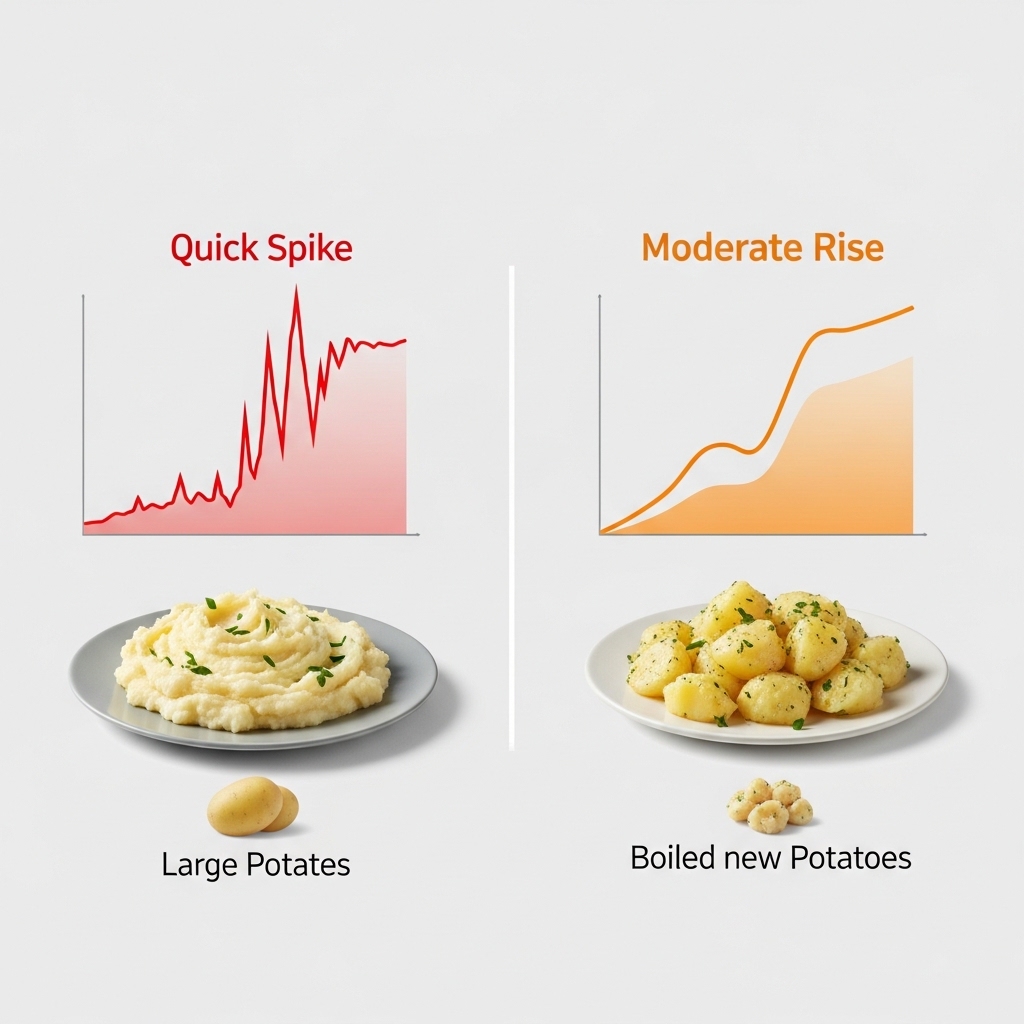
Glycemic index (GI) measures how quickly a food raises blood glucose. It is a useful clinical proxy, but it does not capture the full metabolic picture. Glycemic load accounts for both GI and the quantity of carbohydrate consumed.
It offers a more accurate measure of a food's glucose impact in real eating conditions. Research from the Harvard T.H. Chan School of Public Health links high glycemic load diets to elevated systemic inflammation, impaired insulin sensitivity, and increased cardiovascular risk over time.
For professionals selecting healthy sweet snacks, glycemic load is the more useful variable. A food can carry moderate GI but high glycemic load at typical serving sizes. That distinction compounds across a full day of eating.
Fructose Metabolism and the Liver's Role in Metabolic Health
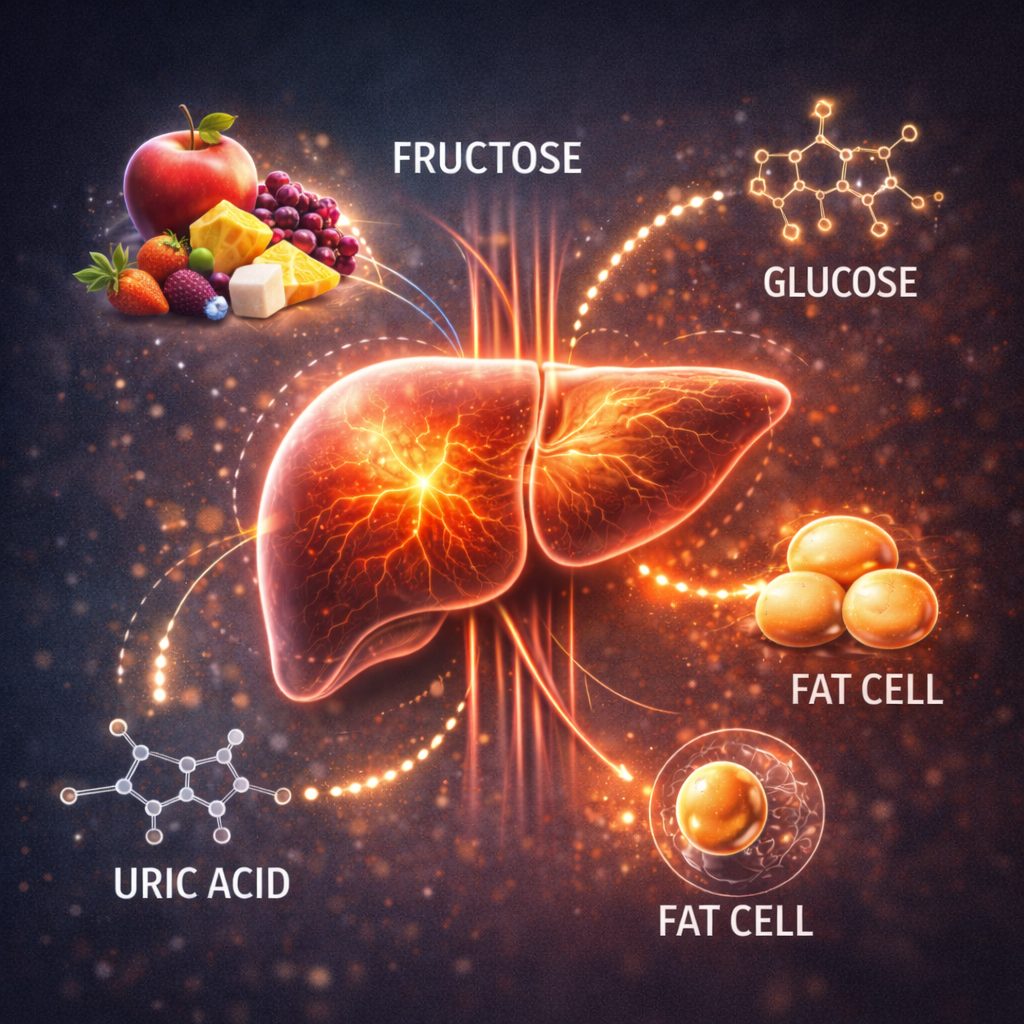
Not all sugars behave the same way at the cellular level. Fructose — the primary sugar in fruit and a component of sucrose — follows a distinct metabolic path. Unlike glucose, it bypasses a key regulatory enzyme and enters liver metabolism directly.
At high intake levels, particularly from processed sources, this drives the liver to convert excess fructose into triglycerides. Research published in the Journal of Hepatology links high fructose consumption from processed foods to fatty liver disease, elevated LDL particle count, and insulin resistance.
Whole fruit behaves differently. It delivers fructose within a matrix of fiber, water, and plant compounds that blunts the liver's response. The source of fructose matters as much as the amount.
Dark Chocolate as a Functional Healthy Sweet Snack
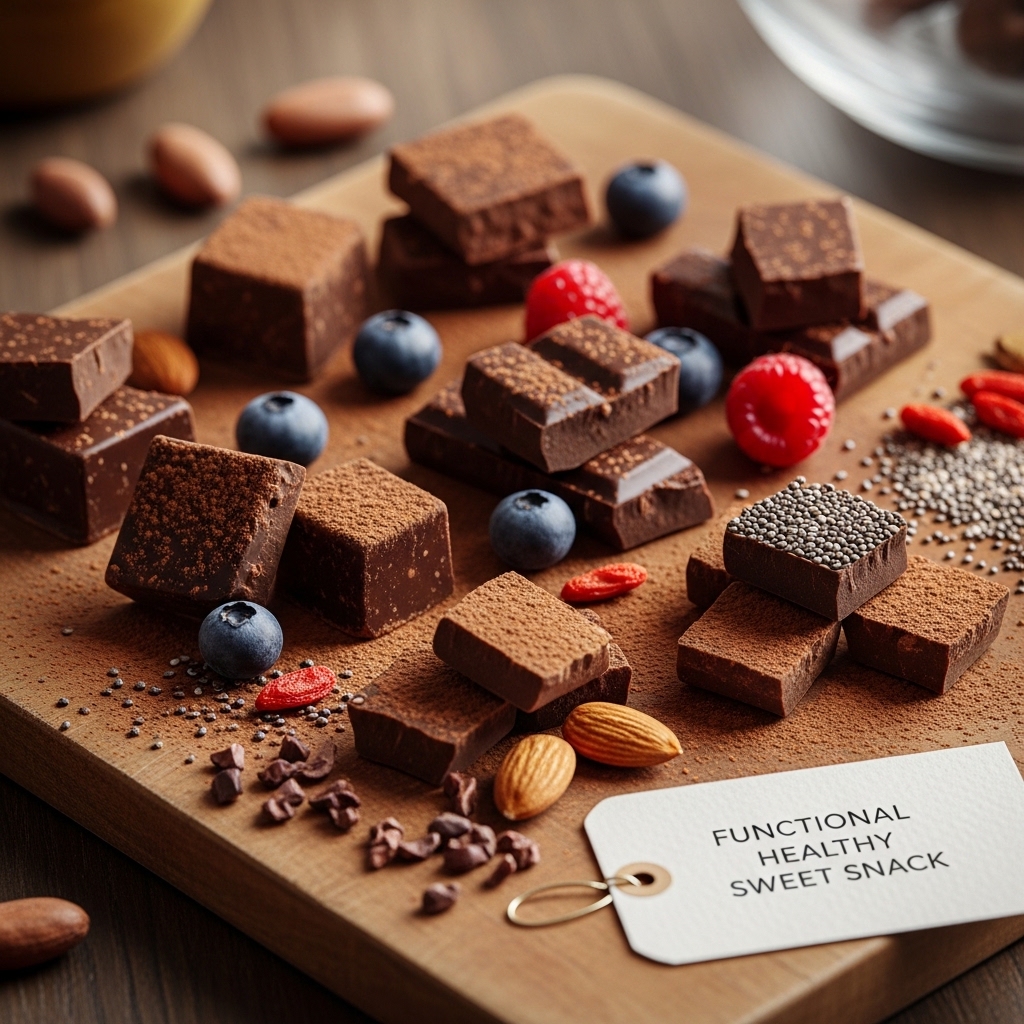
Dark chocolate — specifically varieties above 70% cocoa — holds a well-researched position among healthy sweet snacks with real metabolic value.
Cocoa flavanols improve vascular function and reduce arterial stiffness. Research published in the Journal of the American College of Cardiology links regular high-cocoa dark chocolate consumption to lower blood pressure, reduced LDL oxidation, and improved insulin sensitivity.
The sugar content is substantially lower than in milk or white chocolate. The fat profile — mostly stearic and oleic acids — does not raise LDL cholesterol. For professionals seeking healthy sweet snacks with cardiovascular benefit, high-cocoa dark chocolate is among the most evidence-supported options available.
READ ALSO: Dark Chocolate Truffles | Whole Living
Berries, Polyphenols, and Inflammation Reduction
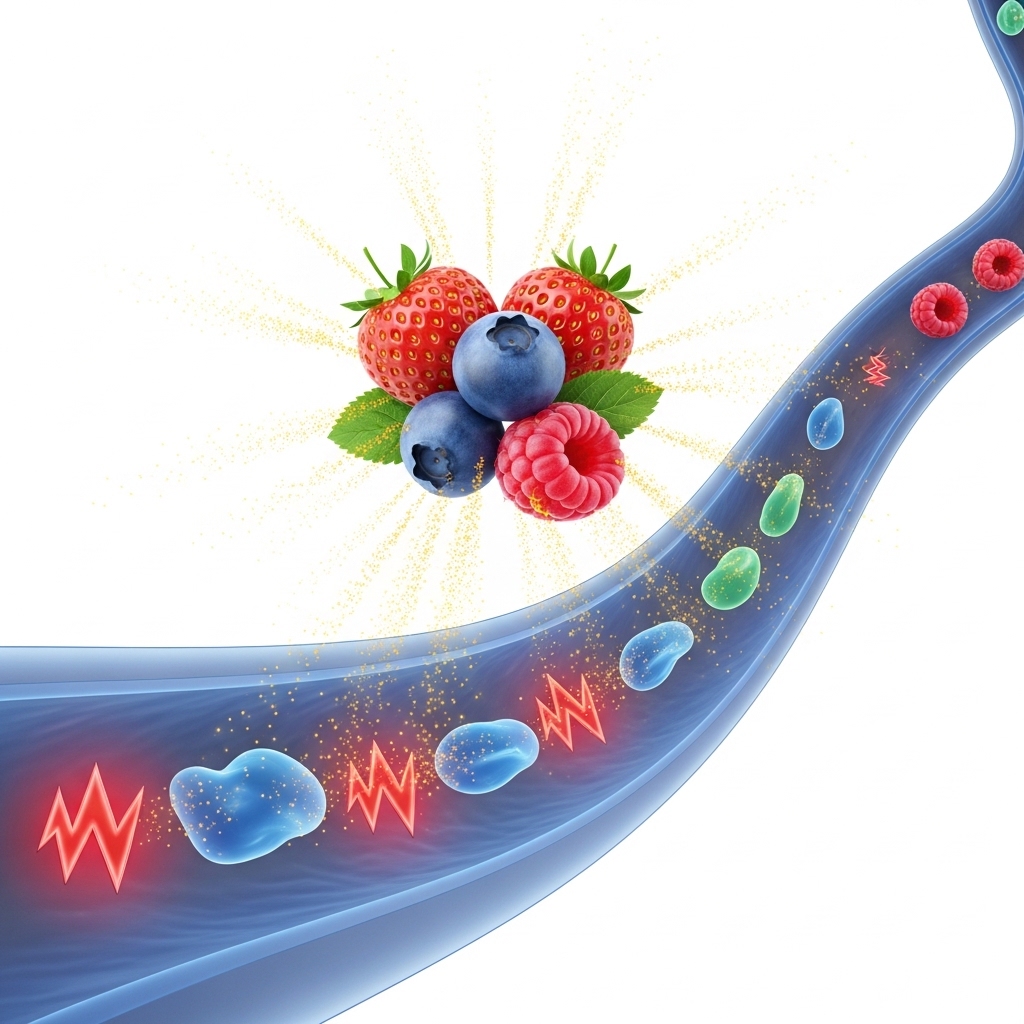
Berries deliver sweetness alongside one of the highest plant compound densities of any common food. Blueberries, blackberries, raspberries, and strawberries each contain anthocyanins.
These compounds reduce circulating inflammatory markers including C-reactive protein and interleukin-6. Research from the Harvard T.H. Chan School of Public Health, drawing on data from the Nurses' Health Study, links regular berry consumption to slower cognitive decline and reduced cardiovascular risk.
The fiber in whole berries also slows digestion and reduces the glucose spike after eating. As healthy sweet snacks, berries satisfy the craving signal while delivering anti-inflammatory and brain-protective compounds at the same time.
READ ALSO: Stewed Rhubarb and Raspberries with a Meringue Lattice Crust | Whole Living
Dates, Fiber Density, and Sustained Energy
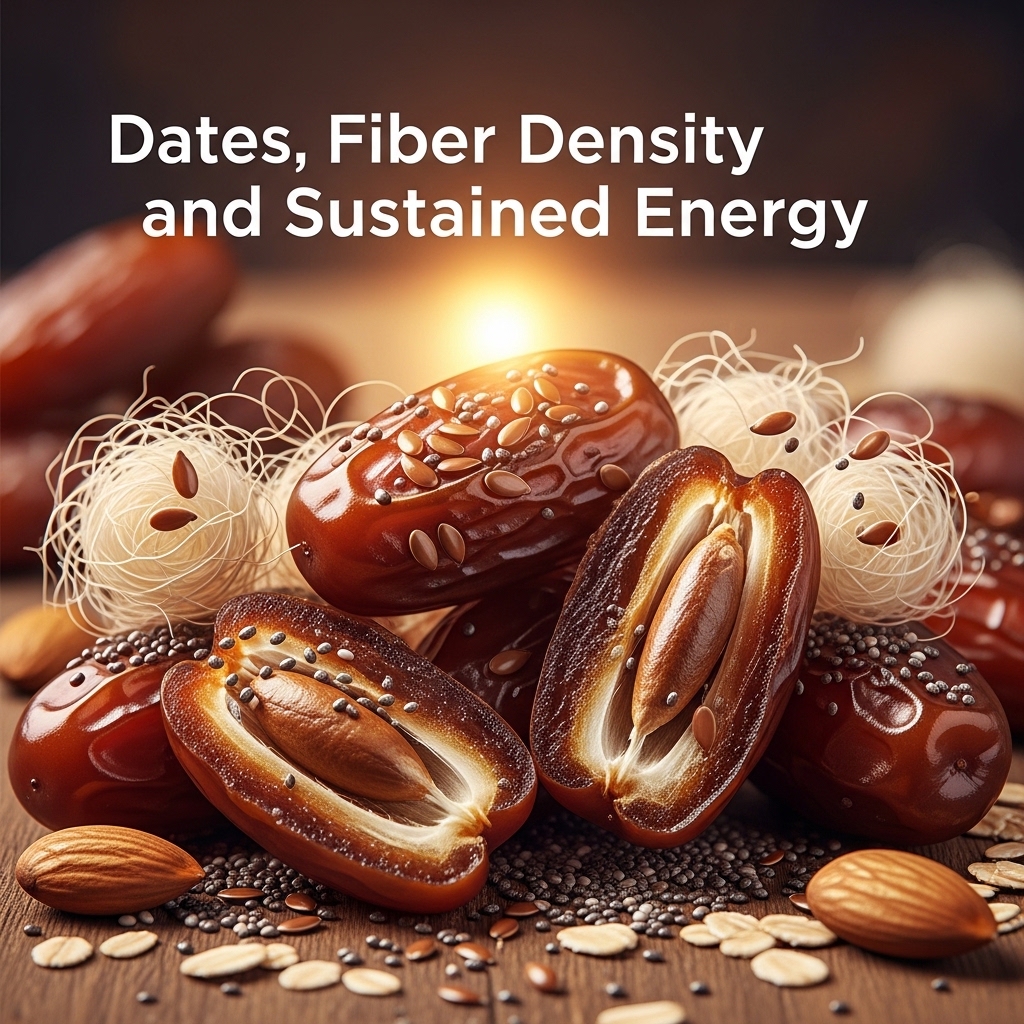
Dates carry a reputation as high-sugar foods to avoid. The clinical picture is more nuanced. Whole dates contain significant soluble fiber. This moderates their glucose impact substantially.
Research published in Nutrition Journal examined the glucose response to five date varieties in healthy subjects. Despite their high natural sugar content, dates produced a low to moderate glucose response.
Their fiber matrix and plant compounds explain this effect. Dates also deliver potassium, magnesium, and B vitamins relevant to energy and heart health. Used in controlled quantities as healthy sweet snacks — rather than as a bulk carbohydrate source — whole dates offer natural sweetness with genuine nutritional value.
Nuts Combined With Natural Sweetness: A Useful Pairing Strategy

Pairing sweet foods with protein and fat is one of the most effective ways to reduce glucose spikes. Fat slows digestion. Protein triggers GLP-1, a hormone that moderates insulin response and extends satiety.
Almond butter with apple slices, or walnuts with fresh fig, produces a different metabolic response than either food eaten alone. Research on mixed macronutrient snacks consistently shows that combining natural sweetness with fat and protein lowers peak glucose and reduces subsequent cravings.
For professionals building healthy sweet snacks around performance, this pairing approach is more relevant than calorie counting alone.
READ ALSO: Benefits of Eating Cashew Nuts for a Stronger Immune System
Greek Yogurt, Probiotics, and the Gut-Brain Connection
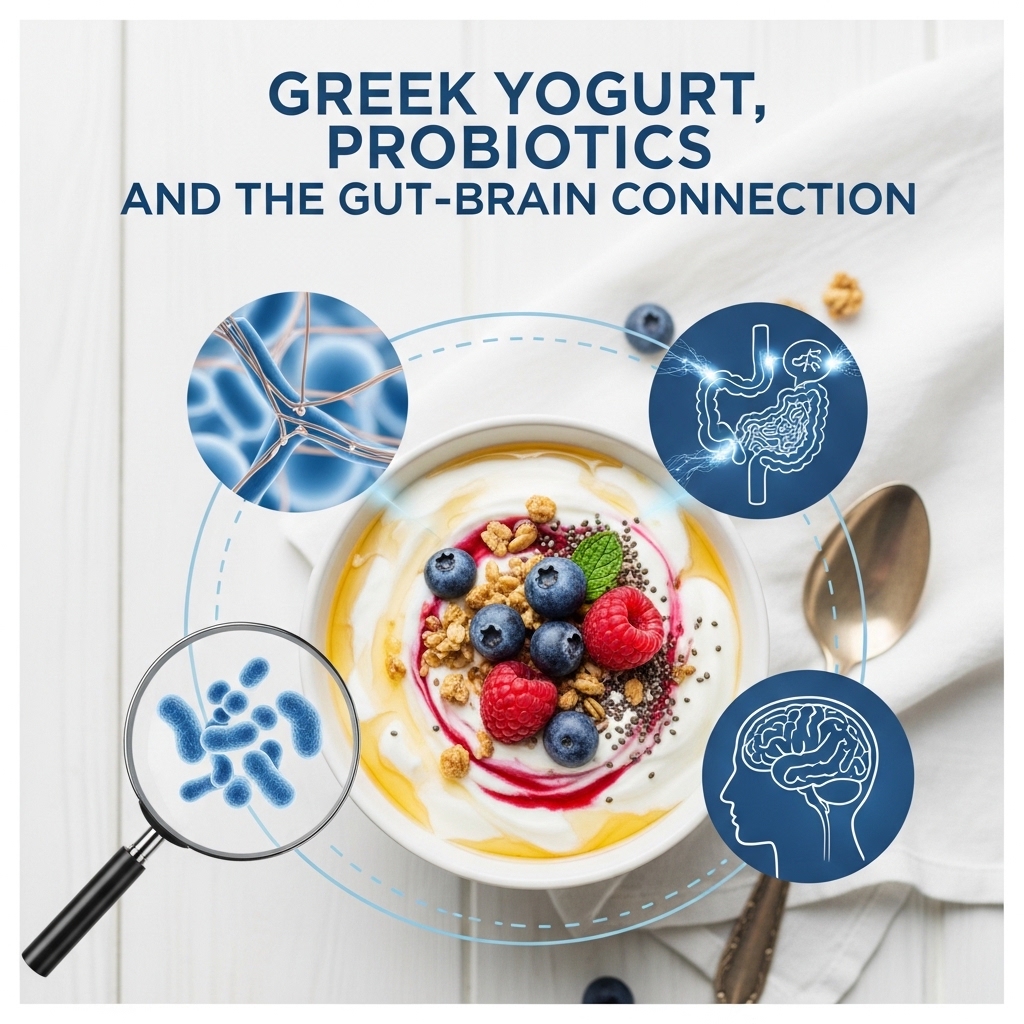
Full-fat Greek yogurt with fresh fruit sits within a category of healthy sweet snacks with both metabolic and brain-related value. Greek yogurt delivers strong protein content alongside live probiotic cultures that shape gut microbiome composition.
The National Institutes of Health has funded research into the relationship between gut microbiome diversity and cognitive function, mood, and stress resilience. Probiotic-rich foods appear to influence this connection through serotonin production and vagus nerve signaling.
Pairing Greek yogurt with berries or a small amount of raw honey adds anti-inflammatory plant compounds and controlled natural sweetness to the probiotic base.
Raw Honey: A Measured but Functional Sweetener

Raw honey differs from refined sugar in meaningful ways. It contains over 200 identified active compounds, including phenolic acids and flavonoids with anti-inflammatory properties.
Its glycemic index ranges from roughly 45 to 64 — lower than refined sucrose. Research published in the Journal of Medicinal Food documents modest improvements in lipid profiles and antioxidant markers when raw honey replaces refined sugar in equivalent doses.
Used in small amounts within healthy sweet snacks, raw honey provides functional compounds that refined sugar does not offer. Its benefits are dose-dependent. They do not extend to liberal use.
READ ALSO: Almond-Poppy Crackers with Cottage Cheese and Honey | Whole Living Eat Well
Cognitive Performance and the Afternoon Snack Window
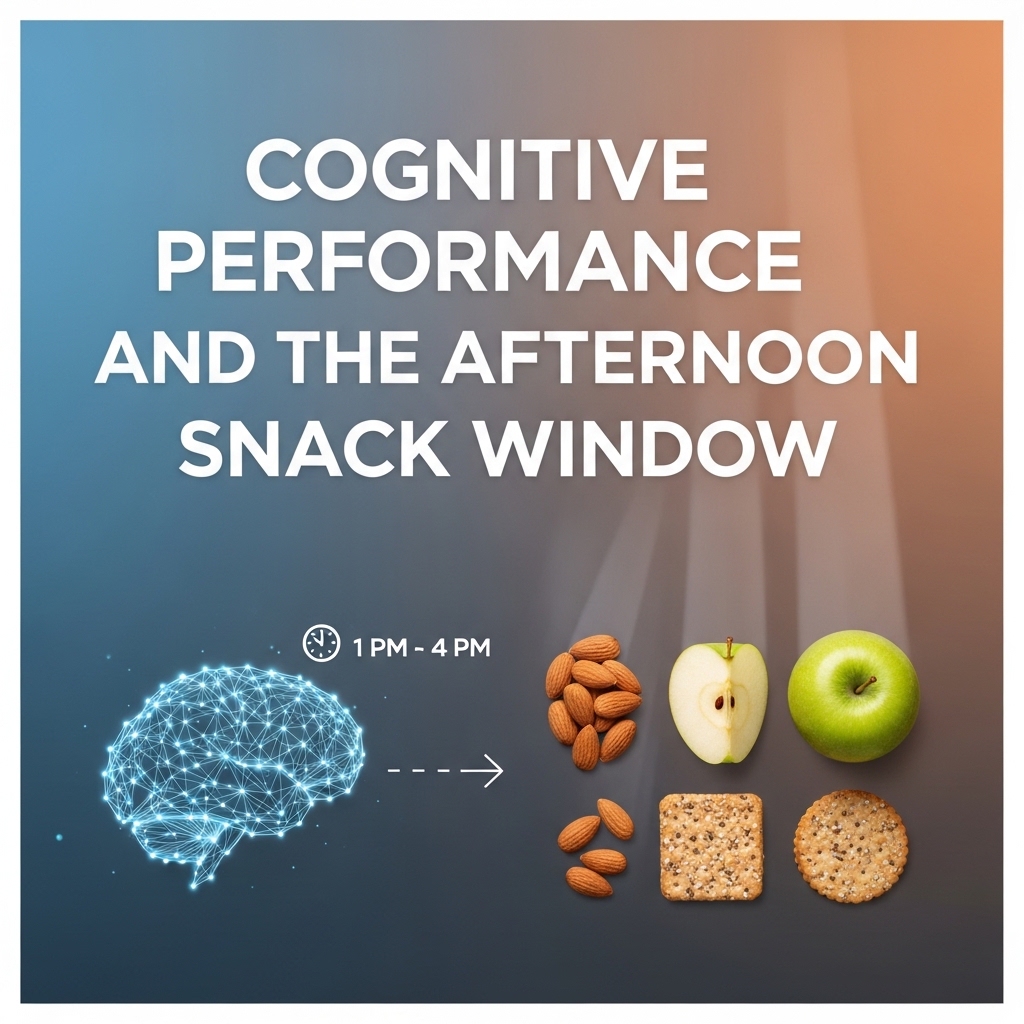
The mid-afternoon period — typically between 2:00 and 4:00 pm — marks a well-documented low point in daily alertness. Cortisol, which peaks in the morning, declines through the afternoon.
Blood glucose shifts during this window directly affect prefrontal function, working memory, and decision speed. The composition of an afternoon snack carries more cognitive consequence than most professionals recognize.
Refined sugar consumed here produces a brief glucose rise followed by a drop that deepens the alertness dip. Healthy sweet snacks built around fiber, fat, and protein stabilize blood glucose through this window. They support sustained prefrontal output through the late afternoon rather than undermining it.
UP NEXT: Healthy Thanksgiving Desserts – Whole Living Eat Well
Habitual consumption of refined sugar is one of the most direct dietary drivers of accelerated biological aging, with high glycemic load diets linked to increased glycation, telomere attrition, and inflammatory marker elevation — each of which contributes to a measurable gap between chronological and biological age. WholeLiving's Biological Age Estimation Model incorporates this factor directly — your assessment takes under five minutes.
Ready to understand how these factors are influencing your biological age right now? [Take the Biological Age Assessment →]