
Dietary pattern is one of the most modifiable determinants of cardiovascular risk in executives and founders operating under chronic cognitive and physiological load. Elevated LDL cholesterol, impaired insulin sensitivity, and systemic inflammation — the triad most predictive of early cardiovascular events in the 35 to 60 demographic — respond measurably to sustained changes in dietary fat quality, micronutrient density, and glycemic load. Nutrient-dense whole foods, including tree nuts such as cashews, provide a clinically relevant mechanism for shifting these biomarkers without pharmacological intervention, making dietary precision a performance variable, not a lifestyle preference.
The Lipid Profile Case for Tree Nuts
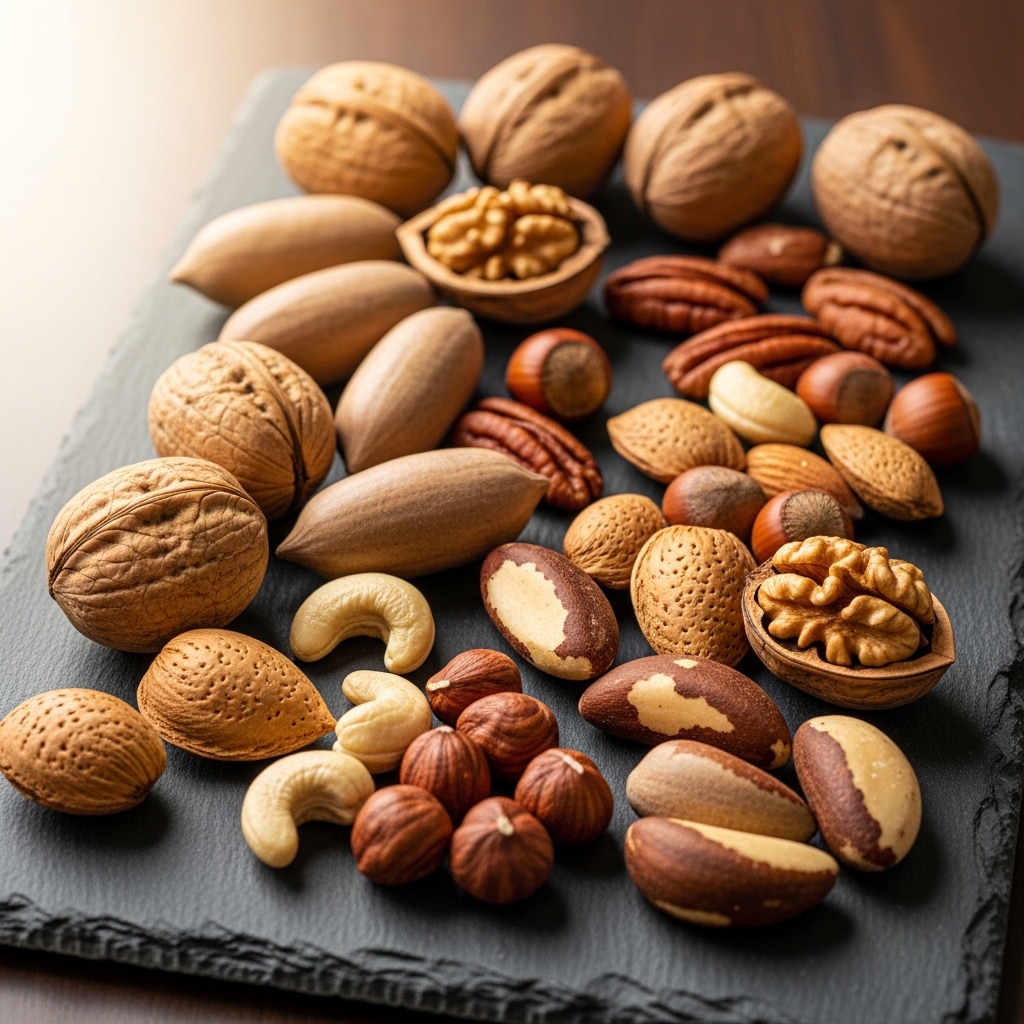
Tree nuts occupy a well-researched position in cardiovascular nutrition science. Their fat composition — predominantly monounsaturated and polyunsaturated fatty acids — directly influences LDL particle size and oxidative susceptibility. Research published in the American Journal of Clinical Nutrition has consistently linked regular tree nut consumption to reductions in total and LDL cholesterol, without corresponding reductions in HDL. For professionals managing elevated lipid panels under chronic stress load, this distinction carries practical clinical weight.
Cashews specifically deliver oleic acid, the same monounsaturated fatty acid found in olive oil, alongside linoleic acid from the polyunsaturated fraction. Both compounds modulate hepatic cholesterol synthesis and LDL receptor activity. The result is a measurable shift in the lipid profile that compounds over weeks of consistent intake. This is not a marginal effect — it operates through the same biological pathways targeted by first-line dietary interventions in cardiovascular risk management.
Beyond cholesterol metrics, the fatty acid profile of cashews also reduces the proportion of small, dense LDL particles — the subtype most associated with atherogenic risk. Large, buoyant LDL particles carry significantly lower cardiovascular risk than their smaller counterparts. Dietary fat quality influences this particle distribution in ways that total cholesterol figures alone do not capture. Executives relying on standard lipid panels for cardiovascular risk assessment may benefit from understanding this distinction.
Insulin Sensitivity and Glycemic Load Management

Insulin resistance is the metabolic lesion most directly associated with cardiovascular disease in high-performing adults who appear metabolically healthy on surface-level screening. It precedes type 2 diabetes by years and elevates cardiovascular risk independent of fasting glucose levels. Cashew nuts carry a low glycemic index and deliver a macronutrient combination — protein, fat, and fiber — that attenuates postprandial glucose response when consumed as part of a mixed meal.
Research from the Harvard T.H. Chan School of Public Health has examined nut consumption patterns in relation to insulin sensitivity across large prospective cohorts. The data indicate that regular nut consumers demonstrate lower fasting insulin levels and improved insulin sensitivity scores compared with non-consumers, independent of total caloric intake. The mechanism involves both the direct effects of unsaturated fats on membrane fluidity and insulin receptor function, and the indirect effects of displacing high-glycemic foods.
For professionals managing energy stability across long cognitive workdays, insulin sensitivity has direct performance implications. Impaired insulin signaling produces glucose variability — the underlying driver of the mid-afternoon cognitive dips, decision fatigue, and mood instability that high performers frequently normalize. Addressing insulin sensitivity through dietary fat quality represents a precision nutrition strategy with both metabolic and cognitive returns.
Magnesium, Blood Pressure, and Vascular Function
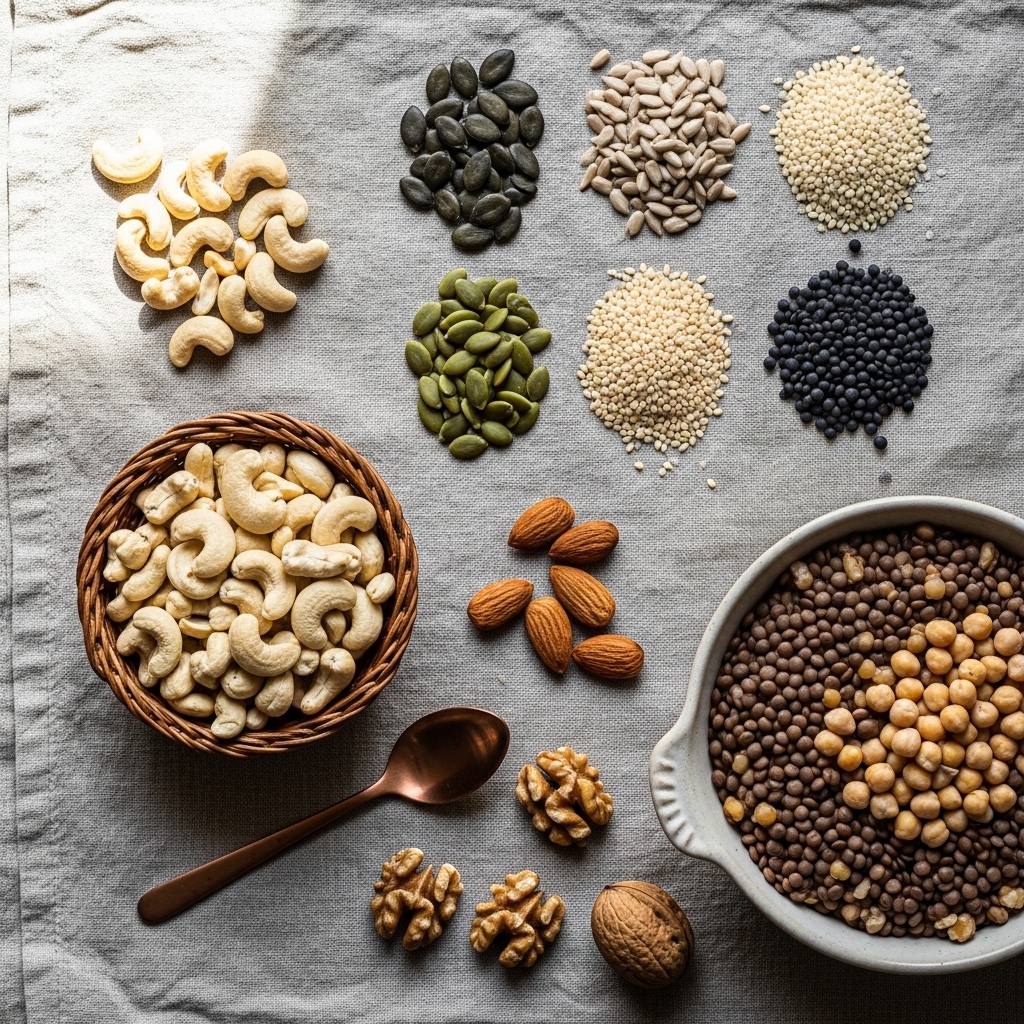
Magnesium deficiency affects an estimated 45 percent of the general adult population and is significantly more prevalent in individuals under chronic stress. This matters because magnesium functions as a physiological calcium channel antagonist. Cashew nuts deliver a meaningful quantity of magnesium per serving, positioning them as a dietary source that addresses a widespread but underdiagnosed deficiency.
The relationship between dietary magnesium and blood pressure has been examined in multiple meta-analyses. Research published in the European Journal of Clinical Nutrition has confirmed that magnesium supplementation and dietary magnesium intake both produce statistically significant reductions in systolic and diastolic blood pressure, particularly in populations with baseline hypertension or magnesium insufficiency. For executives whose cortisol-driven stress physiology chronically depletes intracellular magnesium, dietary replenishment carries particular relevance.
Magnesium also supports endothelial function by modulating nitric oxide production — the primary signaling molecule responsible for vascular dilation. Diminished nitric oxide availability is an early marker of endothelial dysfunction, which precedes clinically detectable cardiovascular disease by decades. Sustained dietary intake of magnesium-rich foods supports the endothelial environment in ways that pharmaceutical interventions address only late in the disease trajectory.
READ ALSO: Baked Eggs in Whole Roasted Tomatoes
Copper, Zinc, and Immune-Cardiovascular Crosstalk
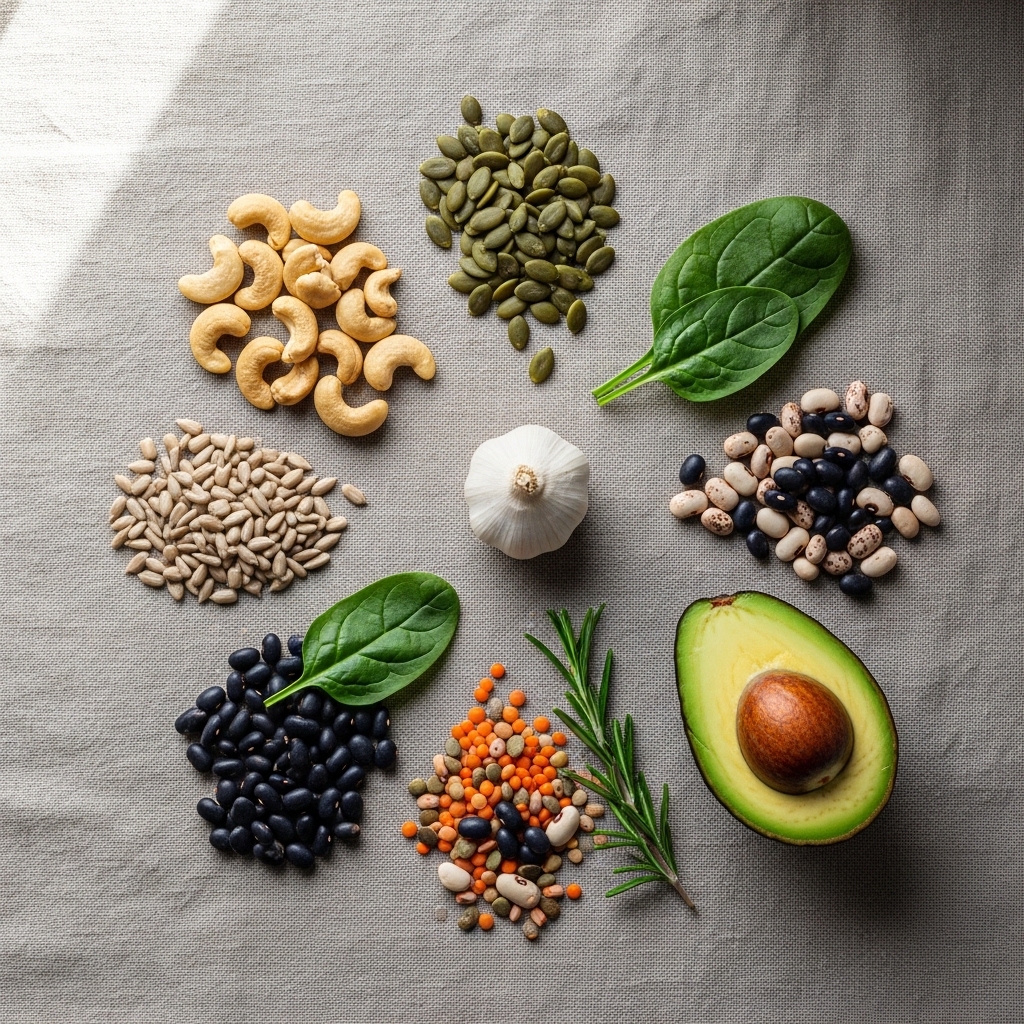
Cashews rank among the most concentrated dietary sources of copper available in whole food form. Copper receives less clinical attention than magnesium or zinc, but its role in cardiovascular health is well-established. It functions as a cofactor for superoxide dismutase — one of the body's primary antioxidant enzymes — and supports the structural integrity of collagen in arterial walls. Copper deficiency correlates with elevated cardiovascular risk through mechanisms involving oxidative stress and impaired connective tissue repair.
Zinc, also present in cashews at clinically relevant concentrations, modulates both immune function and inflammatory signaling. Chronic low-grade inflammation — measured through elevated C-reactive protein and interleukin-6 — is an independent predictor of cardiovascular events. Zinc supports anti-inflammatory signaling cascades and helps regulate the nuclear factor kappa B pathway, which governs the expression of pro-inflammatory cytokines. Adequate zinc intake reduces the sustained inflammatory burden that accelerates arterial stiffness and plaque development.
The interaction between copper and zinc also matters. Both minerals compete for intestinal absorption, and their ratio influences the activity of key antioxidant and inflammatory pathways. A diet that provides both — as cashews do — in roughly appropriate proportions supports this balance more effectively than isolated supplementation of either mineral alone. Whole food sources deliver this balance without the risk of inducing relative deficiencies through high-dose single-mineral supplementation.
Dietary Fiber and Cholesterol Excretion Mechanisms

Cashews provide modest but consistent dietary fiber, contributing to the overall fiber intake that cardiovascular nutrition research consistently identifies as protective. Soluble fiber specifically binds bile acids in the gastrointestinal tract, interrupting their enterohepatic recirculation. The liver compensates by upregulating cholesterol conversion to bile acids — a process that draws from circulating LDL cholesterol and reduces its systemic concentration. This mechanism operates independently of fat intake and adds to the lipid-lowering effect of the fatty acid profile.
The fiber contribution of cashews works most effectively when they replace ultra-processed snack foods that carry no fiber. The net dietary shift — from refined carbohydrate and processed fat to protein, fiber, and unsaturated fat — produces compound benefits across multiple cardiovascular risk markers simultaneously. This substitution effect explains why nut-inclusive dietary patterns outperform individual nutrient analyses in predicting cardiovascular outcomes.
For professionals whose high-demand schedules frequently default to convenience foods, the practical value of cashews lies partly in this substitution function. A portable, shelf-stable food that simultaneously delivers fiber, protein, and cardiovascular-protective fats occupies a rare position in the snack landscape. The clinical benefit derives not only from what cashews contain, but from what they replace in the overall dietary pattern.
READ ALSO: Sardine and Hard-Boiled Egg Sandwich
Antioxidant Capacity and Oxidative Stress Reduction
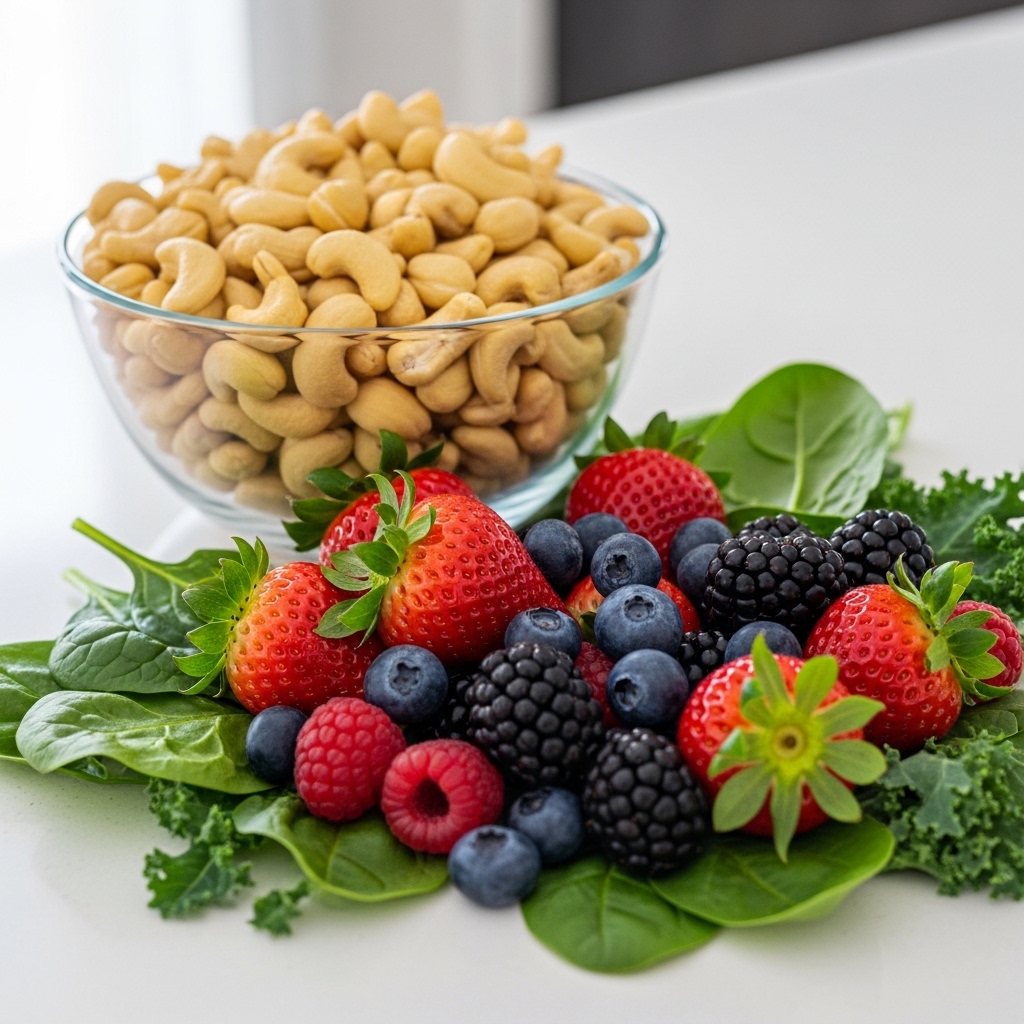
Oxidative stress accelerates biological aging by damaging lipid membranes, proteins, and DNA. It also directly contributes to LDL oxidation — a critical step in atherogenesis. Cashews contain tocopherols, phenolic compounds, and selenium, all of which contribute to antioxidant defense. These compounds work synergistically with the mineral cofactors discussed earlier to reduce the oxidative burden on vascular tissue.
The antioxidant capacity of whole foods integrates multiple compounds operating through different molecular mechanisms. This integration produces effects that isolated antioxidant supplements have repeatedly failed to replicate in clinical trials. The evidence from large trials examining antioxidant supplements has been consistently disappointing, while the evidence from whole-food dietary patterns — including those rich in nuts — has been consistently supportive of cardiovascular outcomes.
For high-performing professionals operating under sustained psychological stress — which independently elevates reactive oxygen species production — dietary antioxidant intake represents a modifiable countermeasure. The oxidative load generated by chronic stress physiology requires ongoing dietary support, not episodic supplementation. Regular consumption of antioxidant-dense foods positions the cardiovascular system against the cumulative molecular damage that stress accelerates.
Cashews Within the Mediterranean and PREDIMED Evidence Base

The most rigorous dietary evidence available comes from the PREDIMED trial — a large Spanish randomized controlled trial examining the effects of a Mediterranean diet supplemented with nuts on cardiovascular events. The trial demonstrated a significant reduction in major cardiovascular events, including myocardial infarction and stroke, in the nut-supplemented Mediterranean diet group compared with a low-fat control diet. Nuts were a defining component of the intervention, and the protective effects were attributed partly to the nut contribution.
The Mediterranean dietary pattern, which places nuts among its core components, has since been validated across multiple independent cohorts and meta-analyses as the most evidence-supported dietary approach for cardiovascular protection. Its mechanism is multifactorial — involving lipid modulation, anti-inflammatory effects, glycemic control, and endothelial support simultaneously. Cashews fit cleanly within this pattern due to their fatty acid profile, micronutrient content, and protein density.
For professionals who find comprehensive dietary overhauls impractical, the PREDIMED evidence base supports a targeted approach: strategic incorporation of nuts into an otherwise reasonable diet produces measurable cardiovascular benefit without requiring wholesale dietary restructuring. The evidence does not demand perfection — it supports consistent inclusion of specific high-value foods within an existing dietary pattern.
Metabolic Syndrome and the Composite Risk Profile

Metabolic syndrome — defined by the concurrent presence of abdominal adiposity, elevated triglycerides, reduced HDL, hypertension, and impaired fasting glucose — affects a significant proportion of professionals aged 35 to 60, many of whom remain undiagnosed. Each component independently elevates cardiovascular risk. Together, they produce a multiplicative risk effect that exceeds the sum of individual factors. Dietary interventions that address multiple components simultaneously carry disproportionate clinical value.
Cashew nut consumption addresses several metabolic syndrome components concurrently. The monounsaturated fat content supports HDL maintenance and triglyceride reduction. The magnesium and potassium content supports blood pressure regulation. The low glycemic load supports fasting glucose management. And the protein and fiber content support satiety, indirectly influencing abdominal adiposity through reduced caloric compensation from processed snacks.
The ability of a single whole food to influence multiple components of metabolic syndrome reflects the biological logic of nutrient density. Highly processed foods that dominate professional convenience eating deliver energy without the micronutrient signaling that metabolic health requires. Replacing them with nutrient-dense alternatives like cashews represents not a dietary upgrade but a metabolic recalibration.
READ ALSO: Sunny-Side-Up Egg and Baby-Spinach Flatbread
Cognitive Performance as a Downstream Variable

The connection between cardiovascular health and cognitive performance is well-established in the neuroscience literature. Arterial stiffness, endothelial dysfunction, and insulin resistance all impair cerebral blood flow and glucose delivery to neurons. The same dietary patterns that protect cardiovascular health also protect cognitive function — not incidentally, but through shared biological mechanisms.
Cashews contribute to this connection through multiple pathways. Magnesium supports synaptic plasticity and the regulation of NMDA receptor activity — a pathway relevant to memory consolidation and executive function. Copper supports dopamine synthesis and myelination of neural pathways. Zinc modulates neurotransmitter signaling and protects against neuroinflammation. These are not peripheral effects. They represent direct nutritional inputs into the cognitive infrastructure that executive performance depends on.
For high-performing professionals whose primary professional asset is cognitive output, the brain-cardiovascular-metabolic connection reframes dietary decisions as cognitive performance decisions. This integration removes the separation between cardiovascular health and cognitive optimization.
Portion Architecture and Practical Integration

Cashews are energy-dense. Their clinical benefit depends on strategic integration rather than unrestricted consumption. Research on nut consumption and body weight consistently demonstrates that regular nut consumers do not gain weight at rates predicted by caloric content alone — an effect attributed to the satiety signaling of protein and fat, as well as modest reductions in caloric absorption due to the food matrix. However, this protective effect has limits, and displacement of other caloric sources remains relevant.
The substitution principle dominates the evidence base. Replacing processed snack foods, refined carbohydrates, or high-sodium alternatives with a measured portion of cashews produces the compound benefit documented in prospective studies. The cardiovascular protection emerges from both what cashews provide and what they displace in the overall dietary pattern.
Evidence-Based Options for Dietary Integration
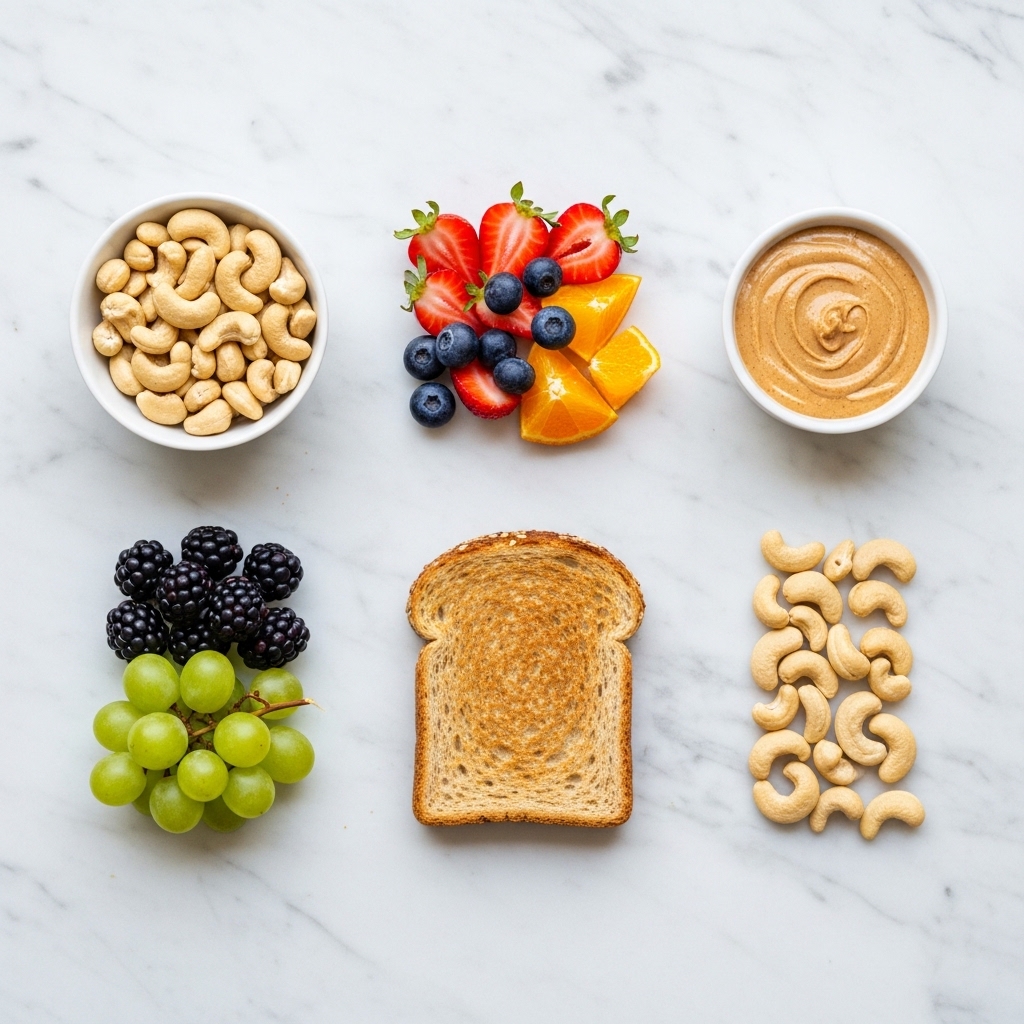
The evidence supports several practical approaches for professionals seeking to leverage cashew consumption as part of a cardiovascular and metabolic health strategy. Consuming a measured portion of unsalted or lightly salted cashews as a mid-morning or mid-afternoon snack replaces processed alternatives while delivering consistent micronutrient and fatty acid inputs. Pairing cashews with fruit or whole grain sources adds fiber and supports glycemic stability. Incorporating cashew butter as a protein-fat component of a morning meal supports satiety and reduces mid-morning glucose variability. Rotating cashews with other tree nuts — almonds, walnuts, pistachios — diversifies the micronutrient and phytochemical profile while maintaining the core cardiovascular benefit documented across the nut category.
UP NEXT: Charred Eggplant Dip | Whole Living Eat Well
Regular consumption of nutrient-dense whole foods like cashew nuts — rich in heart-healthy monounsaturated fats, magnesium, and antioxidants — has been shown to improve lipid profiles, reduce inflammation, and enhance insulin sensitivity, each of which are key metabolic drivers that can lower biological age by several years relative to chronological age. WholeLiving's Biological Age Estimation Model incorporates this factor directly — your assessment takes under five minutes.
Ready to understand how these factors are influencing your biological age right now? [Take the Biological Age Assessment →]