At 7am on the Kallang waterway, ambient temperature is already 28°C and relative humidity sits above 80%. By the time your run finishes, the physiological debt you carry is not equivalent to a comparable session in a temperate climate — sweat rate is higher, sodium loss is greater, and the time your core temperature takes to return to baseline is longer. Each of those gaps represents an incomplete recovery signal if the protocol is not calibrated for tropical conditions.
The Health Promotion Board (HPB) identifies heat-related illness as a genuine risk for Singaporeans exercising outdoors, particularly between 11am and 3pm. The broader concern for anyone training regularly is subtler: partial recovery that compounds over weeks into measurable performance decline. A protocol built for Singapore's climate addresses that erosion before it surfaces in your data. The six steps below are drawn from the evidence base on heat-stress recovery in hot, humid environments.
1. Quantify Your Sweat Loss: Calculate Your Replacement Baseline
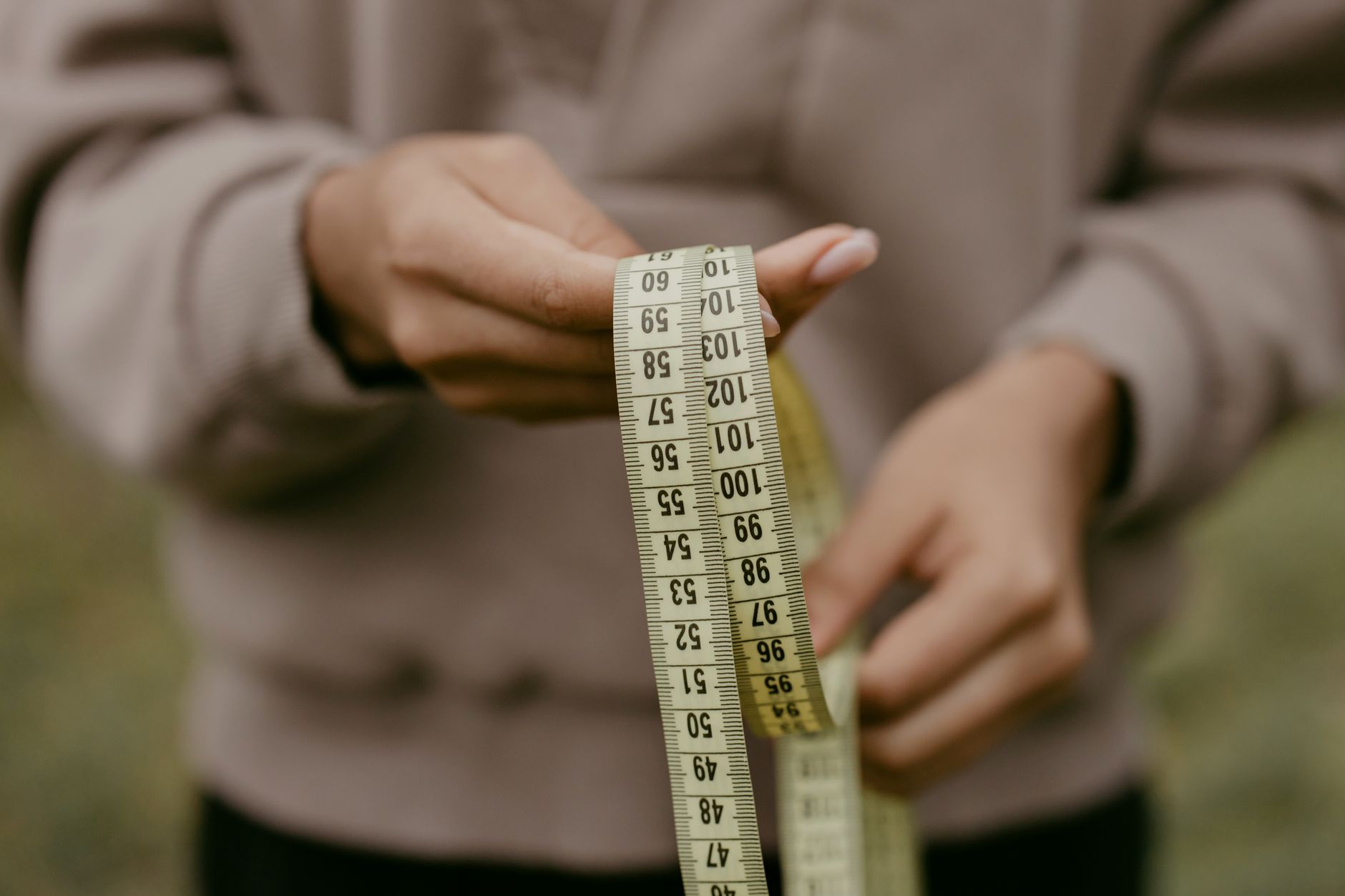
Every downstream decision — how much to drink, how much electrolyte to replace, how long to cool — depends on knowing your personal sweat rate. The field method costs nothing: weigh yourself immediately before and immediately after exercise, wearing minimal clothing, without urinating or drinking during the session. Each kilogram of weight lost equals approximately one litre of fluid deficit. The research confirms this as the field standard — it is the method adopted in the American College of Sports Medicine (ACSM)‘s position stand on exercise and fluid replacement by Sawka et al., published in Medicine & Science in Sports & Exercise (2007).
In Singapore's heat and humidity, the research suggests sweat rates for moderate-to-vigorous outdoor exercise typically fall between 1.0 and 2.5 litres per hour — substantially higher than the 0.5–1.5 L/hour figures generated in temperate-climate studies. Measuring across two or three session types over a fortnight gives you a reliable personal baseline, separated by intensity and time of day.
READ ALSO: Sleep Quality and Recovery: What the Evidence Says for Singapore's Shift Workers
2. Time Your Electrolyte Replacement: The Evidence
Sweat contains sodium, chloride, potassium, and magnesium — not just water. The ACSM's fluid replacement position stand documents sweat sodium concentrations of approximately 20–80 mmol/L, with significant individual variation between “salty” and “light” sweaters. For a 90-minute outdoor session producing 1.8 litres of sweat, sodium losses in the 40–100 mmol range are physiologically plausible. Replacing fluid without replacing sodium carries a specific risk: exercise-associated hyponatraemia (abnormally low blood sodium from excess plain water consumption), a condition whose mechanisms and clinical consequences are documented in peer-reviewed sports medicine literature and range from nausea to, in severe presentations, neurological impairment.
Timing matters as much as quantity. Beginning electrolyte replacement within 30 minutes of finishing exercise — before the acute drive to drink fades — maintains plasma osmolality at a level that sustains continued fluid absorption. A sodium-containing oral rehydration drink, or plain water taken alongside a sodium-containing food, achieves this more reliably than plain water consumed in isolation. Consult your clinician before substantially altering sodium intake if you have existing cardiovascular or renal conditions.
3. Choose Your Cooling Strategy: Evidence and Local Context
The research suggests cold water immersion (CWI) — submerging the lower body in water at 10–15°C for 10–15 minutes immediately post-exercise — is the most effective accessible cooling strategy available. A systematic review by Bleakley CM and Davison GW, published in the British Journal of Sports Medicine (2010), found that CWI reduces perceived exertion and accelerates physiological recovery after exercise in the heat. Many public swimming pools in Singapore charge under $2 SGD (2026), making post-run immersion a practical option across most neighbourhoods.
Where immersion is not accessible, ice packs applied to the neck, armpits, and groin — areas of high cutaneous vascularity — produce meaningful core cooling. Moving to a shaded, ventilated space and using a handheld fan to accelerate evaporation is effective when ambient air movement is low, which is typical of Singapore's sheltered outdoor environments. The Mayo Clinic notes that removing yourself from the heat source is the first priority; active cooling is applied once you have stopped generating additional heat load.
READ ALSO: Cold Exposure Protocols: What the Evidence Supports in a Tropical Climate
4. Post-Workout Hydration: Volume, Timing, and Sodium
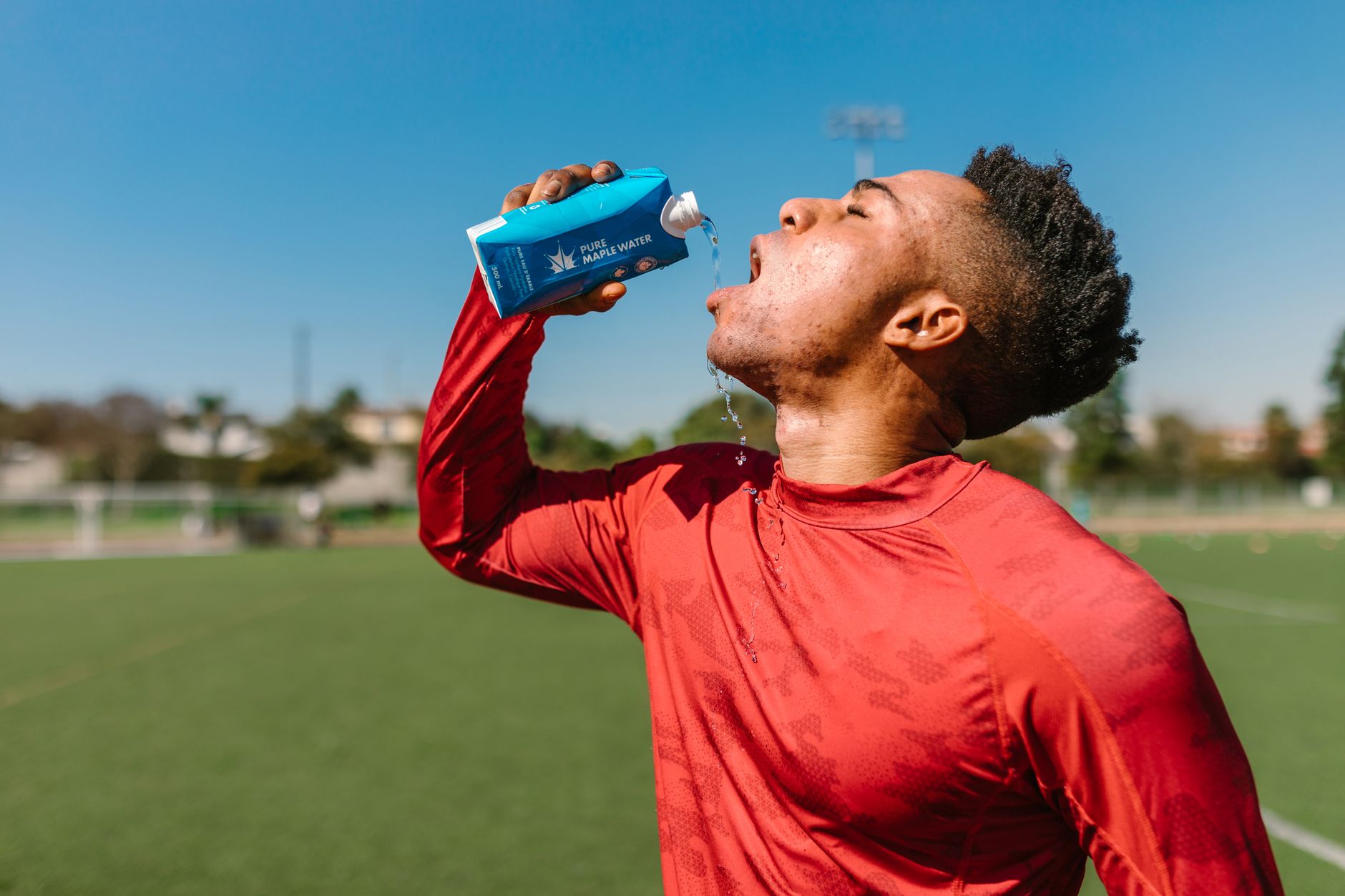
The 1.5x rule is the practical standard for post-exercise rehydration: consume 150% of your measured fluid deficit over the two hours following the session. This figure accounts for the urinary losses that occur during rehydration — drinking plain water in volume suppresses plasma osmolality, triggering urination before fluid stores are restored. Research by Maughan RJ and Shirreffs SM on fluid replacement and retention, cited in Harvard Health‘s hydration guidance, established this ratio as the minimum target for returning to euhydration (normal fluid balance) after exercise-induced loss.
For a session where you lost 1.0 kg: target 1.5 litres of fluid across two hours. For 1.5 kg lost: 2.25 litres. Sodium must be present throughout — either dissolved in the fluid via an oral rehydration solution or electrolyte tablet, or sourced from the food consumed alongside plain water. Without sodium, the osmotic drive to retain fluid is suppressed and rehydration efficiency drops markedly regardless of total volume consumed.
READ ALSO: HRV Monitoring for Training Load: A Practical Singapore Guide
5. Post-Workout Nutrition: Hawker-Based Recovery Meals
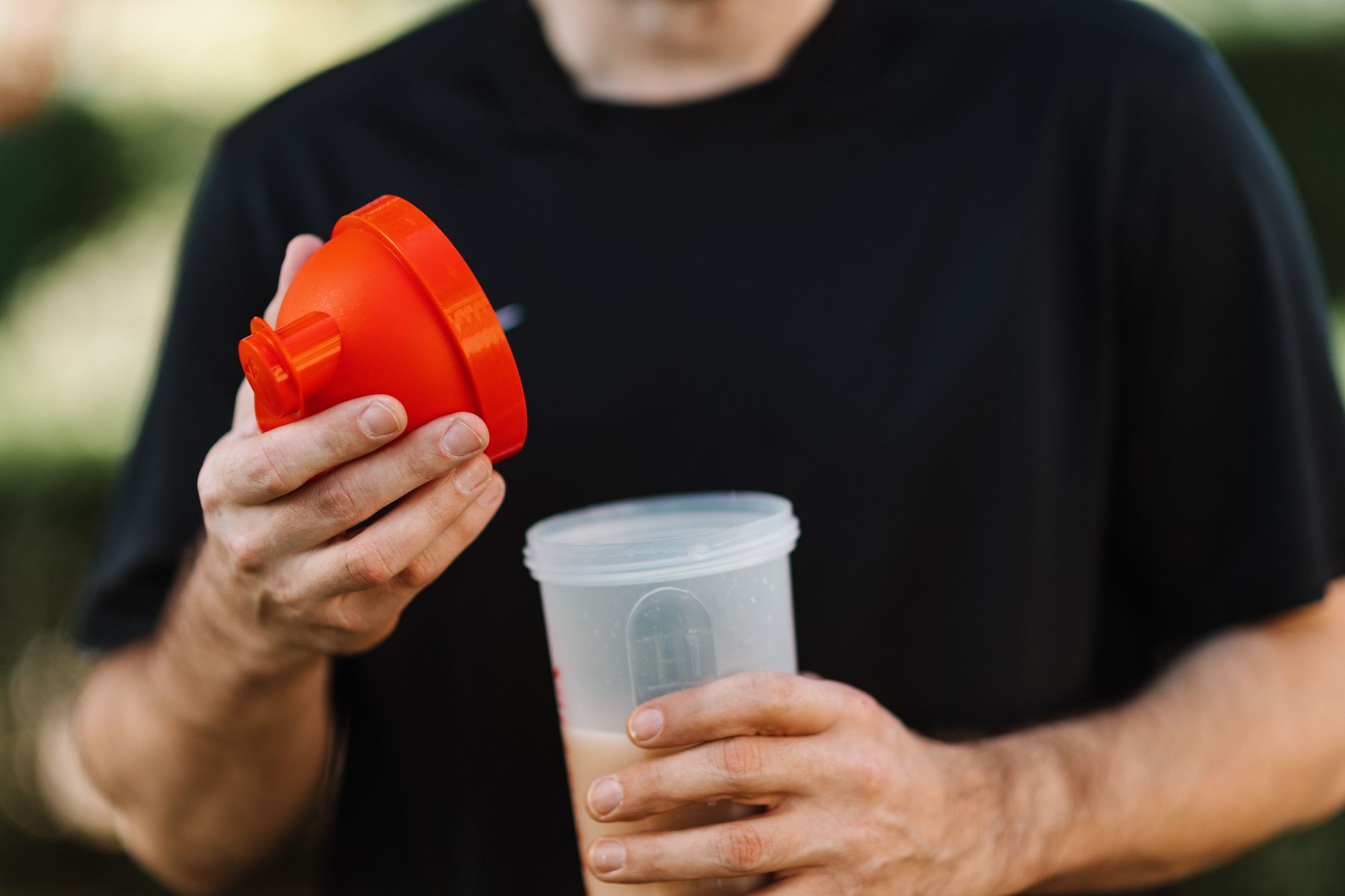
The nutritional priority in the first 60 minutes post-exercise is a combination of carbohydrates, to begin glycogen resynthesis, and protein, to initiate muscle protein synthesis. The International Society of Sports Nutrition's position stand on nutrient timing — Kerksick et al., published in the Journal of the International Society of Sports Nutrition (2017) — confirms this window carries practical relevance for athletes training on consecutive days or twice daily. Singapore's hawker centres provide options that meet this profile without supplementation:
- Fish soup with bee hoon or rice: lean protein from the fish, fast-digesting carbohydrates from noodles or rice, and a sodium-containing broth that addresses electrolyte replacement simultaneously. Among the most nutritionally complete post-workout options available at a hawker stall.
- Yong tau foo in clear broth: customisable protein-to-carb ratio — select fish tofu, egg tofu, or lean meat alongside noodles or rice. The clear broth contributes sodium and warm fluid.
- Steamed chicken rice (without skin): adequate protein and starchy carbohydrates. Request a side of soup to add sodium and warm fluid to the meal.
- Sliced fish congee: easily digestible carbohydrates suited to a gastrointestinal system under post-exercise stress; the broth's sodium content supports rehydration concurrently.
High-fat hawker options — char kway teow, nasi lemak — slow gastric emptying and delay carbohydrate absorption during the window that matters most. Cleveland Clinic‘s sports nutrition guidance notes that a higher-fat meal consumed two to three hours post-exercise carries far less consequence, so this is a delay rather than a long-term restriction.
6. Heat Acclimatisation: Prepare Your Body for the Climate
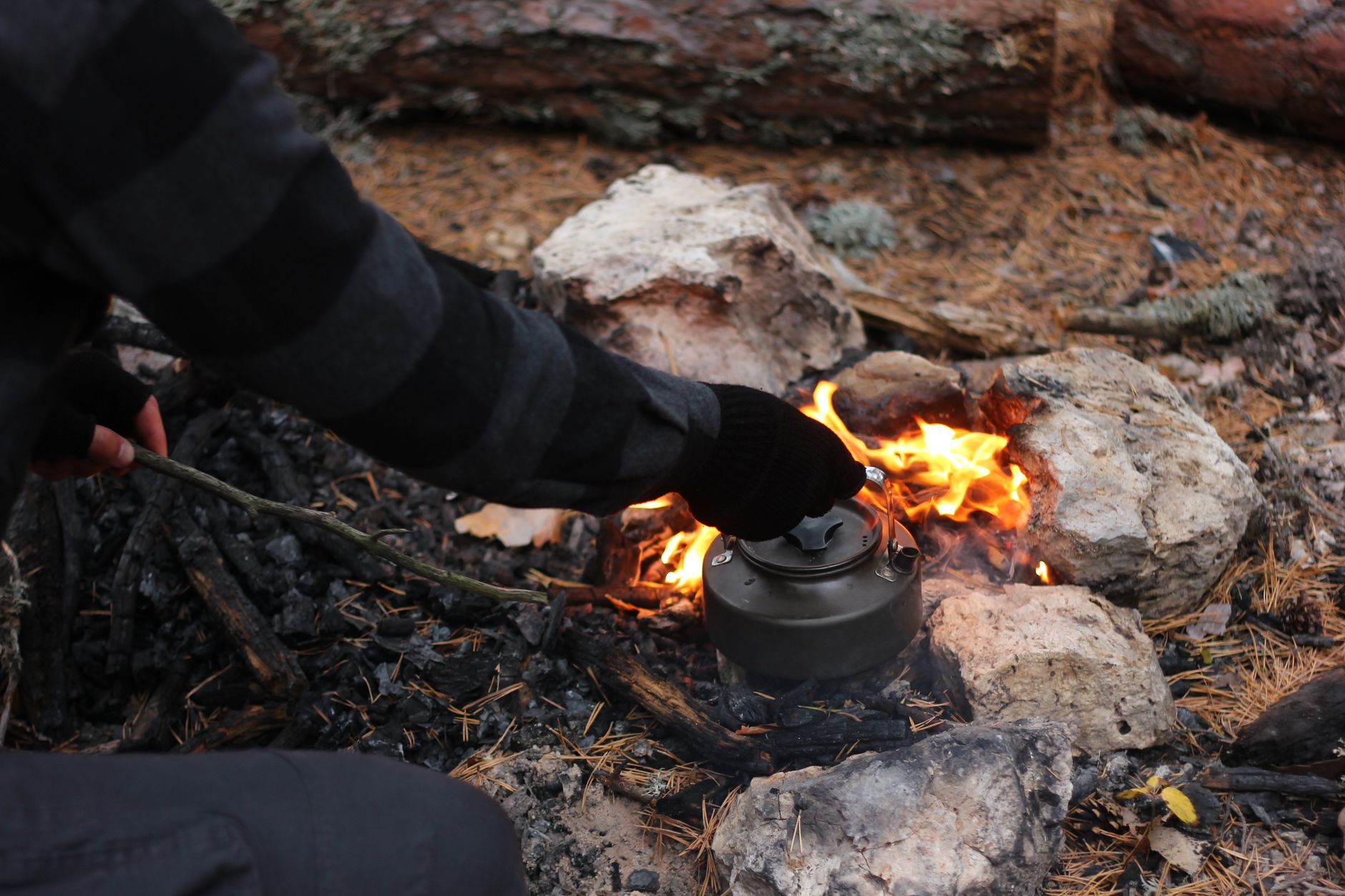
Heat acclimatisation is the most durable adaptation available in this protocol. The research confirms — based on work by Armstrong LE, Casa DJ, and colleagues published in Medicine & Science in Sports & Exercise — that 10–14 consecutive days of deliberate exercise in the heat produces distinct, measurable changes: increased plasma volume, earlier onset of sweating, reduced sodium concentration in sweat, and lower heart rate at equivalent workloads. These adaptations reduce the thermoregulatory burden on every subsequent session and lower the ceiling on how hard recovery has to work.
A deliberate acclimatisation protocol requires exercising at 50–70% of maximum effort for at least 60 minutes per day in ambient heat, across 10–14 consecutive days, without air-conditioning during the session. Singapore's Ministry of Health (MOH) and the HPB recommend monitoring for heat illness symptoms throughout the acclimatisation window — dizziness, nausea, cessation of sweating, confusion — which marks the period of highest vulnerability. Consult your clinician before beginning a structured acclimatisation protocol if you have cardiovascular or metabolic conditions.
READ ALSO: Zone 2 Training in Singapore: Why Temperate-Climate Heart-Rate Targets Miss the Mark
Frequently Asked Questions: Heat Recovery
How much should I drink after exercising outdoors in Singapore?
Weigh yourself before and after the session without drinking or urinating during it. Each kilogram lost equals one litre of fluid deficit. Consume 150% of that deficit over the following two hours — sodium must be included either in the fluid or through food consumed alongside plain water. For a 1.0 kg loss, that target is 1.5 litres.
Does cold water immersion affect muscle building?
The research suggests regular cold water immersion applied immediately after resistance training may blunt muscle hypertrophy adaptations by attenuating the inflammatory signalling involved in tissue repair. Use it selectively — prioritise CWI after endurance or heat-heavy sessions rather than directly after training aimed specifically at muscle growth. The evidence here is not conclusive, but the mechanism is plausible enough to warrant a practical distinction.
What are the early signs that heat recovery has been insufficient?
The most reliable day-to-day markers are: resting heart rate elevated by more than five beats per minute above your baseline on waking; morning urine that is dark yellow or amber; persistent headache following normal sleep; or reduced motivation to train without an obvious cause. The World Health Organisation notes that persistent fatigue following heat exposure can indicate incomplete physiological recovery, warranting rest and active rehydration before returning to training.
How long does heat acclimatisation take to develop, and how quickly does it decay?
Meaningful physiological adaptation begins within three to five days; the full suite of adaptations — including plasma volume expansion and reduced cardiovascular strain — reaches its peak effect at 10–14 days. Acclimatisation decays when heat exposure stops: roughly half of gained adaptation is lost within two to three weeks of detraining in the heat. For Singaporeans training outdoors year-round, partial acclimatisation is maintained continuously, which narrows the gap but does not eliminate the benefit of a deliberate protocol.
Build Your Heat-Recovery Protocol: The 30-Day Plan
These six steps function as an integrated system: sweat quantification sets your hydration target; your hydration target determines your electrolyte dose; your cooling strategy sets the rate of return to physiological baseline; heat acclimatisation progressively lowers the ceiling on all of them. This list comes from Week 2 of the 30-Day Biohacking Starter Guide. Download the full 30-day plan to see how it all fits together.
UP NEXT: Heat Adaptation for Endurance Athletes: A Singapore Protocol
This article is for educational purposes only and does not constitute medical advice, diagnosis, or treatment. Consult a qualified clinician before making changes to your exercise, nutrition, or hydration protocols, particularly if you have existing health conditions.
—