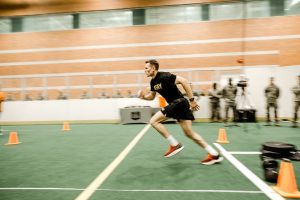
Hill sprints appear regularly in longevity content as a near-mandatory training stimulus. The argument runs: VO2max (maximum oxygen uptake — the peak rate at which your body uses oxygen during sustained effort) is among the strongest predictors of long-term survival; high-intensity training raises VO2max efficiently; therefore maximal sprint efforts are the correct prescription. Each of those claims has genuine support. The practical problem emerges in Singapore, where 32°C heat and 85% humidity impose a cardiovascular cost on any given workload that makes the recovery demands of repeated sprint efforts incompatible with most working schedules.
The Health Promotion Board (HPB) recommends at least 150 minutes of moderate-to-vigorous aerobic activity per week for working-age Singaporeans. In Singapore's operating environment, the question is not which protocol is theoretically optimal — it is which protocol produces the cardiorespiratory stimulus that longevity research actually requires, reliably, week after week. This article addresses that question directly.
The Belief: Hill Sprints Are Mandatory for Longevity Cardio
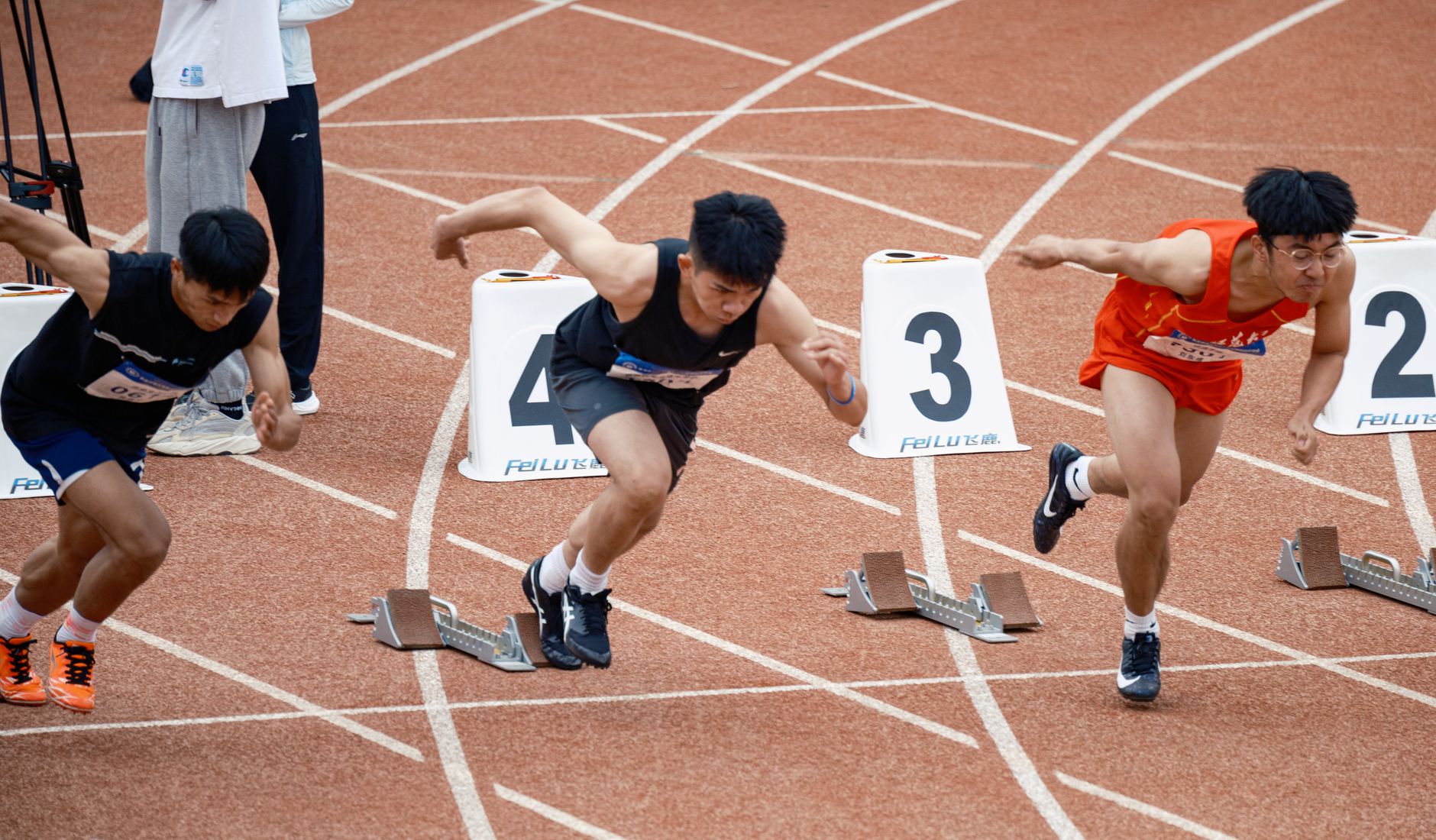
The case for hill sprints as a longevity tool rests on a plausible chain of reasoning. VO2max is strongly associated with reduced all-cause mortality. High-intensity interval training (HIIT) can raise VO2max in relatively short training sessions. Hill sprints are a form of HIIT accessible without equipment. Therefore, hill sprints are the correct longevity training intervention.
The chain breaks at the final step. HIIT can raise VO2max efficiently — but it is not the only training stimulus that does so, and efficiency of stimulus is not the same as net cardiorespiratory adaptation over time. Net adaptation depends on consistency, cumulative weekly training volume, and the ability to recover between sessions. When sprint efforts are undermined by heat-related fatigue, shortened by compressed recovery windows, or abandoned after weeks of accumulated tiredness, the theoretical VO2max stimulus never materialises as physiological change.
What the Research Shows About Cardiorespiratory Fitness and Longevity

The research confirms that cardiorespiratory fitness is one of the most powerful independent predictors of all-cause mortality. A 2018 analysis published in JAMA Network Open by Mandsager and colleagues examined 122,007 patients who underwent exercise treadmill testing and found that individuals in the lowest fitness quintile had an all-cause mortality hazard approximately five times higher than those in the elite fitness category — a differential larger than the mortality associations seen with smoking, hypertension, or diabetes in the same cohort. The gradient across fitness quintiles was continuous: meaningful gains at any fitness level reduce risk.
The mechanism is well characterised. Higher VO2max reflects greater cardiac output, higher stroke volume per heartbeat, more efficient mitochondria in skeletal muscle, and a larger metabolic reserve before the body shifts to anaerobic energy production. The American Heart Association documents that regular aerobic training produces measurable improvements in each of these parameters — reduced resting heart rate, increased left ventricular volume, and lower blood pressure — and each is an independent predictor of cardiovascular longevity.
READ ALSO: Zone 2 Training in Singapore: A Practical Protocol
Critically, these adaptations do not require maximal effort to occur. Cochrane systematic reviews on exercise training and cardiovascular outcomes consistently identify weekly aerobic training volume and session consistency — not peak training intensity — as the primary predictors of long-term cardiorespiratory adaptation in healthy adults. The research suggests that moderate-intensity sustained aerobic training, performed regularly, drives the same cardiac and mitochondrial adaptations as interval training, particularly for individuals transitioning from sedentary or low-activity baselines.
Metabolic Load and Adaptation: Comparing Incline Walking to Hill Sprints
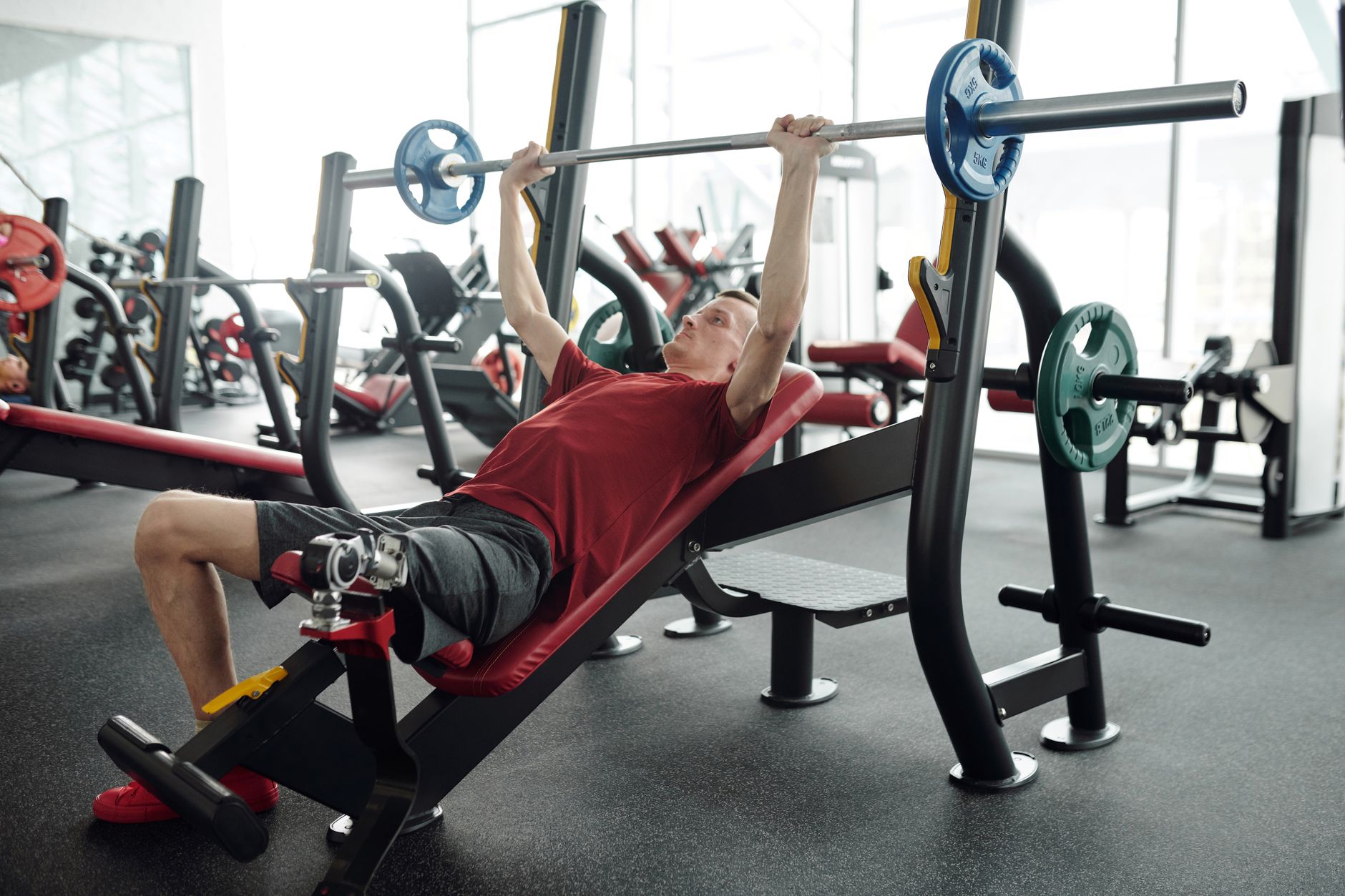
Metabolic equivalents (METs) quantify the energy cost of an activity as a multiple of resting metabolic rate. Flat walking at 5.5 kph sits at approximately 3.5 METs — genuine aerobic activity, but below the intensity threshold associated with meaningful VO2max stimulus. The American College of Sports Medicine's compendium of physical activities documents that adding a 10% gradient at the same walking speed raises the MET value to approximately 7–8 METs — firmly in the vigorous-intensity category, comparable in metabolic demand to jogging at 8 kph on flat ground.
At that intensity, a sustained 40-minute incline walk drives cardiac output into the range that produces the structural adaptations associated with longevity: progressive increases in left ventricular volume, improved stroke volume, and greater mitochondrial density in oxidative muscle fibres. These are not a scaled-down version of the hill sprint stimulus. They are the same underlying adaptations, achieved through sustained aerobic output rather than repeated anaerobic spikes.
The practical difference lies in the recovery demand. A hill sprint session involving four to eight maximal efforts generates significant metabolic acidosis and muscle damage that requires 48–72 hours before another high-quality session is feasible. A 40-minute incline walk at 10–12% gradient produces fatigue recoverable within 18–24 hours, enabling 3–4 sessions per week rather than 1–2. As established in the Cochrane exercise training literature, total weekly aerobic volume and session consistency are the primary determinants of long-term cardiorespiratory adaptation. A training format enabling four consistent sessions per week delivers more cumulative cardiovascular stimulus than one requiring 60–72 hours of recovery between efforts, regardless of peak session intensity.
READ ALSO: How to Track VO2max Progress in Singapore
Why Singapore's Heat and Humidity Change the Equation

Outdoor training in Singapore between approximately 8am and 7pm involves sustained exposure to heat stress at levels that materially alter cardiovascular physiology. The wet-bulb globe temperature (WBGT — a composite measure of air temperature, humidity, wind speed, and solar radiation) commonly reaches 28–32°C in Singapore's outdoor environments during daylight hours. Research published in the Journal of Applied Physiology has documented that training at high-WBGT values increases cardiovascular strain — measured as heart rate at a given absolute workload — by 10–20% compared to temperate conditions, because the cardiovascular system must simultaneously supply working muscles and divert blood flow to the skin for thermoregulation.
For hill sprints, this environmental load compounds an already maximal cardiac demand. Sprint heart rates that would comfortably reach 90–95% of maximum heart rate in 18°C conditions push against the ceiling earlier and remain there longer in Singapore's heat, amplifying core temperature spikes and extending recovery demands accordingly. The result is a systematic mismatch between planned and executed training weeks — and the sessions most likely to be cut short are precisely the ones that carry the greatest cumulative cost when missed repeatedly.
Incline walking manages this differently. The Mayo Clinic and clinical exercise physiology guidelines note that heart-rate-guided training provides more reliable intensity targeting in variable environmental conditions than pace-based targets, because it integrates the ambient cardiovascular load automatically. Walking pace on a gradient is fully controllable in real time. In practice, a Zone 2 incline walk in Singapore's climate stays in Zone 2; a sprint session calibrated for temperate conditions routinely overshoots its intended training zone at 32°C and 85% humidity, producing effort that exceeds recovery capacity without producing proportionally greater adaptation.
For outdoor training, Singapore's terrain offers usable options before 8am: the nature trails at Bukit Timah Nature Reserve and MacRitchie Reservoir include sustained gradient sections with lower WBGT during early morning hours. For consistent Zone 2 targeting regardless of weather or time of day, most commercial gyms and HPB-affiliated fitness centres near polyclinic clusters offer treadmills with gradient settings above 10%.
READ ALSO: Outdoor Exercise in Singapore's Heat: What the Physiology Tells You
Your Incline Walking Protocol for Longevity
The following protocol is structured for working-age Singaporeans with no cardiovascular contraindications. Consult your clinician before starting if you have a known cardiac condition, hypertension, or have been sedentary for more than six months.
- Warm-up: 5 minutes flat walking at 4 kph.
- Main set: 35–45 minutes at 10–15% gradient. Set speed so heart rate sits in Zone 2 — approximately 65–75% of maximum heart rate. Calculate your Zone 2 bounds as: (220 minus your age) multiplied by 0.65, and (220 minus your age) multiplied by 0.75.
- Cool-down: 5 minutes flat walking with gradual pace reduction.
- Frequency: 3–4 sessions per week. At this volume, weekly Zone 2 training reaches 100–150 minutes, within the HPB's recommended activity range.
- Progression: Increase gradient by 1–2% every two weeks rather than increasing speed. Gradient drives the metabolic load; pace remains secondary to heart rate target.
- Environment: Indoor treadmill training eliminates WBGT variability and enables consistent heart rate targeting year-round. Schedule outdoor sessions before 8am or after 7pm to reduce ambient cardiovascular strain.
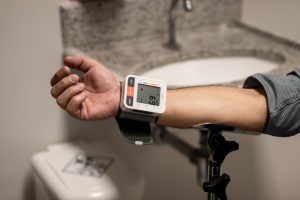
Harvard Health Publishing documents that consistent aerobic training at this volume produces measurable improvements in resting heart rate and exercise capacity within 6–8 weeks of regular practice. Resting heart rate is a low-cost monitoring proxy accessible to any Singaporean: most polyclinics record it at routine screenings under Screen for Life (SFL), the national preventive health programme. A downward trend in resting heart rate across months reliably indicates improving cardiorespiratory fitness without requiring formal VO2max testing.
READ ALSO: Resting Heart Rate as a Longevity Biomarker: Singapore Reference Ranges
Building Your Cardio Plan for Singapore's Climate

Hill sprints are not without value for individuals with an established aerobic base, adequate heat acclimatisation, and access to safe running terrain. The NIH and clinical exercise physiology guidelines support high-intensity training as a component of comprehensive cardiorespiratory programming. What the evidence does not support is the claim that hill sprints are required, or that moderate-intensity alternatives deliver inferior longevity stimulus.
For most working-age Singaporeans — managing heat, recovering across work weeks, and operating within limited training windows — incline walking delivers the VO2max stimulus that longevity research identifies as protective, with a recovery profile and consistency track record that compounds over months and years rather than sessions. The longevity benefit lives in that compounding, not in any individual effort.
For individuals with cardiovascular risk factors requiring clinician-guided exercise prescription, a referral through the Ministry of Health's (MOH's) polyclinic network is available at subsidised rates under CHAS (the Community Health Assist Scheme), and includes baseline fitness assessment that can inform training intensity targets.
Now you know what the standard approach misses. The guide shows you what to do instead, starting tomorrow.
UP NEXT: Building Your Aerobic Base in Singapore: A 12-Week Progressive Plan
This content is for educational purposes only and does not constitute medical advice, diagnosis, or treatment. Always consult a qualified clinician before beginning a new exercise programme or making changes to your training based on health considerations. WholeLiving is not a clinical service.