
Why Mindset Theory Still Matters Today

Mindset theory sits at the center of modern psychology, and yes, I am still obsessed with it. This powerful idea explains how your mindset shapes success, well being, and everyday decisions. In simple terms, mindset theory explores how beliefs about intelligence and ability influence growth and behavior.
Now, here is the spicy truth. Your mindset quietly runs the show more than raw talent ever will. Decades of research from school psychology and clinical psychology strongly support this claim. Because of that, ignoring mindset theory today would be like ignoring gravity. Not smart.
Understanding the Two Mindsets
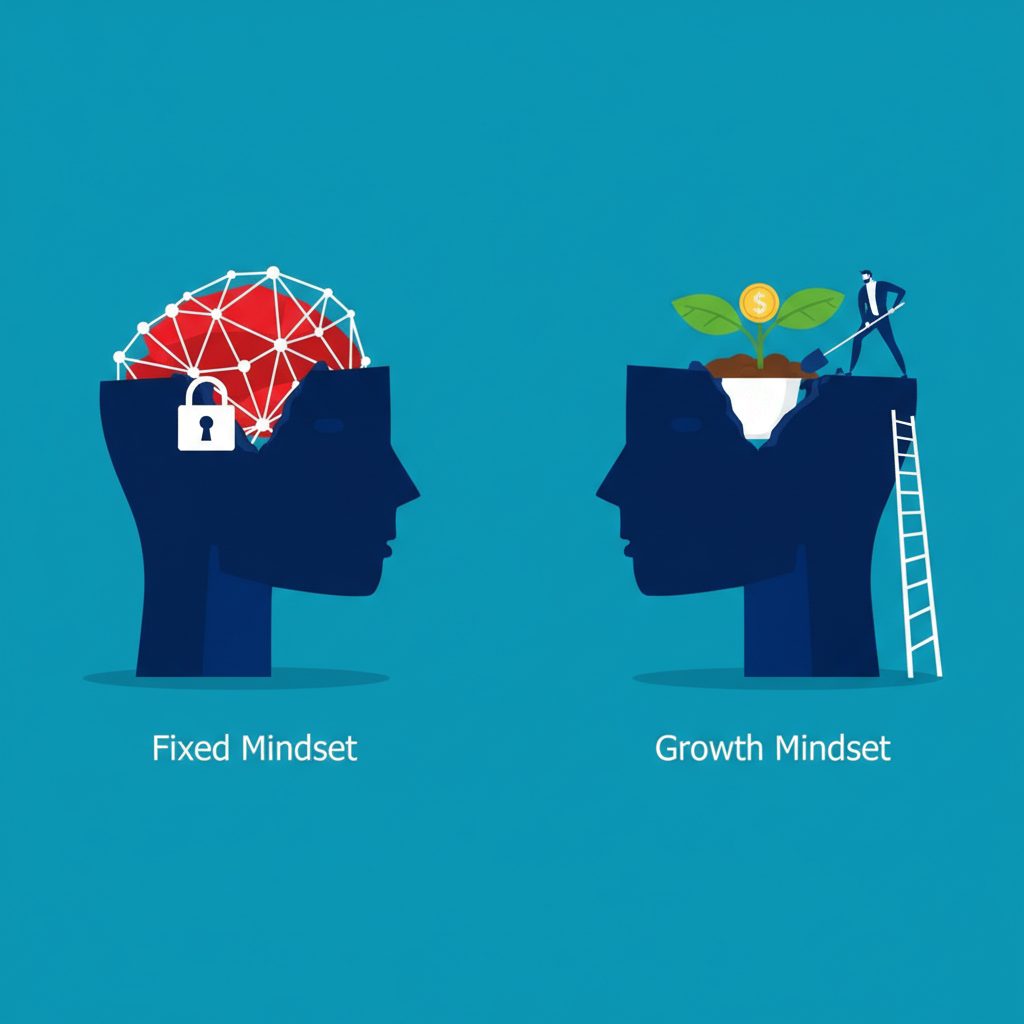
At the heart of mindset theory are the famous two mindsets. You have the growth mindset and the fixed mindset. Each one drives very different outcomes in learning, motivation, and academic achievement.
People with a growth mindset believe intelligence and ability can improve with effort and practice. Meanwhile, a fixed mindset assumes intelligence and fixed traits stay mostly the same. According to social psychology research, these core beliefs shape behavior in powerful ways.
How Carol Dweck Changed the Game

Let us give credit where it is due. Stanford psychologist Carol Dweck from Stanford University developed growth mindset theory through years of careful research. Her work, often cited in Psychological Review and American Psychologist, completely shifted how psychology views learning and motivation.
Carol Dweck and Dweck CS introduced the new psychology of success. Their studies conducted with students showed mindset effects on academic achievement and student motivation. Honestly, once you read the evidence, it becomes very hard to unsee.
The Science Behind Growth Mindset
Growth mindset theory did not appear from thin air. It grew from decades of social cognitive approach research and implicit theories in psychology. These self theories explain how implicit beliefs about intelligence shape the learning process.
Studies in Psychol Sci and the Canadian Journal consistently show that students with a stronger growth mindset show better academic performance. They also display higher self efficacy and stronger achievement motivation theory patterns. Translation? Beliefs drive results.
Fixed Mindset: The Silent Progress Killer

Let me be blunt here. A fixed mindset quietly sabotages progress. When students believe intelligence is fixed, they often avoid challenges and fear negative feedback.
Because of these fixed beliefs, many students stop trying after making mistakes. School psychology experts and school psychologists repeatedly observe this pattern in struggling students. Over time, the lack of effort leads to weaker outcomes and lower motivation.
READ ALSO: Post Burnout Gentle Practices to Reclaim Balance
Why Growth Mindset Boosts Academic Achievement

Here is where mindset theory really shines. Students with a growth mindset view challenges as opportunities for improvement. Instead of panicking, they focus on effort and learning.
Research in school psychology and clinical psychology shows strong links between growth mindset and academic achievement. These students stay well positioned for long term success because they keep adapting. That adaptive behavior creates measurable mindset effects in classrooms.
The Role of Effort in Intelligence Growth

Let us clear something up right now. Effort is not the enemy of talent. In growth mindset theory, effort is the engine of intelligence growth.
When students believe ability can be developed, they invest more effort in the learning process. School psychologists often highlight process praise as a key tool. Praising effort, not just results, helps children learn adaptive ways to handle challenges.
READ ALSO: Collective Mindset: How to Harness Group Power for Success
Mindset Interventions That Actually Work

Now we are getting practical, and I love this part. Growth mindset interventions and broader mindset interventions have shown promising results across education and clinical psychology settings.
Well designed interventions teach students about implicit theories and self theories. They also encourage students to view challenges differently. Research published in Psychol Sci and the Canadian Journal reports significant effects when interventions are applied early.
Supporting Students With Learning Disabilities

This topic deserves extra attention. Students with learning disabilities often face repeated academic setbacks. Without support, many develop a fixed mindset and low motivation.
However, school psychologists and school psychology teams now use targeted mindset interventions. These approaches help struggling students rebuild confidence and stay well positioned for improvement. When done correctly, the outcomes for mental health and academic achievement improve noticeably.
Mindset, Mental Health, and Well Being

Let us talk about the emotional side, because it matters. Mindset theory does not only affect academic performance. It also shapes mental health and overall well being.
Clinical psychology research shows that a stronger growth mindset supports resilience during stressful life events. People with adaptive beliefs recover faster from setbacks. That is one reason mindset theory remains well positioned in modern psychology discussions.
READ ALSO: Resilience Rituals to Recover and Thrive Each Day
How Stereotype Threat Connects to Mindset

Here is where things get very interesting. Stereotype threat can damage student motivation and academic achievement. However, growth mindset interventions can reduce its harmful effects.
Studies conducted in social psychology show that when students adopt growth beliefs, they view challenges with less fear. School psychologists often combine mindset interventions with stereotype threat education. This combined approach creates more adaptive ways for students to succeed.
Practical Applications in Classrooms and Beyond

Alright, let us bring this home. The practical applications of mindset theory are everywhere. From school psychology programs to corporate training, mindset interventions continue to expand.
Teachers, school psychologists, and clinical psychology professionals use growth mindset strategies daily. When applied consistently, these approaches improve motivation, learning, and long term outcomes. That is why mindset theory remains well positioned for the future of education and human development.
Final Thoughts on Mindset and Success

If you take one thing from me today, let it be this. Your mindset is not fluff. It is a research backed theory with real world impact.
Growth mindset thinking helps students focus on improvement, effort, and learning. Meanwhile, fixed mindset patterns keep people stuck in avoid challenges mode. Choose wisely, because your beliefs about intelligence quietly shape your success and well being every single day.