Post-training recovery is most often framed as a nutrition and sleep problem. Both matter, but there is a third variable that governs how quickly your body transitions from physiological stress into active repair: the balance between the sympathetic and parasympathetic branches of the autonomic nervous system (ANS). Until the ANS completes that shift, the cellular processes of adaptation — protein synthesis, hormonal restoration, tissue repair — operate at reduced capacity.
For those training in Singapore's climate, this transition takes longer than most generic protocols assume. Sustained effort in 30°C heat and 80% humidity generates a larger and more prolonged sympathetic stress response than equivalent effort in temperate conditions. Add a full corporate working day before or after the session, and the parasympathetic system has even more ground to recover. The protocols below give you direct, measurable control over that transition — no specialist equipment required beyond a wearable you likely already own to track the results.
The Role of Parasympathetic Activation in Recovery
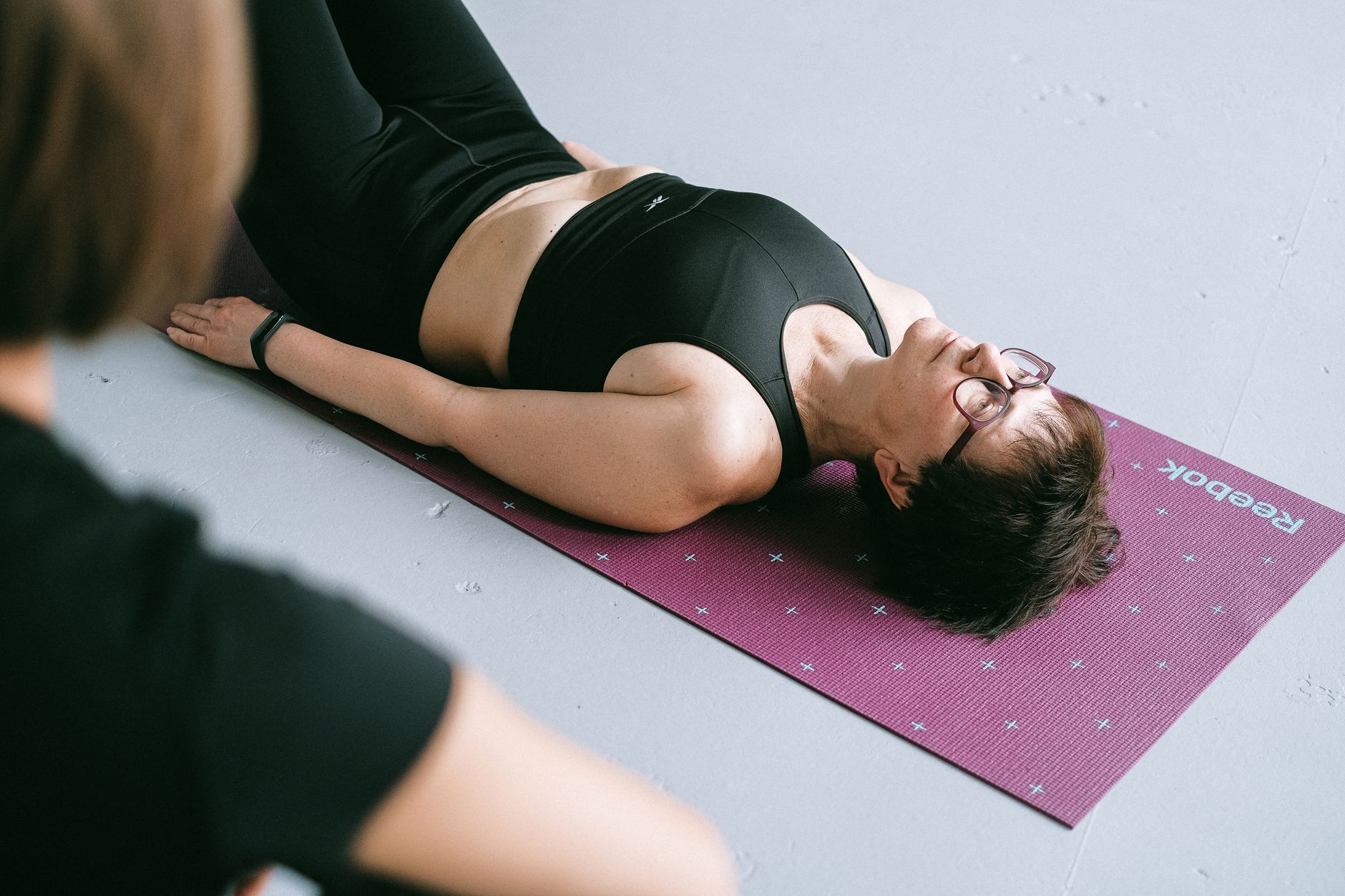
The sympathetic branch of the ANS mobilises resources for physical and psychological demand. It raises cortisol and adrenaline, diverts blood away from the gut, and primes you for output. After hard training — or a demanding workday — it stays elevated for a period that varies considerably between individuals. The parasympathetic branch, mediated primarily by the vagus nerve, runs the opposing programme: it lowers heart rate, restores digestive function, and creates the internal hormonal conditions in which tissue repair and adaptation proceed.
The research confirms that the speed of this sympathetic-to-parasympathetic transition has measurable consequences for training adaptation. A 2012 meta-analysis by Thayer and colleagues, published in Neuroscience & Biobehavioral Reviews, found that higher vagal tone — reflected in higher heart rate variability (HRV) — correlates with faster cortisol recovery and better sleep architecture following physiological stress. In practical terms: if your sympathetic system remains elevated at bedtime, the slow-wave sleep phases that trigger growth hormone release are shallower and shorter, and the adaptation you trained to earn is partially forfeited.
This is the case for deliberate parasympathetic activation rather than passive rest. The question is which methods create that activation most reliably, and why they work.
READ ALSO: How to Track HRV With a Wearable in Singapore's Climate
How Breathing Shapes the Nervous System
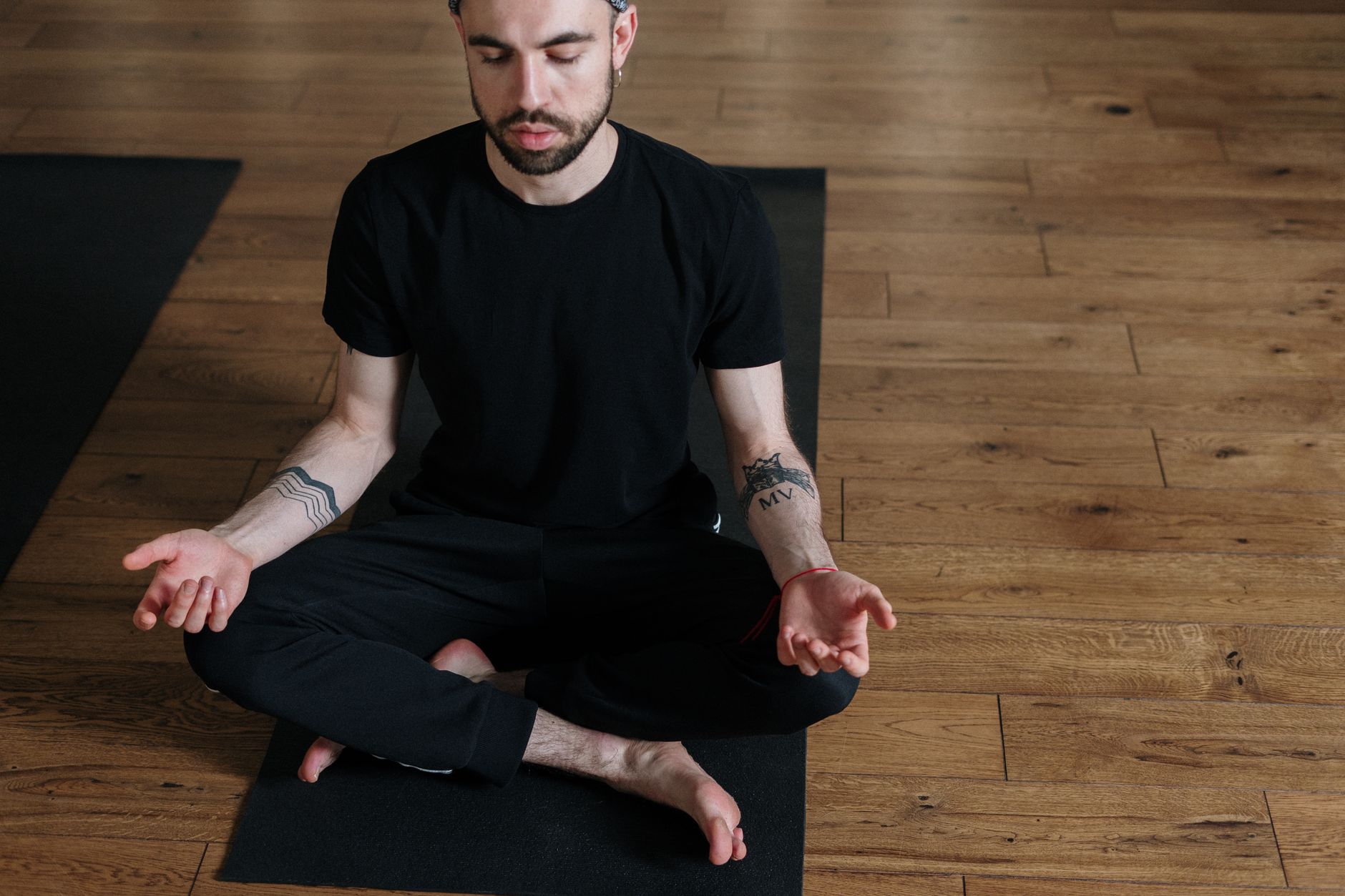
The vagus nerve carries information in both directions between the brainstem and the major organs of the chest and abdomen. Roughly 80% of its fibres are afferent — they carry signals from the body to the brain. Diaphragmatic breathing directly stimulates these afferent pathways, signalling to the central nervous system that the physiological stressor has resolved.
The specific mechanism is respiratory sinus arrhythmia (RSA): heart rate rises slightly on every inhale and falls on every exhale, as pressure changes in the thoracic cavity modulate vagal outflow to the sinoatrial node. When breathing slows, these oscillations become larger and more coherent — a state that corresponds directly to high vagal tone and reduced sympathetic drive.
The research confirms that breathing below ten breaths per minute reliably increases HRV and decreases sympathetic tone. A 2018 systematic review by Zaccaro and colleagues in Frontiers in Human Neuroscience, covering fifteen controlled studies, found consistent HRV improvements across paced breathing protocols in the 5–10 breaths-per-minute range. Effect sizes were largest in protocols that extended the exhale relative to the inhale, because the exhale phase is when vagal outflow to the heart is highest.
This mechanism is the foundation for all three protocols below. Slow overall rate is one lever. The exhale-to-inhale ratio is the other.
Measuring Recovery: HRV Baselines and Targets
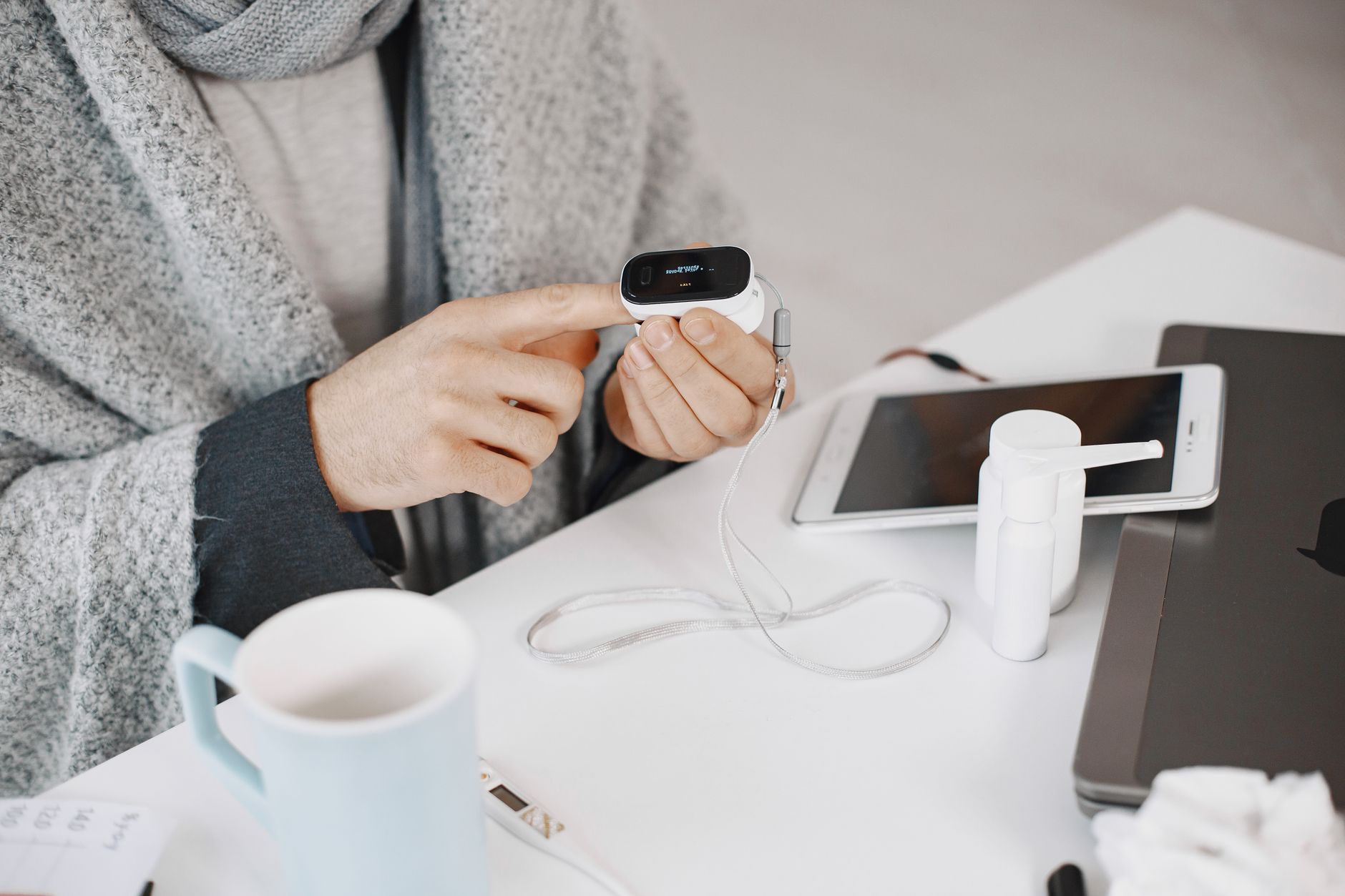
Heart rate variability (HRV) — the variation in milliseconds between consecutive heartbeats — is the most accessible non-invasive proxy for vagal tone and recovery status. Consumer wearables such as Oura, Garmin, and Apple Watch report it as RMSSD (root mean square of successive differences), a short-term metric that reflects parasympathetic activity specifically.
Your morning RMSSD reading, taken lying down before rising, is more informative than any population benchmark. What you are tracking is a reading substantially below your own 7-day rolling average — that is the signal to prioritise recovery work over training load. Cleveland Clinic and the American Heart Association both recognise HRV monitoring as a clinically valid tool for assessing autonomic function and cardiovascular health.
| Metric | Standard Clinical Range (age 30–45) | Longevity-Optimised Target | The Gap |
|---|---|---|---|
| RMSSD at rest (supine) | 25–50 ms | ≥60 ms | 10–35 ms above clinical “normal” |
| Resting heart rate | 60–100 bpm | 50–60 bpm | 10–40 bpm below clinical upper limit |
The range labelled “clinically unremarkable” is not the target. The gap between those two columns is where this protocol operates. The research suggests, based on a 2014 review by Lehrer and Gevirtz in Frontiers in Psychology, that consistent slow-breathing practice shifts RMSSD meaningfully upward over eight to twelve weeks, with effects maintained as long as practice continues.
READ ALSO: Zone 2 Cardio in Singapore's Heat: Protocol and Calibration
Box Breathing: The Foundation Protocol

Box breathing — four equal phases of four seconds each — is the baseline protocol for immediate post-training parasympathetic activation. At four seconds per phase, you are breathing at approximately 3.75 breaths per minute, well within the slow-breathing range where vagal tone increases reliably. The equal-phase structure removes the exhale bias of more advanced protocols, making it easier to maintain under residual physical fatigue immediately after a session.
Steps:
- Sit or lie down within ten minutes of finishing training, before stretching or showering. The immediate post-training window is the highest-leverage point for sympathetic downregulation.
- Set a timer for five minutes to start; extend to ten minutes as the practice becomes routine.
- Inhale through the nose for a four-count, letting the abdomen expand before the chest rises.
- Hold at the top for four counts, keeping the throat open rather than clamping.
- Exhale through the nose or mouth for four counts, emptying fully without forcing.
- Hold at the bottom for four counts.
- Repeat without interruption. If you lose the count, return to the inhale without attempting to self-correct.
The US National Center for Complementary and Integrative Health recognises diaphragmatic paced breathing as a well-supported relaxation intervention with a consistent physiological evidence base. Harvard Health Publishing similarly documents diaphragmatic breathing as reducing the physiological stress response through the same vagal pathways described above. The research confirms, per the Zaccaro et al. (2018) review, that breathing in the 4–6 breaths-per-minute range reliably produces the HRV increase and cortisol-reduction effects that underpin this protocol's use case.
READ ALSO: Sleep Architecture and Recovery: What Your HRV Is Telling You
4-7-8 Breathing for Deeper Recovery States

The 4-7-8 protocol — inhale for four seconds, hold for seven, exhale for eight — carries the highest exhale-to-inhale ratio of the three protocols here. At 19 seconds per cycle, it places you at approximately 3.2 breaths per minute. The eight-second exhale is the active element: it extends the window of maximum vagal outflow to the heart and produces a modest physiological CO₂ shift that reinforces the calming signal.
Steps:
- Use this protocol in the two hours before sleep, not immediately post-training. The CO₂ effect can produce drowsiness that is counterproductive in a mid-session recovery window.
- Sit upright or lie down. Place one hand on the abdomen.
- Exhale fully through the mouth before beginning.
- Inhale through the nose for four counts.
- Hold for seven counts — keep the jaw and throat soft.
- Exhale through the mouth for eight counts: slow, controlled, and fully empty.
- Complete four to six cycles. This is the effective dose range for pre-sleep sympathetic downregulation.
Preliminary research indicates the specific 4-7-8 ratio has not been evaluated in large randomised controlled trials as a standalone intervention. The mechanism it relies on — exhale-dominant slow breathing and its effect on vagal outflow — is Tier 1 evidence, confirmed across the fifteen studies in the Zaccaro et al. (2018) systematic review. If the seven-second hold is uncomfortable initially, reduce the count proportionally to 4-5-6 to preserve the exhale bias while lowering breath-hold demand. Progress toward the full ratio over two to three weeks, and consult your clinician before beginning if you have any cardiovascular or respiratory condition.
Resonance Breathing and Individual Calibration

Resonance breathing — sometimes called coherent breathing — describes paced breathing at approximately 5.5 to 6 breaths per minute, which synchronises the cardiac baroreflex cycle with the respiratory rhythm. At this rate, the RSA oscillations in heart rate reach maximum amplitude, producing the largest measurable HRV effect of any common paced breathing pattern.
The research confirms that 6 breaths per minute is the population average resonance frequency for adults. A 2001 trial by Bernardi and colleagues published in The Lancet found that reciting rosary prayers and yoga mantras — both of which naturally pace breathing to approximately 6 cycles per minute — produced significant improvements in cardiovascular rhythmic coherence and baroreceptor sensitivity compared with uncontrolled breathing. The research suggests individual resonance frequency varies between roughly 4.5 and 7 breaths per minute; training at your personal optimum produces larger HRV gains than training at the population average, as documented in Lehrer and Gevirtz's 2014 review.
Starting protocol:
- Inhale through the nose for five seconds, exhale through the nose for five seconds. This yields 6 breaths per minute — the population average resonance point and a reliable starting calibration.
- Sessions of 20 minutes produce the strongest cumulative HRV training effect. Ten-minute sessions provide useful acute benefit on rest days when a full session is not practical.
- If you use a wearable that displays real-time HRV, observe it during the session. Rising and stable HRV indicates you are near your resonance frequency. High-frequency fluctuation without a coherence pattern suggests your personal frequency may be lower — try a 4.5-second inhale and 4.5-second exhale instead.
- Use resonance breathing on rest days or in the 90-minute post-training window. Avoid it directly before competition or demanding cognitive tasks where alertness is required.
The Mayo Clinic lists deep diaphragmatic breathing among the most evidence-supported techniques for activating the relaxation response — the clinical term for the parasympathetic shift these protocols operationalise. Singapore's Health Promotion Board (HPB) includes breathing-based stress management on its HealthHub platform as an evidence-supported approach for working adults managing chronic physiological stress load.
READ ALSO: Cold Exposure for Recovery: What the Evidence Actually Supports
Integrating Breathing Protocols Into Your Recovery Schedule
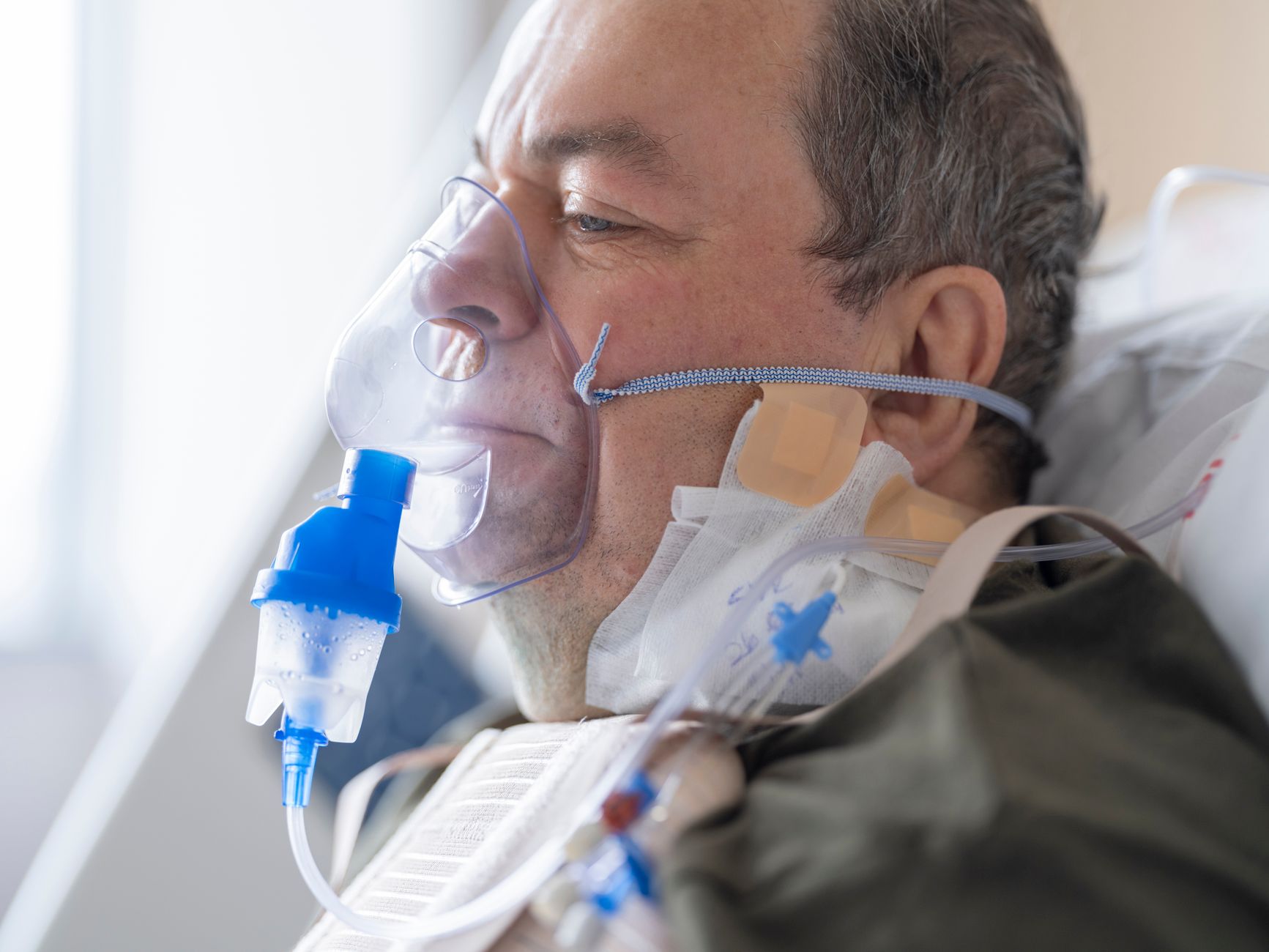
The three protocols serve distinct windows in the recovery cycle. Used as a system, they produce better results than any single method in isolation.
Morning HRV check: Take your RMSSD reading before rising. If it is more than 10% below your 7-day rolling average, treat the day as a recovery day. Reduce training intensity and add one 20-minute resonance breathing session in the afternoon.
Immediately post-training: Box breathing, five to ten minutes, placed before the cool-down sequence. Transitioning from sympathetic to parasympathetic while core temperature is still elevated accelerates the shift. This is the highest-leverage window for same-session cortisol reduction.
Evening and pre-sleep: Four to six cycles of 4-7-8 breathing within thirty minutes of your intended sleep time. Combined with light reduction, this reliably lowers heart rate and primes the ANS for the parasympathetic dominance that characterises restorative slow-wave sleep.
Rest days and recovery weeks: One 20-minute resonance breathing session per day, at a consistent time, builds the cumulative HRV training effect documented in the biofeedback literature. Lehrer and Gevirtz's 2014 data show this adaptation is measurable after four weeks of consistent practice and continues to strengthen through twelve weeks.
What you are building, session by session, is a faster recovery curve — a nervous system that transitions from sympathetic overdrive to parasympathetic repair mode more efficiently because it has practised that transition repeatedly. Your RMSSD trend line over thirty days is the objective confirmation that the system is working.
Your Next Step: A 30-Day Recovery System
This protocol is one step in a 30-day sequence. The 30-Day Biohacking Starter Guide gives you the full system, including what comes before and after this step — the HRV baselines, the training load adjustments, and the sleep protocols that make breathing work harder than it can on its own.
UP NEXT: Post-Training Nutrition for Recovery: What to Eat, When, and Why
Medical disclaimer: The content on WholeLiving is for educational purposes only and does not constitute medical advice, diagnosis, or treatment. Consult a qualified clinician before beginning any new health protocol, particularly if you have a cardiovascular condition, respiratory disorder, or are taking medication that affects heart rate or blood pressure. HRV values and ranges cited are population approximations; individual values vary substantially by age, sex, fitness level, and health status.