


Resilience shapes how you move through life when pressure feels heavy. In the first moments of struggle, resilience gives you a steady ground. You carry resilience even when adversity interrupts plans or shakes your sense of control. This guide walks beside you, showing how resilience grows through small rituals. You are not fixing yourself, you are strengthening your ability to adapt with care.
You live a full human life with changing life circumstances. Some days feel calm, while others bring stress and trauma. Resilience is not about avoiding pain. It is about responding with a steady heart and clear focus. You already hold the capacity to build resilience gently and daily.
Understanding Resilience in Daily Life

Resilience definitions often sound complex, but the meaning is simple. Resilience refers to your ability to adapt during challenges. It reflects your individual's ability to recover after adversity. The word resilience points to flexibility, not perfection. You learn to bend without breaking.
Resilience research shows it develops across multiple domains. These domains include mental health, body awareness, and social connections. Interdisciplinary perspectives explain how psychology, biology, and environment shape outcomes. You respond based on protective factors around you. These factors include support, skills, and inner belief.
The American Psychological Association explains resilience as a process. It is not a fixed trait or personality label. You can strengthen your own resilience through practice. Each choice becomes part of positive adaptation. You grow more resilient through daily experiences.
Why Resilience Matters During Adversity

Adversity arrives in many forms across life. You may face job loss, illness, or relationship changes. Traumatic events challenge your sense of safety and direction. Resilience helps you cope without losing hope. It protects your mental health during uncertainty.
Resilient people respond differently to a major setback. They recognize pain while staying connected to meaning. They allow feelings without letting negative thoughts take over. Their focus remains flexible, not rigid. This approach supports long term well being.
Research highlights resilience as a key factor in recovery. The American Psychological Association links resilience to better outcomes. You benefit from resilience when stress feels overwhelming. It does not erase hardship. It helps you move forward with purpose.
The Role of the Mind and Body

Your body carries messages during stress and trauma. Tight muscles, shallow breathing, and fatigue appear quickly. Resilience rituals include listening to the body with care. Deep breathing helps regulate anxiety and restore calm. This simple practice supports balance.
Mental health improves when you respect body signals. Enough sleep strengthens emotional control and energy. Healthy habits create a stable base for resilience. Small behaviors matter more than drastic changes. Your body responds to consistency.
Resilience research shows body awareness improves coping ability. When you slow down, your sense sharpens. You gain a good sense of what you need. This awareness helps you adapt with confidence. You stay present during challenges.
READ ALSO: Future Health Thrives on Quiet, Daily Radiance
Building Emotional Awareness and Regulation

Feelings carry information, not instructions. Resilience grows when you notice feelings without judgment. Recognizing emotions helps you respond wisely. You learn to pause before reacting. This builds emotional control.
Negative thoughts often follow adversity and trauma. You can observe them without believing every story. A positive attitude supports emotional balance. It does not deny pain or reality. It helps you choose perspective with intention.
The American Psychological Association emphasizes emotional regulation skills. These skills improve self efficacy and confidence. You learn skills through repetition and patience. Each moment of awareness strengthens your capacity. You become more resilient over time.
Strengthening Social Connections and Support

Humans heal in connection, not isolation. Social connections act as strong protective factors. You benefit from close relationships during stress. Support reminds you that you matter. It softens the weight of adversity.
Resilient people seek help without shame. They value communication and shared understanding. Email communications, calls, or quiet conversations build trust. Social resources provide emotional grounding. You are not meant to cope alone.
Research from the American Psychological Association confirms this truth. Communities support recovery and positive outcomes. You grow resilience through shared experiences. Giving support also strengthens your sense of meaning. Connection fuels hope.
Daily Rituals That Build Resilience

Daily rituals create structure during uncertainty. They help you build resilience steadily. Morning grounding sets the tone for focus. Evening reflection restores clarity and calm. Simple routines protect mental health.
Deep breathing anchors your nervous system. Gentle movement supports body awareness and quality rest. Enough sleep strengthens emotional processing. These rituals reduce stress and anxiety. They are small but powerful.
Healthy habits support resilience across multiple domains. You reinforce stability through repeated actions. Each ritual signals safety to your system. This process fosters resilience naturally. You recover faster from daily strain.
Developing Problem Solving and Perspective

Problem solving is a resilience skill you can practice. You break challenges into manageable steps. This reduces overwhelming feelings. You regain a sense of control. Clarity replaces confusion.
Perspective shapes how you interpret adversity. You ask what is within control and what is not. This distinction protects mental health. You adapt strategies rather than forcing outcomes. Flexibility strengthens resilience.
Resilience research highlights cognitive reframing benefits. You adjust perspective without denying difficulty. This supports positive adaptation. You focus on progress, not perfection. Each decision builds confidence.
Learning From Setbacks and Mistakes

Mistakes are part of the resilience process. You are not wrong for struggling. Setbacks reveal areas for growth. Recognizing lessons builds capacity and wisdom. You move forward with insight.
A major setback tests commitment and patience. You may feel doubt or frustration. Resilient responses allow reflection without self blame. You focus on learning instead of judgment. Growth follows awareness.
The American Psychological Association notes learning strengthens coping ability. You gain skills through experience. Each challenge refines your approach. You build resilience by continuing. Progress matters more than speed.
Fostering Hope and Optimism

Hope supports resilience during long recovery periods. It keeps your future in view. Optimism does not ignore reality. It trusts your ability to adapt. This mindset supports mental health.
Hope grows through meaning and purpose. You connect actions to values. Small achievements reinforce confidence. You recognize effort even when outcomes vary. This balance nurtures resilience.
Research links optimism to better stress outcomes. The American Psychological Association highlights this connection. You benefit emotionally and physically. Hope strengthens your resolve. It guides you forward.
Resilience Across Life Stages and Circumstances

Life unfolds through constant change. Resilience supports you across different life stages. Job loss, aging, or health shifts challenge identity. You adapt skills to new environments. Flexibility supports continuity.
Resilient people adjust expectations without losing self worth. They recognize shifting priorities. Resources change, but inner strength remains. You respond to life with acceptance. Adaptation becomes natural.
Resilience research emphasizes context and environment. Factors vary across cultures and communities. You draw strength from surroundings. Support systems shape outcomes. Growth continues through change.
The Role of Meaning and Purpose

Meaning anchors resilience during adversity. It gives direction during uncertainty. You connect actions to personal values. This alignment supports motivation and energy. Purpose strengthens resolve.
Resilience rituals often center on meaning. Reflection clarifies what matters most. You focus on contribution and growth. This perspective reduces fear. It fosters inner peace.
Research supports meaning as a resilience factor. The American Psychological Association recognizes its impact. You gain clarity during stress. Purpose supports recovery. It sustains long term well being.
READ ALSO: What Is Life, Meaning, and Purpose, Really?
Growing Resilience Through Nature and Environment
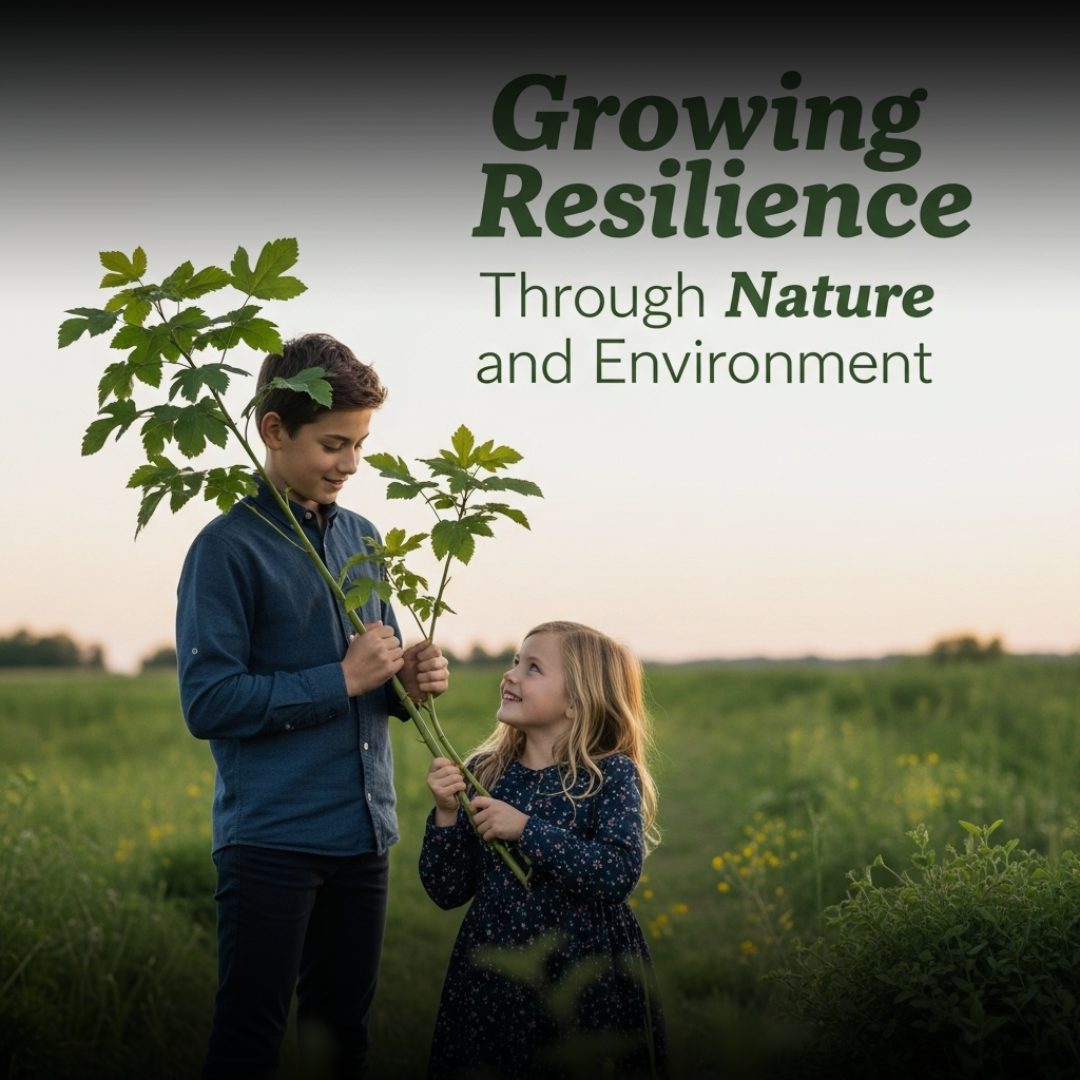
Nature offers grounding and restoration. Time outdoors supports emotional regulation. Natural environments reduce stress responses. You reconnect with a wider sense of life. Calm emerges naturally.
Resilience improves with environmental awareness. You adjust routines to support balance. Quiet spaces enhance reflection. Sensory experiences restore focus. Nature nurtures resilience gently.
Research shows nature supports mental health. The American Psychological Association acknowledges this benefit. You recover faster in supportive environments. Connection to nature strengthens coping. It promotes healing.
READ ALSO: Life Is Beautiful When Nature Helps You Heal
Moving Forward With Confidence and Care

Resilience is a lifelong process. You build resilience through daily choices. Progress appears through consistency, not force. You honor your pace and needs. Growth feels sustainable.
You hold the ability to adapt with compassion. Challenges refine skills and insight. You recover while remaining open to joy. Each experience strengthens capacity. You continue evolving.
Carry resilience rituals into your future with trust. You foster hope through mindful action. Support remains available when needed. You thrive by staying present. Your resilience supports a meaningful life.