


You want vitamin for prenatal care that feels calm and doable. Pregnancy can feel loud, so your daily prenatal vitamins should feel simple. Each vitamin choice is a small act of care for you. You are allowed to move slowly. A healthy pregnancy grows through steady habits, not pressure. Prenatal wellness is about comfort, clarity, and trust.
You will read about meals, supplements, and timing. You will also see why prenatal vitamins matter before and during pregnancy. Keep your healthcare provider close, especially with dosing.
Your prenatal baseline, without overwhelm

Prenatal vitamins help you cover gaps on tired days. Pregnancy can change your appetite and your routine. A consistent vitamin habit helps you feel more grounded. Prenatal vitamins work best when your vitamin routine is easy. Your body is building a placenta and extra blood. This vitamin habit can support that work. That work needs nutrients and minerals daily. If you are pregnant, keep the plan gentle.
Think of a prenatal vitamin as a gentle safety net. It is not a replacement for meals. It is a simple backup when your diet is uneven. You can find prenatal vitamins in most grocery stores and pharmacies. You can also find them online with more testing claims. Choose a prenatal vitamin you can keep taking.
Folic acid matters early, even before you feel pregnant

Folic acid supports the early neural tube. That structure becomes the brain and the spinal cord. Enough folic acid helps lower neural tube defects. Your folic acid needs can shift across pregnancy. This timing is why many women start taking prenatal vitamins before pregnancy. You may not know you are pregnant yet. Still, the neural tube is forming.
Folic acid is a synthetic form of folate used in many prenatal vitamins. Food folate comes from beans, greens, and citrus. Both sources can help early development. If you have higher risk factors, ask about extra folic acid. Your provider may recommend a higher dose of folic acid. This is common for some women of childbearing age.
Check this out Vykee Nutrition Folic Acid Capsules here.
Folate, methylated folate, and what “more” can mean

Some women prefer methylated folate in a prenatal vitamin. This can feel gentler for certain nutrients needs. You can talk it through with your healthcare provider. You might hear you need more folic acid in specific cases. Past birth defects or certain medicines can change the plan. Your provider may also mention extra folic acid again.
You can still build folate with food. Add lentils, spinach, and oranges to your diet. Then let prenatal vitamins cover the daily baseline. Keep the goal practical. You want steady vitamin coverage, not constant counting. That mindset protects your peace in pregnancy.
Check out this L Methylfolate 7.5mg plus Methyl B12 here.
Early tube protection, in plain language

The neural tube closes early in pregnancy. That is why folic acid shows up in every prenatal talk. It supports early structure and helps prevent neural tube defects. When you plan to conceive, think ahead. Many women start taking prenatal vitamins one to three months before they conceive. This protects the earliest weeks of pregnancy.
If you already take a daily multivitamin, check the label. Many general options have less folic acid and less iron than a prenatal. A prenatal multivitamin is built for pregnancy needs. If nausea makes pills hard, take your prenatal vitamins at night with a small snack. You still get folic acid for the neural tube and spinal cord. You also keep your routine gentle.
Vitamin D and calcium for bone health
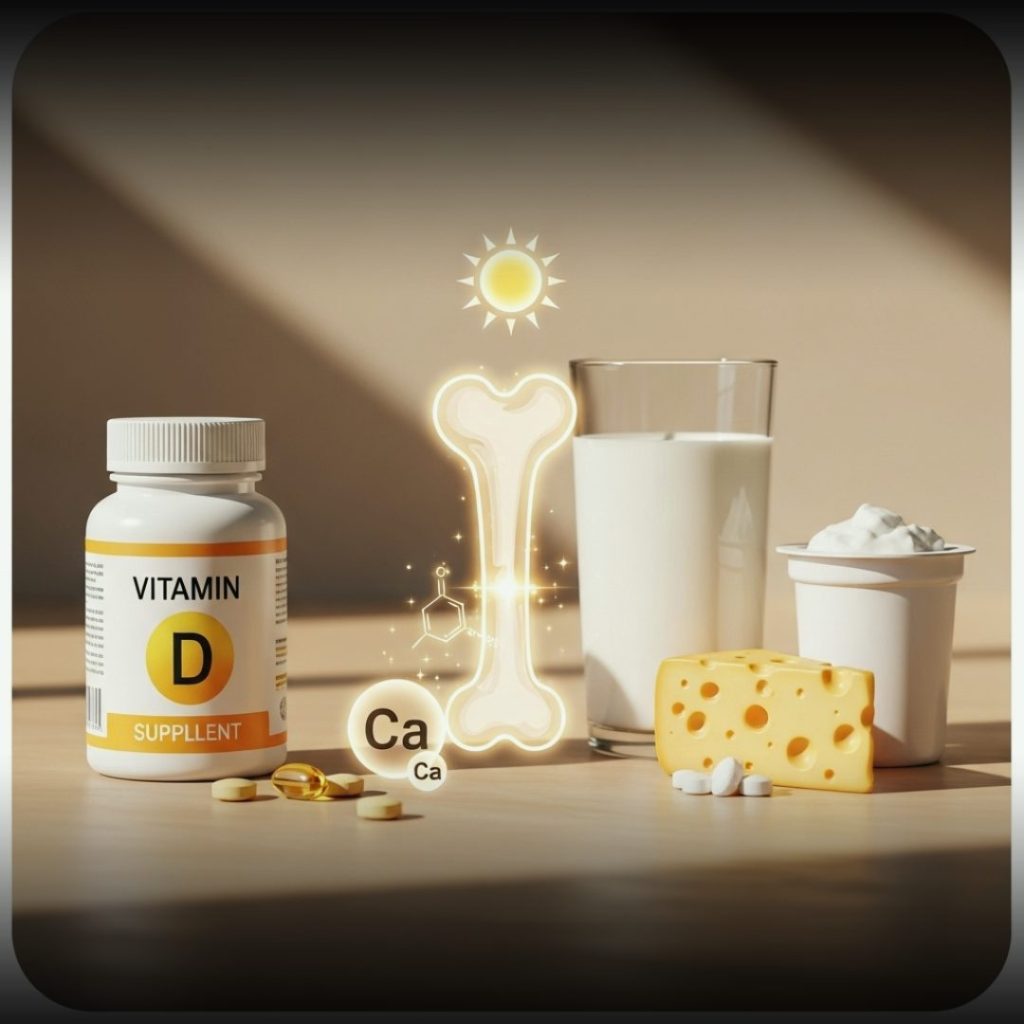
Vitamin d helps your system use calcium. Together, they help protect bone health for you. They also help build your baby's bones. Your baby will lean on bones at every stage. Many prenatal vitamins include vitamin d and some calcium. Some pregnant women still need an extra vitamin for vitamin d. Your healthcare provider can guide that.
Dairy, fortified milk, tofu, and leafy greens add calcium. Eggs and fatty fish can add vitamin d. A steady prenatal vitamin keeps gaps smaller. Keep it simple and consistent. Your bones need daily building blocks. A reliable prenatal vitamin routine helps you stay on track during pregnancy. Use food sources when you can.
Check out this ForestLeaf Vitamin D3 here.
READ ALSO: Best Vitamin D Supplement, Backed by Science
Iron, red blood cells, and feeling steadier
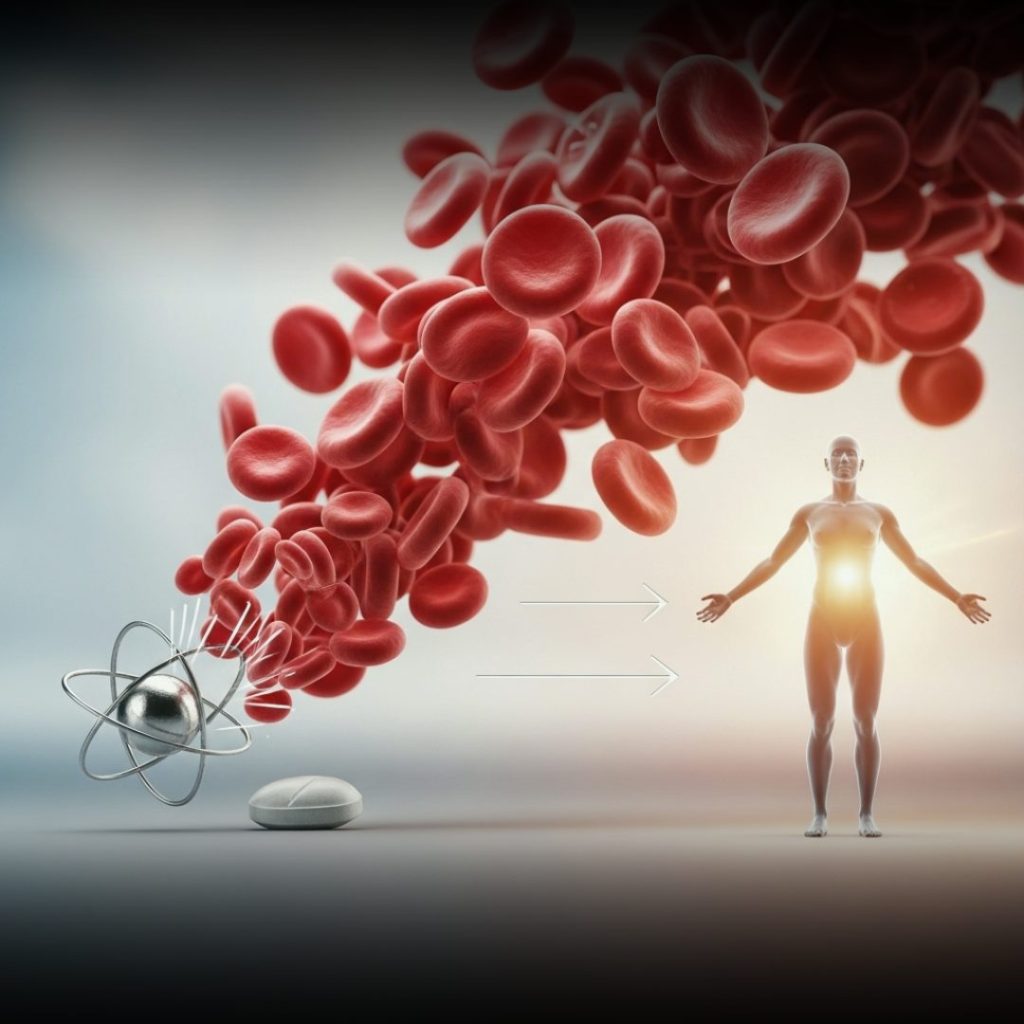
Iron helps make red blood cells. Pregnancy increases your blood volume, so iron needs rise. This change can feel big when you are pregnant. It also helps your baby get oxygen. Low iron can lead to iron deficiency and anemia. That can cause fatigue and dizziness. Prenatal vitamins often include iron to lower that risk.
Iron can upset your stomach. Pair iron with meals, and add more fiber and water. Some pregnant women discuss a stool softener with their provider. You can also raise iron through meals. Lean meat, beans, and leafy greens help. Combine iron foods with vitamin c to help absorption.
Check out this SiderAL Forte Iron Supplement here.
Vitamin C for iron use and your immune system
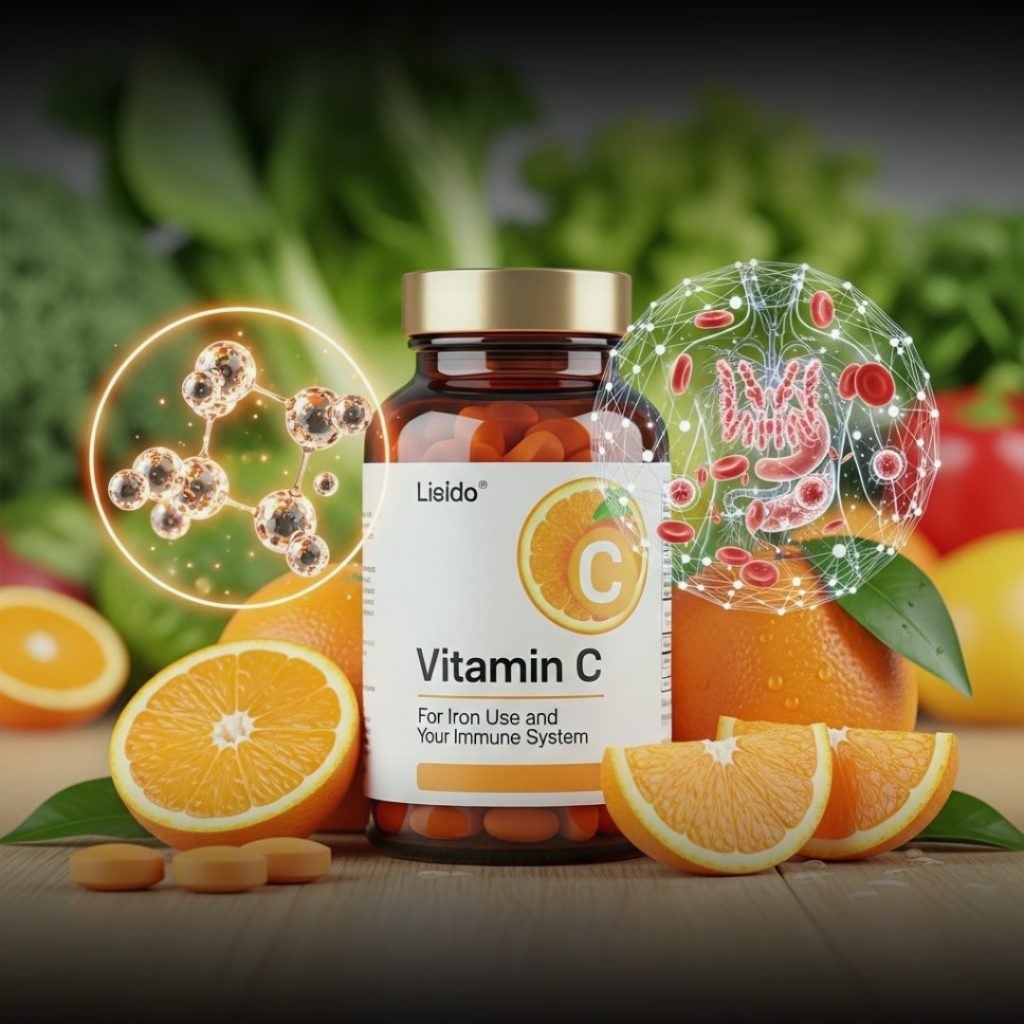
Vitamin c helps your body use iron well. This vitamin can feel like a small boost. It also supports your immune system. That makes vitamin c useful in pregnancy. Many prenatal vitamins include vitamin c. You can also get vitamin c from fruit and vegetables. These food options add vitamin c without effort. Citrus, strawberries, and peppers are easy picks.
Your skin may change as pregnancy moves along. This nutrient supports collagen, which helps skin feel more comfortable. A steady prenatal vitamin routine keeps things simple. If nausea hits, try cold fruit or smoothies. That keeps nutrition moving in a gentle way. You can stay consistent even when you feel pregnant and tired.
Check out this FlavCity Vitamin C Supplement here.
Omega 3 fatty acids for baby brain growth
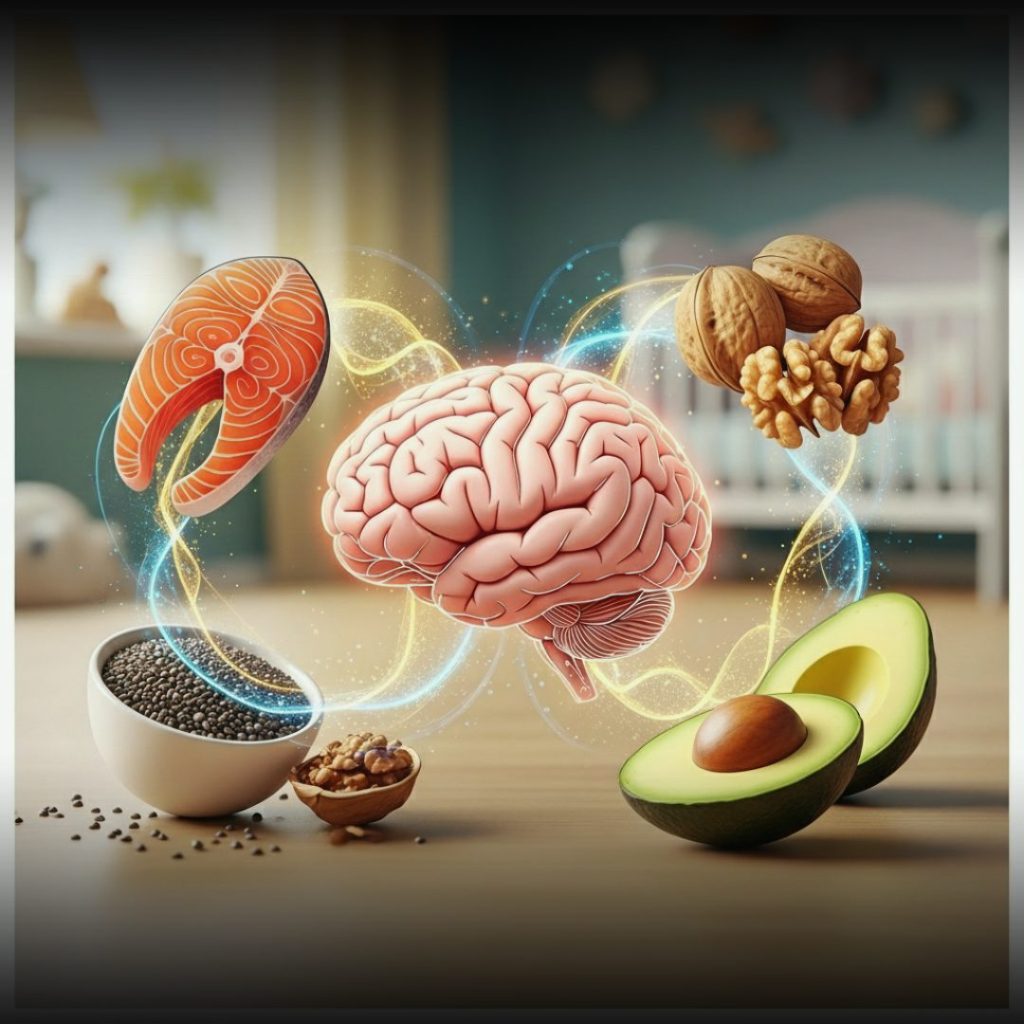
Your baby’s brain is growing fast. Omega 3 fatty acids support the fetal brain and overall brain growth. This also supports fetal brain development and healthy brain development. They also support omega 3 fatty balance in your diet. This vitamin pair can feel like quiet insurance. Some prenatal vitamins include DHA, but not all. You may use separate supplements with omega 3 fatty acids. Some prenatal vitamins also add omega 3 fatty acids. Look for clear labeling and simple ingredients.
You can also get omega 3 fatty from fish like salmon and sardines. Choose lower mercury fish when you can. Your healthcare provider can help with safe choices for your body. If you get fish burps, take omega with meals. You can also switch brands or formats. Comfort helps you stay consistent with supplements.
Check out this Triple Strength Omega 3 Fish Oil here.
Vitamin A, iodine, choline, and other nutrients
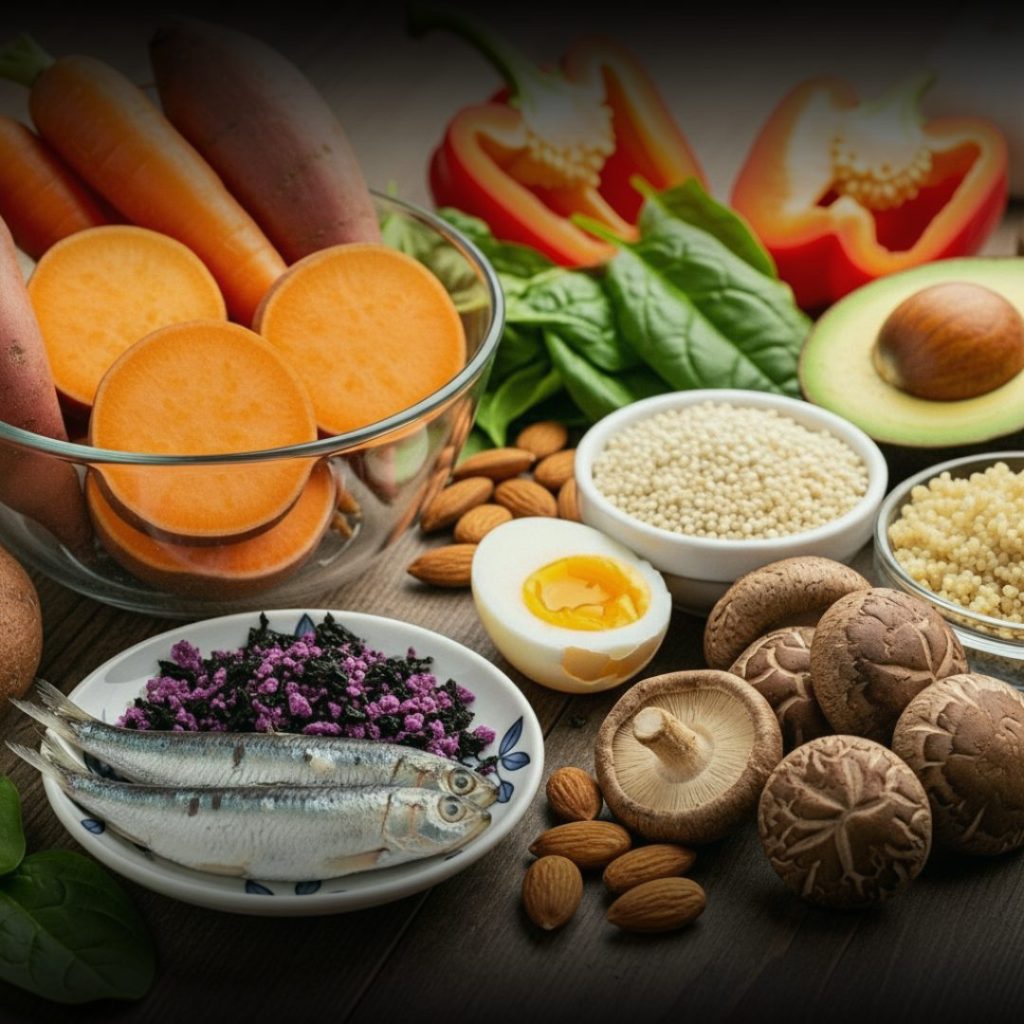
Vitamin a supports vision and immune health. It also plays a role in skin renewal. Pregnancy needs balance, because too much can raise risk. Most prenatal vitamins include vitamin a in safe amounts. Food sources include eggs, dairy, and orange vegetables. Avoid adding extra vitamin a supplements without guidance.
Iodine supports thyroid function in pregnancy. Thyroid health affects growth and development. Check that your prenatal vitamins include iodine. Choline supports the fetal brain and the placenta. Some women need more choline from meals. Other nutrients like zinc and magnesium may matter too.
Check out this NATURELO One Daily Multivitamin for Women here.
B vitamins, key nutrients, and what you are building
You may see b vitamins listed on a prenatal label. They help with energy pathways in your system. They also help steady nutrition in pregnancy. Pregnancy asks you to build new tissue daily. It builds the placenta, more blood, and a growing baby. That work needs nutrients and minerals every day.
These are essential nutrients and key nutrients for many pregnant women. They include iron, folate, vitamin d, and iodine. They also include calcium and omega fats. A healthy diet still matters. Meals bring fiber and satisfaction. Your prenatal supplements are there to help, not replace meals.
Check out this NATURELO Vitamin B Complex here.
READ ALSO: Vitamin B2 Benefits You Might Be Overlooking
Choosing supplements with lower heavy metals risk
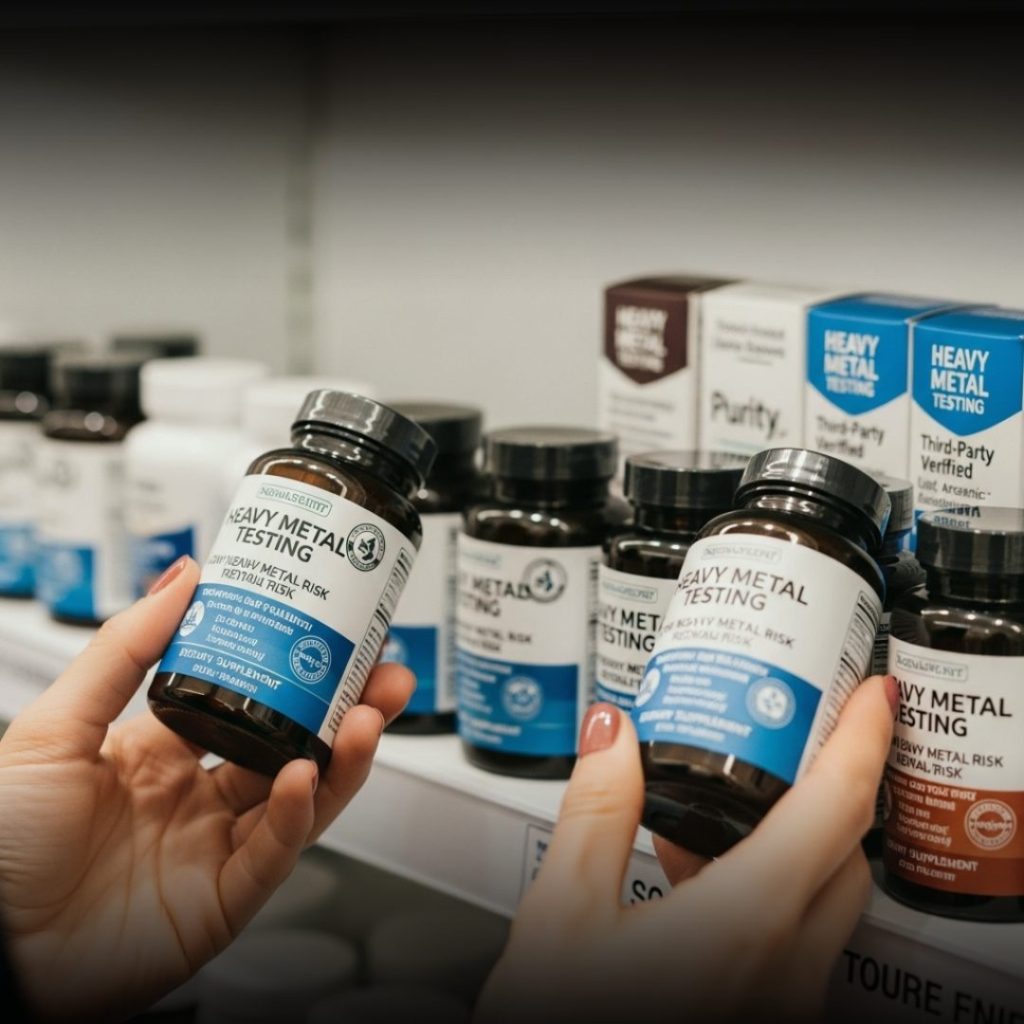
Quality matters with supplements. Some brands use third party checks for heavy metals. Heavy metals can include lead, arsenic, and mercury. You may see clean label project testing or a purity award seal. These terms can point to extra screening. Ask your healthcare provider how to read them.
You can still find good prenatal options in grocery stores. Pick a prenatal label you understand. A simple vitamin label reduces guesswork. That reduces stress in pregnancy. If you buy online, check the fine print. Make sure you can cancel anytime. Flexibility matters when you are pregnant.
Timing, higher dose needs, and staying consistent

Consistency beats perfect timing. Take your prenatal vitamins with meals if your stomach is sensitive. Many pregnant women prefer dinner or bedtime. Some pregnant women need a higher dose of vitamin d or folic acid. Some also need more iron, based on blood tests. Your healthcare provider will guide this.
If you miss a day, do not panic. Take your next prenatal vitamin dose as usual. One missed vitamin day will not erase your progress. If you are trying to conceive, keep your prenatal vitamin routine now. This helps the earliest weeks of pregnancy. It can also lower the risk of neural tube defects. This step can reduce neural tube defects concerns early.
Diet, meals, and all the nutrients in real life
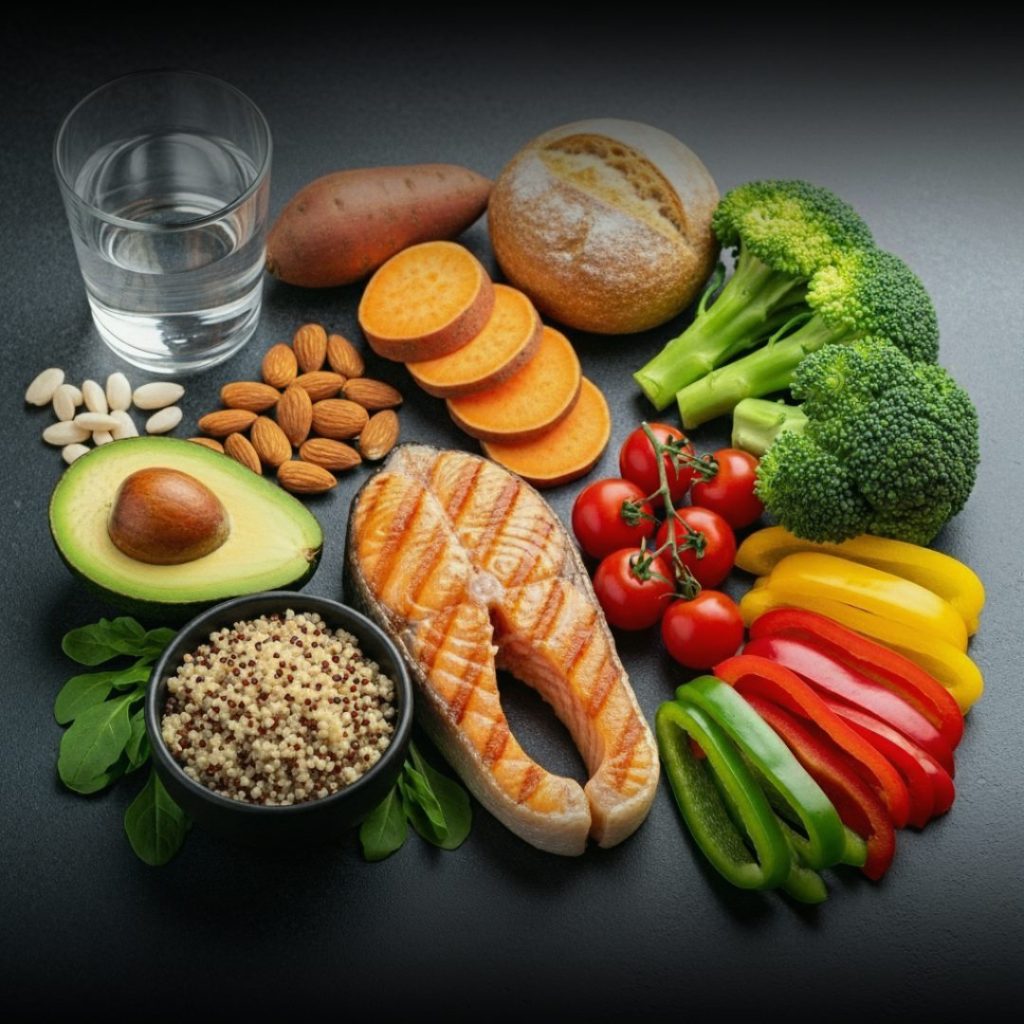
Try to build meals you can repeat. Let food feel friendly, not strict. Add protein, produce, and whole grains. Then add prenatal supplements as your safety net. Meals can help with fetal growth in a steady way. Food can also steady your energy when you are pregnant. Protein, iron foods, and calcium foods all help. Your diet can be simple and still strong.
Aim for all the nutrients through a mix of meals and prenatal vitamins. You do not need perfect plates. You need consistent nutrition for pregnancy. This helps your baby day after day. Frozen produce, canned beans, and quick proteins can help. These are easy to find in grocery stores. Simple choices support a calmer day.
READ ALSO: Total Parenteral Nutrition, Explained Simply
A nurturing close for a healthy baby

You are doing something brave and beautiful. Pregnancy is a season of growth and change. Your prenatal vitamin routine can be your steady anchor. Let it support your rest. Choose prenatal vitamins that fit your life and your budget. Keep folic acid in focus for the neural tube and spinal cord. Keep iron steady to help blood and energy.
Add vitamin d and calcium for bones, and omega fats for brain growth. This can guide brain development over time. These choices can help a healthy baby and a healthy pregnancy. Keep your healthcare provider involved through pregnancy, birth, and beyond. When you care for yourself, you care for your baby. Your body deserves that vitamin kindness. When you keep things simple, you protect your peace. You are allowed to do this your way.