What Is the Ameba Eating Brain Threat?
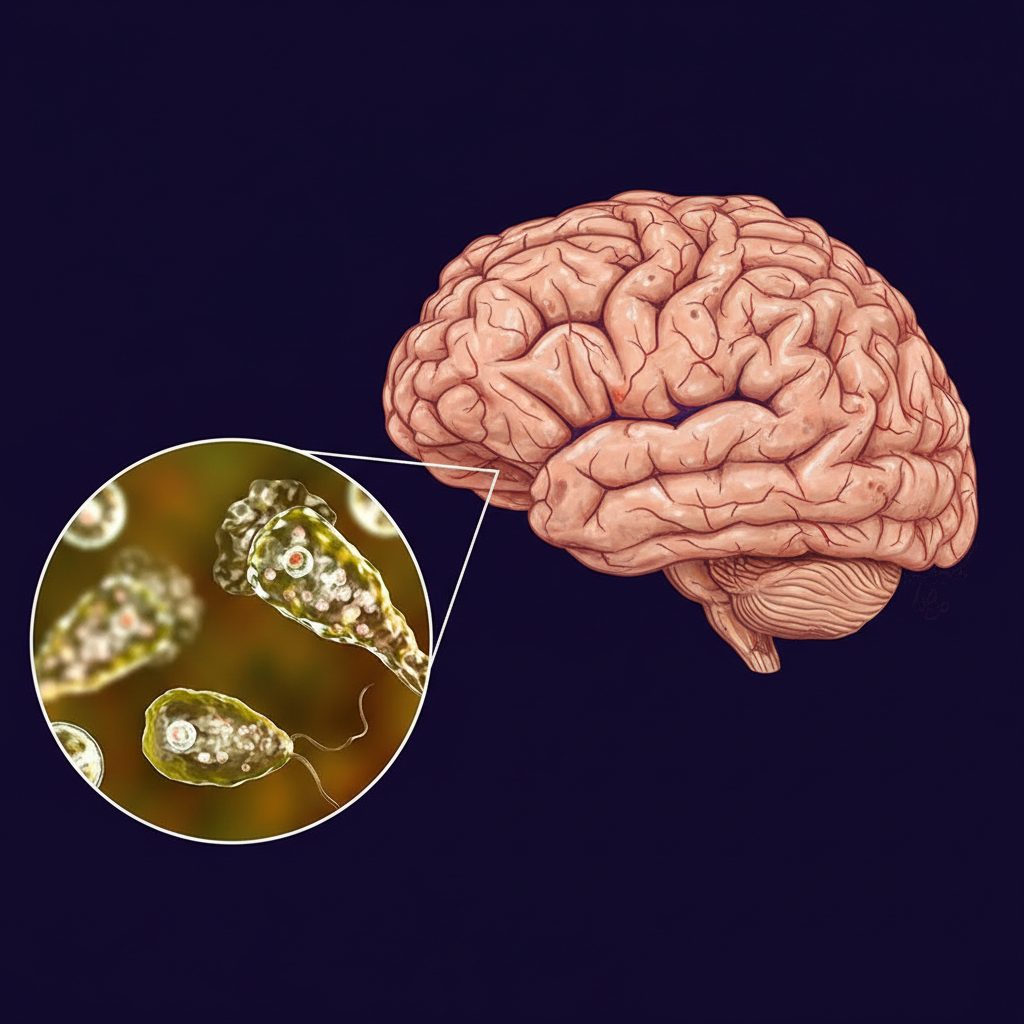
Let us get straight to it. The phrase ameba eating brain sounds like a horror movie, but the danger is real. The brain eating amoeba known as Naegleria fowleri is a free living ameba that can cause a severe infection in the brain. Although this illness is extremely rare, it deserves serious attention because the fatality rate is very high.
Many people panic when they hear about this one celled organism, and honestly, I get it. However, knowledge is power. When you understand how Naegleria fowleri infects people, you can make smart choices and protect yourself. So yes, stay alert but do not spiral into fear mode.
READ ALSO: Brain Stem Health for Everyday Vitality
Meet Naegleria fowleri: The Free Living Ameba

First things first. Naegleria fowleri is a free living organism commonly found in warm freshwater and soil. This free living ameba thrives when temperatures rise, especially during the summer months. It is often present in warm freshwater lakes, rivers, and hot springs.
Now here is the key factor you must remember. The amoeba lives naturally in the environment and does not usually target humans. Infection happens only in rare cases when water containing Naegleria fowleri enters the nasal cavity. In other words, your nose is the main doorway.
Where the Brain Eating Amoeba Is Commonly Found

If you love swimming outdoors, listen closely. The brain eating ameba is commonly found in warm freshwater, including lakes rivers and hot environments. It can also appear in poorly maintained swimming pools and geothermal water sources.
In addition, warm fresh water areas like rivers and hot springs create ideal conditions for this free living microbe. Lower water levels and higher water temperatures can increase risk because the organism multiplies faster. Still, remember that infection remains rare even in these locations.
How Naegleria fowleri Infection Occurs
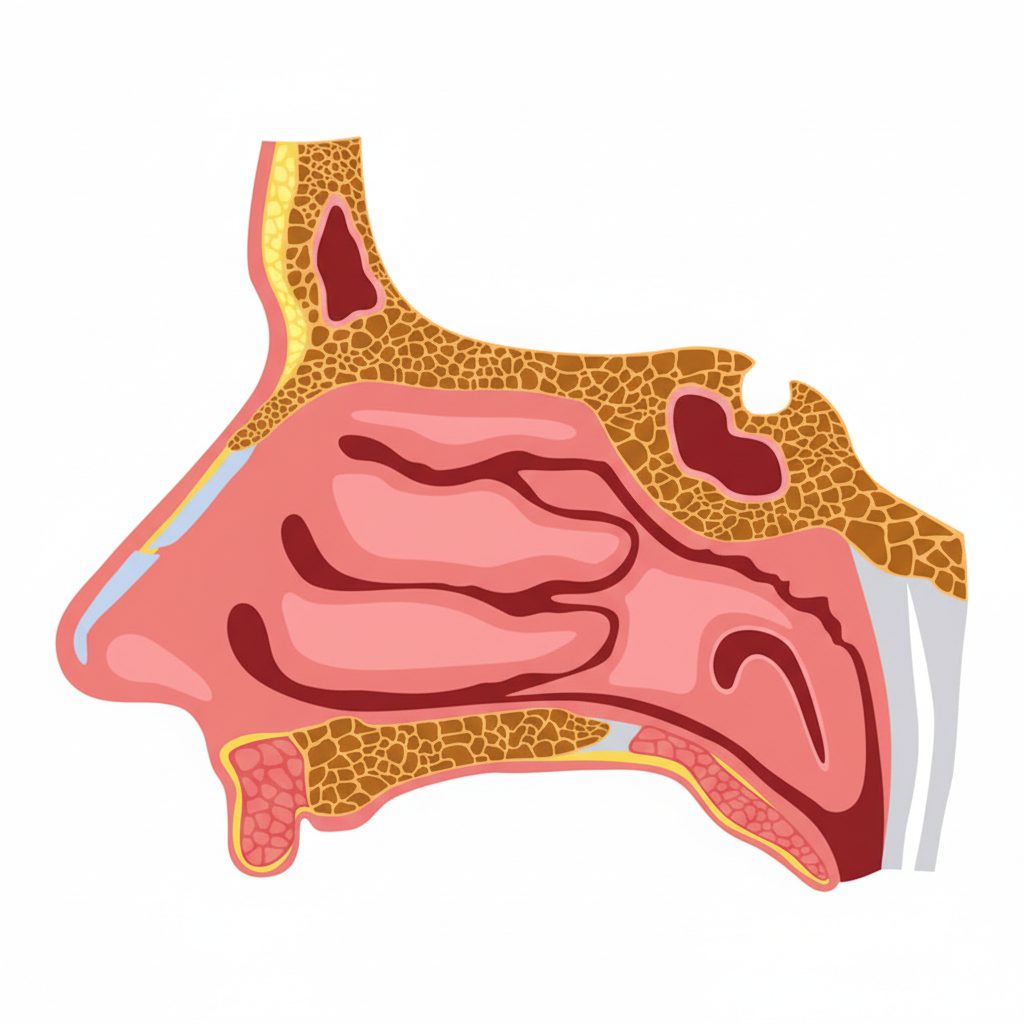
Let me be very clear. The infection occurs when contaminated water forcefully enters the nose. Drinking contaminated water does not cause the illness, and swallowing water is not the main concern. The danger begins when Naegleria fowleri enters through the nasal passages.
Once inside, this free living ameba travels along the nasal passages toward the brain. It then begins damaging brain tissue, leading to a deadly infection called primary amebic meningoencephalitis. I know, the name is a mouthful, but understanding it matters.
Understanding Primary Amebic Meningoencephalitis PAM

The condition caused by Naegleria fowleri is called primary amebic meningoencephalitis PAM. Medical experts sometimes describe it as amebic encephalitis because the infection inflames the brain tissue rapidly.
This infection called primary amebic disease progresses quickly and can resemble bacterial meningitis at first. According to disease control and prevention experts, early recognition is critical. Unfortunately, because the disease is rare, diagnosis often happens late.
READ ALSO: Signs of a Brain Tumor: What to Notice Early
Early Symptoms You Should Never Ignore

Here is where you need to pay attention. In the early stages, symptoms begin with headache, fever, nausea, and vomiting. Early symptoms may also include a stiff neck and sensitivity to light. At this point, many people mistake the illness for common meningitis.
However, do not brush these signs aside if recent warm freshwater exposure occurred. If symptoms escalate after swimming in warm freshwater lakes or rivers, contact a healthcare provider immediately. Quick action can be lifesaving.
READ ALSO: Neurowave Body-Mind Connection: Unlock Your Full Potential
Later Symptoms and Rapid Progression

As the infection advances, later symptoms become much more severe. People may experience confusion, seizures, loss of balance, and changes in mental status. The brain becomes severely inflamed as the organism destroys brain tissue.
Sadly, the disease progresses fast once the brain eating amoeba reaches deeper brain areas. Many infected patients require emergency room care within days. That is why awareness is not optional. It is essential.
Who Is Most at Risk?

Let me bust a myth right away. Anyone can become infected, but statistics show young males are affected more often. This pattern likely connects to higher participation in water activities like diving and water skiing.
People who swim in warm freshwater lakes, rivers, and hot springs during summer months face higher exposure risk. Residents in southern regions report more cases, but northern states have seen rare cases too. Bottom line, no region gets a free pass.
READ ALSO: Relieve Eye Stress: Simple Rituals That Really Work
Smart Prevention That Actually Works

Now we are talking about something empowering. Prevention is very possible if you use common sense and a little preventive medicine mindset. First, avoid putting your head underwater in untreated warm freshwater whenever possible.
Second, use nose clips or hold your nose shut when jumping or diving. Avoid digging or stirring up soil at the bottom of lakes and rivers because the free living ameba often lives there. These simple habits dramatically reduce risk.
Tap Water Safety and Nasal Care
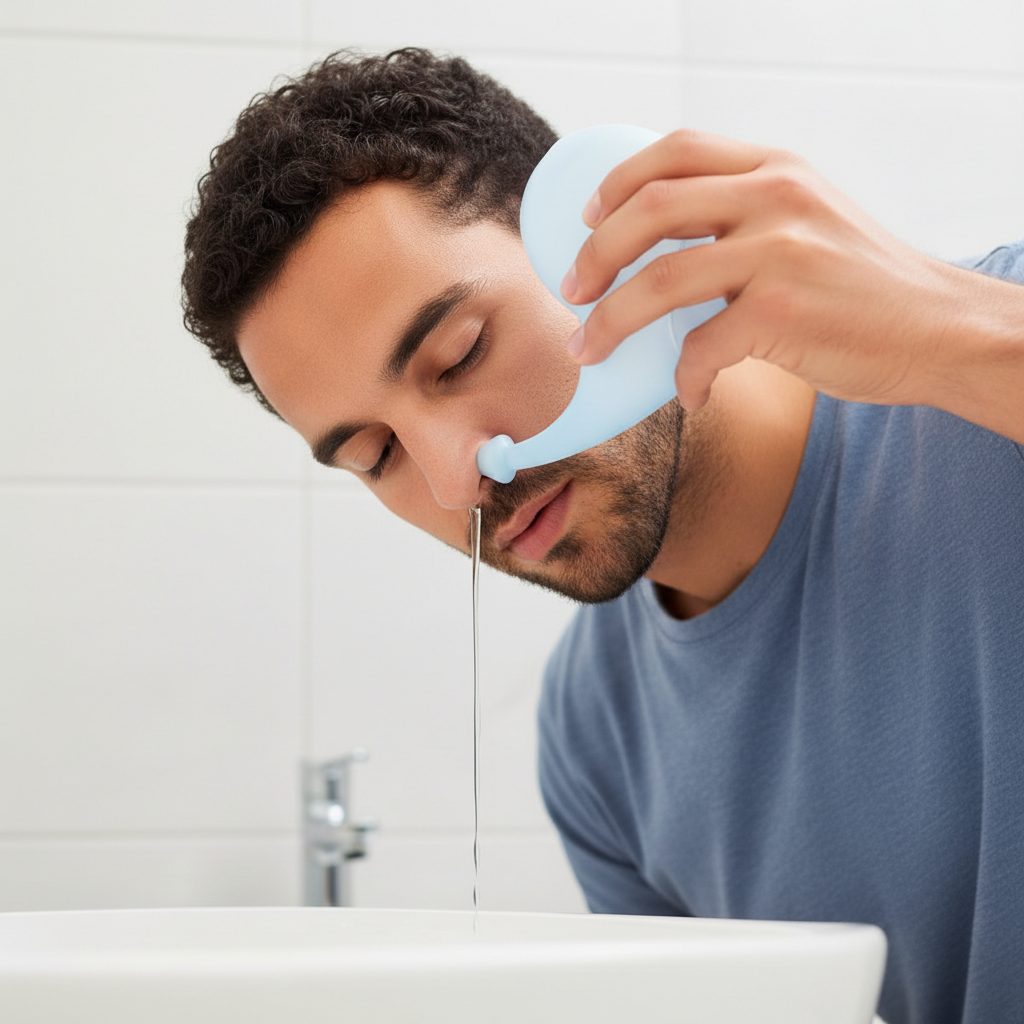
Here is a detail many people miss. Naegleria fowleri has rarely been linked to tap water used in nasal rinsing. Therefore, always use distilled, sterile, or properly boiled water for sinus rinses. Never use untreated tap water directly in nasal passages.
If you must use tap water, check proper filtration using an absolute pore size of one micron or smaller. This step helps remove the free living organism. Again, we are talking about prevention, not panic.
Diagnosis and Medical Treatment Options

When doctors suspect a naegleria fowleri infection, they examine cerebrospinal fluid for signs of the organism. Rapid diagnosis is crucial because the infection moves fast inside the brain.
Treatment usually involves aggressive antimicrobial agents and supportive hospital care. Although the fatality rate remains high, there has been at least one documented successful treatment. Therefore, early medical care from a healthcare provider gives the best chance.
Final Thoughts: Stay Aware but Not Afraid

Let me leave you with some real talk. The brain eating amoeba is frightening, but this is still a rare disease. Millions of people enjoy fresh water activities every year without becoming infected.
Stay informed, practice smart prevention, and respect warm freshwater environments. When you balance awareness with calm judgment, you stay safe without unnecessary fear. And honestly, that is the energy we are bringing into every swim season.