The gap between a “normal” lab result and a longevity-optimised one is where cardiovascular disease and metabolic dysfunction often develop — silently, over decades. A standard lipid panel can return a normal LDL-C while ApoB (apolipoprotein B, the total count of atherogenic lipoprotein particles) tells a substantially different story. For Singaporeans, this distinction is practical: knowing which biomarkers your funding pathway covers — and which require a private laboratory and out-of-pocket payment — determines whether your annual panel costs $5 SGD or $200 SGD, and whether you leave the polyclinic with the information you actually need.
Singapore's healthcare system provides three distinct routes to biomarker testing: Screen for Life, the national screening programme run by the Health Promotion Board (HPB); CHAS (the Community Health Assist Scheme) subsidies at polyclinics and participating GP clinics; and self-funded testing at private laboratories. Each covers a different slice of the biomarker spectrum. This article maps all three.
Planning Your Biomarker Testing in Singapore: Three Funding Pathways

Before booking anything, identify which funding pathway applies to you. The three routes differ in eligibility, covered markers, and cost structure — and knowing their limits upfront prevents a wasted session where you still leave without the numbers you came for.
- Screen for Life (HPB): Free or $5 SGD (2026) per session for Singapore Citizens and Permanent Residents at polyclinics and participating CHAS GP clinics. Covers core metabolic markers. The starting point for every Singaporean regardless of income.
- CHAS subsidies: Means-tested scheme for Singapore Citizens. Reduces or eliminates consultation fees and some test co-payments at polyclinics and CHAS-accredited GP clinics, stacking on top of Screen for Life benefits.
- Private laboratory testing: No subsidy. Full out-of-pocket cost. The only route for longevity-optimised markers — ApoB, Lipoprotein(a) [Lp(a)], high-sensitivity C-reactive protein (hsCRP), and fasting insulin — that fall outside the standard clinical panel.
The distinction between pathways matters because standard clinical panels are calibrated to detect disease thresholds, not to identify the ranges associated with lowest long-term cardiovascular and metabolic risk. The research suggests that ApoB reclassifies cardiovascular risk in a meaningful proportion of individuals who appear low-risk by LDL-C alone, per published analyses in JACC (Journal of the American College of Cardiology) — yet ApoB is not part of any publicly funded Singapore screening panel as of 2026.
READ ALSO: ApoB vs. LDL-C: Which Cholesterol Marker Actually Predicts Your Cardiovascular Risk
CHAS-Subsidised Biomarker Tests at Your Local Polyclinic
CHAS eligibility is means-tested by per-capita household monthly income. Current thresholds, published by MOH, define three tiers for Singapore Citizens:
- CHAS Blue: Per-capita household income ≤$1,100 SGD/month (or annual value of home ≤$13,000 SGD). Highest subsidy tier.
- CHAS Orange: Per-capita household income $1,101–$2,000 SGD/month. Mid-tier subsidy.
- Pioneer Generation / Merdeka Generation: Enhanced subsidies regardless of income via a separate card, for eligible Singapore Citizens born before 1950 (PG) or between 1950 and 1959 (MG) who meet residency criteria.
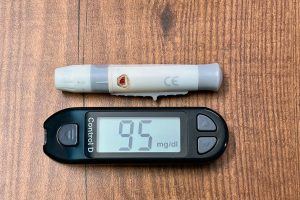
At polyclinics, a subsidised consultation for a Singapore Citizen without CHAS typically runs $5–$19 SGD (2026). CHAS Blue cardholders pay effectively $0 for GP consultations at participating CHAS GP clinics. Standard blood tests ordered during the consultation — the full lipid panel, fasting glucose, HbA1c (glycated haemoglobin, a three-month blood sugar average), eGFR (estimated glomerular filtration rate, a measure of kidney function), and liver enzymes — are subsidised as part of the clinical workflow.
What the subsidised polyclinic panel includes:
- Total cholesterol
- LDL-C (low-density lipoprotein cholesterol)
- HDL-C (high-density lipoprotein cholesterol)
- Triglycerides
- Fasting blood glucose
- HbA1c
- eGFR
- Blood pressure measurement
- Urine albumin-to-creatinine ratio (for those with diagnosed diabetes or hypertension)
What CHAS does not cover: ApoB, Lp(a), hsCRP, homocysteine, fasting insulin. These require out-of-pocket payment at a private laboratory regardless of your CHAS tier.
Free HPB Screening: What's Available and Who Qualifies

Screen for Life, the HPB's national screening programme, is the most accessible entry point for metabolic biomarker testing in Singapore. CHAS cardholders pay $0; non-CHAS Singapore Citizens and Permanent Residents pay $5 SGD (2026) per session. Current eligibility criteria are published on the HPB Screen for Life page and are reviewed periodically — verify before booking.
2026 eligibility by marker type:
- Diabetes screening (fasting glucose + HbA1c): Singapore Citizens and PRs aged 18 and above. Frequency: every three years if results are normal; annually if at risk.
- Hypertension screening (blood pressure): Singapore Citizens and PRs aged 18 and above.
- Lipid (cholesterol) screening: Singapore Citizens and PRs aged 35 and above, or earlier if clinically indicated.
The Screen for Life lipid panel covers total cholesterol, LDL-C, HDL-C, and triglycerides. This is clinically necessary but incomplete from a longevity standpoint. The research suggests that LDL-C can underestimate atherogenic particle burden in people with elevated triglycerides or insulin resistance — a pattern common in Singapore given the glycaemic load of many hawker dishes. Furthermore, Lp(a) — a genetically determined lipoprotein subtype — contributes independently to cardiovascular risk and is captured by no current publicly funded Singapore screening. Research in The Lancet has established that elevated Lp(a) remains a significant cardiovascular risk factor even when LDL-C is well controlled. Unlike LDL-C, Lp(a) does not respond to diet or exercise; knowing your number primarily informs how aggressively your clinician should manage the markers you can change.
READ ALSO: HbA1c and Blood Glucose: Understanding Longevity-Optimised Ranges vs. Clinical Normal
Clinical vs. longevity-optimised ranges for standard Screen for Life markers:
| Marker | Standard clinical range | Longevity-optimised range | The gap |
|---|---|---|---|
| LDL-C | <3.4 mmol/L | <1.8 mmol/L | 1.6 mmol/L — the zone where arterial plaque accumulates without triggering a clinical flag |
| HbA1c | <6.0% (non-diabetic) | <5.3% | 0.7 percentage points — upper “normal” overlaps with progressively declining insulin sensitivity in cohort data |
| Fasting glucose | 3.9–6.0 mmol/L | 4.4–5.0 mmol/L | The upper end of the clinical range correlates with early metabolic dysfunction in observational studies |
| Triglycerides | <1.7 mmol/L | <1.0 mmol/L | Elevated triglycerides mask LDL-C risk, particularly in populations with higher carbohydrate intake |
Out-of-Pocket Biomarker Tests: 2026 Pricing and Private Labs

The markers that most distinguish a standard clinical workup from a longevity-optimised panel are all self-funded. None are available through Screen for Life; most require explicit request even at private consultations. You can combine all of them in a single fasting blood draw, which makes the per-visit cost reasonable relative to the information value.
The research confirms that hsCRP is a clinically validated cardiovascular risk predictor. The JUPITER trial, published in NEJM in 2008 (Ridker et al.), demonstrated that individuals with low LDL-C but elevated hsCRP (≥2.0 mg/L) had significantly higher cardiovascular event rates — a finding that repositioned hsCRP from a supplementary marker to a primary risk stratification tool. Per NIH guidance, hsCRP below 1.0 mg/L indicates low cardiovascular risk; 1.0–3.0 mg/L indicates moderate risk; above 3.0 mg/L indicates elevated risk. When requesting this test for longevity purposes, specify high-sensitivity CRP — standard CRP is calibrated for acute infections and is not interchangeable with hsCRP for cardiovascular risk assessment.
READ ALSO: Lipoprotein(a): The Silent Cardiovascular Risk Factor Most Singaporeans Have Never Tested
Out-of-pocket longevity biomarker pricing at Singapore private labs (approximate 2026 SGD — verify current pricing directly with your chosen laboratory before booking):
| Marker | Standard clinical range | Longevity-optimised range | Estimated cost (SGD, 2026) |
|---|---|---|---|
| ApoB | <1.0 g/L | <0.65 g/L | $40–$65 SGD (2026) |
| Lipoprotein(a) [Lp(a)] | <75 nmol/L | <50 nmol/L | $55–$85 SGD (2026) |
| hsCRP (high-sensitivity C-reactive protein) | <10 mg/L (general inflammation) | <1.0 mg/L (cardiovascular risk) | $25–$45 SGD (2026) |
| Homocysteine | <15 µmol/L | <10 µmol/L | $35–$55 SGD (2026) |
| Fasting insulin | 2–25 mIU/L (lab-dependent) | 2–6 mIU/L | $20–$40 SGD (2026) |
Private laboratories with direct-access booking in Singapore include Raffles Medical, Parkway Laboratory, and Mount Elizabeth Novena. Many allow you to order longevity markers without a GP referral. For fasting markers — ApoB, Lp(a), fasting insulin, and fasting glucose — plan a morning appointment after a 10-hour fast and combine all markers in a single draw to reduce cost and inconvenience.
Preliminary research indicates that homocysteine has a possible association with cardiovascular and neurological risk via folate and B12 metabolism pathways, but the evidence base for treating elevated homocysteine as a standalone intervention target is less consistent than for ApoB or Lp(a). Treat it as a secondary screening signal. Consult your clinician before making any protocol decisions based on homocysteine results.
READ ALSO: hsCRP and Inflammation: What Your C-Reactive Protein Level Is Actually Telling You
How to Access Each Pathway: Step-by-Step

- Check your CHAS status. Log in to the Singpass app or visit the MOH website to verify your card tier. If eligible but not yet enrolled, apply online — there is no cost to apply.
- Book a Screen for Life appointment. Use the HealthHub portal to book at your nearest polyclinic or a participating CHAS GP clinic. For any lipid or glucose testing, fast for 9–12 hours beforehand.
- Review results against longevity-optimised ranges. The polyclinic flags results as “normal” or “abnormal” against clinical thresholds. Cross-reference your numbers against the longevity-optimised ranges in the tables above — the two assessments frequently differ in clinically meaningful ways.
- Identify your longevity-marker gaps. If your LDL-C sits between 1.8 and 3.4 mmol/L, ApoB is the logical next question. If you have a family history of premature cardiovascular disease, Lp(a) is the priority. Discuss with your polyclinic clinician which private tests are indicated before paying for the full set simultaneously.
- Book private lab tests for out-of-panel markers. Most private laboratories publish fee schedules online and accept direct bookings. Combine all longevity markers in a single fasting blood draw to avoid repeat fasting visits.
- Return to your polyclinic for a follow-up discussion. Polyclinic clinicians can interpret ApoB and Lp(a) results in a cardiovascular risk context — bring your private lab printout and ask specifically about risk stratification. The American Heart Association's cholesterol guidance provides a useful framework for that conversation. If your clinician is unfamiliar with ApoB targets, request a cardiology referral through the standard polyclinic referral pathway.
Testing FAQs: Common Questions About Singapore Biomarker Screening

Can I get ApoB tested at a polyclinic?
Not through Screen for Life or CHAS subsidies — ApoB is not part of the standard subsidised panel as of 2026. A polyclinic clinician can technically order it, but you will pay the private rate for the test regardless. The practical alternative is a direct-access private laboratory, which avoids the consultation fee and lets you request the full longevity panel in one visit.
Does Screen for Life cover Permanent Residents?
Yes. Screen for Life is available to both Singapore Citizens and Permanent Residents. The $5 SGD (2026) fee applies to PRs who do not hold a CHAS card. CHAS itself is limited to Singapore Citizens.
My polyclinic flagged my cholesterol as normal, but my LDL-C is 2.8 mmol/L. Should I be concerned?
A result of 2.8 mmol/L falls within the standard clinical “normal” range but sits above the longevity-optimised threshold of <1.8 mmol/L. Whether that gap warrants clinical action depends on your complete cardiovascular risk profile — ApoB, Lp(a), blood pressure, family history, and metabolic markers all contribute. The Mayo Clinic's cholesterol overview and the Cleveland Clinic's LDL-C guidance provide useful context on what these thresholds mean in practice. This is a conversation for your clinician, using the longevity-optimised ranges as the basis rather than the printout's green flag.
Is Lp(a) worth testing if there is no lifestyle intervention for it?
Yes, for two reasons. First, Lp(a) is independently predictive of cardiovascular risk and changes your clinical risk category even when all other markers appear optimal. Second, knowing your Lp(a) informs how aggressively your clinician should manage the markers you can change — ApoB, LDL-C, and blood pressure chief among them. As Lp(a) is largely genetically determined and does not shift meaningfully with lifestyle change, you only need to measure it once in your lifetime unless you are enrolled in a clinical programme that specifically targets it.
Download the 30-Day Biohacking Starter Guide: Your Complete Testing Timeline
This list comes from Week 1 of the guide. Download the full 30-day plan to see how it all fits together — including what to do with your results once you have them, and how biomarker testing sequences into the protocol weeks that follow.