Cardiovascular disease accounts for approximately 28–30% of all deaths in Singapore, according to MOH annual mortality statistics. Against that backdrop, a structured sauna protocol is one of the few non-pharmacological interventions with a clear dose-response relationship and cardiovascular outcome data spanning two decades. This is not sauna as post-workout relaxation — it is a controlled thermal stressor with measurable effects on arterial stiffness, cardiac output, and all-cause mortality risk.
Most Singaporeans who access sauna facilities — in condominium amenity rooms, ActiveSG gyms, or private clubs — treat them as an occasional wind-down. The research suggests that framing significantly undersells what structured thermal exposure achieves, and substantially overestimates what casual, infrequent use produces. Frequency, duration, and temperature all interact. Getting one variable right while neglecting the others dilutes the outcome considerably.
Why Sauna Protocols Support Longevity
The strongest evidence comes from the Kuopio Ischaemic Heart Disease (KIHD) Risk Factor Study, a prospective Finnish cohort that followed 2,315 middle-aged men for 20 years. The research confirms, as reported by Laukkanen et al. in JAMA Internal Medicine (2015), that sauna frequency is inversely associated with fatal cardiovascular events and all-cause mortality in a dose-dependent pattern:
| Sauna frequency | Cardiovascular mortality outcome vs. 1× per week |
|---|---|
| 1× per week | Reference group (baseline risk) |
| 2–3× per week | ~22% lower risk of fatal cardiovascular disease |
| 4–7× per week | ~63% lower risk of sudden cardiac death; ~48% lower risk of fatal cardiovascular disease |
The gap between 1× per week and 4–7× per week is the protocol. Sauna use at 80–100°C elevates core temperature by 1–2°C, producing an acute cardiovascular response — heart rate rises to 100–150 beats per minute, cardiac output increases, and peripheral vasodilation reduces vascular resistance. Over repeated exposures, the endothelium (the single-cell inner lining of blood vessels that regulates vascular tone and inflammation) adapts to these transient stresses, improving its function and reducing arterial stiffness.
Arterial stiffness is measured as pulse wave velocity (PWV) — the speed at which the pressure wave from each heartbeat travels through the arterial tree. It is a direct, independent marker of vascular ageing. The gap between the standard clinical threshold and the longevity-optimised target represents years of subclinical stiffening that standard clinical care does not act on:
| Marker | Standard clinical threshold | Longevity-optimised target | The gap |
|---|---|---|---|
| Carotid-femoral PWV (arterial stiffness) | < 10 m/s — no cardiovascular intervention triggered (ESC/ESH 2018 Hypertension Guidelines) | ≤ 8 m/s — lower tertile in healthy middle-aged adults in prospective cohort data | 2 m/s of subclinical arterial stiffening, accumulated silently over years before any clinical threshold is crossed — this is the range where the protocol operates |
The KIHD cohort data is consistent with improved endothelial function and reduced arterial stiffness in regular sauna users, supporting the argument that thermal stress drives part of the adaptive mechanism rather than simply correlating with it.
Thermal Stress and Heat Shock Protein Signalling
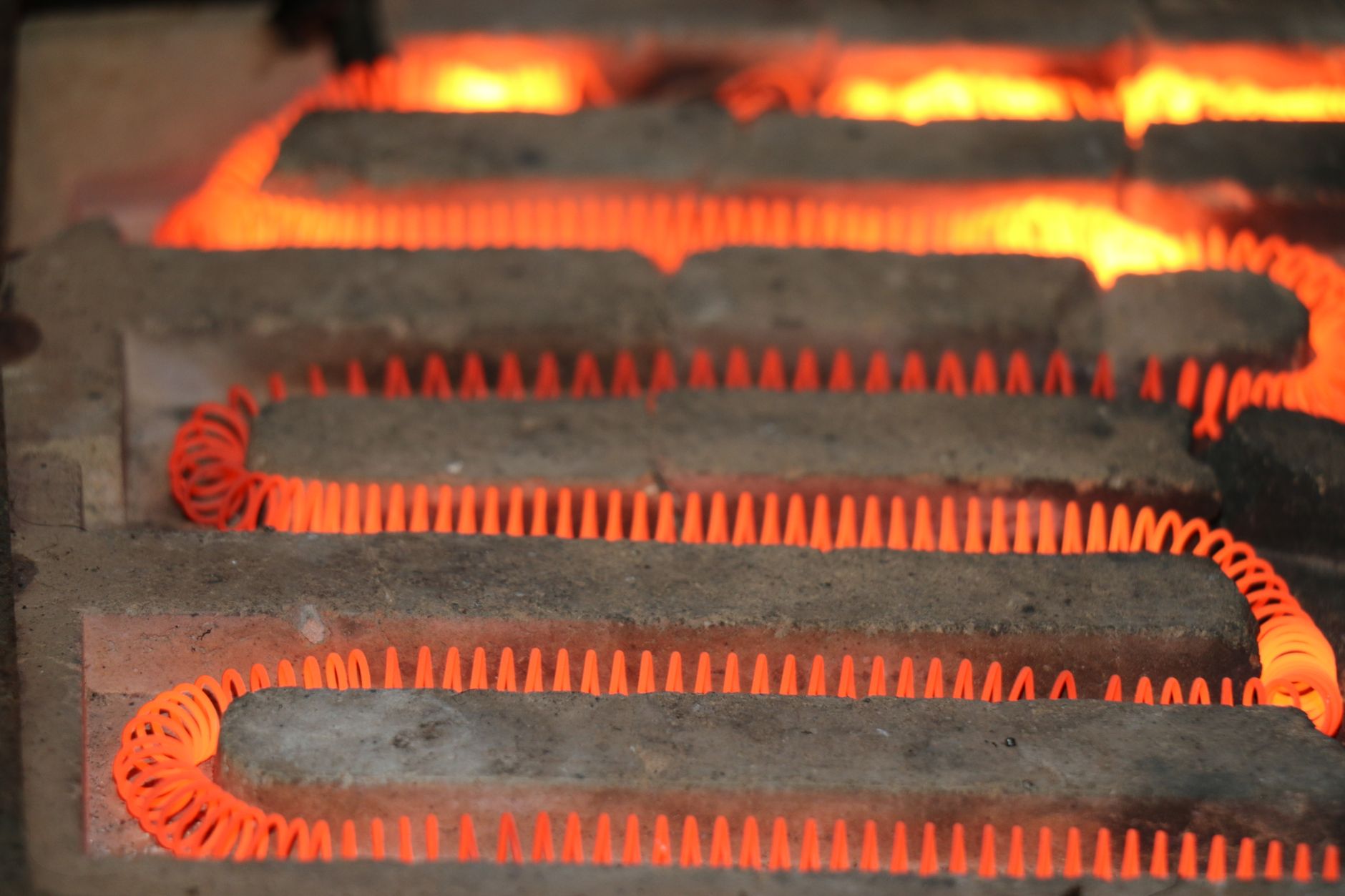
Heat shock proteins (HSPs) — molecular chaperones produced when cells experience thermal or physiological stress — are a plausible mechanism linking sauna exposure to cellular resilience. When core temperature rises, cells activate HSP synthesis, primarily HSP70 and HSP90, which refold misfolded proteins, suppress inflammatory signalling pathways, and protect mitochondria from oxidative damage. These proteins are among the most evolutionarily conserved stress-response molecules in biology, as detailed in the National Institute on Ageing's resources on the biology of cellular ageing.
Preliminary research indicates that HSP70 induction from repeated thermal exposure may contribute to improved cellular protein quality control and reduced systemic inflammation — pathways that intersect with cardiovascular ageing. These are early-stage signals from mechanistic and animal studies, not yet load-bearing protocol evidence on their own. The cardiovascular mortality data from the 20-year KIHD cohort is the structural evidence for this protocol; HSP signalling is the biologically plausible mechanism beneath it.
The distinction matters practically. Begin a sauna protocol because a large prospective study confirms a 63% reduction in sudden cardiac death at 4–7 sessions per week. The molecular pathway explains why that signal is credible — it is not itself the reason to start.
READ ALSO: Zone 2 Training: The Singapore Protocol
The Dose-Response Framework: Frequency, Duration, Temperature, and Recovery

The four variables interact. Adjusting one without considering the others shifts the thermal stimulus and the safety margin in ways the KIHD data does not directly address.
Frequency
The research confirms a dose-response: 2–3 sessions per week is a minimum effective dose for cardiovascular benefit; 4–7 sessions per week is the longevity-optimised target. One session per week produced the weakest signal in the JAMA Internal Medicine data. If you are starting from zero, begin at 2× per week for the first four weeks before progressing. Jumping immediately to daily sessions without a habituation period increases the risk of heat-related symptoms and makes the protocol unsustainable.
Duration
Sessions in the KIHD cohort ranged from 5–20 minutes. The research suggests that sessions under 11 minutes produced weaker cardiovascular outcomes than sessions of 11–19 minutes. Fifteen minutes per session is a practical working target. Do not extend to 30 minutes under the assumption that longer scales proportionally — heat stress is an acute stimulus, and physiological adaptation occurs during recovery, not during continued exposure. Longer sessions in high heat increase cardiac strain without a proportionate adaptive return.
Temperature
Finnish dry sauna temperatures in the KIHD cohort ranged from 80°C to 100°C. This is a dry heat environment with low relative humidity. A wet steam room — the format found in most Singapore condominium changing rooms and many gym facilities — operates at 40–55°C with near-100% humidity. The thermal load on the body differs meaningfully between the two formats. The cardiovascular outcome data was generated in dry sauna conditions. If you use a steam room, the cardiovascular stimulus per session is lower, and no equivalent long-term outcome data exists to confirm equivalent longevity benefit. Access a dry sauna where available; the Mayo Clinic's summary of sauna safety parameters provides a useful baseline on format differences and contraindications.
Recovery between rounds
The KIHD protocol included cooling periods between rounds — typically 10–15 minutes of passive rest or cold water contact. Recovery allows core temperature to normalise before the next thermal challenge. Remaining in continuous heat beyond 20 minutes without a cooling interval extends the thermal load without adding a meaningful additional adaptive signal and increases the risk of heat-related symptoms. Recovery is not optional rest; it is when the adaptation is initiated.
READ ALSO: Cold Exposure Protocols: Building Thermal Resilience
Your Sauna Protocol: A Beginner's Steps

This is a progressive four-week entry protocol. It assumes access to a dry sauna at 80–90°C. If your facility only has a steam room, note the temperature and outcome-data limitations above and calibrate expectations accordingly.
- Weeks 1–2 — Orientation: Two sessions per week. Each session: 10 minutes in the sauna at 80–85°C, followed by 10 minutes of passive cooling — exit the sauna, sit in a cooler area, or shower with tepid water. Drink 500 ml of water before each session and replace fluids directly after. In Singapore's ambient heat and humidity, morning sessions are preferable to post-outdoor-exercise sessions: ambient temperature is lower, and your baseline fluid deficit is smaller before you start.
- Week 3 — Load progression: Increase to three sessions per week. Extend each sauna round to 15 minutes. Maintain a 10-minute cooling period after each round. Total session time is approximately 40 minutes including cooling.
- Week 4 — Multi-round introduction: At three sessions per week, introduce a second shorter round after the cooling period. Protocol sequence: Round 1 (15 min) → Cool (10 min) → Round 2 (10 min) → Cool (10 min). Total session time is approximately 45–50 minutes. Do not exceed two rounds per session at this stage.
Before starting, consult your clinician if you have uncontrolled hypertension, a recent cardiac event, any condition affecting heat tolerance, or if you are pregnant. Alcohol combined with sauna is a documented contraindication — the KIHD study recorded sauna-related deaths predominantly in sessions that followed alcohol consumption. The American Heart Association's cardiovascular risk guidance outlines the pre-existing conditions that require clinician clearance before starting any thermal stress protocol.
READ ALSO: Sleep Optimisation: A 30-Day Protocol for Singapore
Advanced Options and Conditional Adjustments
Contrast therapy
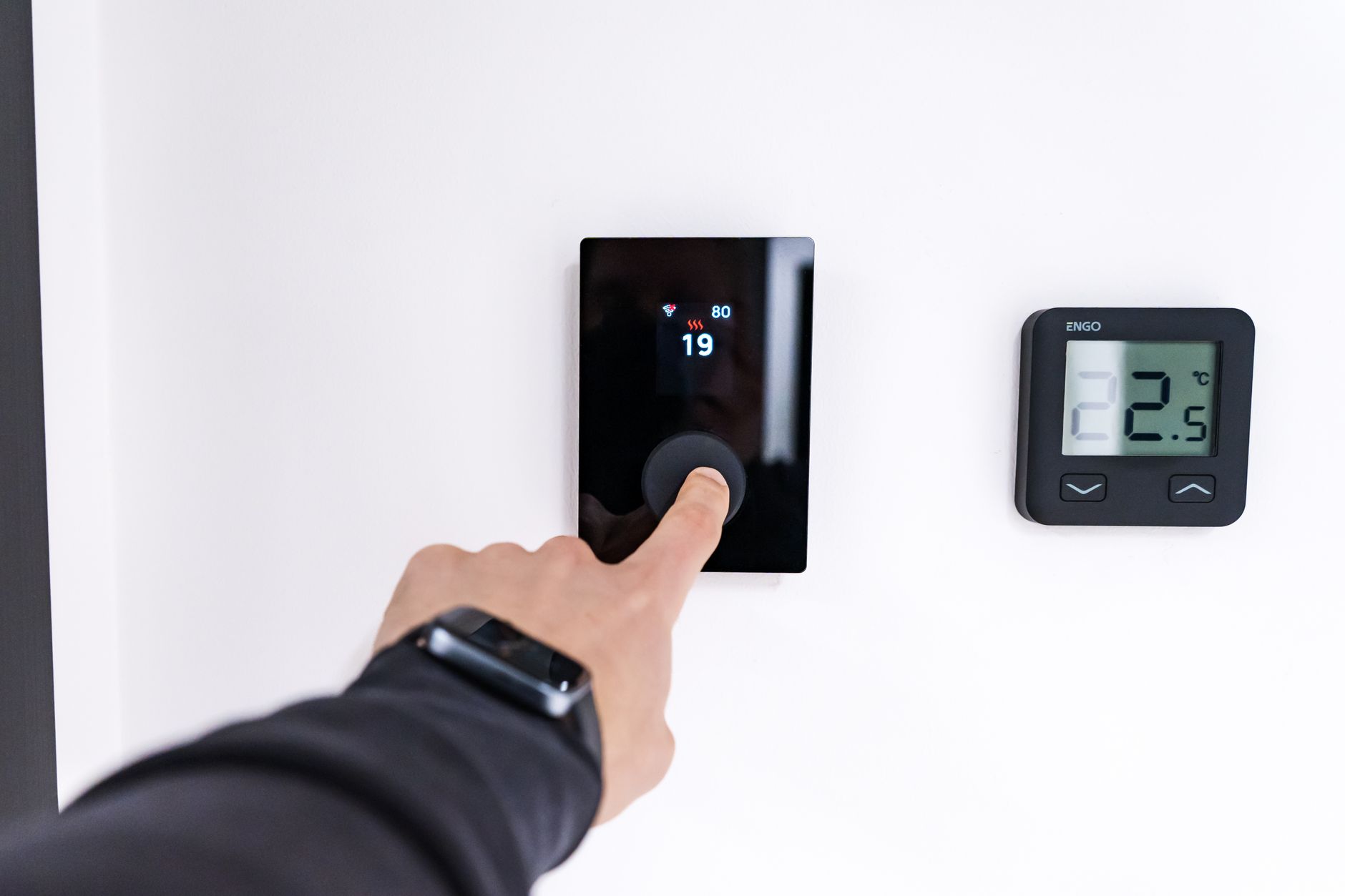
The research suggests, consistent with exercise physiology literature on cardiovascular adaptation, that alternating heat and cold exposure amplifies the cardiovascular response by cycling between vasodilation and vasoconstriction — generating a larger acute variation in cardiac output and endothelial shear stress than either stimulus alone. In practice, a 1–2 minute cold shower substitutes for a cold plunge pool where the latter is not available, which covers most Singapore facilities. The tepid tap water available in most Singapore buildings (typically 24–27°C) produces a smaller thermal contrast than ice-water immersion, but cycling it with 80–100°C dry heat still generates measurable cardiovascular variability changes. For a review of the heat-cold cardiovascular evidence base, Harvard Health Publishing's summary on saunas and heart health provides an accessible starting point.
Water immersion recovery — immersion in water at 15–20°C for 10–15 minutes — has been used in elite sport recovery contexts and is associated with measurable reductions in markers of systemic inflammation. The research suggests that post-sauna cold water immersion produces cardiovascular variability improvements, though the effect size is smaller at the warmer water temperatures available in most Singapore facilities than at ice-water immersion temperatures.
Frequency progression to 4–7× per week
The strongest longevity signal in the KIHD data sits at 4–7 sessions per week. Achieving this requires either home sauna access — infrared saunas operate at 50–65°C and provide some cardiovascular stimulus, though at lower thermal intensity than Finnish dry saunas — or a membership at a facility offering daily access. In Singapore, certain SAFRA facilities, private clubs, and some ActiveSG venues offer sauna access on a daily schedule. HPB Singapore's (Health Promotion Board's) physical activity resources can help identify appropriate facilities alongside national health activity benchmarks. The financial and logistical barrier at 4–7× per week is real; factor it into your planning before targeting that frequency tier.
Heat acclimatisation in an air-conditioned environment
Singaporeans who work and live primarily in air-conditioned environments are not as peripherally heat-adapted as outdoor workers in the same ambient climate. The NIOSH (National Institute for Occupational Safety and Health) heat stress guidelines and exercise physiology literature confirm that chronic air-conditioning reduces peripheral heat adaptation by limiting sweat-rate training and plasma volume expansion. Your effective thermal tolerance at the start of a sauna protocol may be lower than you expect. Begin at 80°C rather than 100°C in the first month. Treat lightheadedness, nausea, or a significant drop in energy as a signal to exit immediately and cool. For context on how vascular adaptation intersects with arterial stiffness markers, the Cleveland Clinic's clinical overview of arterial stiffness provides grounded background on what the relevant biomarkers measure and why they matter.
READ ALSO: Intermittent Fasting for Longevity: What the Research Confirms
Integrating Sauna into Your 30-Day System
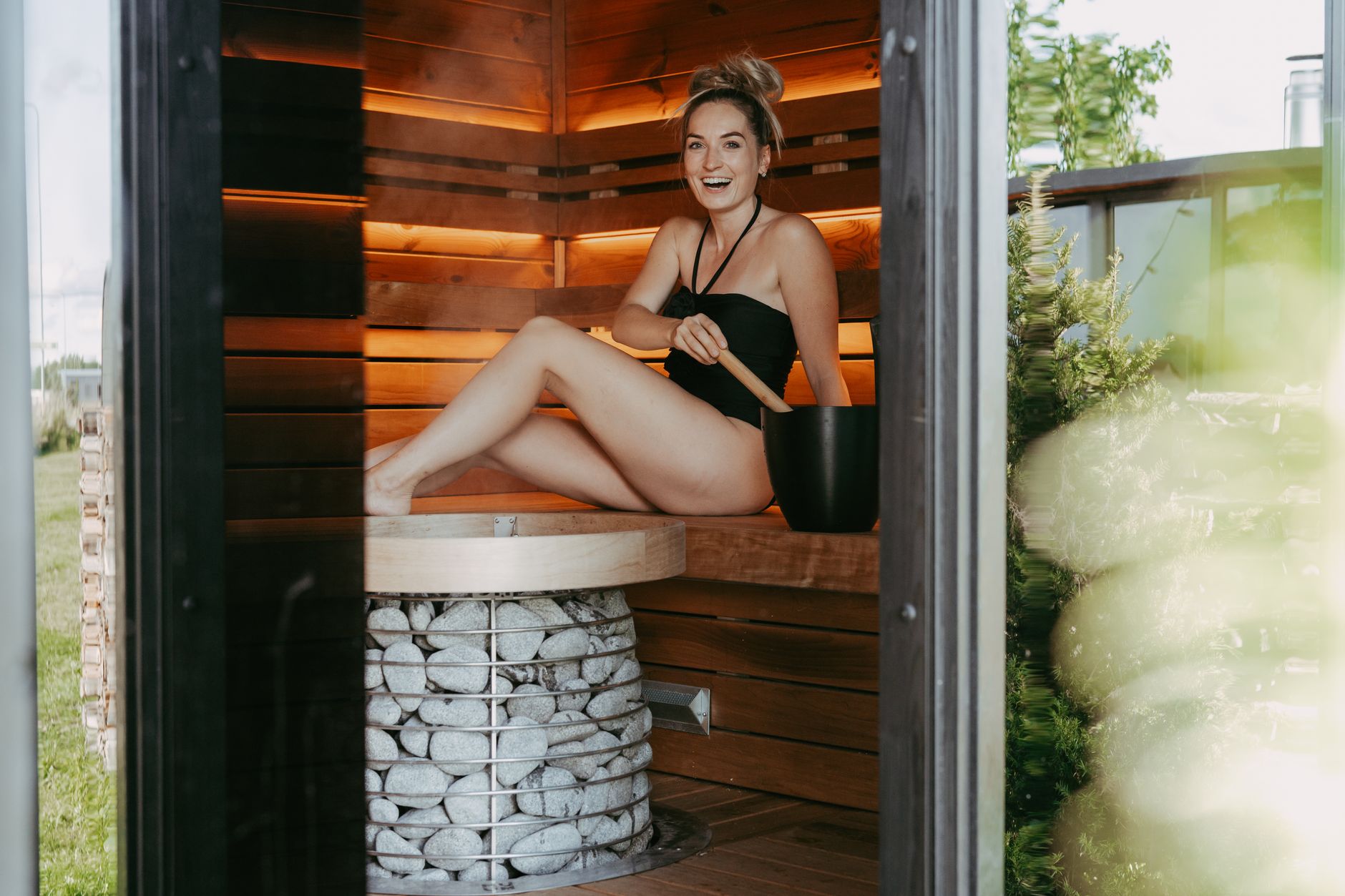
This protocol does not stand alone. The cardiovascular benefit of sauna use compounds with aerobic fitness — the KIHD cohort data indicates the largest risk reductions in individuals who combine regular physical activity with regular sauna use. Both interventions operate on overlapping cardiovascular pathways (cardiac output adaptation, endothelial function, inflammatory signalling) without duplicating the stimulus. Sauna is not a replacement for Zone 2 cardio; it is a complementary thermal stressor that addresses a different input to the same system. The American Heart Association's physical activity recommendations contextualise how aerobic exercise and passive thermal stress interact within a complete cardiovascular longevity programme.
Place sauna sessions on the same days as low-intensity training or rest days. Scheduling a session immediately after high-intensity training compounds the thermal load on a cardiovascular system that has not yet recovered, increasing cardiac strain without proportionate adaptive benefit.
Track resting heart rate and heart rate variability (HRV — a measure of beat-to-beat variation in heart rhythm that reflects autonomic nervous system balance) over the four weeks. The research confirms, from multiple large prospective cohort studies, that improved HRV is associated with reduced all-cause mortality risk. The relevant methodological context for interpreting HRV as a cardiovascular biomarker is set out in the AHA/ESC Task Force standards for HRV measurement and clinical interpretation. A well-structured sauna protocol should produce a gradual downward trend in resting heart rate and a measurable HRV improvement over 4–6 weeks — these are your feedback signals that vascular and autonomic adaptation is occurring.
For most Singaporeans, the practical bottleneck is access, not intent. Three sessions per week in a dry sauna at 80–90°C for 15 minutes per round is immediately actionable if your condominium or gym has the facility. If access is limited to steam rooms, the cardiovascular outcome data is thinner — but consistent use at adequate duration still produces endothelial function benefits via repeated vasodilation.
This protocol is one step in a 30-day sequence. The guide gives you the full system, including what comes before and after this step.