Why Your HRV Green Score May Be Misleading You in Singapore
You wake at 6 a.m. Your Oura Ring flashes a recovery score of 78 — green, “Good.” You feel flat. Your legs carry yesterday's run. By midday, 32°C and 84% humidity have compounded whatever fatigue you brought into the day. The score said ready; your body said otherwise.
In Singapore, this mismatch is not a calibration quirk. It is a structural problem with how recovery wearables translate heart rate variability (HRV) data that was developed, validated, and benchmarked predominantly in temperate-climate populations. The Ministry of Manpower (MOM) reports that roughly one in four employees works irregular or shift schedules. Singapore's annual mean temperature sits above 27°C with humidity rarely below 70%. These are not mild departures from the conditions that produced Western HRV reference data — they are physiologically significant differences that push your autonomic baseline in one direction: down. When a suppressed reading is the starting point, a “green” score may reflect normal-for-Singapore rather than genuine recovery readiness.
What Heart Rate Variability Actually Measures: RMSSD, the Autonomic Nervous System, and Why the Number Moves
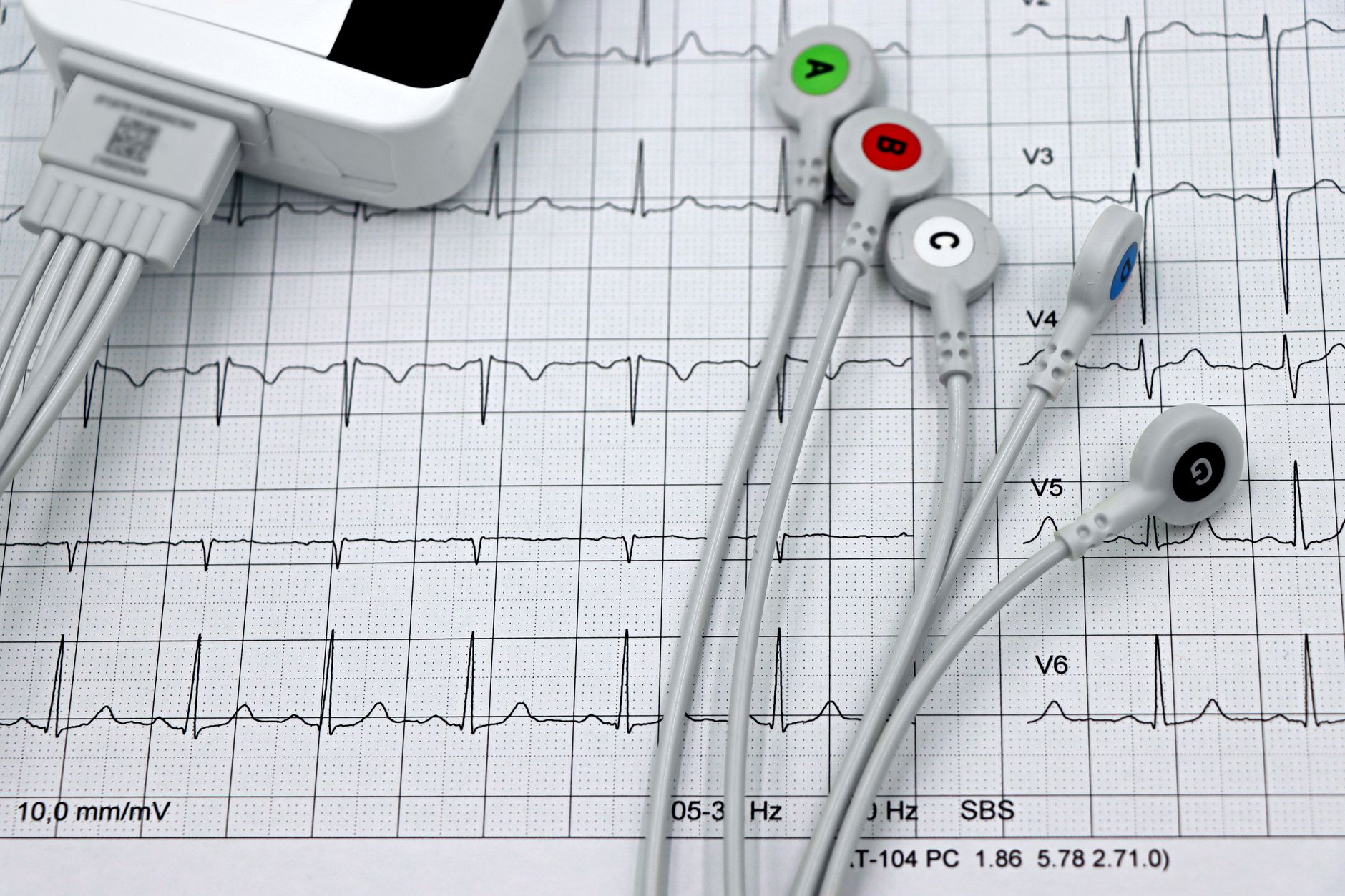
HRV is not a single metric. Multiple time-domain and frequency-domain measures exist, but the one your wearable almost certainly uses is RMSSD — the root mean square of successive differences between consecutive heartbeat intervals, measured in milliseconds. RMSSD is the preferred consumer metric because it reflects specifically the activity of the vagus nerve, the principal conduit for parasympathetic (rest-and-recovery) signalling to the heart.
The autonomic nervous system operates across two competing branches. The sympathetic branch — the fight-or-flight system — increases heart rate and reduces beat-to-beat variation. The parasympathetic branch slows the heart and, critically, introduces variation between beats as the vagus nerve continuously modulates cardiac rhythm in response to breathing and homeostatic demands. This rhythm, called respiratory sinus arrhythmia, is what RMSSD captures. A higher RMSSD indicates stronger vagal tone, faster recovery capacity, and more adaptive physiological responsiveness. A lower RMSSD points to sympathetic dominance — the system remains in a stressed state, allocating resources to perceived threat rather than tissue repair and adaptation.
RMSSD moves for many reasons beyond training load: poor sleep, alcohol, illness, psychological stress, heat exposure, and hormonal fluctuations all suppress it. This is precisely why a single reading is unreliable and why the foundational AHA and European Society of Cardiology joint Task Force statement on HRV (Circulation, 1996) consistently recommended trend interpretation over any single-point measurement. The clinical and applied research has reinforced this for three decades: the trend is the signal; the individual reading is noise.
READ ALSO: Zone 2 Training in Singapore Heat: How to Calibrate Intensity When the Climate Is a Variable
Standard Clinical HRV Ranges and the Longevity-Optimised Range Side by Side: Naming the Gap
The standard clinical reference range for RMSSD was built to flag pathology — autonomic neuropathy, severe cardiac dysfunction, post-event impairment. It was not designed to answer the longevity question: what RMSSD level associates with the lowest all-cause mortality and the best long-term physiological outcomes?
| Parameter | Standard Clinical Reference Range | Longevity-Optimised Range |
|---|---|---|
| RMSSD (adults 30–50 yrs, resting) | 20–50 ms (clinically unremarkable; no flag) | 55–100+ ms |
| Clinical alarm threshold | Below ~15 ms (autonomic dysfunction suspected) | Not applicable — 55 ms is the target floor, not a ceiling |
| Wearable “green” zone | Calibrated to individual 30-day rolling baseline | Should track toward the longevity-optimised band, not merely the personal average |
The gap between 20 ms and 55 ms is where the clinical system offers no alarm and the longevity evidence says the risk is already accumulating. The Framingham Heart Study, published in Circulation, found that reduced HRV independently predicted all-cause mortality in a large adult cohort after adjusting for age, sex, and comorbidities. The research confirms that sitting in the clinically unremarkable band but well below the longevity-optimised floor carries prognostic weight that standard screening does not surface.
For most Singaporeans tracked by a wearable, the critical question is not whether your score is alarming by clinical standards. It is whether your personal baseline is stable or trending away from the longevity-optimised range — and whether Singapore's environment is chronically suppressing it below where your biology would otherwise sit.
READ ALSO: Deep Sleep and Physical Recovery: What Singapore's Sleep Patterns Mean for Tissue Repair
How Singapore's Heat, Humidity, and Shift-Work Patterns Suppress Baseline HRV
Three stressors act on HRV in Singapore that are absent or materially weaker in the populations that generated most wearable calibration data. They compound rather than simply add.
Thermal load. Heat exposure activates the sympathetic nervous system to drive cutaneous vasodilation and sweating — the body's primary heat-dissipation mechanism. As sympathetic tone rises, parasympathetic tone falls, and RMSSD drops. Research published in the European Journal of Applied Physiology has documented acute reductions in time-domain HRV measures during passive heat exposure and exercise in warm conditions. In Singapore's ambient climate — where even a slow morning walk involves significant thermoregulatory demand — this creates a persistent suppression that does not exist for someone training at 16°C in a temperate autumn.
Humidity compounding. High ambient humidity reduces the effectiveness of evaporative cooling, extending the duration and intensity of the thermoregulatory stress response. The body remains in sympathetically-active mode for longer per heat-exposure event. A 30-minute run in Singapore at 31°C and 85% humidity imposes a meaningfully different autonomic load than the same run at 20°C and 50% humidity, even at identical pace and perceived exertion. Your wearable's pace-based recovery estimate does not capture this difference.
Shift work and circadian disruption. Circadian misalignment — working when the body expects sleep — disrupts the normal nocturnal dominance of parasympathetic tone. The window of deep overnight recovery, during which RMSSD rises to its daily peak, is either shortened or shifted into biologically suboptimal hours. Research published in Psychoneuroendocrinology has documented blunted vagal recovery in shift workers compared to day workers with matched physical activity levels. The research suggests that chronically disrupted sleep-wake cycles suppress not only overnight HRV recovery but the sustained daytime baseline as well, producing a persistently lower RMSSD floor that reads as “moderate” on population-calibrated scales even when it represents meaningful autonomic impairment relative to that individual's potential.
When all three stressors are active simultaneously — and for many Singaporeans who train outdoors and work irregular hours, they are — the aggregate HRV suppression may reach 10–20 ms below the same person's temperate-climate, regular-schedule baseline. A score that a Western app interprets as “Good” may represent the chronically suppressed ceiling of someone operating at 60–70% of their genuine recovery capacity.
READ ALSO: The Morning Cortisol Awakening Response: Shift Work, Tropical Heat, and What Your 7 a.m. Cortisol Tells You
The Evidence for HRV as a Recovery-Readiness Signal: What AHA, JAMA Internal Medicine, and the European Journal of Applied Physiology Confirm
The clinical and applied research on HRV spans three distinct domains: cardiovascular mortality risk, systemic longevity, and athletic performance management. Each contributes a different layer of the case for treating HRV trend data seriously.
Cardiovascular mortality. The American Heart Association and the European Society of Cardiology's joint 1996 Task Force statement established RMSSD and related measures as independent predictors of cardiovascular morbidity and mortality, confirmed across multiple large prospective cohorts. The research confirms that reduced HRV, controlling for other established risk factors, carries prognostic weight that standard lipid or blood pressure screening does not capture.
Systemic longevity signal. Research published in JAMA Internal Medicine has examined HRV as a systemic health marker beyond the cardiovascular system, with lower HRV associating with increased inflammatory load, poorer metabolic profiles, and higher all-cause mortality risk in longitudinal analyses. The research suggests that a sustained RMSSD decline over weeks or months is a more sensitive early-warning signal than a single-timepoint clinical test, because it captures sub-clinical autonomic impairment before it becomes diagnostically apparent at a polyclinic or hospital appointment.
Training load management. Kiviniemi and colleagues, publishing in the European Journal of Applied Physiology (2007, 2010), demonstrated in randomised controlled trials that athletes who adjusted training intensity based on daily HRV readings achieved superior fitness gains with equivalent or lower cumulative load compared to athletes following predetermined periodisation plans. The research confirms that HRV-guided load management outperforms fixed-schedule training for both performance and recovery outcomes. The critical qualifier: the protocol requires a calibrated personal baseline, not comparison to a population average from a different climate and work culture.
Wearable accuracy in context. Oura Ring's RMSSD measurements have been independently compared against clinical-grade ECG in peer-reviewed validation studies, showing acceptable agreement for trend-monitoring purposes in healthy adults. Accuracy degrades with movement artefact, and wrist-based optical heart rate sensors — used by some Garmin and Apple Watch modes — show greater variance than Oura's finger-based PPG sensor. For HRV tracking, sensor placement and measurement conditions matter more than the brand name on the device. The NIH's PubMed Central holds several device-specific validation studies if you want to check your specific wearable before committing to a tracking protocol.
READ ALSO: VO2 Max in Singapore: What Polyclinic Fitness Assessments Measure and What They Miss
A Singapore-Adjusted Protocol for Reading Your HRV Score: Trend Over Single Reading, Personal Baseline, and When to Modify Training Load
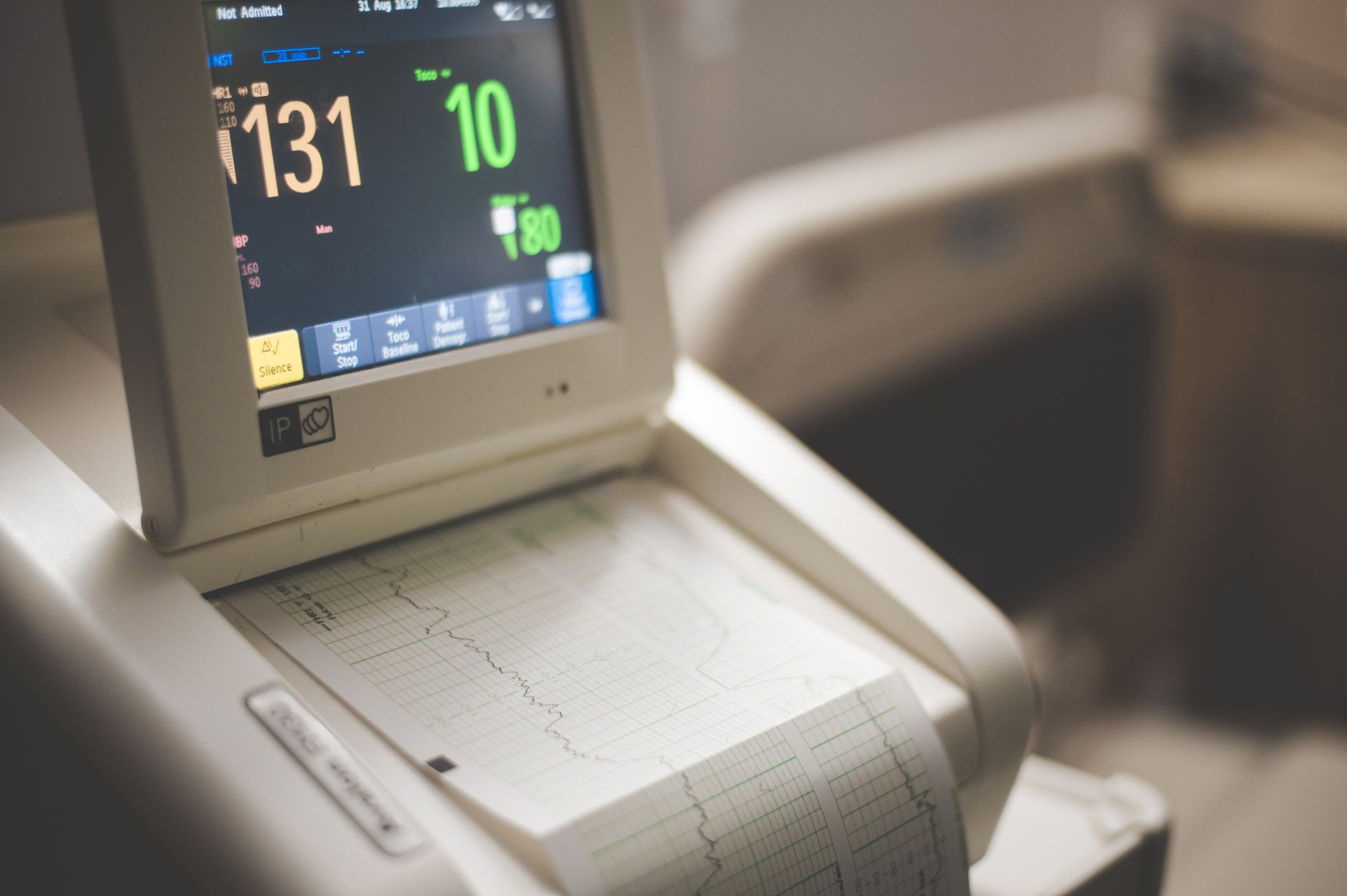
The practical implication of the above is a specific shift in how you interpret your wearable's output. Population benchmarks are a starting point at best and misleading at worst for Singapore users. Here is a locally adjusted protocol.
- Build your personal baseline first. Ignore population benchmarks for the first 30 days. Measure HRV every morning under identical conditions — within 15 minutes of waking, same position (supine or seated), before caffeine, before significant movement, in an air-conditioned room where possible. Log the contextual variables alongside the reading: sleep duration, previous-day training load, alcohol consumption, shift worked, outdoor heat exposure duration. After 30 days, you have a baseline calibrated to your biology and your environment, not to a Swedish cohort measured in February.
- Track your 7-day rolling average, not yesterday's reading. A single low number is noise. Three consecutive readings significantly below your rolling average — without a training load explanation — signals genuine recovery debt or an emerging stressor. The working threshold for action is 10–15% below your rolling average sustained across two or more consecutive days; consult your clinician if low readings persist beyond 5–7 days without a clear cause.
- Apply Singapore-specific contextual corrections. If you slept in a warm room without air conditioning, your reading is likely suppressed by the thermal effect — treat it as amber regardless of the absolute number. If you worked a night shift or arrived from an overseas time zone within the past 72 hours, expect 3–5 days of suppressed readings independent of training load. Do not attempt to compensate with higher-intensity training during this window.
- Use HRV as a three-zone training modifier. On green days (at or above your rolling average): full-intensity training is appropriate. On amber days (5–10% below average): reduce volume by 20% or substitute Zone 2 aerobic work for higher-intensity sessions. On red days (more than 10% below average for 48 or more hours): active recovery or rest only. Both the Mayo Clinic and Cleveland Clinic document the physiological cost of high-intensity training during genuine autonomic recovery debt — the performance return is negative, not merely neutral.
- Address the environmental suppressors directly. The most effective way to raise your Singapore HRV baseline is not a supplement protocol — it is reducing the environmental load where possible. Train before 7 a.m. or in air-conditioned facilities to reduce thermal stress. Manage sleep room temperature; research indexed on PubMed Central indicates sleep room temperatures above 24°C suppress restorative slow-wave sleep architecture, further impeding overnight autonomic recovery. For shift workers, maintaining consistent sleep-wake anchor timing on off days — even if the window shifts — reduces circadian drift and partially preserves nocturnal parasympathetic dominance.
The Health Promotion Board (HPB) and the Ministry of Health (MOH) recommend regular physical activity and adequate sleep as primary longevity levers for Singaporeans. HRV monitoring provides a daily readout of whether Singapore's environmental and occupational conditions are allowing those recommendations to produce their intended physiological effect — or quietly cancelling them out.
The 30-Day Biohacking Starter Guide: The Full System, Built for Singapore
This article covers one piece of the system. The 30-Day Biohacking Starter Guide covers all of it, with a day-by-day protocol built specifically for Singapore. HRV monitoring sits inside a larger framework that includes sleep architecture, heat-adapted Zone 2 training, polyclinic-accessible biomarker panels, and hawker-food-compatible nutrition timing. Download the full guide at wholeliving.com/longevity-guide — free and email-gated.
Frequently Asked Questions
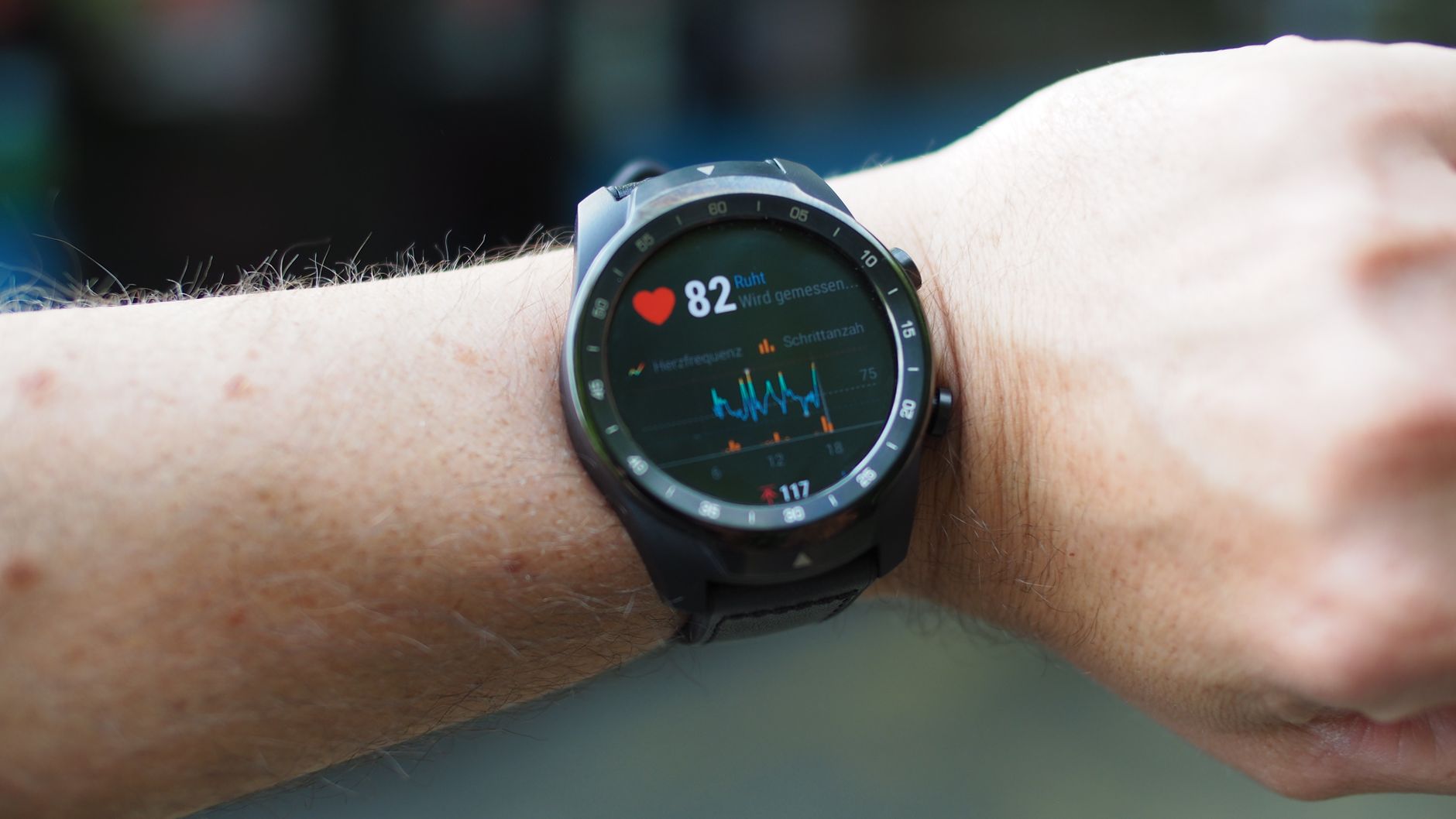
What is a good HRV score for a Singaporean adult in their 30s or 40s?
“Good” is relative to your personal baseline, not a population benchmark. For adults 30–50 years old, RMSSD values between 30 and 70 ms are common, but individual variation is substantial and age-related decline is expected. A more useful question is whether your 7-day rolling average is stable or declining. A Singaporean with a personal baseline of 38 ms who trends stable occupies a different physiological position than one whose baseline of 55 ms has been declining week-on-week.
Does the Oura Ring measure HRV accurately enough to act on?
For trend-monitoring in healthy adults, Oura Ring's RMSSD has shown acceptable agreement with clinical-grade ECG in published validation studies. It is accurate enough for the relative comparisons — personal baseline versus current reading — that the protocol above relies on. It is not validated for clinical diagnostic use. If you have a known cardiac condition, discuss wearable HRV use with your cardiologist before acting on the data.
How much does Singapore's climate actually suppress HRV?
The acute suppressive effect of heat stress on RMSSD is well-documented mechanistically — sympathetic activation during thermoregulation directly reduces parasympathetic tone. The magnitude varies with temperature, humidity, duration of exposure, and degree of acclimatisation. A reasonable working assumption for Singapore conditions is that sustained outdoor exposure in the 30–33°C range suppresses morning RMSSD by 5–15 ms relative to an air-conditioned measurement baseline. Track your own pattern across 30 days — the individual variation is too large for a fixed correction to be reliable.
I work rotating shifts. Can HRV tracking still be useful for me?
Yes, but measurement anchor point matters more than clock time. Measure within 15 minutes of waking, regardless of when your sleep ended. Your personal baseline will likely sit lower than published population norms, which is expected given the autonomic cost of circadian disruption. Track your own trend rather than comparing to external benchmarks. If you want to contextualise your HRV data against other health markers, Singapore's polyclinic network offers metabolic and cardiovascular screening through the Screen for Life programme (the national preventive health screening initiative), which can provide a clinical reference point alongside your wearable data.
Does a low HRV reading mean I should skip training entirely?
Not automatically. Low HRV is a signal to modify training load, not necessarily to eliminate it. Zone 2 training — low-intensity aerobic work kept below your aerobic threshold — can be appropriate on amber HRV days and may itself support parasympathetic recovery over time. The HRV-guided training evidence distinguishes between reduced volume and full rest. Consult your clinician if low readings persist for more than 5–7 consecutive days without a clear training or lifestyle explanation, particularly if accompanied by other symptoms.