Why Ice Baths Became the Default Post-Training Recovery Tool
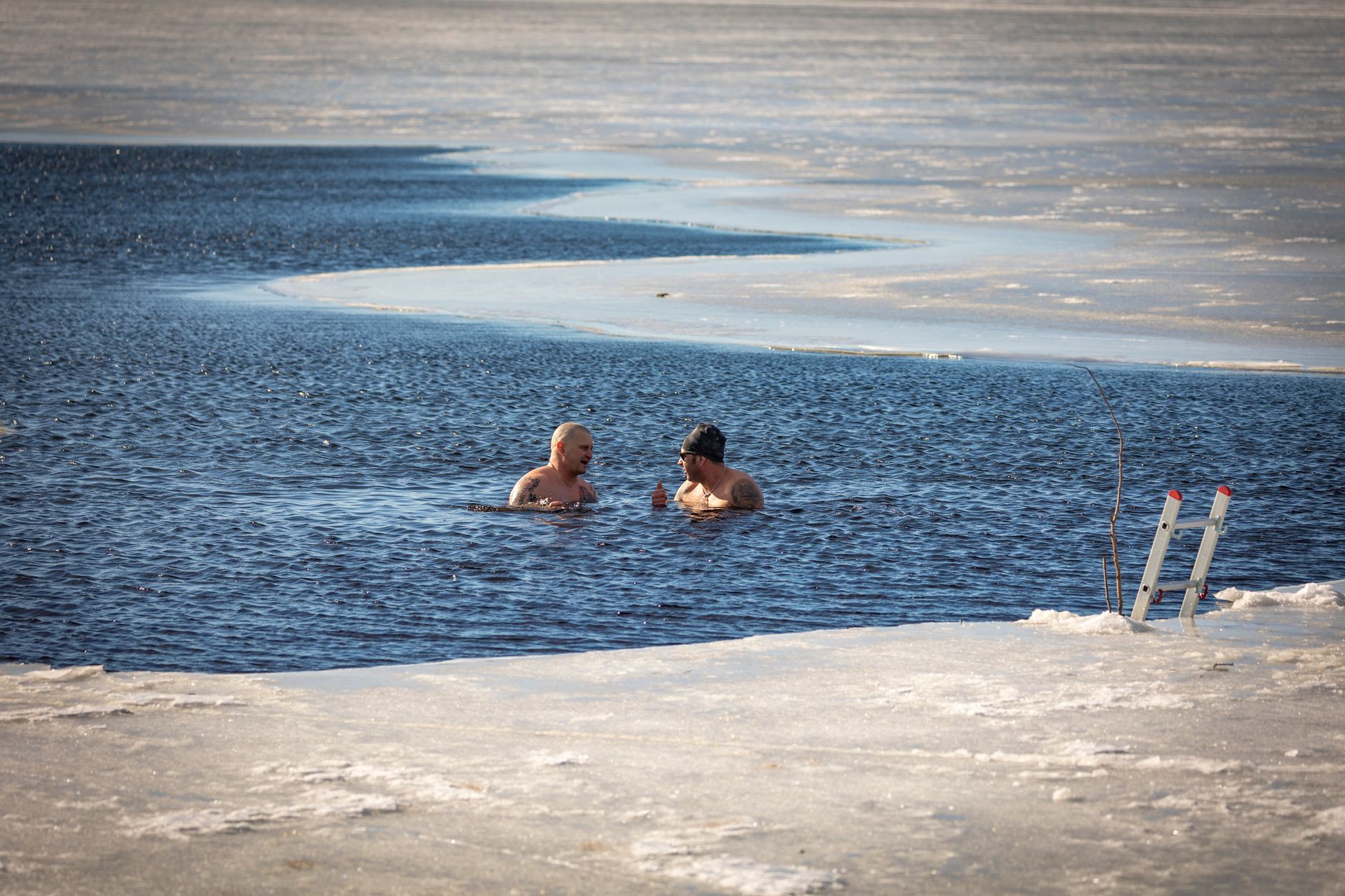
Walk into any mid-range or premium gym in Singapore on a weekday evening — F45, Pure Fitness, or one of the specialist recovery facilities that have opened alongside the city's expanding wellness market — and there is a reasonable chance an ice bath is occupied within minutes of the last barbell being racked. The logic is intuitive: the session was hard, the muscles ache, cold water reduces inflammation and soreness, and reduced soreness must mean improved recovery.
The problem is that this chain of reasoning breaks down between steps two and three. Reducing delayed-onset muscle soreness (DOMS) — the ache that peaks 24 to 48 hours after hard resistance training — is not the same as improving the underlying biological process that makes you stronger. In the context of strength training and hypertrophy, a consistent body of randomised controlled trial evidence now shows these two outcomes are not merely different: they are, to a measurable degree, in conflict.
What Cold Immersion Actually Does Inside Muscle Tissue: Vasoconstriction, Inflammation, and the mTOR Pathway

The mechanism comes before the recommendation. When you lower your body into cold water — typically 10–15°C — the immediate vascular response is peripheral vasoconstriction: smooth muscle surrounding blood vessels contracts to limit heat loss, reducing blood flow to skeletal muscle. Inflammation decreases, swelling is limited, and the sensory signal driving soreness is dampened. For a sprained ankle or an acute soft-tissue injury, this is useful physiology. For the aftermath of a heavy squat session, it is a more complicated picture.
The inflammatory cascade that cold water suppresses is not purely a damage signal — it is also an adaptive signal. After resistance training, micro-tears in muscle fibres trigger satellite cell activation. Satellite cells are the myogenic stem cells responsible for repairing and enlarging muscle tissue. Alongside this, pro-inflammatory cytokines including interleukin-6 (IL-6) rise — not merely as markers of damage but as upstream drivers of hypertrophy. Critically, these signals activate the mechanistic target of rapamycin (mTOR), the central regulatory node for muscle protein synthesis: the biochemical process through which training stimulus is converted into new contractile tissue.
Cold water immersion blunts this entire sequence. Vasoconstriction limits nutrient delivery during the early post-exercise anabolic window. Anti-inflammatory effects suppress satellite cell recruitment. And mTOR activation — the direct link between the physical stress of training and the hypertrophic adaptation you are training to produce — is measurably attenuated. The perception of recovery improves. The adaptive machinery has been quieted.
READ ALSO: How Sleep Quality Affects Muscle Repair: What the Research Shows
What Three Peer-Reviewed Studies Found: Roberts 2015, Peake 2017, and the Cochrane 2012 Systematic Review

The research suggests that cold water immersion carries a quantifiable cost to resistance training adaptation — and this finding has been replicated across independent investigations.
The foundational intervention is Roberts et al., published in the Journal of Physiology in 2015. This 12-week randomised controlled trial assigned trained men to either cold water immersion (10°C for 10 minutes) or active recovery (low-intensity cycling) following each resistance training session. At the 12-week mark, the cold immersion group showed significantly attenuated gains in both muscle mass and maximal strength. Satellite cell activity and mTOR pathway markers were measurably lower at two weeks and remained lower at the end of the trial. The finding was not that cold immersion was neutral — it was that it produced a quantifiably smaller training adaptation over three months from an identical training stimulus.
A 2017 investigation by Peake et al., also in the Journal of Physiology, examined skeletal muscle biopsies at multiple time points following resistance exercise with and without post-exercise cold water immersion. The research suggests that CWI measurably reduced markers of cellular stress and anabolic signalling in the hours following training — the precise window of peak mTOR activation and satellite cell recruitment. The suppression the authors documented was not a recovery benefit; it was an attenuation of the molecular events the training was designed to trigger.
The Cochrane systematic review by Bleakley et al. (2012) examined cold water immersion across multiple exercise modalities and found that the research suggests it reliably reduces DOMS compared with passive rest. The review did not assess long-term hypertrophic adaptation as an outcome — it predated the more granular mechanistic work of Roberts and Peake — but it established clearly that the soreness reduction is real and consistent. The issue is not that cold water immersion fails to reduce soreness. The issue is that soreness reduction and hypertrophic adaptation are separate biological outcomes, and the intervention that optimises one measurably impairs the other.
READ ALSO: Zone 2 Training in Singapore's Heat: Adjusting Heart-Rate Targets for the Tropics
Where Cold Immersion Retains a Legitimate Role: Endurance Recovery, Acute Inflammation, and Heat Load

This evidence is specific to resistance training and hypertrophy. It does not extend uniformly to every context in which cold water immersion is used.
For endurance athletes — runners, cyclists, triathletes — the primary adaptation target is aerobic capacity and mitochondrial density, not muscle cross-section. American College of Sports Medicine guidance notes that the mTOR-mediated hypertrophic pathway is not the dominant adaptive signal after sustained aerobic effort. The anti-inflammatory effect of cold immersion therefore carries a lower adaptation cost for endurance training, and the benefit — reduced inflammatory load after prolonged exertion — may reasonably outweigh it. This is a materially different calculus from a strength session.
For acute soft-tissue injury — a rolled ankle, a muscle strain — clinical guidance from Mayo Clinic supports localised cold application in the first 24 to 72 hours to manage swelling and pain. Here the inflammatory response is genuinely excessive relative to its adaptive value, and the use case is appropriate.
Singapore's climate introduces a third legitimate context. At 30°C and 80% humidity, prolonged outdoor exercise imposes a meaningful heat load, and the primary risk shifts from blunted adaptation to heat illness. Harvard Health Publishing notes that cold water immersion is one of the fastest available methods of reducing core temperature after heat stress. If you have trained outdoors at midday in Singapore heat and your priority is preventing heat exhaustion, the adaptive cost of CWI is a secondary consideration — thermal load management takes precedence.
READ ALSO: Active Recovery Protocols: What the Evidence Says About Light Movement Between Sessions
What the Evidence Supports Instead: Evidence-Tiered Recovery Alternatives for Strength Athletes
The research confirms that active recovery — low-intensity movement for 15 to 30 minutes following resistance training — maintains circulation and clears metabolic by-products without suppressing the anabolic signalling cascade. This is not a speculative alternative: it was the comparison condition in the Roberts 2015 trial, and the active recovery group outperformed the cold immersion group on both strength and hypertrophy outcomes at 12 weeks.
Sleep is the highest-leverage recovery variable for strength athletes. Research acknowledged in National Heart, Lung, and Blood Institute guidance establishes that sleep restriction measurably reduces anabolic hormone output — including growth hormone and testosterone — which are upstream of the same mTOR pathway that cold immersion also suppresses. Seven to nine hours of consolidated sleep addresses the same biological machinery as post-exercise recovery without imposing an adaptation cost.
Protein timing retains a conditional role. The research suggests that consuming 20 to 40 grams of high-quality protein within two hours of resistance training supports muscle protein synthesis, with the benefit most pronounced in those training in a fasted state or with extended gaps between meals. This is consistent with evidence reviewed in the Journal of the International Society of Sports Nutrition on post-exercise protein timing and anabolic response.
Compression garments occupy a more modest evidence position. Preliminary research indicates that graduated compression may reduce DOMS through venous return and limitation of oedema in some populations, but effect sizes are small and long-term adaptation data are limited. They are an optional adjunct, not a primary protocol component.
READ ALSO: Protein Timing Around Strength Training: A Review of the Current Evidence
The 30-Day Biohacking Starter Guide: What to Do Instead, Starting Tomorrow
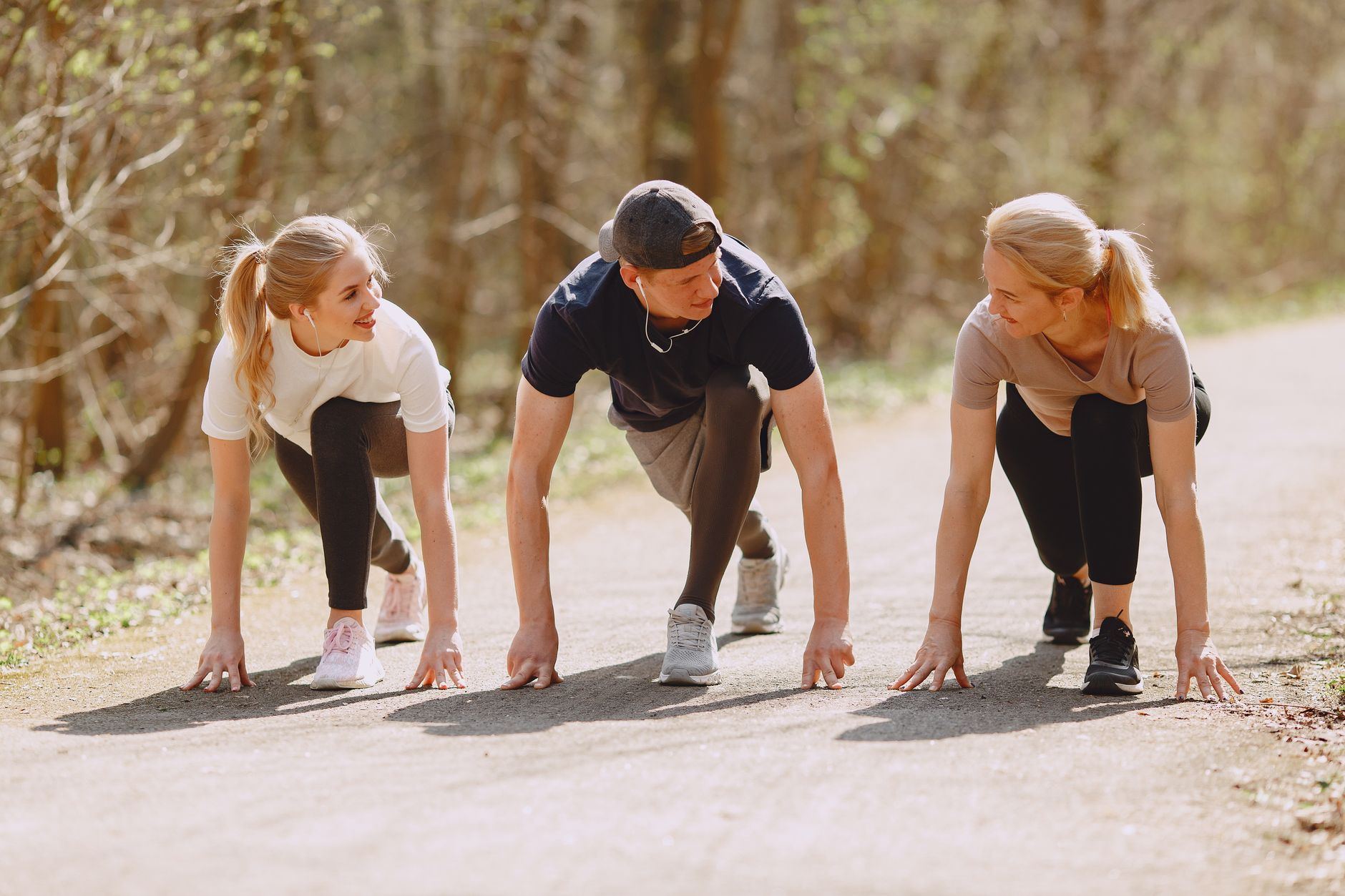
If you are training for strength or hypertrophy, the consistent evidence-based recommendation is to protect the post-exercise anabolic window rather than suppress it. Reserve cold water immersion for contexts where it retains a documented benefit — endurance recovery, acute injury, or thermal load management after outdoor heat exposure — and replace it with active recovery in the immediate post-training period. The soreness is real. So is the adaptation cost of eliminating it with cold immersion.
Now you know what the standard approach misses. The guide shows you what to do instead, starting tomorrow.
UP NEXT: Active Recovery Protocols: What the Evidence Says About Light Movement Between Sessions
Medical disclaimer: This article is for educational purposes only and does not constitute medical advice, diagnosis, or treatment. The information provided is based on peer-reviewed research and is intended to support informed conversations with your clinician. Individual health circumstances vary — consult a qualified clinician before making changes to your training or recovery protocols, particularly if you have a cardiovascular condition, cold sensitivity, Raynaud's phenomenon, or any other health concern that may affect your response to temperature exposure.