
Purpose loss in midlife operates as a chronic physiological stressor that most professionals never recognize as a health variable. When sustained motivation erodes and identity alignment fractures, the hypothalamic-pituitary-adrenal axis shifts into a state of persistent low-grade activation. Research links this purposelessness to elevated evening cortisol, flattened diurnal slopes, systemic inflammation, and measurable decline in prefrontal executive function. For professionals over 40 already managing compounding metabolic and cognitive load, the absence of coherent purpose does not simply reduce satisfaction. It accelerates biological aging and degrades the decision-making architecture that career performance depends on.
Purpose as a Physiological Input, Not a Psychological Luxury
To understand why purpose loss carries such physiological weight, it helps to reframe what purpose actually does inside the body. In essence, purpose functions as a regulatory signal. It organizes behavior, stabilizes emotional tone, and anchors the stress response system. When a professional operates with clear directional meaning, the brain interprets daily demands as coherent challenges rather than diffuse threats.
This distinction matters significantly at the level of the autonomic nervous system. Coherent challenge activates adaptive stress responses that resolve efficiently. Diffuse threat, by contrast, activates sustained defensive arousal. Crucially, the HPA axis does not distinguish between external danger and internal purposelessness. Both produce the same cortisol output.
Research from the Rush University Memory and Aging Project, one of the largest longitudinal studies on purpose and health outcomes, demonstrates that individuals with higher self-reported purpose in life show lower rates of cognitive decline, reduced Alzheimer's risk, and lower all-cause mortality. Notably, these findings hold after controlling for depression, neuroticism, and social engagement.
For the professional over 40, this evidence reframes purpose from a motivational concept into a measurable physiological variable. Its absence does not simply reduce satisfaction. Rather, it removes a stabilizing input from the systems that govern stress regulation, immune function, and cognitive maintenance.
The HPA Axis Response to Purposelessness

Building on this physiological framework, the hypothalamic-pituitary-adrenal axis governs the body's cortisol output. It responds to perceived threat, uncertainty, and loss of control. Purpose loss, importantly, activates all three triggers simultaneously. As a result, the professional who no longer connects daily effort to meaningful outcomes experiences chronic low-grade HPA activation.
This activation produces a specific cortisol signature. Evening cortisol remains elevated. The diurnal slope flattens. In addition, the morning cortisol awakening response diminishes. Together, these shifts correlate with metabolic dysfunction, impaired immune surveillance, and accelerated cellular aging.
What makes midlife particularly vulnerable, however, is the convergence of biological and psychological factors. Hormonal shifts, accumulated allostatic load, and evolving social roles all compound the stress of purpose erosion. Consequently, the HPA axis, already operating under higher baseline demand, loses one of its primary regulatory anchors.
Consistent daily purpose, by contrast, acts as a cortisol modulator. It provides the brain with a coherent framework for interpreting effort and reward. Without that framework, the stress response system defaults to sustained vigilance. The professional therefore remains physiologically activated even during rest, which degrades recovery capacity across every system.
Prefrontal Cortex Vulnerability in Midlife

The connection between purpose and stress physiology leads directly to the brain region most affected. The prefrontal cortex manages executive function. It handles planning, judgment, impulse control, and working memory. These capacities decline naturally with age. Purpose loss, however, accelerates that decline by removing a key organizing input.
When a professional operates with clear purpose, the prefrontal cortex allocates resources efficiently. Goals create hierarchies. In turn, hierarchies reduce decision load. Reduced decision load then preserves cognitive bandwidth for complex reasoning.
Purpose loss, on the other hand, collapses these hierarchies. Without a coherent goal structure, the prefrontal cortex processes each decision independently. This produces the same attentional fragmentation and decision fatigue that unstructured daily routines create. Over time, the cognitive cost compounds across weeks and months.
Research from the National Institute on Aging further supports this connection. Their longitudinal data links purpose in life to slower rates of cognitive decline in older adults, independent of physical activity, social engagement, and depressive symptoms. More specifically, the protective effect operates through prefrontal and hippocampal pathways. Purpose, in this context, functions as a neuroprotective variable.
READ ALSO: Intentional Living: How Gratitude Can Shape Your Journey
Inflammatory Consequences of Sustained Purpose Erosion
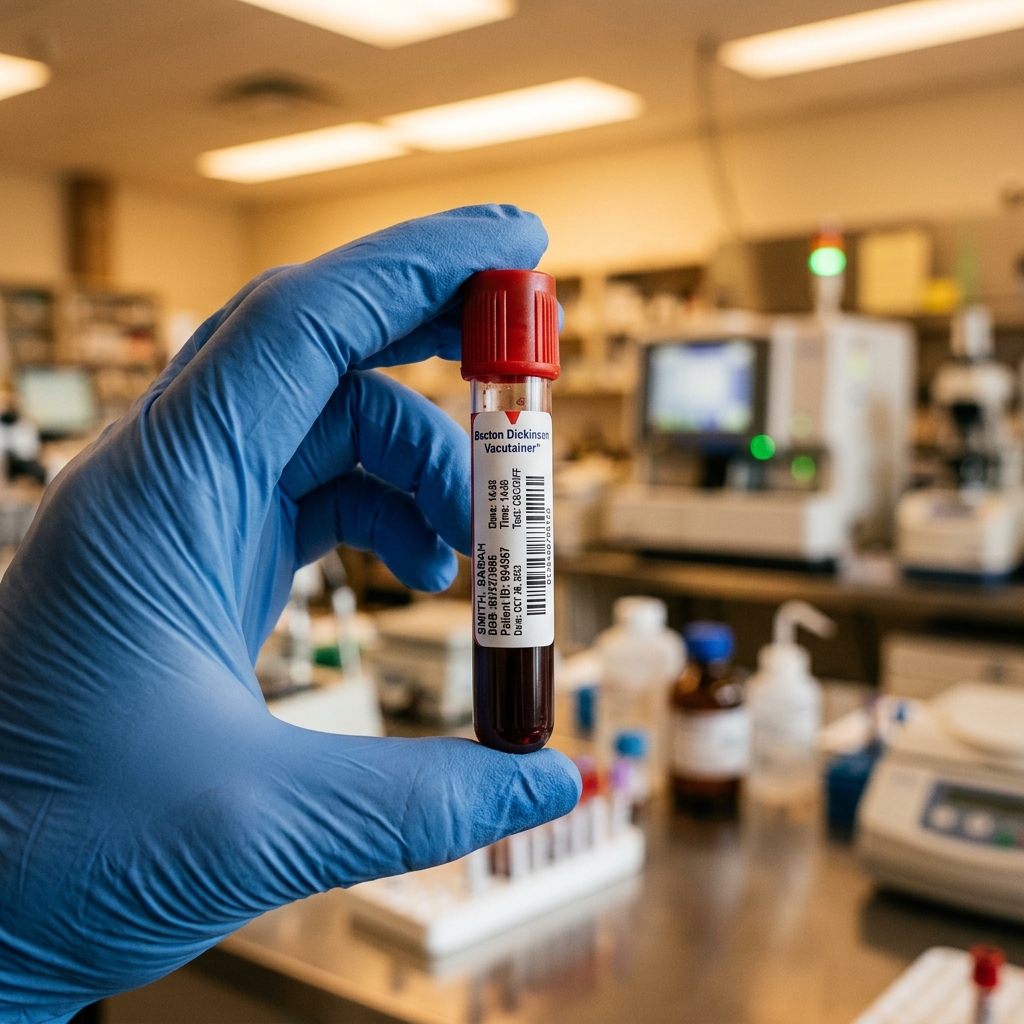
Beyond cognitive performance, chronic stress also drives systemic inflammation. Elevated interleukin-6, C-reactive protein, and tumor necrosis factor-alpha all rise under sustained HPA axis activation. Purpose loss, as a chronic stressor, contributes directly to this inflammatory cascade.
The connection between purpose and inflammation has been examined by researchers at the Friedman School of Nutrition Science and Policy at Tufts University, among other institutions. Consistently, studies associate higher purpose in life with lower circulating inflammatory markers. Moreover, the effect persists after adjusting for income, education, and health behaviors.
This pathway carries particular relevance for cardiovascular health. Chronic low-grade inflammation accelerates atherosclerosis, promotes endothelial dysfunction, and increases the risk of major cardiac events. For the professional already managing lipid profiles and blood pressure, unresolved purpose loss therefore represents an upstream inflammatory driver that standard protocols do not address.
Intentional purpose reconstruction, consequently, operates as an anti-inflammatory intervention. It reduces the chronic psychological stress that sustains inflammatory signaling. As a direct result, the professional who restores directional meaning lowers the same biomarkers that cardiovascular risk models depend on.
Sleep Architecture Disruption From Identity Misalignment

In parallel with inflammatory effects, sleep quality is one of the most sensitive indicators of psychological coherence. When identity and daily action align, the nervous system transitions smoothly into parasympathetic dominance at night. When they diverge, however, evening rumination sustains sympathetic activation.
Purpose loss generates a specific form of cognitive rumination. The professional replays existential questions without resolution. As a consequence, this unresolved processing elevates evening cortisol and delays sleep onset. Slow-wave sleep duration decreases. Additionally, REM fragmentation increases and overnight recovery degrades.
The downstream consequences compound rapidly. First, impaired sleep reduces prefrontal function the following day. Then, reduced prefrontal function impairs judgment and increases emotional reactivity. In turn, increased reactivity generates more stress, which further disrupts sleep. This cycle accelerates cognitive decline and biological aging simultaneously.
Restoring a coherent sense of purpose interrupts this cycle at its origin. It reduces the volume of unresolved existential processing the brain carries into the evening. As a result, this supports cleaner sleep transitions and deeper restorative stages. Notably, the professional who addresses purpose directly often reports sleep improvements before any other measurable change.
Cardiovascular Risk and the Absence of Meaning
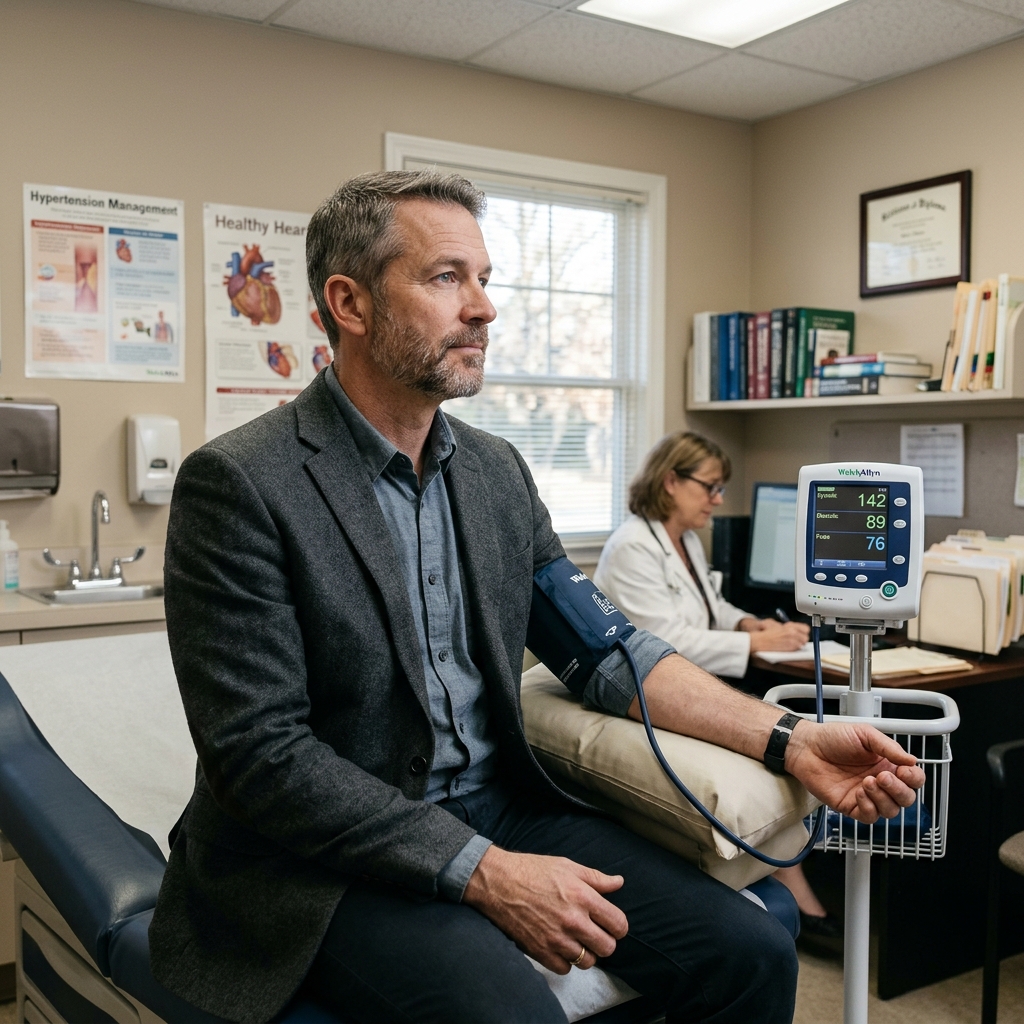
Extending this discussion to the cardiovascular system, heart health responds to psychological variables with the same sensitivity it shows to physical ones. Research from the Harvard T.H. Chan School of Public Health has linked higher purpose in life to reduced risk of cardiovascular events, including myocardial infarction and stroke. Importantly, the association holds across age groups, genders, and baseline health status.
The mechanism operates through multiple converging pathways. Lower chronic cortisol reduces vascular inflammation. Improved sleep, in addition, supports endothelial repair. Furthermore, reduced inflammatory markers slow atherosclerotic progression. Each pathway independently protects cardiovascular function.
For the professional over 40, this creates a compounding vulnerability when purpose erodes. The cardiovascular system loses protective inputs from multiple directions simultaneously. Blood pressure becomes more reactive. Heart rate variability narrows. Meanwhile, resting heart rate increases. These shifts proceed silently over years.
Standard cardiovascular risk management focuses on lipids, glucose, blood pressure, and exercise. Purpose, however, rarely appears in clinical assessment. Yet the evidence suggests it modulates the same upstream systems that these conventional markers reflect. Consequently, ignoring purpose while optimizing other inputs creates a measurable gap in cardiovascular protection.
READ ALSO: Purpose-Driven Goals: How to Achieve What Matters Most
Midlife Identity Transition as a Neurological Event

Moving from cardiovascular to neurological territory, identity transitions in midlife are not purely psychological. They involve measurable neurological reorganization. Specifically, the default mode network, which supports self-referential processing, activates intensely during periods of identity questioning. This activation consumes significant metabolic resources.
When identity shifts proceed without resolution, the default mode network remains chronically active. As a result, this competes with task-positive networks for attentional resources. The professional then experiences reduced focus, lower creative output, and impaired strategic thinking. These are not motivational deficits. Rather, they are neurological consequences of unresolved self-referential processing.
The brain resolves identity questions through a specific process. It tests new self-concepts against lived experience, evaluates feedback, and consolidates updated identity models. Critically, this process requires both structured reflection and real-world experimentation. Without both inputs, the default mode network continues cycling without resolution.
Professionals who engage this process deliberately — through structured self-assessment, targeted role experimentation, and reflective practice — reduce default mode network overactivation. In turn, this frees attentional resources for task-positive function. The cognitive benefits, therefore, mirror those of resolving any chronic cognitive load.
Metabolic Function and the Stress of Purposelessness

The physiological impact of purpose loss also extends into metabolic territory. Metabolic regulation depends on cortisol rhythmicity, sleep quality, and inflammatory balance. Purpose loss disrupts all three. As a consequence, the metabolic effects include impaired glucose regulation, increased visceral fat deposition, and insulin resistance acceleration.
Chronic cortisol elevation, specifically, promotes gluconeogenesis and reduces insulin sensitivity. Disrupted sleep, meanwhile, impairs glucose metabolism and increases appetite-regulating hormone dysregulation. Additionally, elevated inflammatory markers further compromise metabolic function. Together, these effects converge to create a metabolic environment that accelerates aging.
For the professional already navigating age-related metabolic shifts, purpose loss compounds these changes considerably. The body ages faster under conditions of sustained purposelessness. Visceral fat increases. Glucose variability rises. Moreover, metabolic flexibility decreases. Each shift reduces the body's capacity to recover from daily physiological demands.
Addressing purpose, therefore, carries direct metabolic implications. The professional who restores directional meaning reduces the chronic cortisol load that drives metabolic dysfunction. As a result, sleep improves, inflammatory signaling decreases, and glucose regulation stabilizes. These are not abstract benefits. They are measurable changes in the same biomarkers that metabolic health panels track.
The Compounding Effect on Biological Age

Each pathway discussed so far converges on a single outcome. Biological age reflects cumulative wear on cellular systems. It diverges from chronological age based on stress exposure, inflammation, sleep quality, and metabolic function. Purpose loss, critically, accelerates biological aging through each of these pathways simultaneously.
Sustained cortisol elevation shortens telomeres. Chronic inflammation accelerates epigenetic drift. In addition, disrupted sleep impairs DNA repair mechanisms. Furthermore, metabolic dysfunction increases oxidative stress. Each pathway operates independently, but together they compound aging velocity beyond what any single factor produces.
Research consistently associates higher purpose in life with longer telomere length and slower epigenetic aging. The Rush University Memory and Aging Project data, combined with findings from the Health and Retirement Study, support a robust connection between purpose and biological age trajectory.
For the professional investing in longevity through nutrition, exercise, and supplementation, purpose represents a variable of equal magnitude. The body ages as an integrated system. Removing the psychological coherence that purpose provides degrades that system from within. Consequently, optimizing physical inputs while ignoring purpose creates diminishing returns.
READ ALSO: The Purpose Filled Life: Small Steps to Daily Fulfillment
Purpose Reconstruction as a Neurological and Physiological Reset

Given the evidence presented throughout this article, purpose reconstruction is not a motivational exercise. It is a neurological and physiological intervention. Specifically, the brain responds to renewed directional meaning by recalibrating the stress response, reducing default mode network overactivation, and restoring prefrontal resource allocation.
The physiological benefits, moreover, follow predictable timelines. Cortisol rhythmicity begins to normalize within weeks of sustained purposeful engagement. Sleep architecture improvements often appear within the first month. Over longer periods, inflammatory marker reductions develop as the cumulative stress load decreases.
The process requires two distinct inputs. First, structured reflection that clarifies values, skills, and directional priorities. Second, real-world experimentation that tests these priorities against lived experience. Reflection without action produces rumination. Conversely, action without reflection produces drift. Both inputs must therefore operate together.
For the professional over 40, this process does not require career disruption. Instead, it requires deliberate evaluation of alignment between current activity and core values. Small adjustments in role emphasis, project selection, or skill development can restore enough coherence to shift the physiological trajectory. The body responds to directional clarity, not dramatic reinvention.
Evidence-Based Approaches for Professionals Navigating Purpose Loss

Professionals seeking to address purpose loss as a physiological variable can consider several structured approaches. Conducting a quarterly values-alignment audit — comparing daily activities against current core values — identifies specific areas of misalignment driving chronic stress activation. Engaging in one structured role experiment per quarter, such as a cross-functional project, advisory engagement, or skill development initiative, provides the real-world feedback the brain requires to resolve identity processing. Monitoring sleep quality and evening cortisol patterns as proxy indicators of psychological coherence offers an objective signal for tracking progress. Scheduling brief daily reflection to offload unresolved self-referential processing protects sleep architecture and reduces default mode network overactivation. Professionals experiencing persistent purpose erosion may benefit from working with a psychologist or executive coach trained in identity transition and stress physiology. These are not lifestyle suggestions. They are upstream interventions targeting the same cortisol, inflammatory, and cognitive systems that govern cardiovascular risk, metabolic function, and biological aging velocity.
UP NEXT: What is the Purpose of Life: Finding Calm Clarity
Midlife purpose loss sustains chronic HPA axis activation, elevates systemic inflammatory markers, and disrupts sleep architecture — a convergence that research links to shortened telomeres, accelerated epigenetic drift, and measurably faster biological aging trajectories, independent of diet, exercise, and baseline cardiovascular risk. WholeLiving's Biological Age Estimation Model incorporates this factor directly — your assessment takes under five minutes.
Ready to understand how these factors are influencing your biological age right now? [Take the Biological Age Assessment →]