
Executives who operate without a structured goal architecture consistently demonstrate elevated allostatic load — a measurable cumulative burden on the body's stress-response systems that accelerates biological aging and impairs prefrontal cortex function over time. For high-performing professionals managing compounding organizational demands, the absence of deliberate, sequenced goal design is not merely a productivity liability; it is a physiological one. Chronic goal misalignment drives sustained cortisol elevation, disrupts circadian regulation, and correlates with accelerated telomere shortening — all documented precursors to early cognitive decline and cardiovascular risk in the 35-to-60 demographic most exposed to executive-level pressure.
Strategic Goal Setting and the Physiology of Misalignment
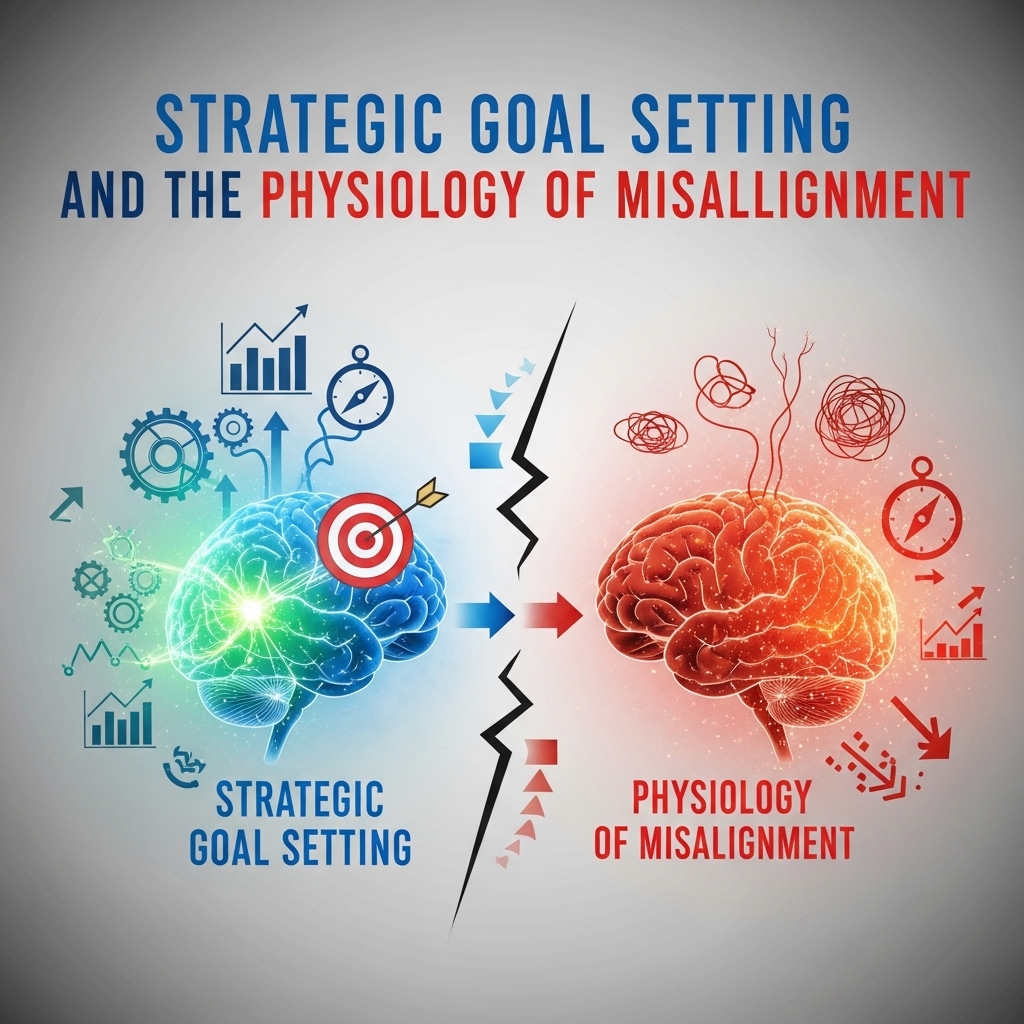
Strategic goal setting is not a productivity convention — it is a physiological input. When professionals operate without a structured goal framework, the brain defaults to a threat-detection posture. The amygdala, which governs fear and stress responses, stays chronically activated. This activation then suppresses the prefrontal cortex — the region responsible for planning, executive function, and emotional regulation.
Research from the National Institutes of Health documents the relationship between goal progress and HPA axis regulation. When individuals experience consistent directional clarity, the HPA axis shows more normal diurnal cortisol patterns. Chronic goal ambiguity, by contrast, produces dysregulated cortisol curves. These erode tissue repair, immune function, and memory consolidation.
The downstream effects build quietly. A professional who avoids strategic goal setting for months or years does not experience a single acute breakdown. Instead, they undergo a gradual erosion of the biological systems that underpin high performance. By the time signs become clinically visible — declining sleep quality, reduced stress tolerance, early cardiovascular markers — the physiological debt is already large.
Why Strategic Goal Setting Is a Neurological Practice
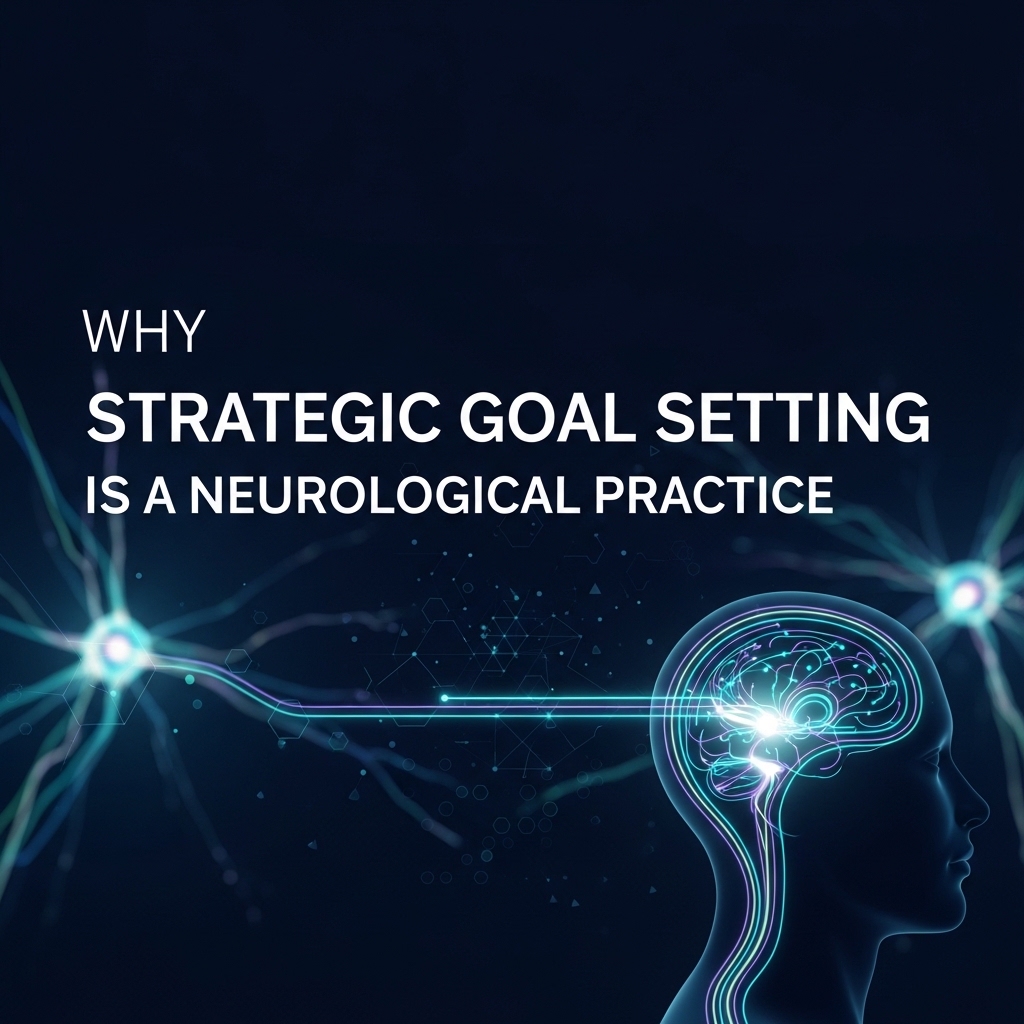
Strategic goal setting, when approached with structural rigor, functions as a neurological practice — not an administrative one. Defining specific, sequenced objectives activates dopamine reward pathways in ways that vague thinking does not. Dopamine signals anticipated reward. It releases most reliably when the brain maps a clear path between current state and desired outcome.
This distinction carries clinical weight. Vague goals — “grow the business,” “get healthier” — generate insufficient dopamine engagement to sustain motivated behavior. Without specificity, the prefrontal cortex cannot allocate attention efficiently. As a result, cognitive load increases, decision fatigue accelerates, and the professional defaults to reactive rather than strategic thinking. This is not a willpower failure — it is a neuroscience outcome.
Research from the University of Rochester's Self-Determination Theory laboratory consistently finds that autonomously chosen, clearly defined goals produce measurably better outcomes in both psychological health and sustained performance. Therefore, goal architecture is not a soft-skill supplement — it is a direct biological input to executive output.
How Goal Clarity Regulates Cortisol
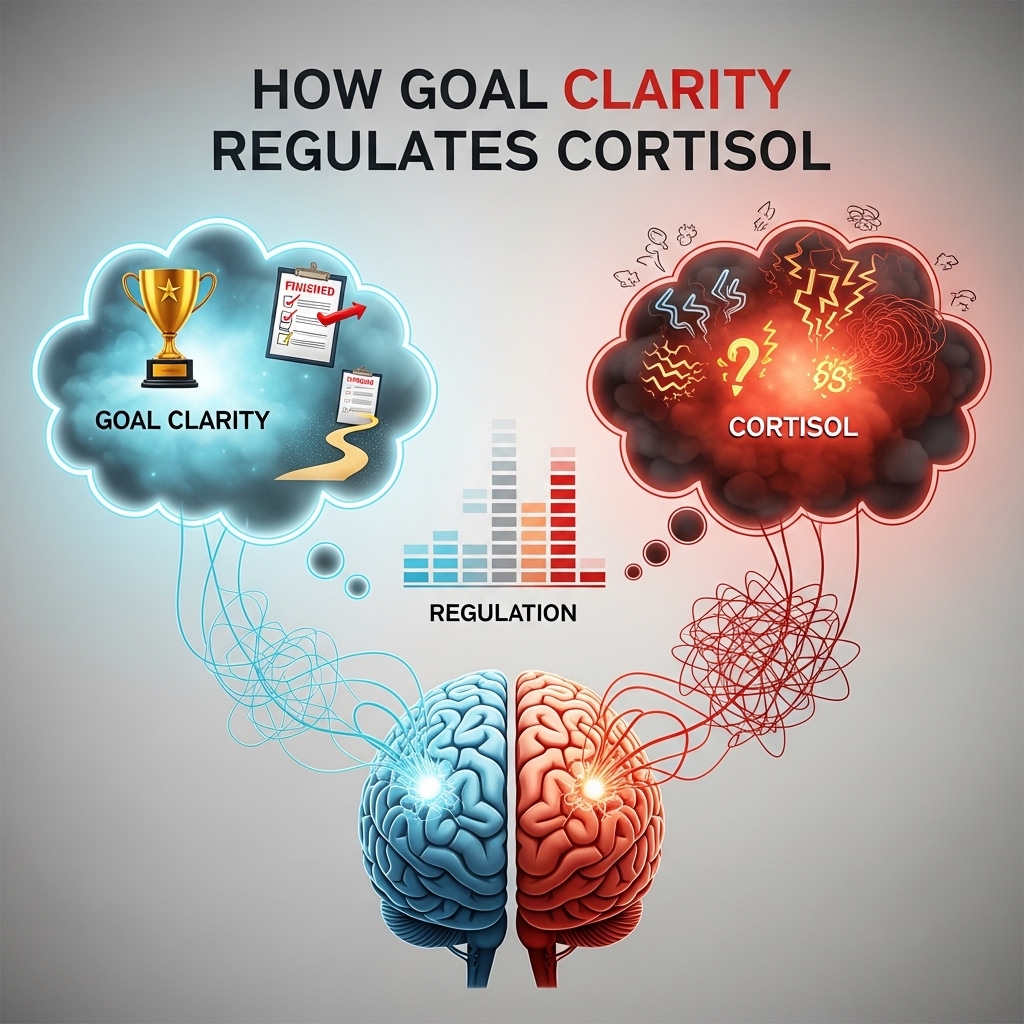
One of the most underappreciated functions of strategic goal setting is its role in cortisol regulation. Cortisol follows a predictable daily curve — peaking in the morning and tapering through the day. In individuals experiencing sustained uncertainty, that curve flattens or inverts. Both patterns link to accelerated biological aging.
The connection to goal structure is direct. When a professional holds a clearly defined goal horizon — a sequence of objectives mapped across a meaningful time frame — their sense of control over outcomes increases. Perceived control ranks among the most potent modulators of cortisol regulation in stress physiology research. The Harvard T.H. Chan School of Public Health has linked chronic perceived stress, including stress from unresolved ambiguity, to elevated cardiovascular risk and systemic inflammatory burden.
Professionals who use structured goal frameworks also report measurably lower psychological distress. They demonstrate more normal cortisol awakening responses. The brain treats a mapped future differently than an unmapped one — and that difference shows up at the hormonal level before it ever appears at the performance level.
Strategic Goal Setting, Biological Age, and Telomere Health

Strategic goal setting also connects to biological aging through telomere health. Telomeres — the protective caps at the ends of chromosomes — shorten with each cell division. Oxidative stress and chronic cortisol exposure accelerate that shortening. Telomere length now serves as a biomarker of biological age, distinct from chronological age.
Research published in Psychoneuroendocrinology has examined the relationship between psychological variables — including goal engagement and perceived life direction — and telomere health. The consistent finding: individuals with high goal engagement demonstrate slower rates of telomere shortening. For executives in the 35-to-60 demographic, where biological and chronological age begin to diverge meaningfully, this is a variable they can influence.
Strategic goal setting that aligns with an individual's core values generates the psychological conditions that support telomere health. This is not a claim that goal setting reverses aging. Rather, it documents that the biological processes linked to aging respond to the experience of directional clarity — and that executives who treat goal architecture as peripheral overlook a lever with measurable molecular consequence.
Cognitive Decline and the Cost of Avoiding Strategic Goal Setting
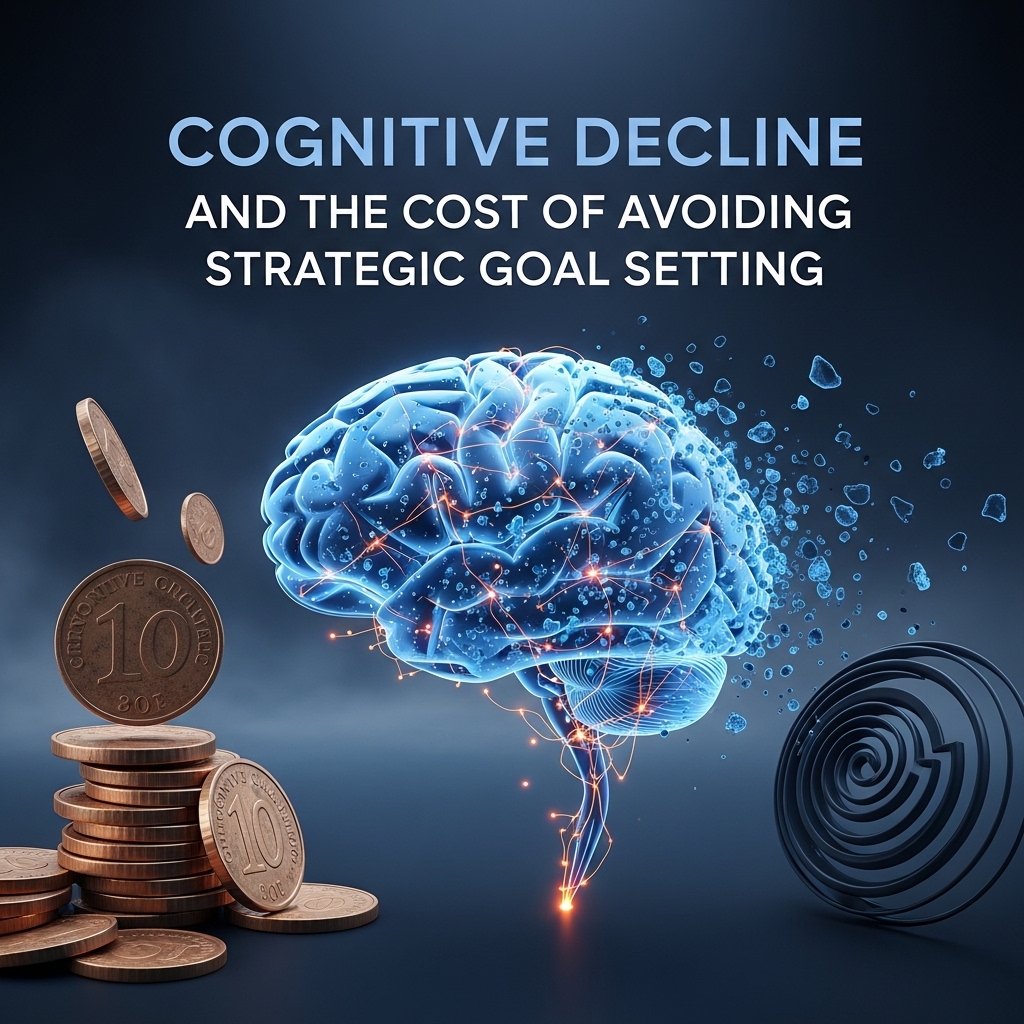
Strategic drift — the gradual gap between stated priorities and actual allocation of time and attention — is one of the most common and least discussed performance hazards in high-performing professionals. It does not arrive dramatically. Instead, it builds through small compromises, reactive decisions, and the erosion of proactive goal engagement.
The prefrontal cortex is the biological seat of strategic thinking, impulse control, and long-horizon planning. Chronic cortisol elevation — which strategic drift reliably produces — measurably reduces the volume and connectivity of prefrontal tissue over time. Neuroimaging research documents this clearly. The implications for executive cognitive performance are direct.
The Framingham Heart Study reinforces that cardiovascular and metabolic health in midlife professionals is substantially shaped by psychosocial variables — including perceived agency and goal-directed behavior. Cognitive decline linked to cardiovascular risk does not arrive in isolation. It follows years of modifiable behavioral patterns that structured goal setting directly addresses.
Goal Hierarchy and Sustainable Executive Output
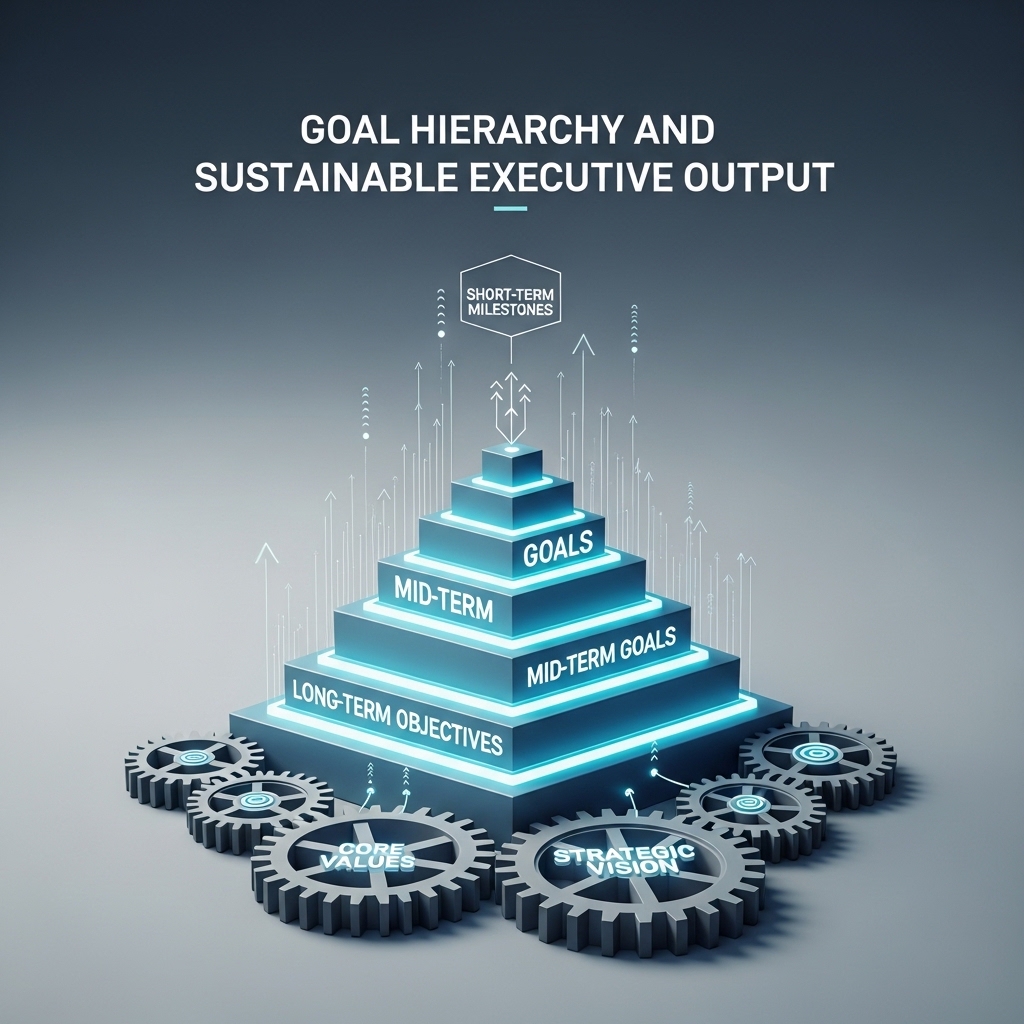
Not all goals carry equal physiological weight. A goal hierarchy — in which daily actions nest within quarterly objectives, which in turn nest within a multi-year vision — gives the brain the layered reward signals it needs to sustain engagement without burnout. This structure distributes dopamine reinforcement across multiple time horizons. As a result, it prevents the reward drought that often follows a single large achievement.
For high-performing professionals, the post-achievement crash is a documented phenomenon. The executive who drives toward a single destination and maintains no structured goal architecture beyond that horizon frequently experiences acute dysregulation afterward. Cortisol drops sharply. Motivation systems disengage. The physiological machinery organized around a clear target suddenly has no signal to follow.
Building a goal hierarchy that extends meaningfully beyond any single milestone creates what researchers in motivational psychology call a “goal buffering” effect. This means continuous directional momentum that sustains HPA axis regulation and maintains the neurological conditions for high output. For professionals operating across decades, not quarters, this structural choice is foundational to strategic goal setting.
Sleep Architecture and the Role of Goal Clarity
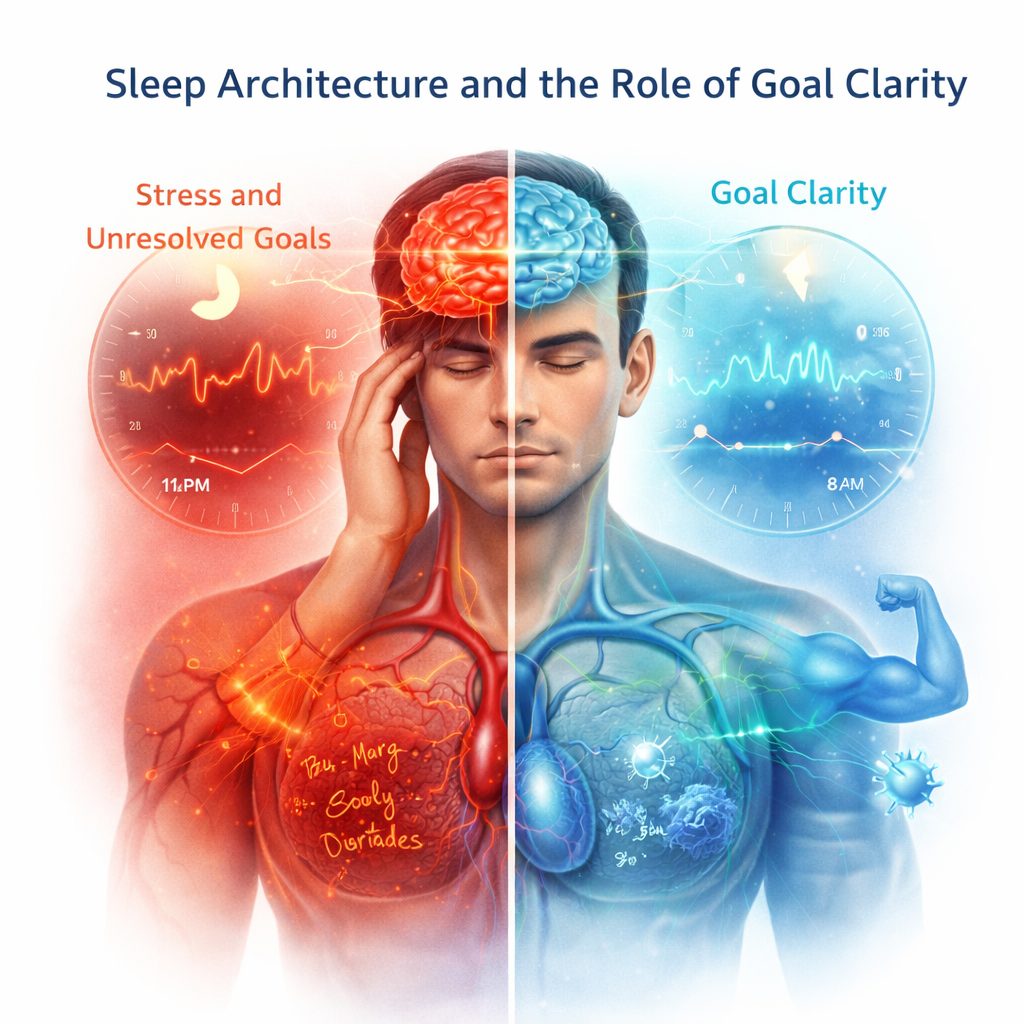
Sleep quality in high-performing professionals rarely disconnects from their experience of goal clarity. Research on pre-sleep cognitive arousal consistently identifies unresolved goal conflict and decision overload as primary drivers of delayed sleep onset and disrupted sleep. When an executive carries unresolved strategic uncertainty into the evening, the default mode network stays active during periods when sleep-onset processes should dominate.
Slow-wave sleep — the stage most linked to physical restoration and growth hormone release — is particularly sensitive to cortisol burden. Elevated evening cortisol, driven by goal ambiguity or strategic overwhelm, compresses slow-wave sleep duration. Consequently, it reduces the recovery that executives need to maintain muscle integrity, immune function, and metabolic regulation.
Structured goal review practices conducted earlier in the day — rather than at night — associate with reduced pre-sleep arousal and improved sleep quality in behavioral sleep medicine research. The mechanism is neurological. A brain that processes its directional commitments through structured daytime review is less likely to process them involuntarily during sleep onset. For executives in high-stakes environments, this is a low-effort, high-return behavioral lever.
Inflammatory Markers and the Stress of Goal Misalignment
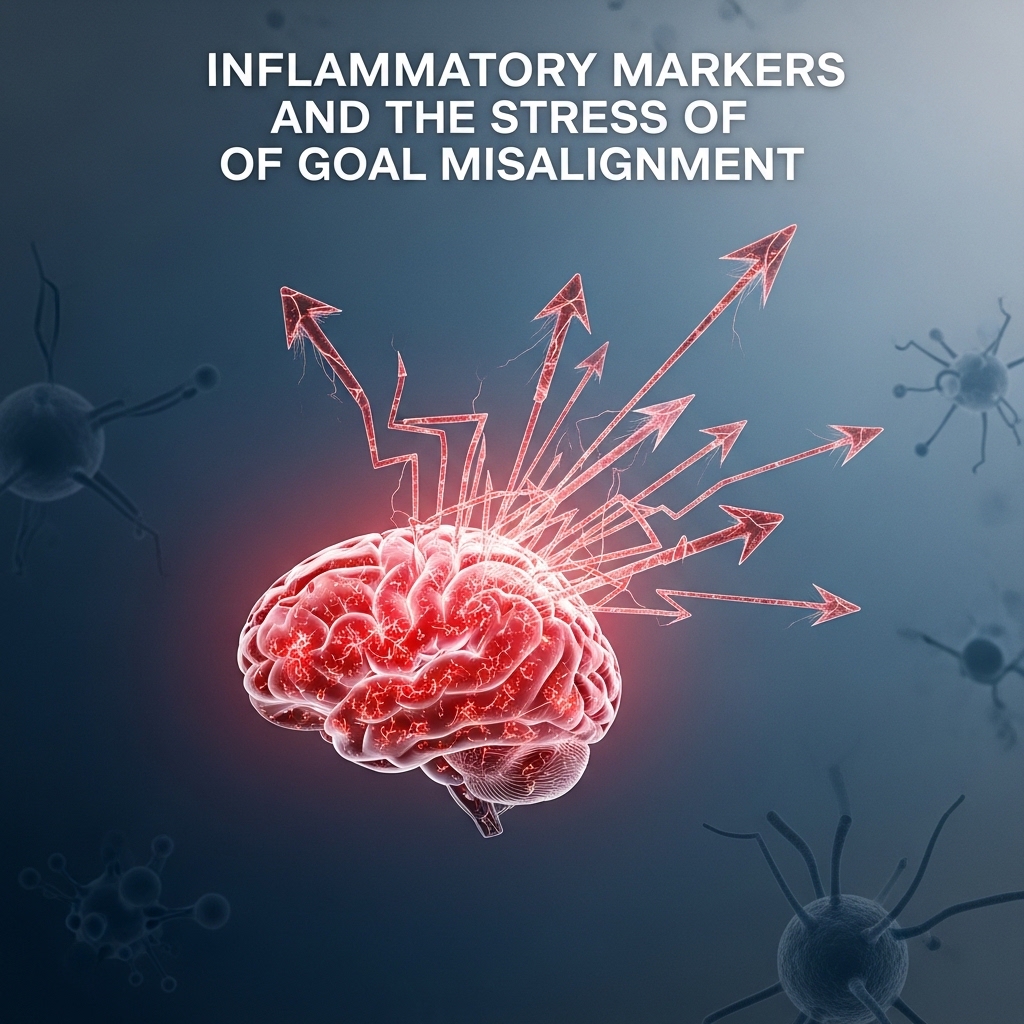
Chronic low-grade inflammation — measurable through hs-CRP, interleukin-6, and tumor necrosis factor-alpha — is a central mechanism in the diseases most likely to shorten healthspan in the executive demographic. Its relationship to psychosocial stress, including stress from unresolved ambiguity and goal misalignment, is mechanistically established.
The HPA axis and the sympathetic nervous system, when chronically activated by perceived uncertainty, drive sustained production of pro-inflammatory signals. This inflammatory environment contributes to blood vessel dysfunction, insulin resistance, and brain inflammation — the latter a documented contributor to accelerated cognitive aging. The American Heart Association has published extensively on the relationship between psychosocial stress and inflammatory cardiovascular risk.
Strategic goal setting intervenes in this pathway by reducing the perceived unpredictability that drives HPA activation. When a professional holds a structured, sequenced goal framework, the future becomes more cognitively manageable. That shift is not semantic — it reflects measurable differences in inflammatory marker profiles documented across stress physiology research.
READ ALSO: What Makes Life Meaningful? Discover Your Spiritual Path
Strategic Goal Setting and Its Metabolic Consequences
Metabolic health in midlife professionals results from a more complex interaction of variables than caloric intake and exercise volume alone. Cortisol's relationship to insulin sensitivity is well established. Chronic cortisol elevation drives glucose production in the liver, suppresses insulin-mediated glucose uptake in peripheral tissues, and promotes visceral fat — the fat distribution most strongly linked to cardiometabolic risk. Goal misalignment, as a chronic cortisol driver, therefore carries direct metabolic consequence.
Visceral fat is not merely a storage depot — it functions as an active hormonal organ. It releases inflammatory signals that further impair insulin sensitivity and contribute to systemic inflammation. Thus, an executive who exercises regularly and maintains a disciplined dietary protocol but operates in chronic strategic ambiguity may be reducing the return on those health investments. The physiological system does not separate these inputs — cortisol burden from goal misalignment interacts directly with metabolic outcomes.
Restoring goal alignment through structured, values-connected goal architecture reduces the cortisol burden that drives these metabolic effects. The evidence does not suggest that strategic goal setting replaces metabolic intervention where clinical markers are already elevated. Rather, it demonstrates that in the absence of goal alignment, other metabolic interventions operate at a disadvantage.
READ ALSO: Purpose-Driven Goals: How to Achieve What Matters Most
HRV as a Readiness Signal for Goal-Layer Stress
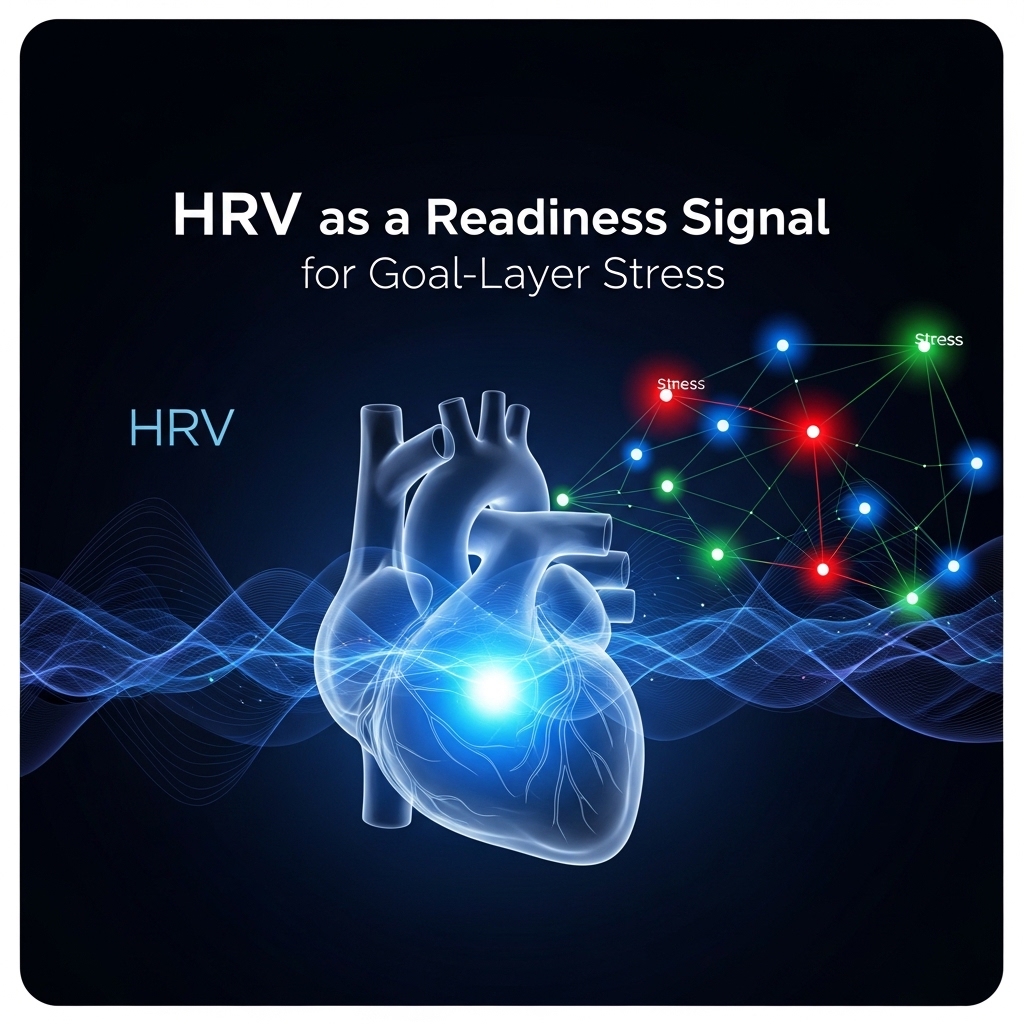
Heart rate variability (HRV) — the beat-to-beat variation in heart rhythm regulated by the autonomic nervous system — has emerged as one of the most sensitive biomarkers of physiological readiness in performance medicine. High HRV reflects parasympathetic dominance and strong autonomic flexibility. Low or declining HRV reflects sympathetic activation, elevated stress load, and reduced physiological resilience.
Goal architecture that professionals choose autonomously — driven by their own values rather than external expectations — produces reliably better HRV profiles compared to compliance-driven goal structures. The Self-Determination Theory framework developed at the University of Rochester examines this distinction extensively. It reflects the autonomic nervous system's sensitivity to the experience of agency — and to its absence.
For executives who use HRV monitoring daily, the implication is direct. When HRV suppression persists despite standard recovery inputs — optimized sleep, reduced training load, sound nutrition — the goal architecture itself warrants examination. When the strategic layer is misaligned or driven by external pressure, the autonomic system reflects that misalignment before the executive consciously registers it.
READ ALSO: Magic Mind: Unlock Your Full Potential with Mindfulness
Translating the Evidence: Where Strategic Goal Setting Fits in a Performance Protocol

Professionals in the 35-to-60 age range can draw on a clear set of evidence-based practices. Strategic goal setting, approached with rigor, reduces allostatic load and supports HRV stability. It also interrupts the inflammatory and cortisol-driven cascades that accelerate biological aging.
Several structural practices follow directly from the evidence. Conducting goal reviews during morning hours protects sleep architecture. Building goal hierarchies distributes reward signals across daily, quarterly, and multi-year horizons. Auditing goal portfolios for autonomy — and replacing externally imposed objectives with internally authored ones — reduces the physiological burden of compliance-driven pressure.
Interpreting persistent HRV suppression as a potential signal of goal-layer stress, rather than a purely physical recovery deficit, also adds precision to performance monitoring. None of these practices demand wholesale behavioral change. They require applying the same analytical discipline to goal architecture that serious professionals already apply to their physical and metabolic health protocols.
UP NEXT: Self-Discovery and Purpose: A Fitness Journey
Chronic goal misalignment sustains elevated cortisol and systemic inflammation — two of the most well-documented drivers of accelerated biological aging, with research linking prolonged psychosocial stress to measurable increases in biological age of three to five years above chronological age in midlife professionals. WholeLiving's Biological Age Estimation Model incorporates this factor directly — your assessment takes under five minutes.
Ready to understand how these factors are influencing your biological age right now? [Take the Biological Age Assessment →]