

You notice red flags in relationship moments when your body feels tense, even before your mind explains why. Many relationships look fine on the outside, yet a small red flag can quietly grow. You deserve clarity that protects your emotional safety and your peace.
You do not need to panic, you need steady awareness in your relationships. When you learn the flags in a relationship, you make choices that honor your values. You also learn that green flags exist, and they are worth waiting for.
Why subtle signs matter in relationships

In many relationships, the earliest signs feel small. A tone shift, a joke that stings, or a sudden demand can be a red flag. Your nervous system often notices what your logic tries to excuse. A common red flag is when your partner blames you for their behavior. They may say you “made” them angry. That story can pull you into fixing what is not yours.
You can use critical thinking without losing softness. Ask what repeats in your relationships. Repetition turns a moment into a pattern, and patterns create outcomes. A subtle red flag can also show up as pressure to move fast. It may sound romantic at first. Yet speed can be used to reduce your personal space and your choices. You deserve respect from day one. You also deserve time. Healthy love does not rush your consent, your comfort, or your decisions in relationships.
READ ALSO: Love Is Hurting: A Quiet Invitation to Rest
Yellow flags vs relationship red flags
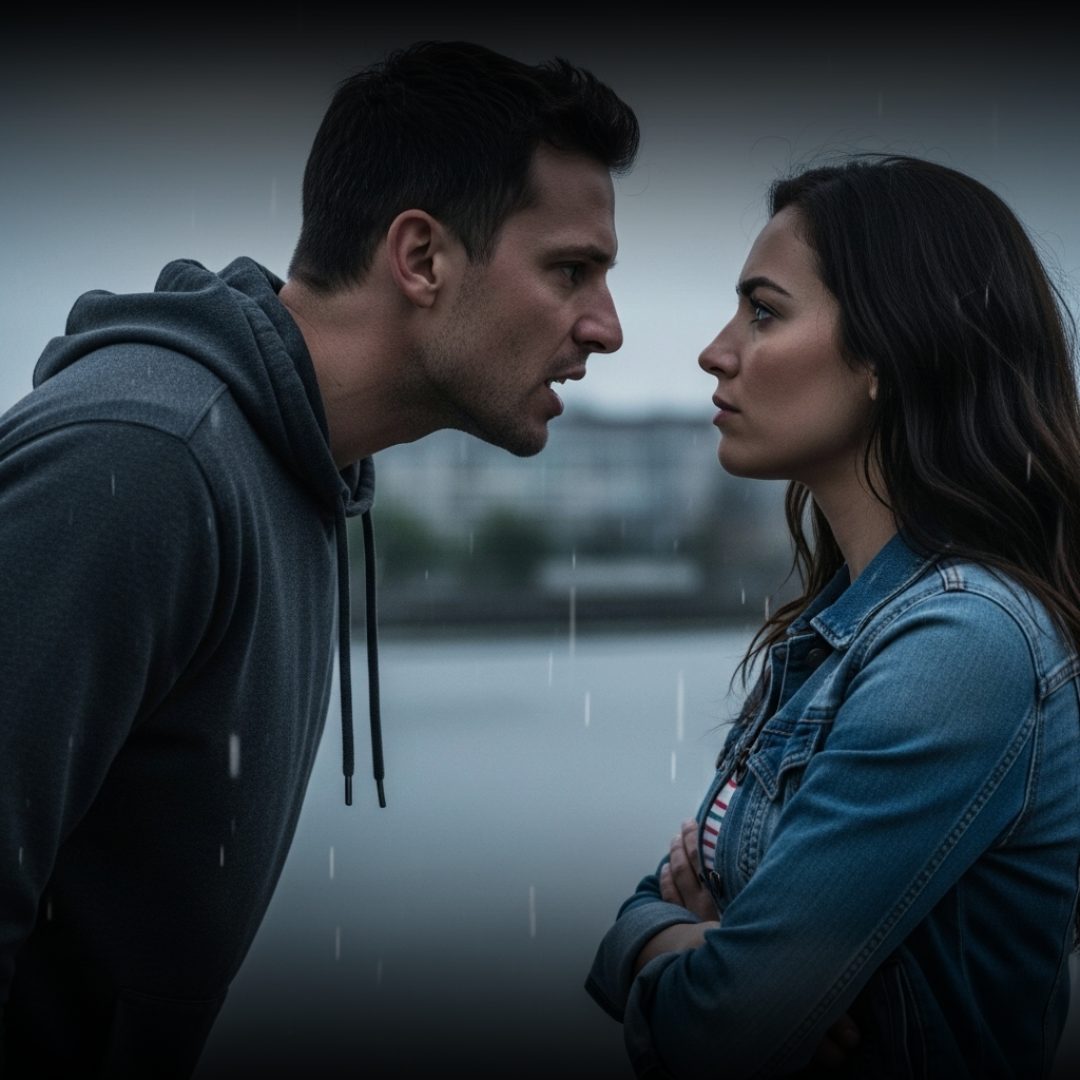
Not every concern is a deal breaker. Some patterns are yellow flags, meaning they need attention and honest repair. Relationship red flags are patterns that harm your safety, dignity, or freedom. A yellow flags moment might be a missed call during a stressful week. A red flag is punishment, guilt, or threats when you ask for basic communication. You can tell the difference by how your partner responds to feedback.
Look for warning signs around accountability. Do they listen and adjust in a healthy way. Or do they flip the blame and make you feel guilty. In relationships, repair is a skill. You want conflict resolution that stays respectful. If you always avoid conflict to keep peace, that peace is fragile. Name the following red flags when they show up. Your naming is not harsh. It is a form of care for your future self and your relationships.
Love bombing and fast intensity
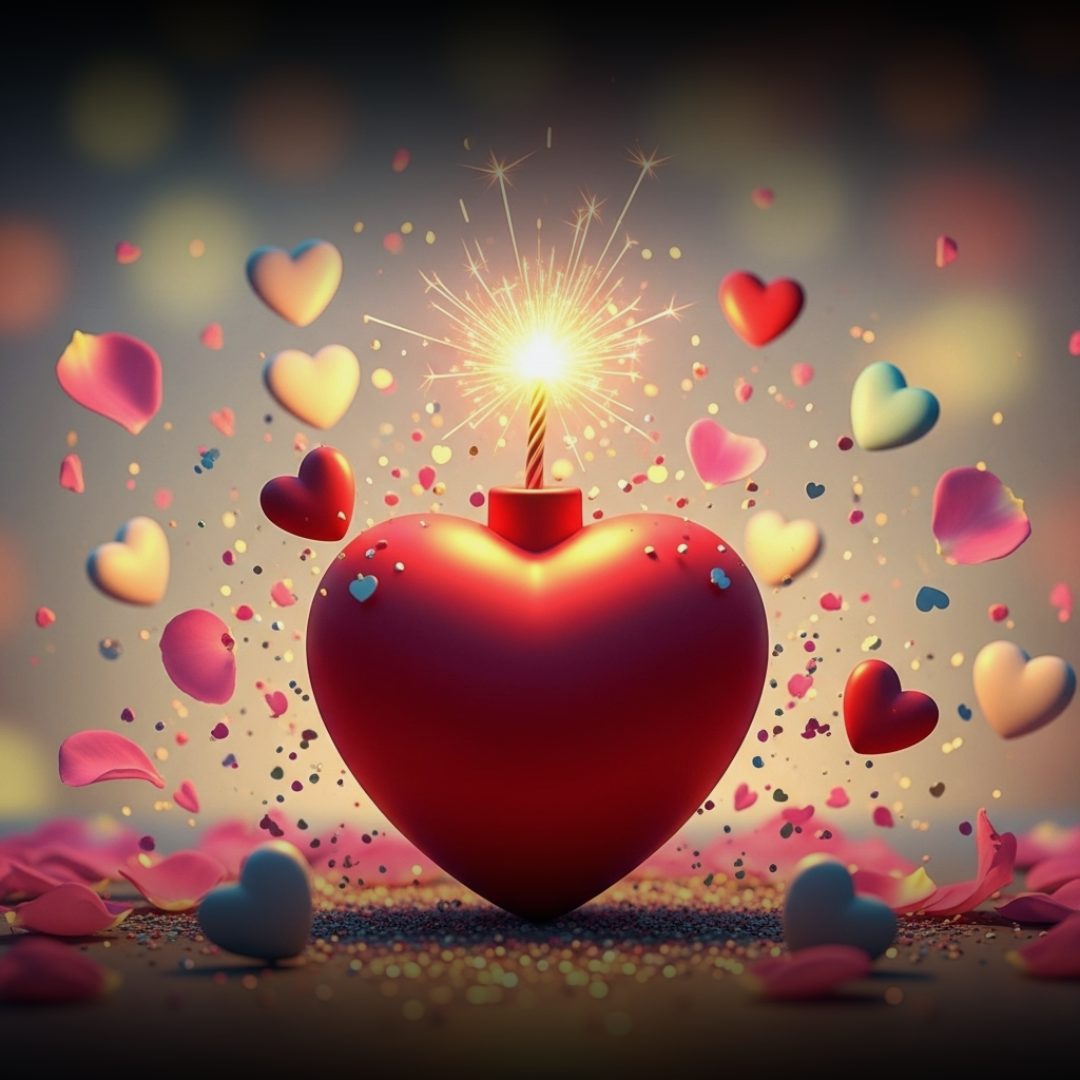
Some relationships begin with fireworks. Love bombing can look like constant compliments, big promises, and nonstop messages. It may also come with urgency that pushes past your boundaries. A key red flag is when affection becomes a tool for control. Your partner may shower you with praise, then withdraw warmth if you say no. That swing is not romance, it is conditioning.
Watch for intermittent reinforcement in relationships. It is a pattern of reward and withdrawal that keeps you chasing the next “good” moment. Over time, you can start to doubt your own sanity. Here is an example. They call you “perfect” after one date, then accuse you of being cold when you need rest. That is a red flag because your personal needs get treated as a problem. You can slow things down with calm firmness. You can say you want to build a serious relationship with steady trust. The right partner will respect your pace in your relationships.
READ ALSO: Love Bomb or Real Love? How to Tell the Difference
Controlling behavior and boundary violations
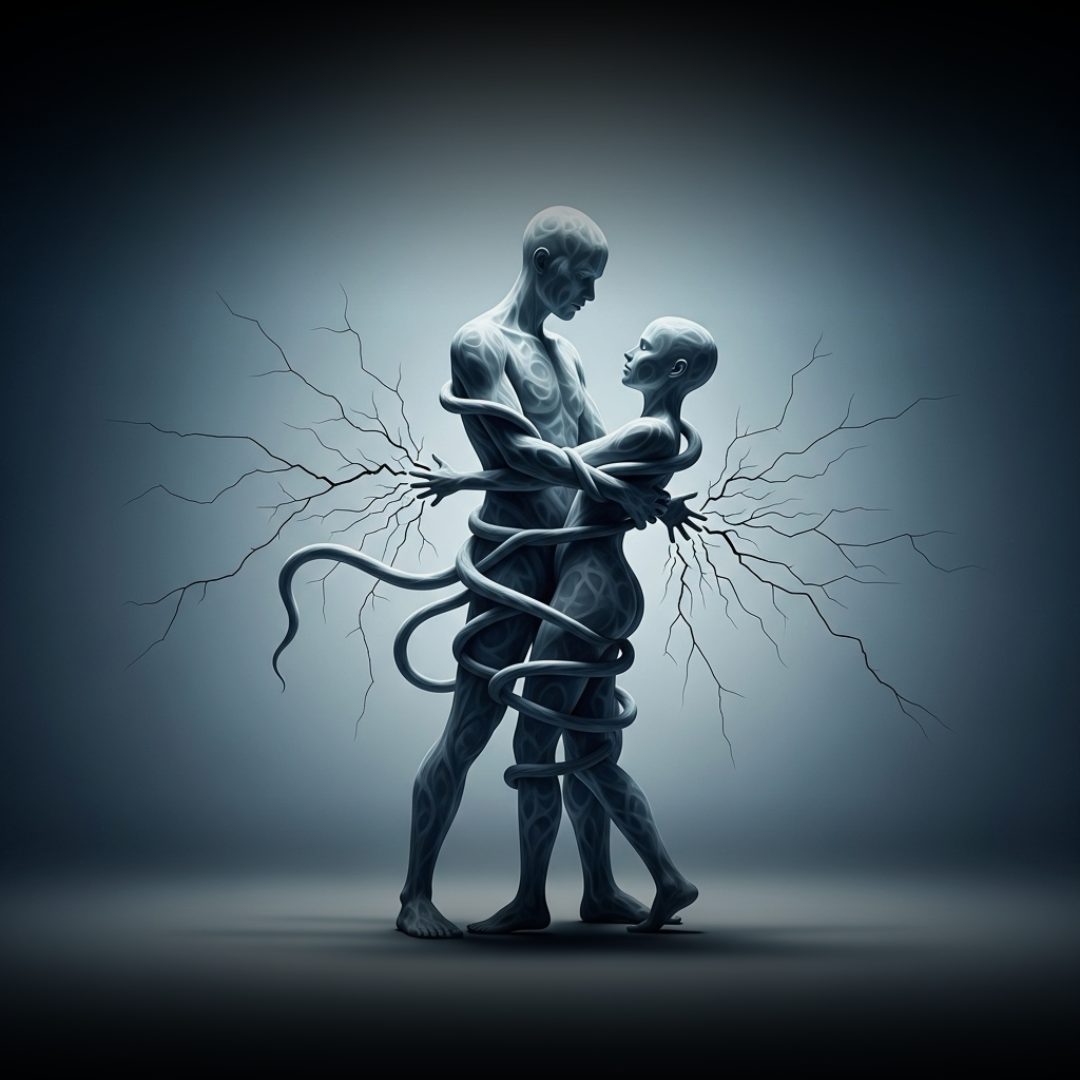
Controlling behavior is a core red flag in many relationships. It often starts with “concern” that turns into rules. Soon, your choices feel smaller. A common red flag is monitoring. Your partner checks your phone, asks for passwords, or questions every delay. These are boundary violations, not proof of love.
Here is an example. They decide what you wear, who you talk to, and where you go. That is control, and it erodes your self esteem. Your body gives signs when your boundaries are crossed. You may feel bad, tense, or hyper aware. That response is information about your emotional safety in your relationships. You can set boundaries clearly and kindly. If your partner respects them, that is a green flags moment. If they mock them, it is a major red flag.
Excessive jealousy and isolation from friends

A little jealousy can happen in relationships. Excessive jealousy is a red flag because it becomes justification for control. It can slowly cut you off from your people. Here is an example. Your partner says your friends are “bad influences.” Then they create drama before you see them. Soon, you cancel plans to keep peace.
Isolation is a serious red flag in relationships. It can include criticizing your family or demanding you choose sides. A healthy partner respects your other relationships. Notice how they act around a family member or your parents. Do they show respect and curiosity. Or do they compete for attention and try to look superior. You deserve external support in your relationships. Safe love welcomes your circle. It does not make your world smaller.
Disrespect, name calling, and constant criticism
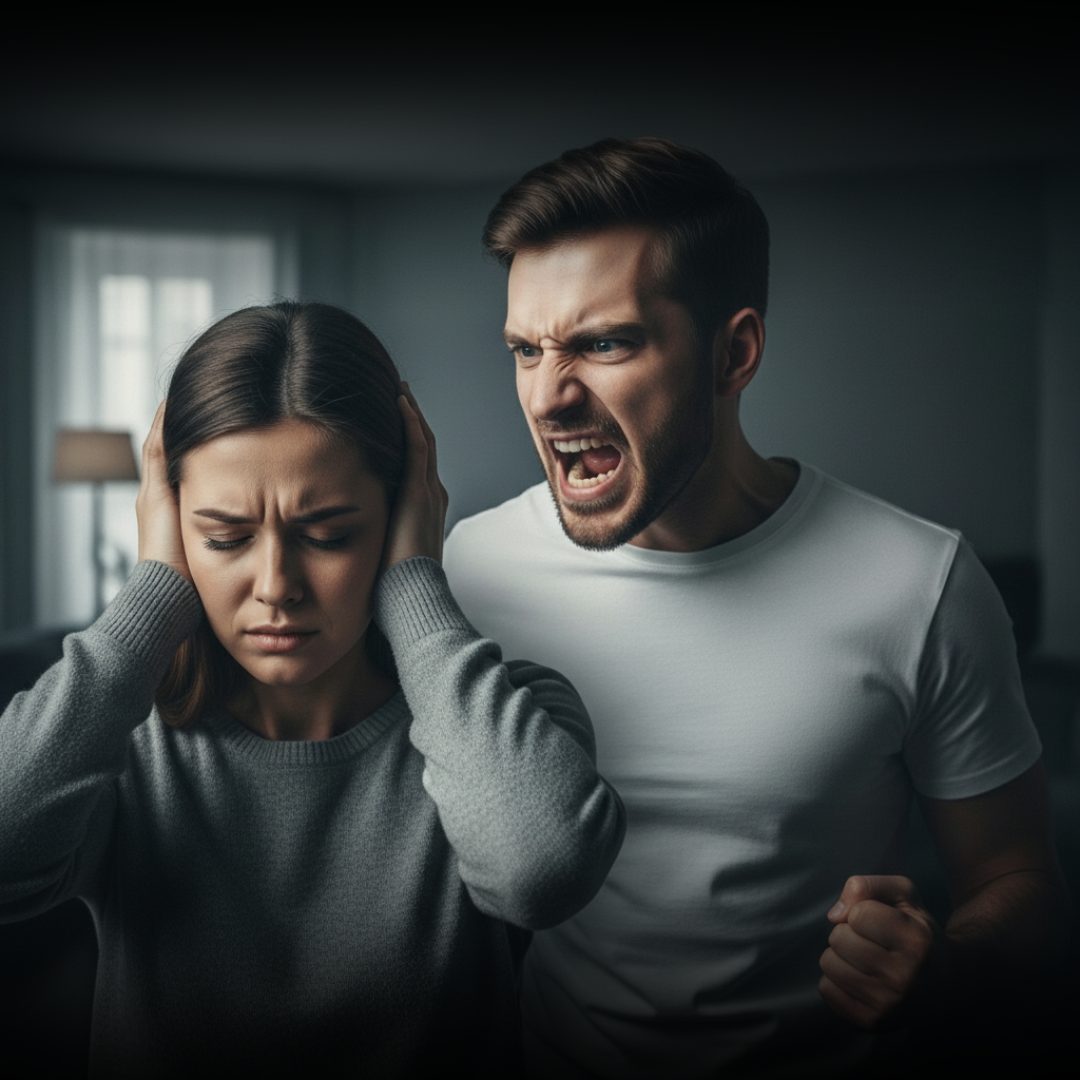
Many relationships struggle with communication. Yet name calling is a red flag because it attacks your worth. It is not “just words” when it becomes a habit. Here is an example. Your partner mocks your dreams, your body, or your voice. Then they say you are too sensitive when you feel hurt. That is a serious red flag.
Pay attention to patterns of contempt. A common red flag is sarcasm used as a weapon. Another is telling you that you are always wrong. Healthy relationships include gentle honesty. You can talk about problems without humiliation. Real respect stays present, even during stress. If criticism makes your daily life feel heavy, pause and reflect. A loving person helps you grow. They do not make your life worse.
Anger, road rage, and intimidation

Anger itself is not always a problem. The issue is how a partner handles it in relationships. Unmanaged anger can become a red flag when it turns into fear. Watch for warning signs like intimidation. They slam doors, punch walls, or use volume to win. That behavior trains you to stay quiet.
Road rage can also reveal risk. It shows how they treat strangers when no one is watching. If they become angry quickly, notice how safe you feel. Here is an example. They speed up to scare another driver, then laugh about it. That can be a serious problem because it normalizes danger. In relationships, you deserve calm repair after conflict. A safe partner can cool down, return, and talk with care. That pattern supports your well being.
Emotional abuse, gaslighting, and the slow erosion

Some harmful patterns leave no bruises. Emotional abuse is a red flag that can still reshape your identity. It often looks like manipulation, shame, and confusion. Here is an example. Your partner denies what they said, then tells you that you imagined it. Over time, you doubt your memory and your feelings. That is a common red flag.
Look for the pattern of making you responsible for their moods. They may say your tone “ruined” everything. This behavior keeps you walking on eggshells. Love bombing can return here, and it can confuse you. A sweet apology, a gift, and then the same harm again. That cycle can keep you in a toxic relationship. If you see own red flags in yourself, meet them with compassion. You may over explain, over give, or ignore your needs. Healing helps you choose healthier relationships.
Physical abuse, violence, and domestic violence realities
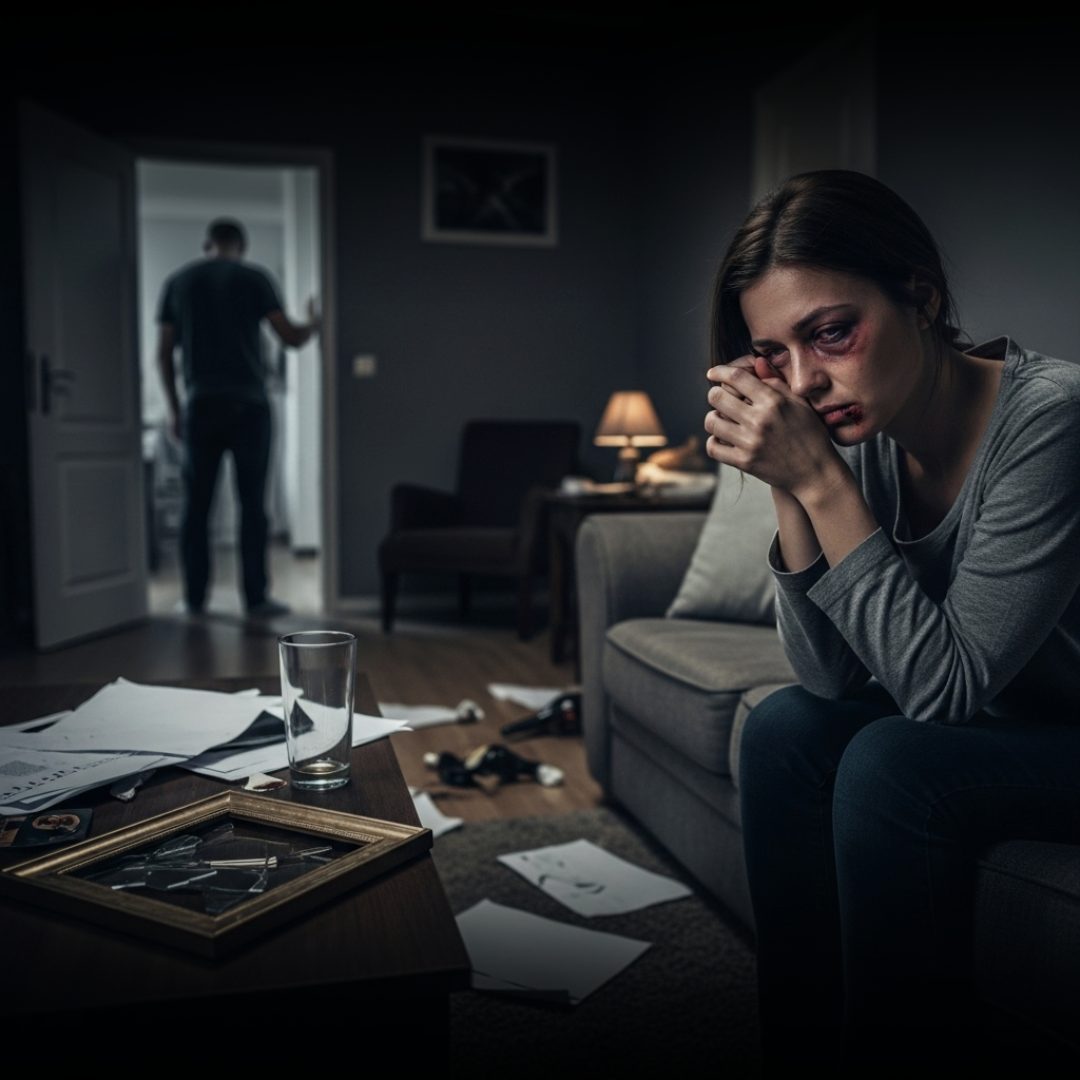
Some lines must never be crossed in relationships. Any physical abuse is a major red flag. Any physical violence is not love. You do not have to minimize it. Even one shove, grab, or block of the doorway is violence. It can be part of emotional or physical abuse. Abuse can escalate. That is why early action matters. If you are in danger, reach out to a trusted adult, a family member, or local emergency services.
Domestic violence can happen in dating too. It is not limited to marriage, age, or background. It can also show up in abusive relationships that look “normal” online. If you are not safe, your first goal is safety, not fixing. You deserve support, protection, and options. A romantic relationship should never require fear.
READ ALSO: Relationship Violence Hides in Plain Sight
Substance abuse, rigid gender roles, and excuses
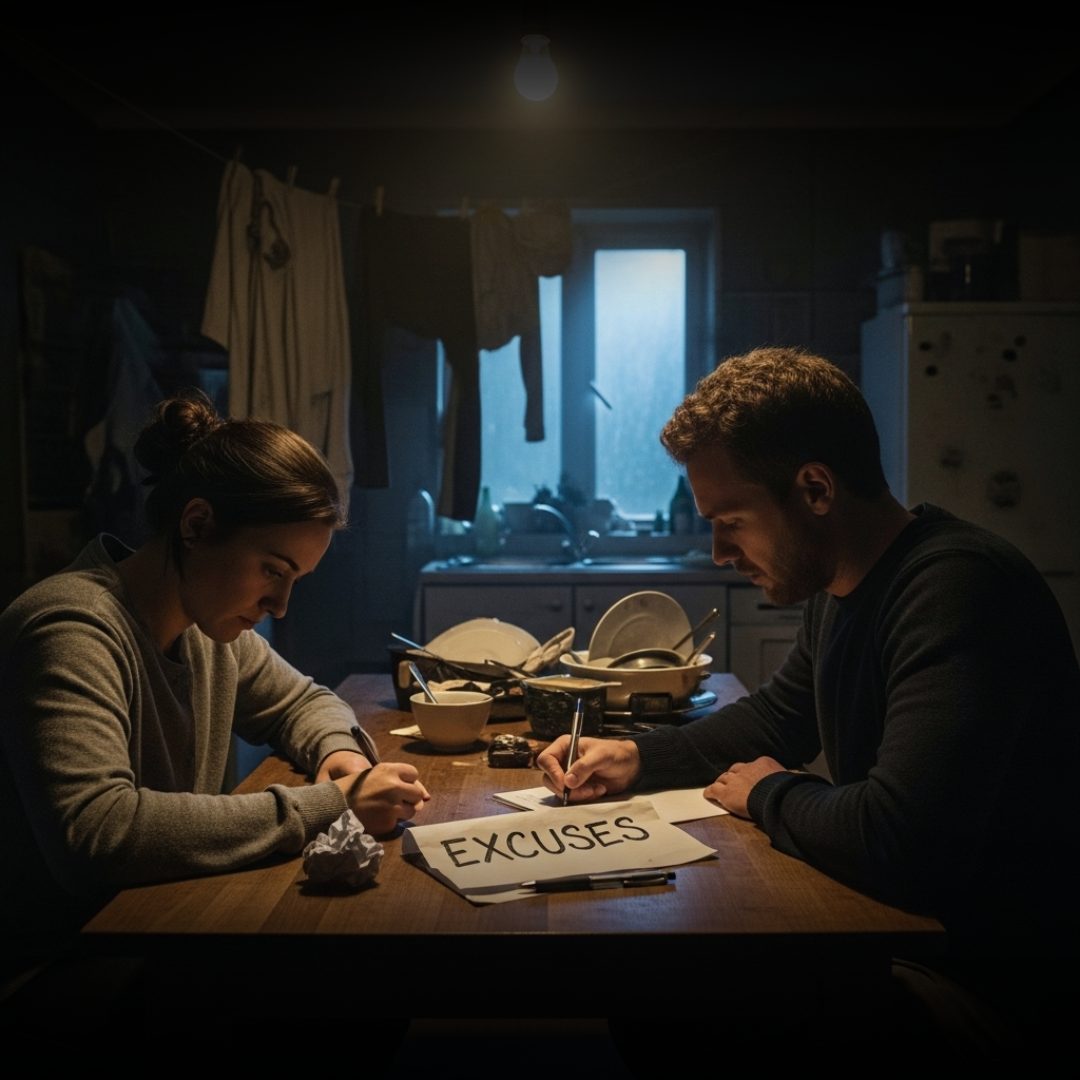
Some patterns are easy to excuse in relationships. Substance abuse can create chaos and broken trust. It can also amplify anger and risky behavior. Here is an example. Your partner gets drunk and becomes cruel, then apologizes in the morning. The apology does not erase the red flag. Repeated harm becomes abusive behavior. Notice rigid gender roles that demand obedience. They may say “a real man” or “a real woman” must act a certain way. That mindset can fuel control in relationships.
Some people also stay stuck in stories about past relationships. They may rant about an ex wife or an ex partner nonstop. If every story paints them as perfect, that can be a red flag. A healthy relationship includes responsibility. Your partner owns their choices and their own problems. You are not their therapist in your important relationship.
Green flags that support a good relationship
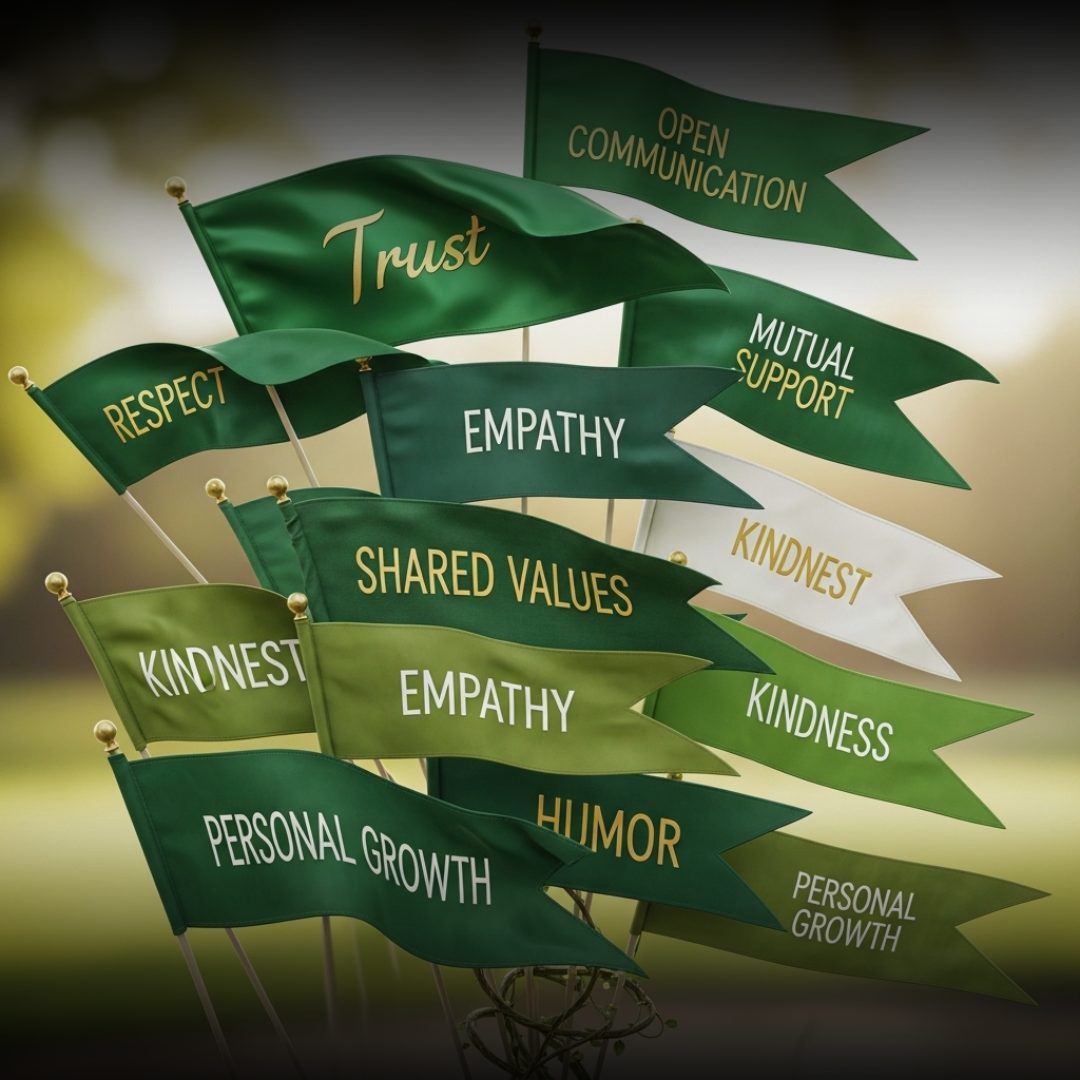
It helps to name what you want, not only what you fear. Green flags are signs of care, steadiness, and growth in relationships. They help you build trust without losing yourself. A good relationship includes consistent respect. Your partner listens, keeps agreements, and repairs harm. They do not use silence as punishment.
Look for mutual support in everyday moments. They celebrate your wins and show up on hard days. They also encourage your friends and your family to stay close. A healthy relationship also protects personal space. You can be alone without suspicion. You can rest without being accused of not caring. Notice how you feel after time together. Do you feel grounded, safe, and expanded. Those green flags matter as much as any warning in your relationships.
What to do when you notice red flags

When you spot a red flag, you do not need to shame yourself. Many relationships teach lessons through contrast. Your awareness is already a form of protection. Start by naming the pattern with clarity. Use a simple example to describe what happened, and how you feel. Then watch your partner’s response, not just their words. If the pattern repeats, treat it as data. A repeated red flag often signals a deeper mismatch. In a serious relationship, you deserve change, not promises.
Reach for support you trust. Talk to friends, trusted family, or a counselor at school or in your community. Safe relationships make room for your needs and your voice. If you are in a toxic relationship that includes threats or harm, prioritize safety. A bad relationship can distort your view of love. You deserve a future built on care, not fear.
UP NEXT: Obsessive Relationship Disorder Can Feel Like Love