
For high-performing professionals, the constant pressure to perform can lead to elevated cortisol levels, impairing cognitive function and overall health. Chronic stress, often exacerbated by demanding work environments, accelerates biological aging and compromises decision-making ability. Recent studies have shown that calm music can significantly reduce cortisol, promoting a state of relaxation and restoring mental clarity. A 2020 study published in Psychoneuroendocrinology found that listening to calm music for even a short period can lower stress hormones and improve focus, which directly impacts long-term cognitive performance and overall well-being. Understanding the physiological benefits of calm music is crucial for sustaining peak performance and longevity in high-pressure careers.
The Physiological Impact of Stress and Cortisol
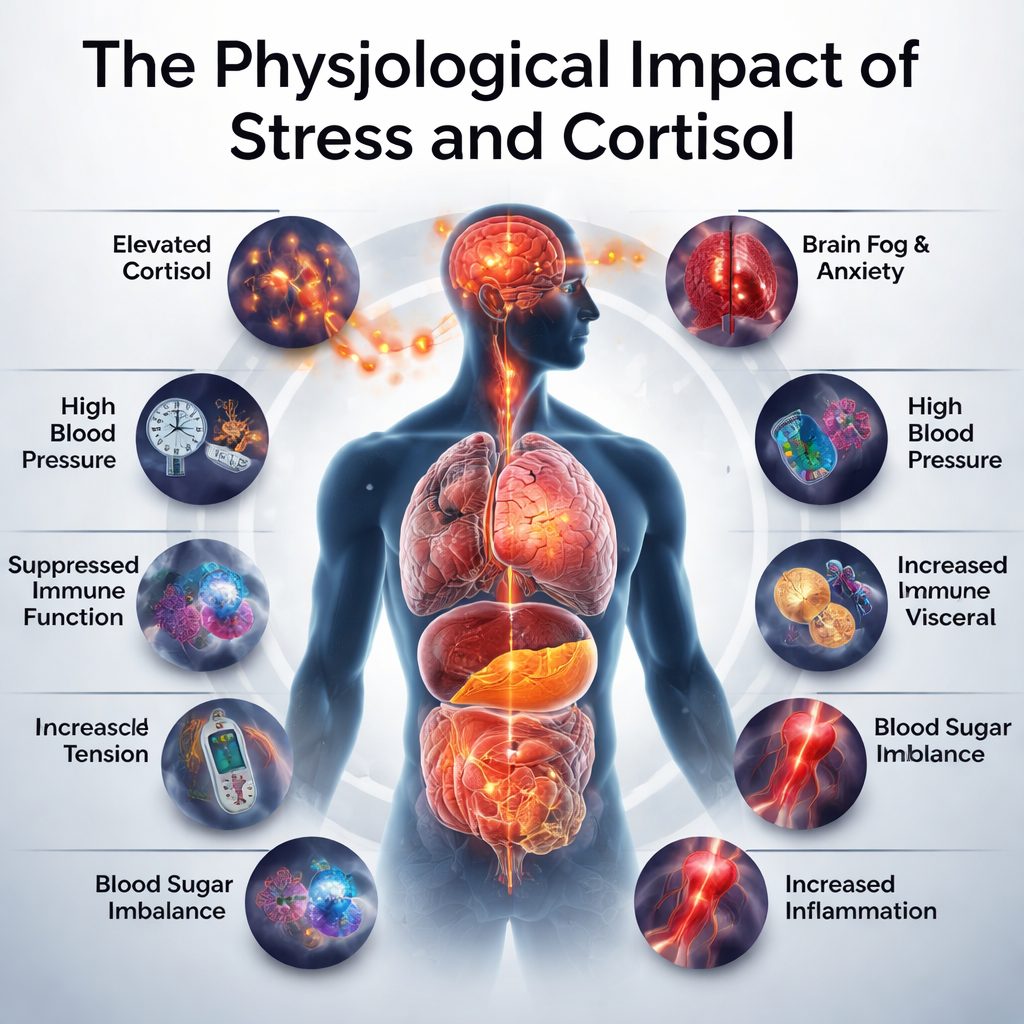
Chronic stress is a major concern for high-performing professionals, as it can lead to sustained elevated cortisol levels. This stress hormone, while essential for short-term survival responses, becomes detrimental when produced in excess over long periods. The physiological consequences include increased inflammation, impaired cognitive performance, and accelerated biological aging. Elevated cortisol has been shown to negatively affect areas of the brain responsible for memory, decision-making, and emotional regulation, contributing to long-term cognitive decline and diminished performance under pressure.
Research from the American Psychological Association highlights that chronic cortisol elevation is linked to cardiovascular risk, including high blood pressure and arterial damage. This is particularly concerning for professionals who experience high stress in their roles, as the chronic nature of stress in their daily lives can lead to cumulative cardiovascular strain. Additionally, chronic cortisol elevation is associated with changes in fat storage patterns, leading to an increased risk of metabolic dysfunction, including insulin resistance and obesity.
Given the significant impact of cortisol on both mental and physical health, interventions aimed at reducing cortisol levels are crucial for maintaining performance and longevity. One such intervention is the use of calming music, which has been shown to directly influence cortisol levels and stress response.
Calm Music and Cortisol Reduction
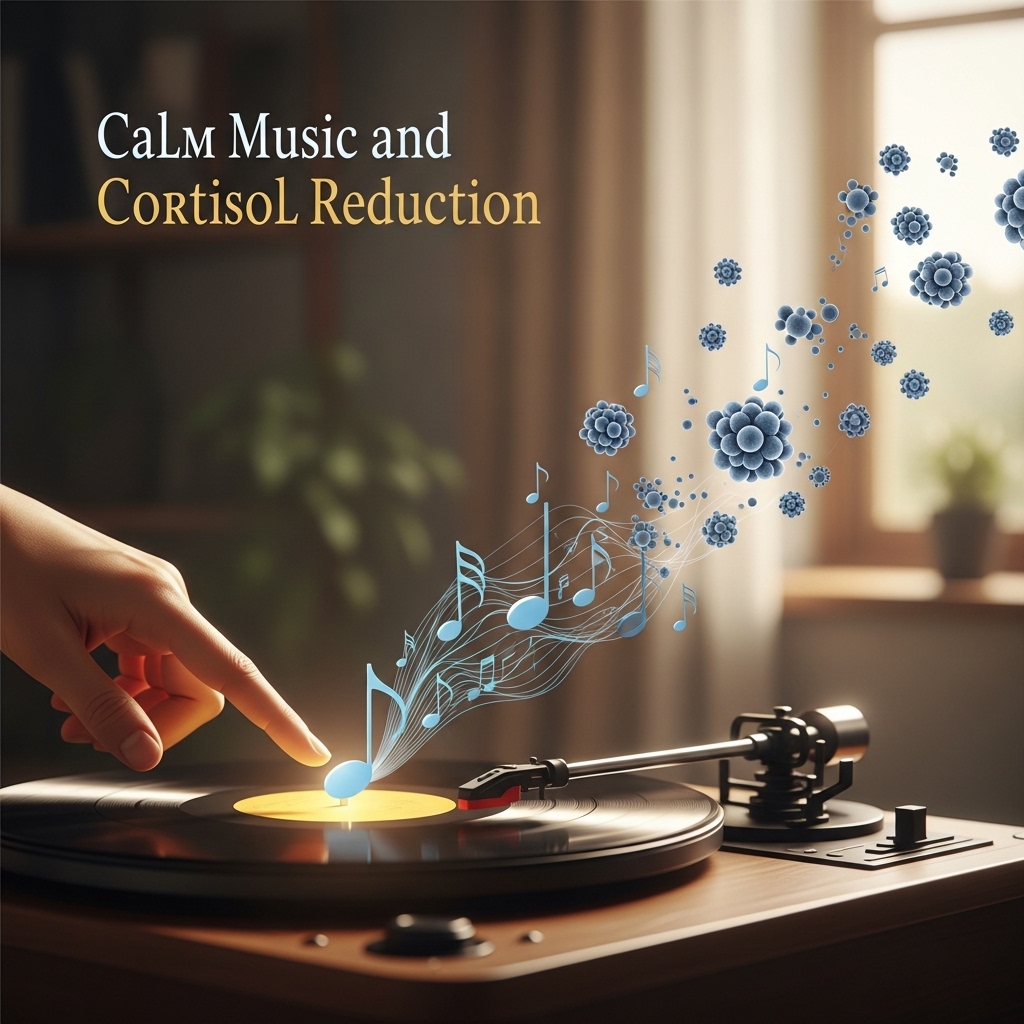
Research has shown that calm music significantly reduces cortisol levels, providing a simple way to manage stress. A 2013 study in The Journal of Music Therapy found that participants who listened to calming music for just 30 minutes had lower cortisol levels compared to those who didn’t. This effect occurred regardless of the music’s genre or tempo, suggesting that its soothing properties are the key.
Calm music activates the parasympathetic nervous system, the branch of the autonomic nervous system responsible for “rest and digest” functions. This results in a decrease in heart rate, lower blood pressure, and a reduction in overall stress response. By lowering cortisol, calm music not only reduces stress but also helps to restore balance to the body’s neuroendocrine system, which is essential for long-term health and resilience under pressure.
This reduction in cortisol has significant implications for mental and physical health. Lower cortisol levels can reduce inflammation, improve cognitive function, and contribute to better sleep quality — all of which are critical for maintaining high performance and resilience in high-stress environments.
Cognitive Performance and Stress Reduction
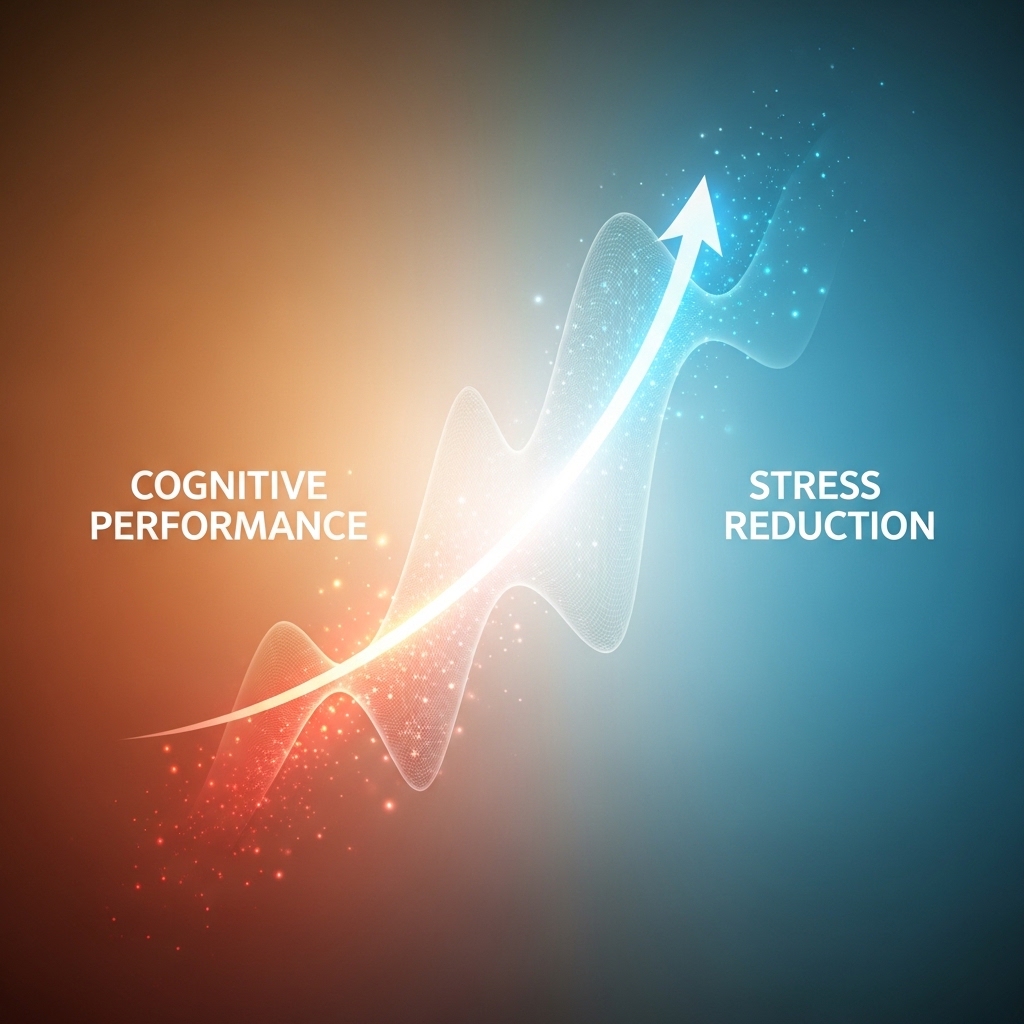
Stress negatively affects cognitive performance, impairing memory, decision-making, and executive function. High-performing professionals need to stay mentally sharp, but chronic stress can hinder their cognitive abilities. Calm music has been shown to improve cognitive performance by mitigating the negative effects of stress.
A 2017 study in Frontiers in Psychology found that people who listened to relaxing music performed better on cognitive tasks, including memory recall and problem-solving, compared to those who were exposed to stressful or neutral environments. The researchers concluded that calm music helped counteract stress’s harmful effects on cognitive performance, providing a simple way to maintain mental clarity and focus under pressure.
Calm music also improves mental flexibility, a key cognitive skill. Professionals with mental flexibility are better able to shift between tasks, adapt to changing circumstances, and make high-quality decisions under pressure. The use of calm music in work environments can help professionals stay cognitively sharp, especially during periods of prolonged stress or mental fatigue.
The Role of Calm Music in Enhancing Sleep Quality

Sleep quality is crucial for maintaining cognitive function and emotional stability. Chronic stress and elevated cortisol can disrupt sleep, leading to poor recovery and mental burnout. Music, especially calming music, has been shown to improve sleep quality by promoting relaxation and reducing stress levels before bedtime.
A study published in Sleep Medicine Reviews found that participants who listened to calming music before sleep experienced higher sleep quality, including longer sleep and fewer awakenings during the night. The researchers suggest that calm music helps reduce cortisol levels and promotes relaxation, which supports the transition into deeper stages of sleep.
For high-performing professionals, improving sleep quality can enhance cognitive function, emotional regulation, and overall health. Better sleep helps reduce mental fatigue, improves decision-making, and ensures that the brain functions at its peak. Calm music before bed can be an effective tool for improving sleep hygiene and long-term performance.
The Impact of Neuroinflammation on the Temporal Brain
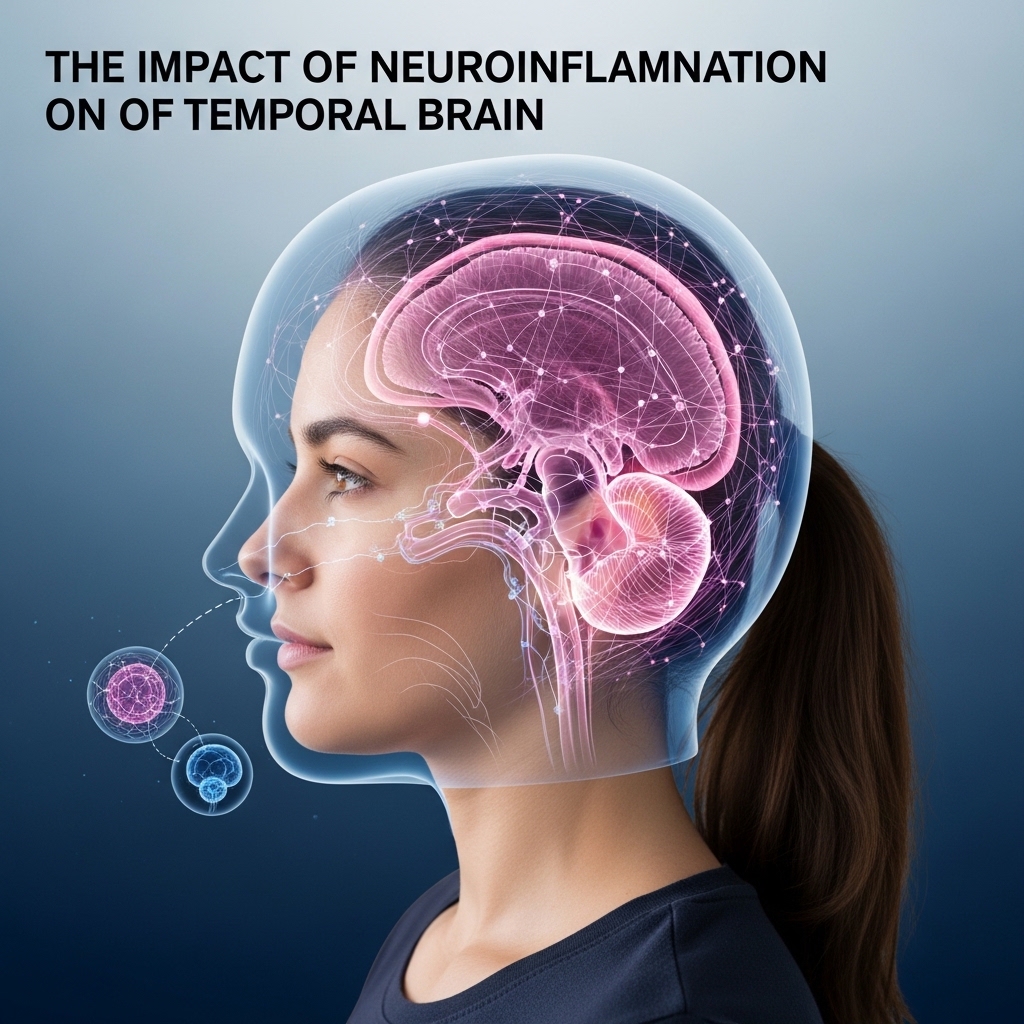
Chronic stress leads to systemic inflammation, which accelerates aging and contributes to various health issues, including cardiovascular disease and metabolic dysfunction. Inflammation is linked to the body’s stress response, with elevated cortisol levels contributing to the production of inflammatory markers such as C-reactive protein (CRP) and interleukin-6 (IL-6).
Research has shown that listening to calming music can help reduce these inflammatory markers, offering a way to combat the negative effects of stress. A 2017 study in Psychoneuroendocrinology found that participants who listened to relaxing music had lower CRP and IL-6 levels after a stressful task compared to those who did not listen to music. This suggests that calm music not only reduces stress but also mitigates the inflammatory processes that contribute to various chronic diseases.
By lowering inflammation, calm music helps protect against long-term health risks. For high-performing professionals, this means reduced risk of cardiovascular disease, better immune function, and improved overall longevity. In this context, music becomes a powerful tool for enhancing health resilience and sustaining performance.
Calm Music as a Cognitive Recovery Tool

Cognitive recovery is essential for professionals who need to maintain peak performance throughout the day. Long hours of decision-making and problem-solving can lead to cognitive fatigue, which hinders performance. Calm music has been shown to aid in cognitive recovery, allowing professionals to refresh and recharge mentally.
A study from Nature Neuroscience found that listening to calm music promotes neuroplasticity, which is the brain’s ability to reorganize and form new neural connections. This is particularly beneficial for professionals who need to adapt to new information or make decisions in unfamiliar situations. By supporting cognitive recovery, calm music helps professionals stay mentally agile and ready for the challenges of the next workday.
Incorporating calm music into their daily routines, professionals can support mental recovery during breaks, transitions between tasks, or post-stress periods. This practice helps reduce cognitive fatigue and prepares individuals for the next round of decision-making and problem-solving.
The Biological Mechanism Behind Music’s Stress-Reducing Effects
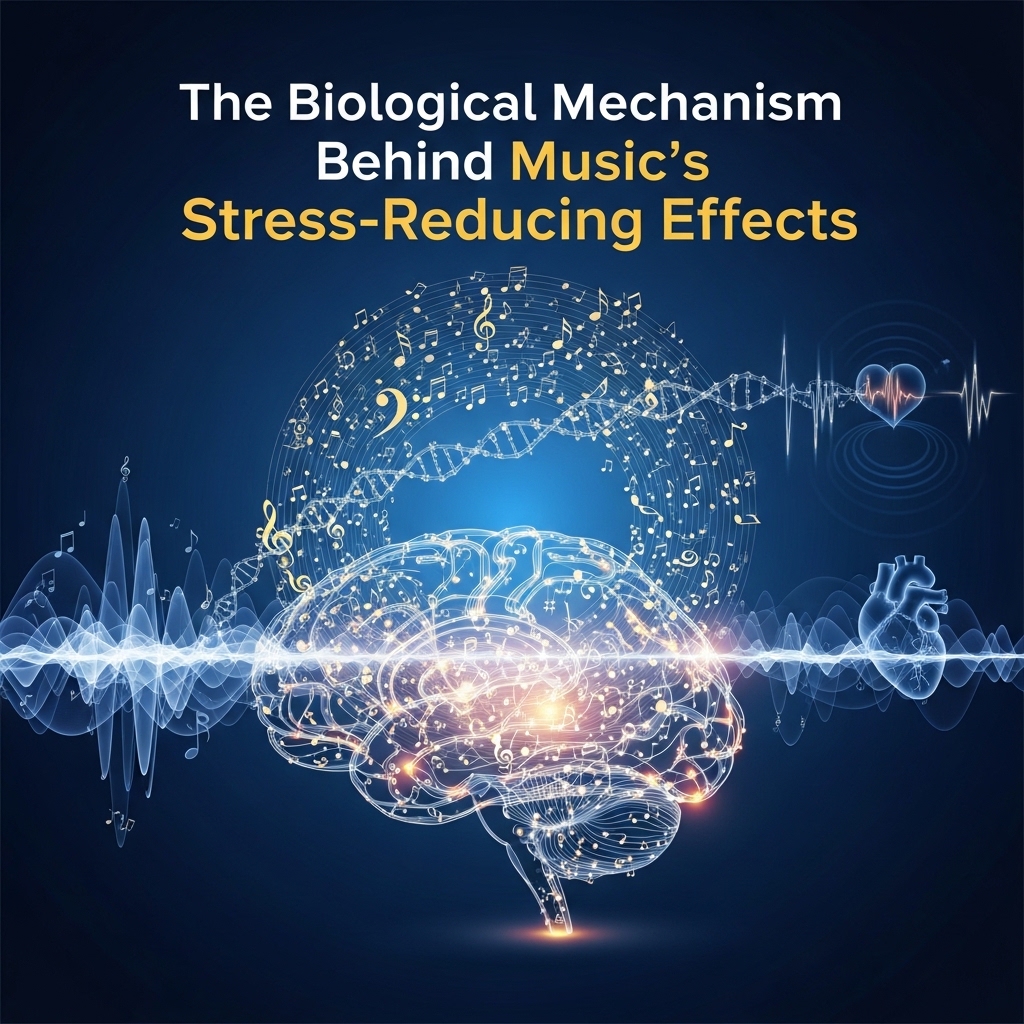
The stress-reducing effects of music stem from its ability to influence brainwave activity and autonomic nervous system function. Calm music promotes alpha and theta brainwaves, which are associated with relaxation and focus. These brainwaves counteract the stress-induced beta and gamma waves, linked to anxiety and tension.
Music also activates the parasympathetic nervous system, which is responsible for the body’s “rest and digest” functions. This activation helps reduce heart rate, lower blood pressure, and induce relaxation. By stimulating the parasympathetic system, calm music reduces the physiological effects of stress, helping professionals maintain balance and resilience.
Understanding the biological mechanisms behind music’s effects emphasizes its potential as a tool for stress management. By integrating music into daily routines, professionals can promote relaxation, improve performance, and reduce the harmful effects of stress on long-term health.
READ ALSO: Mindset Control to Embrace the Power of Positive Aging
Cognitive and Emotional Benefits of Calm Music
Calm music not only reduces stress but also improves emotional regulation and cognitive function. Research shows that music can enhance mood, reduce anxiety, and increase feelings of well-being. This emotional benefit is essential for professionals who need to remain focused and resilient in high-pressure environments.
A 2015 study published in Psychology of Music found that calming music helped improve emotional regulation and reduced negative emotions like anger and frustration. Emotional regulation is crucial for professionals who must navigate stress and maintain effective communication and decision-making under pressure. Calm music helps professionals stay composed, make better decisions, and maintain emotional control.
By enhancing mood and emotional well-being, calm music supports overall mental health. This is vital for long-term performance, as emotional stability is linked to better problem-solving, creative thinking, and leadership.
READ ALSO: The Mind Project: Building Resilience Through Gratitude
The Role of Calm Music in Enhancing Focus and Productivity
The ability to stay focused during long workdays is a crucial skill for high-performing professionals. Distractions and stress can reduce concentration, making it harder to complete tasks efficiently. Calm music has been shown to improve focus and productivity by providing a soothing background that helps minimize distractions.
Research published in The Journal of the Acoustical Society of America found that participants who listened to calm, instrumental music while working completed tasks faster and with fewer errors than those who worked in silence. The music helped maintain a steady level of concentration, reducing the mental fatigue that can build up during long hours of work.
For professionals in high-demand roles, using calm music during work sessions can boost productivity and reduce cognitive overload. By maintaining focus and minimizing distractions, music can contribute to higher work efficiency and better performance.
READ ALSO: Mind and Peace Tips to Achieve Calm and Clarity
Practical Steps for High-Performing Professionals
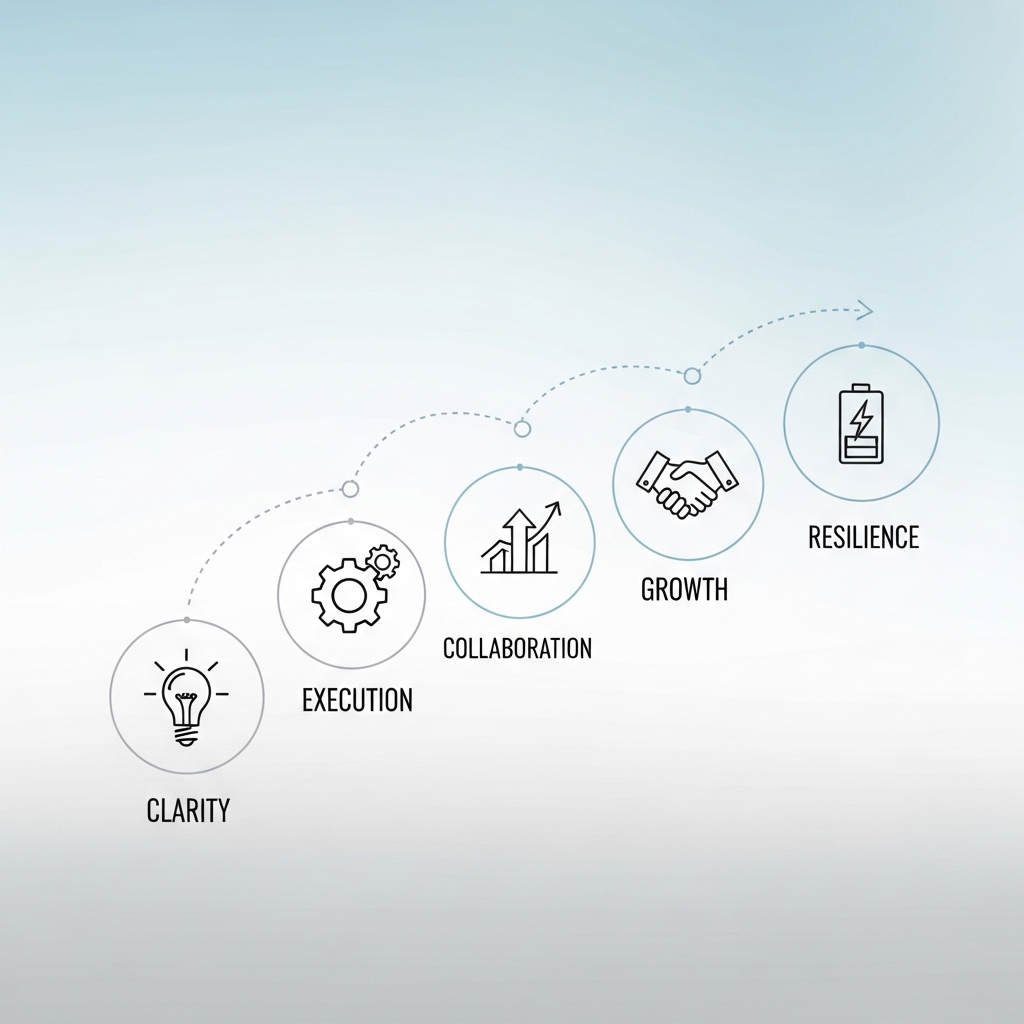
To optimize stress management and cognitive performance, high-performing professionals can incorporate calm music into their routines. Start by listening to calming music during work breaks or at the end of the day to reduce cortisol levels and improve focus.
Integrating music into pre-sleep routines can also improve sleep quality and promote relaxation before bed. Use soothing music during stressful tasks or meetings to manage stress and enhance decision-making.
By incorporating these practices into daily life, professionals can reduce the negative effects of stress, enhance cognitive function, and support overall well-being, ultimately improving long-term health and performance.
UP NEXT: Photographic Mind as a Tool for Mental Resilience
Listening to calm music has been shown to lower cortisol levels, reduce inflammation, and improve heart rate variability, all of which contribute to a slower biological aging process. WholeLiving's Biological Age Estimation Model incorporates this factor directly — your assessment takes under five minutes.
Ready to understand how these factors are influencing your biological age right now? [Take the Biological Age Assessment →]