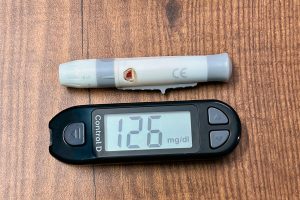
Your fasting triglyceride result — the number printed after a 12-hour overnight fast at your polyclinic — tells you what your lipid clearance looks like in a controlled, artificial state. It does not tell you what happens during the eight to ten hours after each meal, which is most of your waking day. During that window, your blood contains elevated remnant lipoproteins and triglyceride-rich particles that interact directly with arterial walls. That interaction is where much of the cumulative cardiovascular risk accumulates.
In Singapore, where a typical working-day diet moves from kopi with condensed milk at breakfast through economic rice at lunch to a hawker dinner with coconut-heavy dishes, the postprandial state is not brief — it is near-continuous. The research confirms that non-fasting triglycerides predict cardiovascular events independently of fasting values. A 2007 analysis by Bansal et al., published in the New England Journal of Medicine, found that women in the highest non-fasting triglyceride quartile had approximately three times the myocardial infarction risk of those in the lowest quartile, after adjustment for standard risk factors. A parallel Danish cohort study by Nordestgaard et al., published in JAMA the same year, confirmed the association across both sexes in a sample of nearly nine thousand adults followed for up to twenty-six years. Fasting lipids alone miss this signal.
Understanding Postprandial Lipemia: What Happens After You Eat
When you consume dietary fat, the small intestine packages it into chylomicrons — large triglyceride-rich particles — and releases them into the lymphatic system before they reach the bloodstream. Simultaneously, your liver responds to incoming nutrients by secreting very-low-density lipoprotein (VLDL), a second triglyceride-carrying particle produced independently of what you just ate. The enzyme lipoprotein lipase (LPL), anchored to capillary walls in muscle and adipose tissue, progressively breaks down both particle types, releasing free fatty acids for energy use or storage.
In a well-functioning metabolic system, this clearance takes two to four hours and the triglyceride peak stays modest. In a system with reduced LPL activity — which occurs with insulin resistance, low aerobic fitness, excess visceral fat, and thyroid dysfunction — clearance slows and the postprandial peak rises substantially and persists longer. The research confirms that triglyceride-rich remnant particles, the partially-processed products of chylomicron and VLDL metabolism, are directly atherogenic. A 2013 Copenhagen General Population Study analysis by Varbo et al., published in The Lancet, found that non-fasting remnant cholesterol was causally linked to ischemic heart disease independently of LDL-C, using Mendelian randomisation methodology to establish direction of effect.
The composition of the meal shapes both the peak height and the duration of elevation. Saturated fat generates a larger and more prolonged postprandial triglyceride response than unsaturated fat. Refined carbohydrates compound the effect by stimulating hepatic VLDL secretion independently of dietary fat — fructose in particular drives this pathway, a mechanism documented in metabolic studies published across multiple journals including JAMA Internal Medicine. Alcohol acutely impairs LPL-mediated clearance. Conversely, long-chain omega-3 fatty acids — EPA and DHA — reduce hepatic triglyceride synthesis and improve clearance, an effect confirmed across multiple randomised controlled trials and recognised in the American Heart Association's scientific advisory on omega-3 supplementation.
How to Test Your Triglyceride Response: Standard and Longevity-Optimised Ranges

Standard lipid panels measure fasting triglycerides. A result below 1.7 mmol/L is classified as normal by Singapore's Health Promotion Board (HPB); above 5.6 mmol/L is severely elevated and typically warrants clinical management. The longevity-optimised perspective sets more demanding thresholds, particularly for postprandial peaks, because “normal” is calibrated to population medians rather than to the ranges associated with lowest long-term event rates.
| Measurement | Standard Clinical Range | Longevity-Optimised Range | The Gap |
|---|---|---|---|
| Fasting triglycerides | Below 1.7 mmol/L (normal) | Below 1.0 mmol/L | 0.7 mmol/L — a result reading “normal” on a standard panel may still carry meaningful residual vascular risk |
| 4-hour postprandial triglycerides | Below 2.3 mmol/L (informal clinical threshold) | Below 1.5 mmol/L | 0.8 mmol/L — this window is where dietary and fitness interventions have the most measurable leverage |
| Triglyceride-to-HDL ratio (fasting) | Below 2.0 (conventional cut-off) | Below 1.0 | 1.0 — a ratio above 1.0 is a proxy marker for elevated remnant particles and possible insulin resistance, even when fasting triglycerides read as “normal” |
Running your own postprandial test. This requires either a triglyceride point-of-care meter or a private lab draw at the four-hour mark. Use a standardised test meal: 500–600 kcal, with approximately 35g of fat and 60g of carbohydrate, replicating your typical heaviest meal. Measure at fasting baseline and again at exactly four hours post-meal, under consistent conditions (same time of day, same prior-day activity level). Private labs in Singapore offering same-day lipid panels typically charge between $30–$80 SGD (2026); confirm current pricing directly with the facility before booking. Your Screen for Life panel (available at polyclinics for eligible adults under the Screen for Life programme, a subsidised national screening initiative) includes fasting triglycerides but not a postprandial test — you need to request and fund the postprandial assessment separately.
READ ALSO: Understanding Your Fasting Triglyceride Result: What the Number Actually Means
Dietary Protocol: Fat Type and Meal Structure

The research confirms that substituting saturated fat with monounsaturated or polyunsaturated fat reduces both the height and the duration of the postprandial triglyceride peak. The American Heart Association's guidance on triglyceride management supports replacing saturated fat sources with unsaturated alternatives as a primary dietary intervention, with evidence drawn from multiple prospective cohort studies and intervention trials.
In practical terms for a Singapore diet:
- Reduce saturated fat at the heaviest meal of the day. Coconut milk, palm oil, ghee, full-fat dairy, and fatty processed meat are the primary contributors. Dishes such as nasi lemak, laksa, and rendang carry a substantial saturated fat load. Replacing these with fish, tofu, or leaner protein sources on weekdays changes the postprandial curve measurably over weeks.
- Add viscous soluble fibre. The research suggests that 10–15g of soluble fibre daily — from oats, psyllium husk, legumes, or okra — slows gastric emptying and reduces the rate of chylomicron entry into circulation, blunting the postprandial peak. A 2020 Cochrane systematic review on dietary fibre and cardiovascular risk markers found consistent reductions in postprandial triglyceride response across included trials. Consult your clinician before adding high-dose fibre supplements if you have diagnosed gastrointestinal conditions.
- Separate high-fat and high-refined-carbohydrate loads. A meal combining saturated fat with high-glycaemic-index carbohydrates — char kway teow, nasi goreng, or mee goreng with fatty protein — generates the largest and most prolonged postprandial triglyceride response. Meals built around lower-glycaemic carbohydrates (brown rice, wholegrain bread, lentils) alongside the same fat content produce a meaningfully lower four-hour peak.
- Increase long-chain omega-3 intake. The research confirms that EPA and DHA reduce postprandial triglycerides via suppression of hepatic VLDL synthesis and upregulation of LPL activity. The AHA Scientific Statement on Triglycerides (Miller et al., Circulation 2011) recommends two to four servings of fatty fish per week for people with elevated triglycerides. If you are considering supplemental omega-3 for therapeutic triglyceride reduction, discuss the appropriate dose with your clinician, as high doses interact with anticoagulant therapy.
READ ALSO: HDL and LDL Particle Size: The Measurement Your Standard Lipid Panel Skips
Exercise Timing Around Meals
The research confirms that a single bout of aerobic exercise performed within twelve hours before a high-fat meal significantly reduces the postprandial triglyceride response. The mechanism is increased skeletal muscle LPL activity following exercise, which accelerates clearance of chylomicrons and VLDL remnants from the circulation. A systematic review by Altena et al., examining the effect of prior exercise on postprandial lipemia, confirmed that moderate-intensity aerobic exercise consistently reduced four-hour postprandial triglycerides by 15–25% across included trials.
In Singapore's climate — typically 30–34°C with 70–90% relative humidity — Zone 2 aerobic work (the intensity at which you can sustain a conversation but not sing) generates a meaningful heat load that can reduce exercise volume and duration. The research suggests exercising before 08:30 or in an air-conditioned environment to preserve training quality; heat-driven reductions in exercise output reduce the postprandial benefit proportionally. Mayo Clinic's exercise physiology guidance notes that even moderate-duration aerobic sessions of 30 minutes produce measurable metabolic adaptations, making consistent short sessions more protective than occasional longer ones.
Post-meal walking also contributes to clearance. The research suggests that 15–20 minutes of light walking within 30 minutes of finishing a meal accelerates triglyceride clearance via increased peripheral blood flow and modest LPL activation, though the magnitude is smaller than a pre-meal session. The two strategies are additive: a morning Zone 2 session plus a post-dinner walk produces a larger cumulative reduction than either alone.
Practical timing targets:
- Pre-meal aerobic exercise: 30–45 minutes at Zone 2 intensity, four to twelve hours before the heaviest meal of the day
- Post-meal walk: 15–20 minutes, within 30 minutes of finishing the meal, light pace sufficient
- Resistance training: the research suggests two sessions per week of progressive resistance training upregulate muscle LPL for 24–48 hours, producing a next-day reduction in postprandial triglyceride peaks independent of aerobic exercise
READ ALSO: Insulin Resistance Biomarkers: How to Measure What Your Fasting Glucose Misses
Your 30-Day Protocol: Implementation Timeline

This is a four-phase implementation. Each phase produces one measurable output that informs the next phase.
Week 1 — Baseline assessment. Run a fasting triglyceride test — your Screen for Life panel includes this, or request it at your polyclinic. Separately, run a 4-hour postprandial test using the standardised meal described above. Calculate your triglyceride-to-HDL ratio. Log your five most frequent meals for the week, identifying the primary sources of saturated fat and refined carbohydrate in your habitual diet. Do not change anything yet. The baseline is the reference point for measuring change.
Weeks 2–3 — Dietary restructuring. Apply the fat-type substitutions and soluble-fibre additions from the dietary protocol above. Prioritise the single meal with the highest estimated saturated fat content — typically dinner — rather than attempting to change every meal simultaneously. Add one 30–40 minute Zone 2 aerobic session on weekday mornings before the heaviest meal. Add a post-dinner walk of at least 15 minutes on four evenings per week. These two changes, applied consistently, are expected to produce a measurable reduction in your postprandial peak within two weeks.
Week 4 — Retest and compare. Repeat the 4-hour postprandial test under identical conditions to Week 1: same time of day, same standardised meal, same prior-day activity level. Compare the four-hour postprandial triglyceride peak against your baseline. A reduction of 20–30% is achievable within four weeks for people with moderate starting levels who maintain consistent dietary and exercise adherence. Harvard Health Publishing documents that lifestyle modification reduces triglycerides by 20–50% in most people with mild-to-moderate elevations, a larger effect size than is generally expected from non-pharmacological intervention.
If your postprandial peak remains above 1.5 mmol/L despite four weeks of consistent adherence, discuss further investigation with your clinician. Secondary causes including thyroid dysfunction, undiagnosed insulin resistance, familial hypertriglyceridaemia, and certain medications warrant clinical evaluation before concluding that the dietary and exercise protocol has failed.
Building Into Your System
Postprandial lipemia is not a condition to correct once and set aside. LPL activity responds to fitness level continuously: it rises with regular aerobic training and returns to baseline within two to three weeks of detraining. The dietary changes that reduce postprandial peaks need to become default meal structure, not a finite protocol.
The practical maintenance system is straightforward. Retest your 4-hour postprandial triglycerides every three months alongside your routine fasting panel. If your fasting result drifts above 1.0 mmol/L or your postprandial peak climbs back above 1.5 mmol/L, identify which of the three primary levers has shifted — dietary fat composition, fibre intake, or exercise frequency — and correct that lever before adding anything else. The NIH National Heart, Lung, and Blood Institute classifies triglyceride management as a modifiable cardiovascular risk factor with substantial, well-documented responsiveness to lifestyle intervention — the intervention window is real.
When postprandial peaks remain elevated despite consistent adherence over eight to twelve weeks, the question shifts from dietary composition to clearance mechanism. That investigation — covering LPL enzyme activity, insulin sensitivity markers, thyroid function, and genetic lipid disorders — belongs in a clinical conversation with your GP or a cardiologist, not in a self-directed protocol.
This protocol is one step in a 30-day sequence. The 30-Day Biohacking Starter Guide gives you the full system, including what comes before and after this step.
UP NEXT: Visceral Fat Measurement: Why Your BMI Doesn't Tell You What You Need to Know
WholeLiving publishes educational content only. Nothing in this article constitutes medical advice, diagnosis, or treatment. Biomarker ranges cited are for informational context and should be interpreted by a qualified clinician in light of your individual health history, medications, and circumstances. Triglyceride values and cardiovascular risk thresholds used here reflect current longevity-medicine conventions and may differ from those used in standard clinical practice in Singapore or elsewhere. If you have a diagnosed condition or are taking any medication — particularly anticoagulants, fibrates, or statins — discuss any dietary or exercise changes with your clinician before implementing them.