When a blood panel returns an elevated uric acid result in Singapore, the typical clinical response is to monitor and revisit only if gout develops. That pathway was calibrated for joint disease prevention, not longevity. Serum uric acid has emerged in prospective cohort data as a consistent predictor of cardiovascular risk, incident hypertension, and metabolic syndrome — conditions the Ministry of Health Singapore identifies as leading contributors to premature mortality and morbidity here. Acting on the gout threshold alone leaves most of that risk unaddressed.
If your uric acid sits between the clinical cut-off and the longevity-optimised target — a gap that can exceed 100 µmol/L — you will almost certainly pass a standard clinical review without comment. That gap is the point of this article.
The Myth: High Uric Acid Only Matters If You Have Gout
Gout is the inflammatory event resulting from monosodium urate crystal deposition in synovial joints — most classically the metatarsophalangeal joint at the base of the big toe. The clinical threshold for intervention is set around the solubility limit of urate in synovial fluid: approximately 420 µmol/L (7.0 mg/dL) for men and 360 µmol/L (6.0 mg/dL) for women. Below those values, standard care assumes the problem has not started.
The issue is that the cardiovascular and metabolic pathology associated with elevated uric acid does not require crystal deposition to begin. Multiple large prospective cohort studies have tracked people who never developed gout but whose elevated serum uric acid predicted hypertension, insulin resistance, and cardiovascular events years before any joint symptoms appeared. The clinical cut-off was designed to prevent arthritis, not to protect endothelial function. These are different biological endpoints, and conflating them has produced a generation of blood panels that flag uric acid only when it is already high enough to threaten joints.
READ ALSO: ApoB and Cardiovascular Risk: The Biomarker Singapore Labs Often Miss
What Research Shows: Uric Acid as a Longevity Biomarker
The mechanism begins with xanthine oxidase, the enzyme that catalyses the final steps of purine degradation — converting hypoxanthine to xanthine, and xanthine to uric acid. At elevated concentrations, uric acid activates the renin-angiotensin system (the hormonal cascade governing blood pressure), generates reactive oxygen species (unstable molecules that oxidise lipoproteins and damage vessel walls), and suppresses endothelial nitric oxide synthase, reducing the vascular endothelium's capacity to dilate blood vessels. These are cardiovascular processes that operate continuously, with no joint involvement required.
On the hypertension side, the research confirms the relationship. A systematic review and meta-analysis of 18 prospective studies by Grayson et al., published in Arthritis Care and Research (2011), found a consistent positive association between baseline serum uric acid and incident hypertension across diverse populations, holding after adjustment for conventional confounders including age, body mass index, and baseline blood pressure. For a biomarker typically filed under gout prevention, the cardiovascular signal is significant.
The research suggests that the risk extends to coronary artery disease and cardiovascular mortality. A review by Feig, Kang, and Johnson in the New England Journal of Medicine (2008) synthesised prospective data linking hyperuricaemia to cardiovascular events across multiple cohorts, noting that the association persisted after adjustment for established risk factors — including hypertension and dyslipidaemia — in several, though not all, studies. Whether elevated uric acid is independently causal or a sensitive marker of underlying metabolic dysfunction remains actively debated; what the data consistently show is that persistently elevated levels warrant a full metabolic workup, not observation alone.
The fructose connection adds a second pathway. When fructose is metabolised in hepatocytes (liver cells), the enzyme fructokinase phosphorylates it in a reaction that rapidly consumes ATP (the cell's primary energy currency). The resulting AMP is degraded through the purine pathway and exits as uric acid. Unlike glucose, which triggers feedback inhibition of its own metabolism, fructose drives ATP depletion — and therefore uric acid production — in direct proportion to intake. The research confirms, across multiple controlled feeding studies published in journals including Cell Metabolism, that acute fructose ingestion raises serum uric acid measurably within hours of consumption.
READ ALSO: Fasting Insulin: The Number Your Standard Panel Leaves Out
Uric Acid Biomarker: Clinical Range vs. Longevity-Optimised Range
Both ranges are shown below. The gap between them is where much of the cardiovascular and metabolic risk data accumulates.
| Range | Men | Women |
|---|---|---|
| Standard clinical (gout intervention threshold) | Up to 420 µmol/L (7.0 mg/dL) | Up to 360 µmol/L (6.0 mg/dL) |
| Longevity-optimised target | Below 300 µmol/L (5.0 mg/dL) | Below 270 µmol/L (4.5 mg/dL) |
The gap — up to 120 µmol/L in men, up to 90 µmol/L in women — is the zone in which standard clinical practice is to monitor, while prospective cohort data registers elevated cardiovascular and metabolic risk. The longevity-optimised target is not yet incorporated into standard Singapore clinical guidelines from the MOH; it represents the frontier of the evidence, not current standard of care. Use it as a prompt for a detailed conversation with your clinician, not as a self-treatment threshold.
For reference, the Cleveland Clinic and the Mayo Clinic both publish reference ranges consistent with the clinical threshold above. The longevity-optimised targets sit below those ranges and are informed by prospective research on cardiovascular and metabolic endpoints that accumulated after standard reference intervals were established.
READ ALSO: hsCRP: Reading the Inflammation Signal Your Panel Skips
Why Singapore's Diet and Climate Elevate Your Uric Acid

The generic longevity literature on uric acid is built on European and American cohorts. The dietary and environmental context in Singapore differs in ways that matter for your result.
The hawker diet is dense in purine-rich foods: bak kut teh (pork ribs, frequently including organ meats), char kway teow (typically made with anchovies and dried shrimp), prawn mee, laksa with prawns, and offal dishes available at most kopitiam. Purines from food are degraded through the hypoxanthine-xanthine-uric acid pathway; high intake from shellfish, organ meats, and preserved seafood is one of the most consistent dietary predictors of elevated serum uric acid across populations in the literature. This is not a case against hawker food — it is an argument for measuring your individual response to it.
The beverage picture adds the fructose layer. Kopi with condensed milk, teh tarik, milo dinosaur, and sugary bubble teas each contribute direct fructose loads, activating the hepatic fructokinase pathway described above. A standard teh tarik can contain 8–12 grams of sugar; multiple daily servings compound the uric acid load from dietary purines with a separate endogenous production route. The two pathways are additive.
Temperature and hydration create a third variable not captured in temperate-climate data. Singapore's average ambient temperature of 28–31°C with relative humidity consistently above 80% drives insensible fluid losses through perspiration that are substantially higher than in cooler climates. Dehydration reduces plasma volume and concentrates all serum solutes, including uric acid. The effect scales with the degree of dehydration. For office workers making three or four hawker-centre trips daily with limited water intake, the combination of high purine load, high fructose load, and ambient-driven dehydration is a compounding one.
The Screen for Life programme, administered by HPB (the Health Promotion Board), does not include serum uric acid in its standard screening panel for the general population. Detection therefore depends on proactive testing — either by request at a polyclinic appointment or through a private diagnostic panel.
READ ALSO: Triglyceride:HDL Ratio: The Metabolic Marker Hiding in Your Lipid Panel
What to Do Instead: Testing and Protocol Adjustment
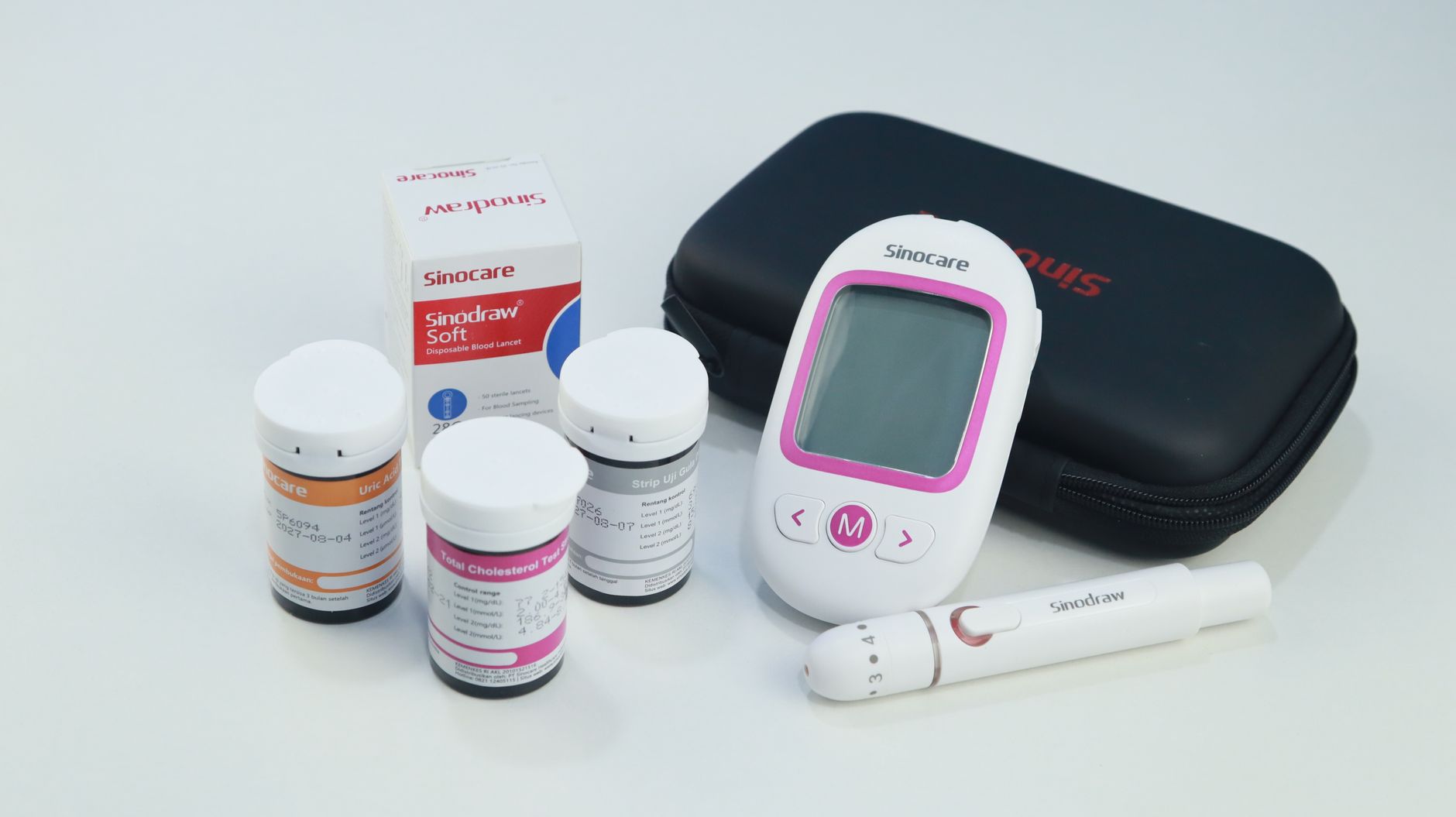
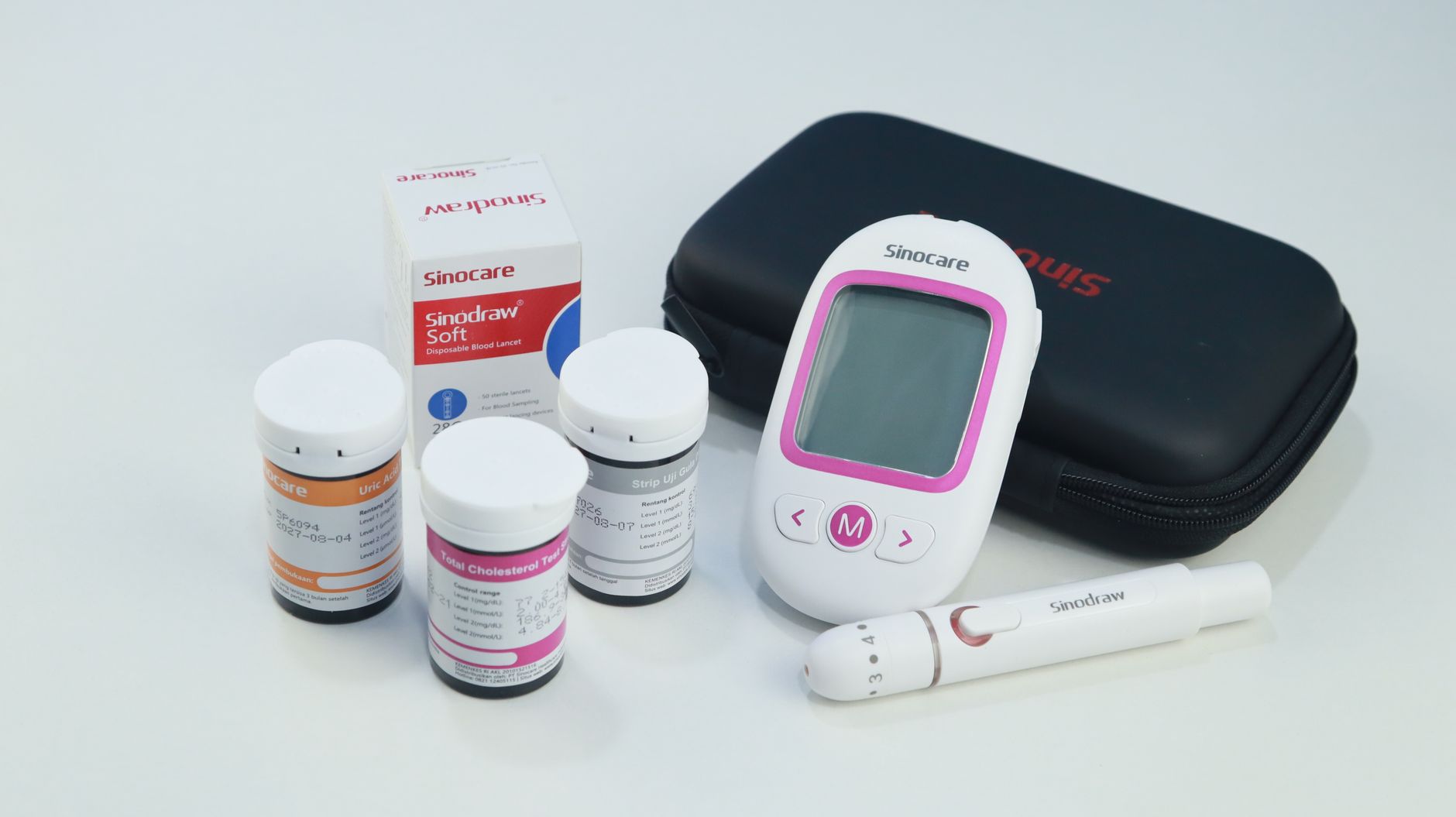
The baseline is a serum uric acid test. At a polyclinic, it can be added to a routine blood review or requested specifically; CHAS (the Community Health Assist Scheme) subsidises blood panel testing for eligible residents. At private diagnostic facilities — Raffles Medical, IHH-affiliated labs, and standalone diagnostic providers — a standalone uric acid test typically costs $15–30 SGD (2026), and is often included in comprehensive metabolic panels at $80–150 SGD (2026). Confirm pricing at the point of booking.
If your result falls in the gap between clinical cut-off and the longevity-optimised target, the first line of investigation is dietary. There is no clinical indication for pharmacological intervention at levels below the gout threshold; consult your clinician before any medication decisions. The dietary levers with consistent support in the evidence are:
- Reduce organ meats and shellfish. These are the highest-purine food categories. The goal is not elimination — it is tracking frequency and portion size against your lab result, and adjusting if your uric acid remains in the gap after eight to twelve weeks.
- Reduce fructose load from beverages. Sugar-sweetened drinks contribute a dose-proportional uric acid load through the hepatic fructokinase pathway, independently of dietary purines. Substituting plain kopi-O or water replaces a significant fructose source without altering the social dimension of kopitiam culture.
- Increase hydration. The research confirms that maintaining adequate plasma volume reduces serum uric acid concentration through dilution and supports renal urate excretion. Harvard Health notes that fluid requirements are higher in hot, humid climates than in temperate ones; aim for at least two litres of water daily in Singapore's ambient conditions, adjusted upward for outdoor activity. Consult your clinician for personalised targets.
Retest after eight to twelve weeks of consistent dietary adjustment. Serum uric acid responds to dietary changes within weeks — faster feedback than HbA1c or lipid panels — giving you a usable signal before your next annual screen. If levels remain elevated after genuine modification, bring the results to your clinician for further assessment, which may include evaluation of renal urate excretion and a broader metabolic panel including fasting insulin and HbA1c.
Download Your Full Biohacking Protocol
Now you know what the standard approach misses. The guide shows you what to do instead, starting tomorrow.
The 30-Day Biohacking Starter Guide covers biomarker monitoring, dietary adjustments calibrated for Singapore's hawker context, and hydration protocols designed for tropical heat — with a day-by-day sequence built to move your key metabolic numbers in a measurable direction.